


Rose hips stand out in the winter garden. These small but vibrant fruits offer a bounty of benefits, and with the right guidance, you can incorporate them into your gardening and lifestyle practices. This guide will take you through everything you need to know about rose hips, from identifying and harvesting them to preparing and preserving them, to using them in a range of recipes.
What are Rose Hips?
Rose hips are the fruit of the rose plant, appearing after the flowers fade and the petals drop off. Typically red, orange, or sometimes dark purple, these oval or round fruits are rich in nutrients and have been used for centuries in traditional remedies. Found on wild roses as well as cultivated varieties, rose hips are not only visually appealing but also highly versatile.
Rose hips develop in late summer to early autumn, making them a perfect feature for gardeners who want to extend the use of their roses beyond their blooming period. In addition to their practical uses, rose hips can provide a splash of colour in your garden during the cooler months, attracting birds and other wildlife.
Benefits and Uses of Rose Hips
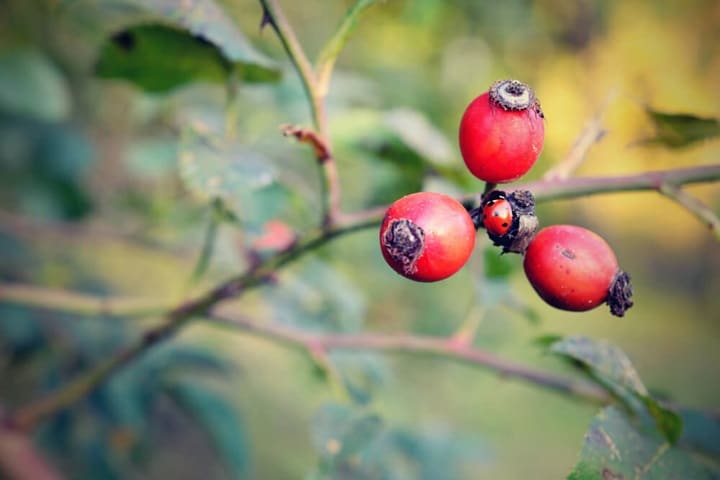
Rose hips are a powerhouse of nutrients, particularly vitamin C, which helps boost immunity and combat seasonal colds. In fact, they contain more vitamin C than oranges, making them an excellent supplement for a healthy diet. Beyond vitamin C, rose hips are rich in antioxidants, flavonoids, and essential fatty acids, which promote skin health and reduce inflammation.
The benefits of rose hips extend beyond health. They are a popular ingredient in teas, jams, syrups, and even skincare products. The fruity, tangy flavour of rose hip oil makes them an excellent addition to your kitchen, whether in a warming cup of herbal tea or a sweet, tangy jelly. Gardeners can also use rose hips to create homemade potpourri or natural dyes.
Are Rose Hips Edible?
Yes, rose hips are edible and have been consumed for centuries.
However, it is essential to prepare them correctly to ensure they are safe and palatable. While the outer flesh of the rose hip is highly nutritious and tasty, the seeds inside can cause irritation if ingested due to their fine, hair-like structures.
How to Harvest Rose Hips
Harvesting rose hips can be a straightforward and rewarding process. Whether you are a seasoned gardener or a beginner, gathering these fruits is an excellent way to make the most of your garden.
What You’ll Need
Before you start learning more about what are rose hips, gather the following tools and materials:
- Pruning shears or scissors
- A basket or bowl for collecting the rose hips
- Gardening gloves to protect your hands from thorns
- A small knife (optional)
When to Harvest
The best time to harvest rose hips is after the first frost. The frost helps to soften the hips and enhance their sweetness. Ideally, you should aim to pick them on a dry day to prevent excess moisture, which can lead to mould during storage.
How to Harvest: Hip Removal
To harvest rose hips, use pruning shears or scissors to snip them from the bush, leaving a short stem attached. Be sure to wear gloves to protect your hands from the thorns. Choose firm, brightly coloured hips, as these are the ripest and most nutrient-rich. Avoid any that are soft, shrivelled, or showing signs of mould or insect damage.
Leaving Some for Wildlife
When harvesting rose hips, it’s important to leave a portion on the bushes for wildlife. Rose hips are a valuable food source for various UK birds and animals during the colder months when other food is scarce.
Birds such as thrushes, blackbirds, and fieldfares are particularly fond of rose hips, while small mammals like dormice may also benefit from the nutritional boost. By leaving some hips on your rose bushes, you can support local wildlife and contribute to a healthy garden ecosystem.
Cleaning the Hips
Once harvested, the rose hips need to be cleaned. Rinse them under cold water to remove dirt, dust, and any small insects. It’s best to do this immediately after harvesting to prevent contamination.
Removing the Seeds
The next step is to remove the seeds, which can be irritating if consumed. Start by cutting the rose hips in half with a small knife. Use a teaspoon or the tip of your knife to scoop out the seeds and the fine hairs inside. Be thorough, as these hairs can cause discomfort if left in the finished product.
Rinsing and Processing the Hips
After removing the seeds, give the rose hips another rinse under cold water to ensure all the hairs and remaining debris are gone. Once rinsed, you can either use the hips fresh or proceed to dry them for later use.
How to Dry Rose Hips
Drying rose hips is an excellent way to preserve their goodness for use throughout the year. Here are three effective methods for drying rose hips:
1. Air Drying
Air drying is a simple and energy-efficient method, perfect for those who enjoy traditional techniques. To air dry rose hips:
- Spread the cleaned, de-seeded rose hips in a single layer on a clean tray or mesh screen.
- Place the tray in a warm, well-ventilated area, out of direct sunlight.
- Turn the hips occasionally to ensure even drying.
- Allow 1-2 weeks for the rose hips to dry fully. They should feel hard and brittle when ready.
2. Oven Drying
For faster results, you can use your oven to dry rose hips:
- Preheat your oven to its lowest setting (around 50°C or 120°F).
- Arrange the rose hips on a baking tray lined with parchment paper, ensuring they do not overlap.
- Place the tray in the oven, leaving the door slightly ajar to allow moisture to escape.
- Check the hips every hour, turning them to ensure even drying. This process can take 4-6 hours.
3. Using an Airdryer
A food dehydrator is a convenient and efficient tool for drying rose hips:
- Arrange the rose hips on the dehydrator trays in a single layer.
- Set the dehydrator to around 50°C (120°F).
- Dry the hips for 8-12 hours, checking periodically.
Once dried, store your rose hips in an airtight container in a cool, dark place. Properly dried and stored rose hips can last for up to a year, providing a steady supply of nutrients and flavour for teas, syrups, and other recipes.
Edible Uses: Rose Hip Recipes
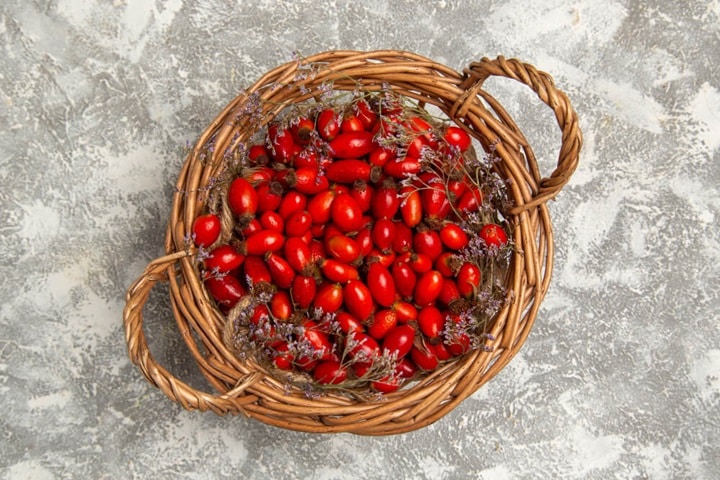
Rose hips are a versatile ingredient in the kitchen, lending their unique flavour and nutritional value to various recipes. Here are some popular uses:
- Sweet Rose Hip Syrup
Rose hip syrup is a classic preparation, perfect for drizzling over pancakes or adding to drinks. Simply simmer the rose hips with sugar and water, strain, and bottle for a delightful sweet treat.
- Rose Hip Jelly
Rose hip jelly offers a tangy, fruity spread for toast or scones. After boiling the hips to extract their juice, combine it with sugar and pectin to create a smooth, jewel-toned preserve.
- Rose Hip Tea
Dried rose hips make a refreshing and health-boosting tea. Steep a handful of hips in boiling water for 10-15 minutes, strain, and enjoy a warming, vitamin-rich beverage.
- Rosehip Oxymel
This traditional preparation combines rose hips, honey, and vinegar for a tangy, immune-boosting tonic. Steep the ingredients together for a few weeks before straining and bottling.
- Rosehip Fruit Leathers
Rosehip fruit leathers are a healthy and portable snack. Puree cooked rose hips, spread the mixture on a baking sheet, and dry it in the oven or dehydrator to create a chewy, flavour-packed treat.
- Rose Hip Chutney
Rose hip chutney pairs beautifully with cheeses and cold meats. Combine chopped rose hips with onions, apples, vinegar, and spices, then simmer until thick and fragrant. The result is a sweet and tangy condiment.
- Rose Hip Vinegar
Infuse white wine vinegar with rose hips for a delicately flavoured vinegar. Simply add washed, dried rose hips to a bottle of vinegar, seal, and let it steep for a few weeks. Use in salad dressings or marinades for a unique twist.
- Rose Hip Wine
For those who enjoy home brewing, rose hip wine is a delightful option. Ferment rose hips with sugar, water, and yeast to create a light, fruity wine that’s perfect for sipping on a summer evening.
- Rose Hip Soup (Nyponsoppa)
A traditional Swedish dish, nyponsoppa is a creamy, sweet soup made from rose hips. Cook dried rose hips in water, puree them, and mix with sugar and a touch of cream for a comforting dessert or snack.
Non-Edible Uses: Rose Hips in Health, Beauty, and Crafting
Rose hips can also be used in a variety of non-edible ways, offering benefits for health, beauty, and creative projects:
Rose Hip Face Serum
Create a nourishing face serum by infusing rose hips in a carrier oil like jojoba or almond oil. Rich in antioxidants and essential fatty acids, this serum can help reduce fine lines and improve skin texture. Simply steep dried rose hips in the oil for a few weeks, then strain and bottle.
Rose Hip Bath Soak
For a luxurious and soothing bath, add dried rose hips to a muslin bag or sachet, and drop it into warm bathwater. The natural oils and antioxidants will help nourish your skin while you relax.
Rose Hip Potpourri
Combine dried rose hips with other fragrant botanicals like lavender, dried orange peel, and cinnamon sticks to create a beautiful and aromatic potpourri. Place the mixture in bowls or sachets to freshen up your home naturally.
These are just some of the many ways that you can make the most of the rose hips that grow on the rose bushes in your garden.
Further reading:
Learn more about roses with these guides –
FAQs
Are there any special considerations for growing roses for hips in a polytunnel?
Growing roses in a polytunnel can extend the growing season and protect the plants from harsh weather. However, ensure proper ventilation to prevent fungal diseases, and choose varieties known for producing large, vibrant hips.
Can rose hips be used in landscaping?
Yes, rose hips can enhance landscaping with their vibrant colours and ability to attract wildlife. They provide a natural, rustic aesthetic and can be used in hedgerows or as standalone ornamental features.
What are the health benefits of rose hips?
Rose hips are rich in vitamin C, antioxidants, and anti-inflammatory compounds. They support immune health, improve skin vitality, and may help reduce symptoms of arthritis and other inflammatory conditions. Regular consumption can contribute to overall well-being.
Sources
Lukas, E., (2024) How to Use Rosehip Oil on Your Skin, According to Experts. InStyle. [online] Available at: https://www.instyle.com/rosehip-oil-benefits-uses-5380029 [accessed 08/01/2025]