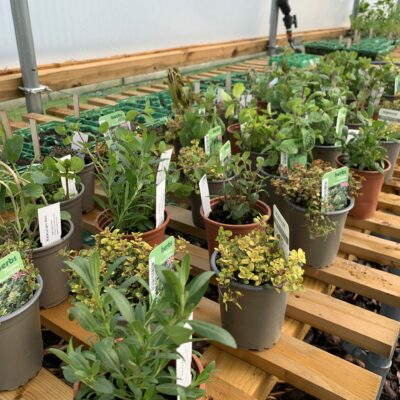


If you want more wildlife in your garden, the most important thing is to stop thinking of it as a tidy outdoor room and start seeing it as a living habitat. Animals arrive where their basic needs are met – food, water, shelter, and safety. Plant that habitat and they will come.
Gardens, even small ones, can play a vital role in supporting wildlife. Across much of the UK, natural habitats have been fragmented, and gardens now form an important network of refuges for mammals, birds, insects, amphibians, and reptiles. With thoughtful choices, you can create a garden that attracts animals naturally, amd helps the wildlife in your area.
This guide explores which garden mammals you might see, how to attract animals to your garden in practical ways, and how to balance wildlife-friendly gardening with protecting your plants. I’ll also look specifically at how to attract foxes responsibly, as this is an area that often raises questions.
Key Takeaways
- Wildlife-friendly gardens focus on food, water, shelter, and safe access
- Many common garden mammals already live nearby and only need the right conditions to visit
- Native planting and reduced tidying are some of the most effective changes you can make
- Foxes can be attracted unintentionally through shelter and food sources
- A balanced garden supports animals while still protecting productive growing areas
Natural Garden Mammals
Many people are surprised by how many mammals already live close by. Even in towns and suburbs, gardens can be visited by a wide range of animals, particularly at night.
Some of the most common garden mammals in the UK include:
- Hedgehogs, which forage for beetles, worms, and slugs
- Foxes, highly adaptable omnivores that move through urban and rural gardens
- Badgers, mainly in rural or edge-of-town locations
- Grey squirrels, common where trees are present
- Red squirrels, our native squirrels, under threat from the greys, present in some regions
- Wood mice and field mice, often unseen but widespread
- Voles, particularly near rough grass or hedges
- Rabbits, nibbling on grass and other plants
- Hares, passing through rural gardens near to open farmland areas
- Stoats, weasels, polecats and pinemartens, passing through rural gardens in some areas
- Bats, which use gardens as feeding grounds rather than living spaces
Not every garden will attract all of these animals, but many are far closer than you might think. Small changes such as leaving gaps in fences or reducing lawn mowing can dramatically increase wildlife visits within a year.
UK gardens collectively cover more land than all national nature reserves combined, making them crucial for wildlife connectivity.
How To Attract Animals To Your Garden
Attracting animals is not about luring them in with artificial feeding alone. Long-term success comes from creating a stable, natural environment that animals choose to use.
Provide Natural Food Sources
The most sustainable way to attract animals to your garden is by planting for biodiversity rather than focusing on artificial feeding.
When a garden produces food naturally, it supports wildlife in a way that is healthier, more balanced, and far more resilient over time. Animals are drawn to places where food is reliable and varied, and plants form the foundation of that system.
Trees, shrubs, and herbaceous plants all play a role. Trees provide blossom, fruit, seeds, and shelter, while shrubs offer berries, nuts, and dense cover. Herbaceous plants fill in the gaps, supplying nectar, pollen, foliage, and seeds throughout the growing season.
Native species are particularly valuable because local wildlife has evolved alongside them and is better adapted to using them efficiently. However, a diverse mix that includes well-chosen non-native plants can also contribute positively, especially where they extend flowering or fruiting seasons.
Fruit-bearing shrubs such as currants, hawthorn, and elder support birds and mammals, while seed-producing plants feed small mammals directly and support insects that larger animals rely on.
Nectar-rich flowers attract pollinators, which in turn draw insect-eating mammals such as hedgehogs, bats, and small mustelids.
Leaving fallen fruit beneath trees can benefit foxes, badgers, and rodents, particularly in autumn when natural food sources are shifting.
I deliberately avoid over-tidying in my own garden. Seed heads left standing through winter provide food for small mammals and birds, while leaf litter creates a rich habitat for beetles, worms, and other invertebrates.
Decaying wood, whether in log piles or allowed to break down naturally, supports fungi and insects that form the base of a healthy food web.
A garden that looks slightly messy is often far more alive than one that is kept immaculate.
Add Water, Even in Small Spaces
Water is often overlooked, yet it is one of the strongest and most reliable attractants for animals. Even where food is abundant, a lack of accessible water can limit how wildlife uses a space. Providing water is particularly important during dry spells, hot summers, and freezing winters.
A shallow pond, a simple dish, or a wildlife-friendly water feature can make a remarkable difference. Even small gardens can accommodate a water source, and I have seen hedgehogs, foxes, birds, and insects all regularly visit the same shallow bowl. What matters most is consistency rather than size.
Access is crucial. Sloping sides, stones, or shallow edges allow smaller animals to drink safely and escape easily if they fall in. Water should be kept clean and topped up regularly. In summer, I refresh water daily to prevent stagnation, and in winter I check frequently to ensure it has not frozen solid.
Over time, water sources become hubs of activity, drawing animals into the garden and encouraging them to return again and again.
Creating Habitat
Providing food and water will attract animals, but creating habitat is what encourages them to stay. Animals need places where they can rest, hide, move safely, and raise young, and gardens that offer a range of habitats are far more valuable than those that are open and exposed.
Dense planting is one of the simplest and most effective ways to create habitat. Hedges, shrubs, and layered planting give animals cover from predators and human disturbance. Mixed hedges, in particular, offer year-round shelter as well as nesting sites, berries, and insects. Where space allows, allowing shrubs to grow naturally rather than keeping them tightly clipped increases their wildlife value significantly.
Deadwood is another essential habitat feature. Log piles, stacked branches, and decaying stumps provide shelter for insects, amphibians, and small mammals, which in turn support larger predators. I often place log piles in shaded, undisturbed corners, where they can slowly break down and become part of the soil ecosystem. Brushwood piles made from prunings serve a similar purpose and are especially valuable in winter.
Long grass and wild areas also play an important role. Allowing parts of the garden to grow longer creates nesting and foraging spaces for small mammals and insects. Even narrow strips of unmown grass can function as wildlife corridors, helping animals move through the garden with a sense of safety.
Compost heaps are among the most underrated wildlife habitats. They provide warmth, food, and shelter, particularly in colder months. I regularly find evidence of mice, beetles, slow worms, and occasionally hedgehogs using compost areas. Keeping at least part of the heap undisturbed allows wildlife to benefit without compromising compost quality.
Finally, access matters. Gardens are most valuable to wildlife when they are connected. Leaving small gaps at the base of fences or hedges allows animals such as hedgehogs, frogs, and small mammals to move freely between gardens. Over time, these connections create networks of habitat across neighbourhoods, turning individual gardens into parts of a much larger living landscape.
Rethink Lawn and Garden Management
Perfectly manicured lawns are wildlife deserts.
Allowing areas of grass to grow longer encourages insects and small mammals. Leaving some areas unmown, or mowing less frequently, creates a more complex habitat structure.
Reducing or eliminating chemical use is also crucial. Pesticides and herbicides disrupt food chains and can directly harm animals.
Balance Wildlife and Food Growing
Attracting animals does not mean sacrificing your vegetable patch entirely.
In my own garden, I use physical barriers, thoughtful planting, and timing rather than deterrents. Separating wildlife-friendly areas from intensive growing zones helps reduce conflict.
Protective structures, raised beds, and covered growing spaces can all help maintain balance.
Using durable materials such as polytunnel covers allows food to be grown successfully while still welcoming wildlife elsewhere in the garden.
How To Attract Foxes To Your Garden
Foxes are one of the most talked-about garden mammals in the UK. Highly intelligent and adaptable, they are often already present in the wider area.
Foxes are attracted primarily by three things: food availability, shelter, and quiet access routes.
They will investigate gardens where fallen fruit, compost heaps, or accessible pet food is present. Dense planting, overgrown corners, or spaces beneath sheds provide resting places during the day.
However, attracting foxes should always be considered carefully. While they are a natural part of the ecosystem, they can dig, scavenge, and mark territory.
If you want foxes to pass through rather than settle, focus on creating a wildlife-friendly garden without deliberately feeding them. This supports natural behaviour and reduces dependency.
If fox activity becomes problematic, it’s important to respond thoughtfully. Physical barriers, secure composting, and protective planting can reduce damage without excluding wildlife entirely. For practical solutions, this guide on how to stop foxes digging in your garden offers useful advice.
Foxes are territorial and usually pass through multiple gardens rather than living in one permanently.
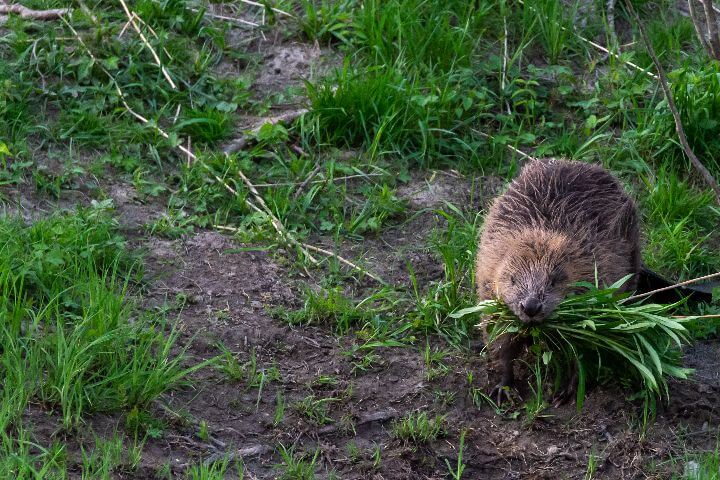
Encouraging Mammals Responsibly
Attracting animals should always prioritise their welfare.
Avoid feeding inappropriate foods or creating artificial dependency. Natural food webs are more resilient and healthier in the long term.
Be mindful of pets, particularly cats and dogs, which can discourage wildlife or cause harm. Providing dense cover and escape routes helps smaller animals feel safer.
Lighting also matters. Bright garden lighting disrupts nocturnal mammals and bats. I keep lighting minimal and motion-sensitive, preserving dark corridors wherever possible.
Seasonal Considerations
Different times of year bring different opportunities to support wildlife.
In spring, nesting and breeding take priority. Avoid disturbing hedges and dense vegetation during this time.
Summer is about water and shade. Autumn offers opportunities to leave seed heads, fruit, and leaf litter. Winter is when shelter becomes most important.
By adjusting your gardening approach through the seasons, you support animals year-round rather than only during peak growing months.
Gardening With Wildlife, Not Against It
One of the most important mindset shifts is learning to tolerate some mess and imperfection.
Holes in lawns, nibbled plants, or scattered leaves are signs of life. In my experience, the joy of watching animals move naturally through a garden far outweighs minor damage.
Gardens that welcome wildlife tend to become more resilient over time. Natural predators help control pests, soil improves, and ecosystems balance themselves.
Supporting Wildlife-Friendly Growing
Creating a garden that attracts animals does not mean giving up on productivity. Thoughtful design allows wildlife and food growing to coexist.
Protected growing spaces like polytunnels make a significant difference, especially when balancing wildlife activity with vegetable production. Using robust structures and high-quality coverings helps protect crops while allowing the rest of the garden to remain open and natural.
Products designed for long-term durability and adaptability make it easier to maintain this balance. Well-maintained growing areas free you to dedicate more space to habitat creation elsewhere, supporting a healthier, more wildlife-rich garden overall.
Attracting animals to your garden is about working with nature rather than controlling it. By providing food, water, shelter, and safe access, you create a space where wildlife can thrive naturally. Over time, these small changes add up, turning gardens into vital refuges that support biodiversity while enriching everyday life.