

If you grow your own, you may well already have grown some brassica plants in your garden. But have you ever considered saving seeds from these plants?
If you would like to save seeds from brassica plants, there are a few key things that you need to know. And there is a specific process that you will need to follow to get viable seeds to sow. However, if you want to take your gardening to the next level, this could be an interesting new thing to try.
What are Brassica Plants?
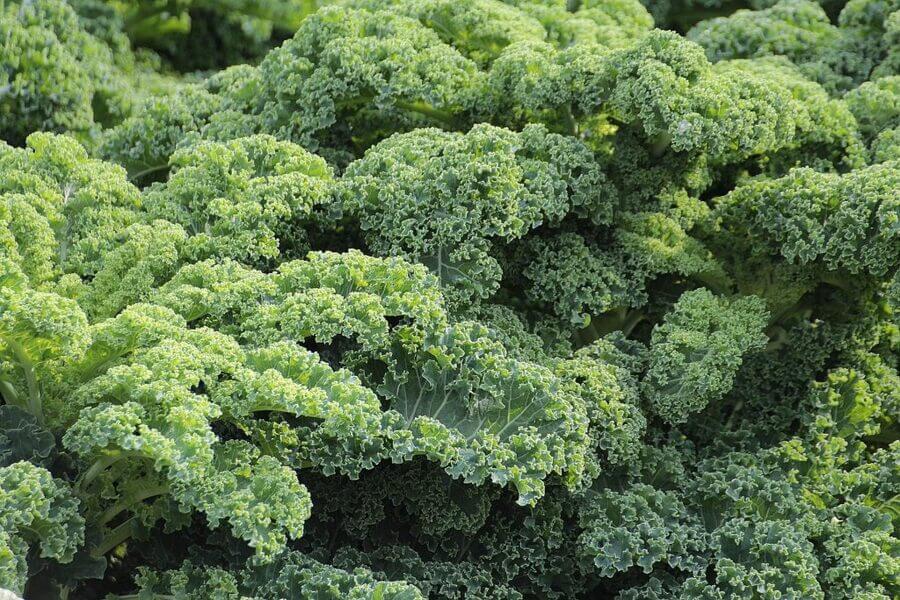
When we talk about Brassicas or Brassica plants, we are talking about members of the cabbage family, and other plants within the Brassicaceae plant family.
Whether you know them as brassica plants or not, if you grow your own you may well be growing one or more of their number, since brassicas are among the most common crops to grow in the UK.
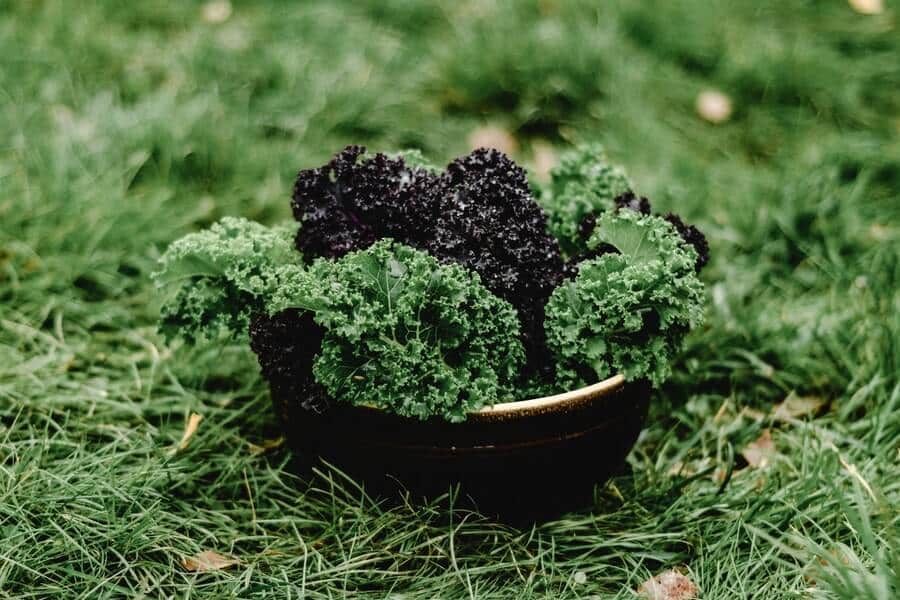
When people talk about brassicas they are referring to such plants as cabbage, kale, broccoli, cauliflower, kohlrabi, Asian cabbages etc…These related plants within the cabbage family can all be great choices for UK gardens.
Often grown as annuals, this plant family also includes plants which are perennial, which will produce a yield not only over a single season, but for a number of years to come.
Why Save Seeds from Brassicas?
Saving seeds is a wonderful idea in any garden. Taking responsibility for propagating your own plants, rather than buying seeds each year, is a way to reduce costs, and to make your growing efforts even more sustainable and eco-friendly.
If you save seeds from brassicas in the right way, then you will not have to shell out on new seeds each year when growing annual types.
Sowing seeds from plants growing in your garden can also be a great idea because over time, you can breed plants that are even better suited to the specific growing conditions where you live.
Even when growing perennial types, seed saving can be a good idea, because even perennial types will tend to be at full productivity only for a few years. So when you let one flower and save the seeds, you can have younger plants to replace them.
Saving seeds from brassicas can also provide you with an abundance of seeds that you can grow not only into full-sized plants, but also as sprouted seeds or micro-greens. These are packed with nutrients and great for our health – and you can grow them indoors on a sunny windowsill all year round.
By saving the seeds from heritage plants, you can also play a role in helping preserve genetic diversity, and since these plants produce a prodigious quality of seeds, you should have plenty of share around with family, friends, neighbours, and other gardeners in your wider community.
Sharing seeds with those in your area can be a great way to give back as a gardener. You can produce a lot of brassica seed, and those seeds represent a lot of food not only for yourself and your own family, but also for other growers in your area.
Saving seeds is one way to take things into your own hands, boosting food security and the resilience of your community. So why not take steps to stop seed companies from their profiteering and non-eco-friendly ways and try saving seeds from brassica plants in your garden. You might be amazed by just how many seeds you can obtain freely from your own efforts where you live.
Which Brassica Plants Should You Save Seeds From?
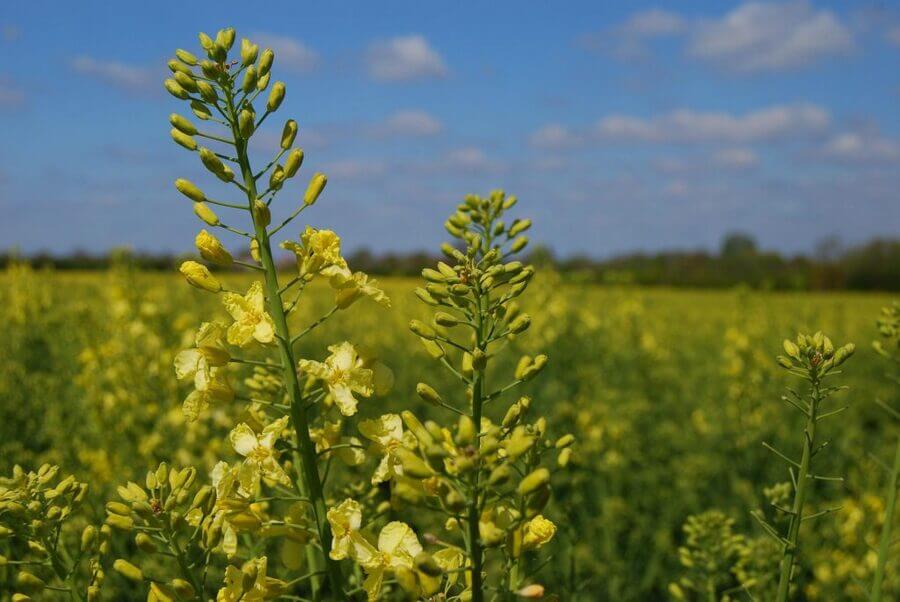
As mentioned, there are plenty of plants within this plant family from which you might save seeds. But it is important only to save seeds from particularly healthy and productive plants.
Avoid collecting seeds from any plants that don’t seem to thrive, or which seem unhealthy, and select only the biggest, healthiest examples to obtain the best seeds.
Remember, also that you will only be able to obtain seeds from open-pollinated, heritage varieties, not from F1 hybrids, which won’t come true from seed.
It is important to decide early on which plant you will collect seed from, since these are the plants that you will allow to flower.
It is important to have around 20 plants at least from which to collect the seed, to preserve genetic diversity. The more the better. Brassica plants won’t be of great quality if the genetic pool for seed collection was too small.
This might sound like a lot of plants, and you might be reluctant to devote this much space to growing plants for seed production.
But remember, with many types of brassica plants, you will be able to obtain a harvest before collecting the seeds, and so will derive a lot of food before the seeds mature. So the space these require won’t be wasted at all.
But make sure these plants are all of the same specific type. Brassicas all cross easily with one another. So if you want to collect seeds from one type, you need to make sure that no flowers are allowed to form on other plants in the same family.
When To Harvest Brassica Seeds
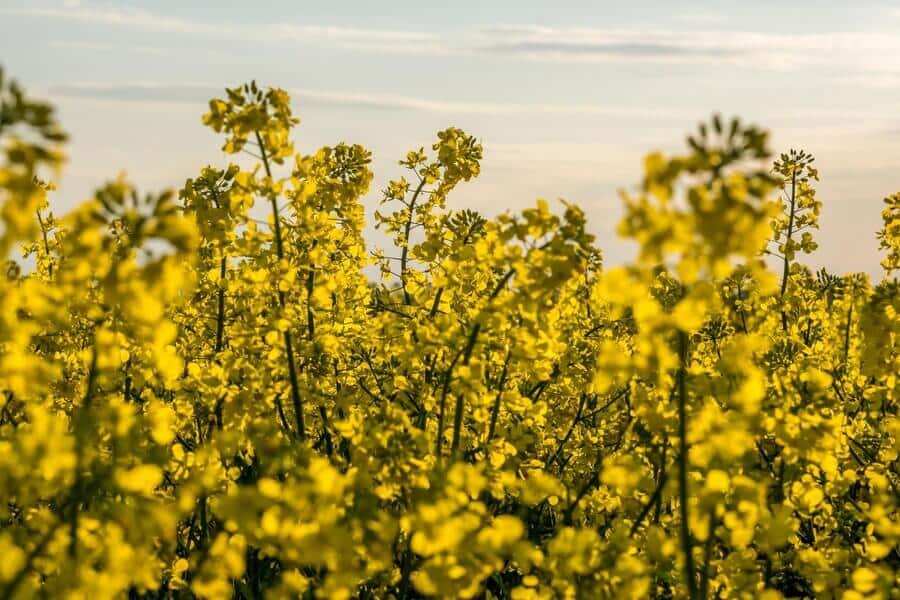
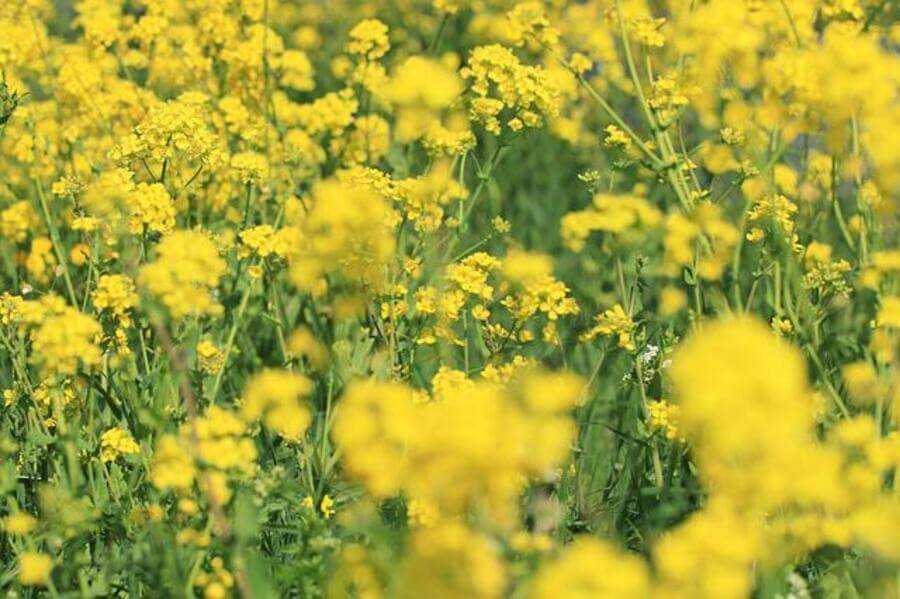
Brassica seeds develop after flowering within thin green pods. These seeds will start out green and will be brown when fully matured. This is the case for all the plants in this plant family.
Deciding precisely when to harvest brassica seeds can be one of the most challenging steps in the process. When collecting your own brassicas seeds, you need to remain vigilant, and use your observational skills to collect seeds at the right time.
If you try to collect the seeds too early, these will not have matured to the stage where they are viable. But leave it too late and the pods will burst open and you will lose your seeds all over the ground.
Every so often, pluck a pod from a plant from which you would like to collect the seed so that you can get a look at the seeds within. Pictures here show you what the seeds look like at different stages. It is best to harvest the pods when the seeds within the pod are just beginning to go brown.
How to Save Seeds From Brassica Plants
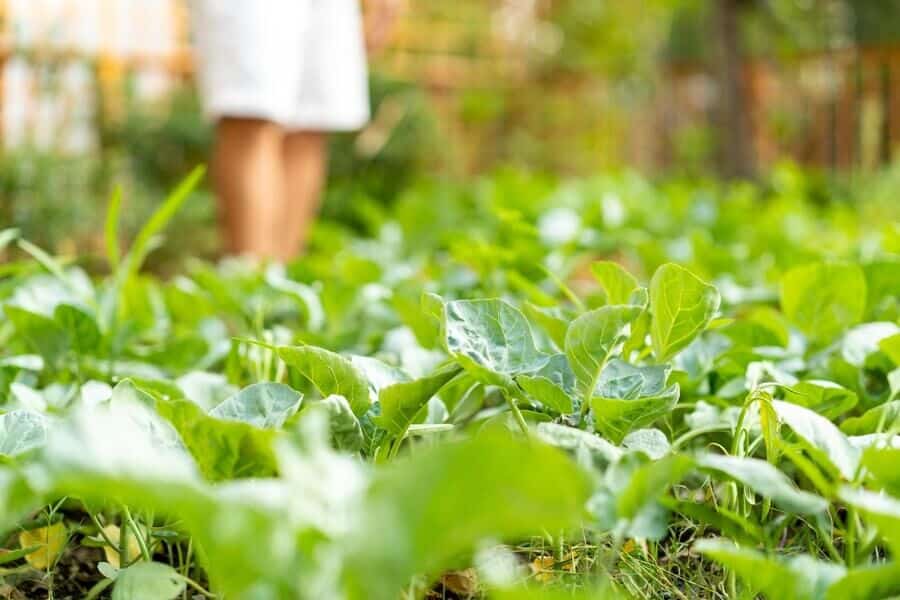
To harvest the seeds:
- Cut off the whole stems and leave these somewhere to dry, either lying on an old sheet or some cardboard somewhere airy and dry, or hanging with bags below to collect any seeds as they dry and fall from the pods.
- Once they are dry, either trample on them, or rub them between your hands to break them up. You will be left with mix of seeds and dry broken pieces of pod.
- Transfer these to a container, and shake that container. The seeds within the mix will mostly drop to the bottom of the container, leaving stem sections and pods at the top.
- Pick off the majority of the pod sections, to leave the seeds with just a bit of chaff behind.
- You can get rid of the remaining bits of pod and stem from around the seeds using a process known as winnowing. This involves gently pouring the seeds and chaff from one container into another in a breeze, letting the bits you don’t want blow away.
- However, if you prefer, you can also simply use a soil riddle or sieve to separate the seeds from any other small bits of plant material.
How To Store Brassica Seeds
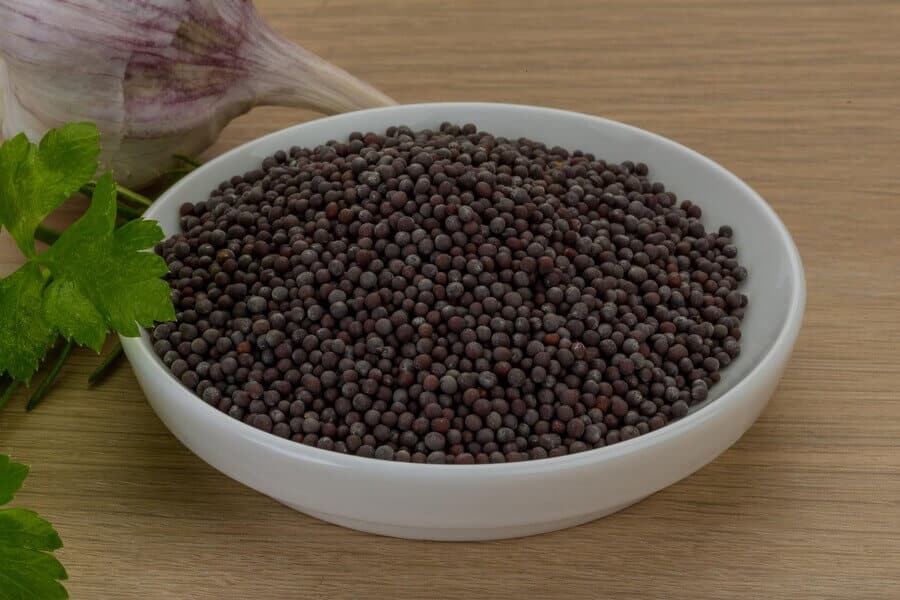
Once you have undertaken the process above, seeds still need to dry out some more before they can be stored. Drying out seed entirely is important to maintain viability and to make sure that the seeds are still healthy when we want to sow them.
The best way to dry out your seeds is to place them in a large jar half full with rice.
The rice is thoroughly dried by baking it in the oven for around 45 minutes. After baking it to make sure it is bone dry, while it is still hot, place it into the jar, filling it around half full and screwing on the lid.
Wait until the rice has thoroughly cooled, then place the seeds in a small, natural mesh bag (or a section of some old tights fastened with a rubber band) in with the rice. Screw the lid back on tightly.
If you leave the seeds in with this dry rice for a couple of weeks, the moisture will be drawn from the seeds into the rice.
Once you have done this, your seed can be stored. It should be placed into an airtight container and will keep for at least 2-3 years in a reasonably cool and dark space – perhaps even longer.
You might not use all the seeds yourself. But remember, you can share with others in your community and perhaps swap some brassica seeds for some seeds from a different crop that someone else has collected. Cooperative gardening is a great way to go.
References:
https://www.realseeds.co.uk/brassicaseedprocessing.html
https://www.realseeds.co.uk/winnowing.html