

A tapestry of colour in your garden begins with thoughtful perennial planting. Unlike annuals, perennials return year after year, offering both continuity and seasonal surprises.
By prioritising UK-native plant species, you not only secure reliable garden displays but also nurture local wildlife—pollinators, birds and beneficial invertebrates—that depend on these indigenous blooms.
This guide will take you through everything you need to know about selecting and growing perennial plants and flowers to deliver colour in every season, whether you are growing in or around your polytunnel, or in another part of your garden.
What Are Perennial Plants?
Perennial plants are herbaceous or woody plants and flowers that live for more than two years, dying back to ground level (in the case of herbaceous types) or retaining structure (as shrubs and subshrubs) through winter.
Unlike tender bedding annuals, perennial plants invest in root development and woody tissues, enabling them to establish deep energy reserves. This resilience translates into earlier, more vigorous flowering in subsequent seasons, provided they are sited and cared for appropriately.
Choosing Perennial Flowers
When selecting perennial plants for a colourful garden, consider these factors:
- Site Conditions: Note soil type, moisture levels and sun exposure. Many natives prefer well-drained loams and at least partial sun, but a surprising number tolerate shade or damp soils.
- Height and Habit: Aim for layered planting, with taller spires at the back or centre, mid-height fillers and groundcover at the front. A height range of 20 cm to 120 cm will give your borders structure.
- Flowering Season: Compose a succession of blooms from early spring through to winter interest. This ensures your garden never feels empty.
- Wildlife Value: Choose species that provide nectar, pollen or berries for insects and birds. Native plants often outperform exotics in sustaining local ecosystems.
- Maintenance Needs: While many natives are low-maintenance, some benefit from staking, division or deadheading to prolong flowering and prevent self-seeding in unwanted areas.
Best Perennial Plants for Blooms in Spring
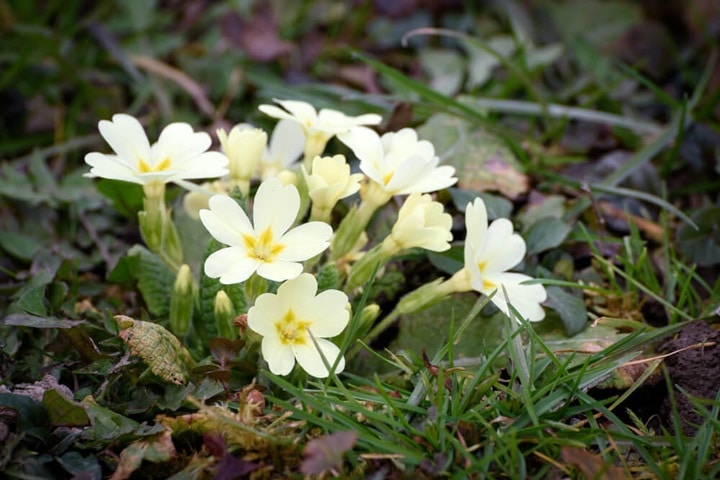
Spring-flowering perennials are the heralds of the season, offering early nectar and pollen to emerging pollinators and setting the stage for the vibrant months ahead.
Here are some of the finest options to sow, plant or naturalise in your borders or patio containers this spring.
- Primula vulgaris (Primrose): Perhaps the most loved of our spring gems, the wild primrose carpets woodland edges and border fronts in shades of butter-yellow, pale cream and soft pink. Preferring partial shade and moist, humus-rich soil, it thrives beneath deciduous trees or against the protective backdrop of a north-facing wall. Scatter seed in autumn or plant plugs in early spring and water regularly during dry spells. As an early pollen source for queen bumblebees, primroses are invaluable to garden ecosystems.
- Primula veris (Cowslip): With nodding clusters of apricot-yellow bells, the cowslip evokes pastoral meadows and cottage-garden charm. It flourishes in free-draining lime-rich soils and sunlit positions. Sow seed in late summer into tunnels or cold frames, pricking out seedlings in spring for planting out. Clumps will expand slowly, rewarding gardeners with a cheery tapestry of blooms that bees eagerly visit.
- Aquilegia vulgaris (Columbine): Columbine’s airy umbels of spurred flowers appear in late spring, offering pastel hues from soft blue to cream and rose. Tolerant of light shade, this self-seeding perennial demands little attention beyond occasional deadheading to curb reseeding. Its ferny foliage and quaint blossoms suit naturalistic schemes and woodland borders.
- Geranium pratense (Meadow Cranesbill): Tall, unassuming yet elegant, meadow cranesbill bears starry blooms of lilac or white atop delicate foliage from mid to late spring. Perfect for mixing with tulips and daffodils in larger containers or herbaceous borders, it relishes moist loams and full sun to part shade. Bees flock to its open petals for easy-foraging.
- Hepatica nobilis (Liverleaf): A woodland treasure, hepatica emerges with dainty blue, pink or white flowers that carpet the ground before trees fully leaf out. It thrives in humus-rich, well-drained soils under deciduous canopies. Although slow to spread, its charming blooms and attractive heart-shaped leaves make it a prized addition to shaded rockeries and pots.
Together, these spring perennials will fill your garden with soft colour and vital nectar just when our pollinators need it most. Their low-maintenance habits and ability to naturalise over time ensure a reliable display that will strengthen and expand with each passing season.
Best Perennial Plants for Blooms in Summer
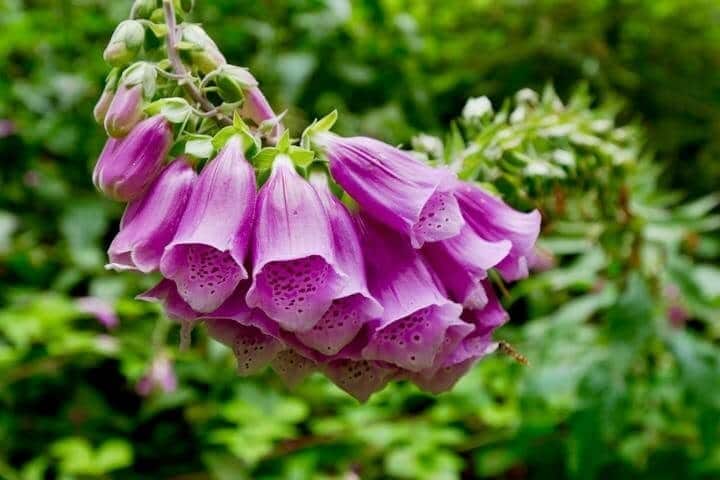
As spring pulses into summer, our borders and containers should transform into a riot of colour and form, delighting bees, butterflies and the gardener’s eye alike. Summer perennials provide the structural backbone and floral abundance needed during these long, bright days. By selecting native and well-adapted naturalised species, you can attract an array of pollinators while ensuring resilience through warm spells. Below are some of the most rewarding choices for sunlit borders and patio pots.
6. Digitalis purpurea (Foxglove): A bold choice with spires of bell-shaped blossoms in pink, cream and lavender. Best sown in autumn or spring in modules, foxgloves excel in dappled shade or partial sun and benefit from a mixture of compost and leaf mould. Bees, especially long-tongued bumblebees, love to explore the tubular flowers, carrying nectar and pollen deep within their furry bodies. After the main flower spike fades, cut back to ground level to encourage basal shoots and possible second blooms.
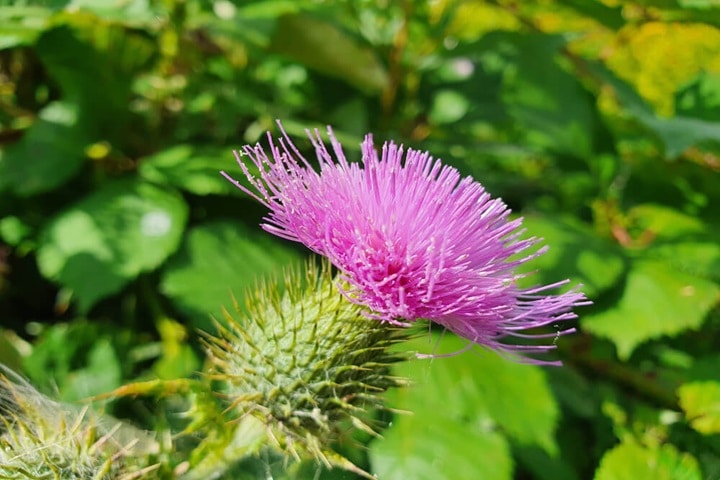
7. Centaurea nigra (Common Knapweed): A stalwart of meadows and verges, knapweed’s thistle-like purple heads are magnets for hoverflies, bumblebees and butterflies. Sow direct seed in spring or autumn into free-draining soil, thinning seedlings to 30cm. Its long flowering period—from early June to late August—makes it a dependable choice for adding vertical interest in naturalistic or wildlife-friendly plantings.
8. Leucanthemum vulgare (Oxeye Daisy): Nothing says summer quite like the classic oxeye daisy. Native, hardy and fuss-free, it thrives in poor to moderately fertile soils and full sun. Sow seed thinly onto the soil surface in spring, pressing in lightly. Clumps may need dividing every three to four years to maintain vigour. The open-faced flowers provide bees with an easily accessible pollen source, and the foliage serves as a host for beneficial insects.
9. Silene dioica (Red Campion): Bearing rich pink blossoms from May through July, red campion performs well in partial shade and semi-shaded borders. Sow in modules or direct sow in autumn; seedlings planted out in spring will thrive with minimal care. This wildflower is excellent for underplanting shrubs or naturalising at the base of hedges, offering continuous pollen for hoverflies and solitary bees.
10. Succisa pratensis (Devil’s-bit Scabious): With pincushion heads of delicately veined blue-mauve, devil’s-bit scabious flowers from midsummer into early autumn. Preferring heavier, moisture-retentive soils, it brings late-season nectar to pollinators preparing for autumn. Sow seed in autumn into a cold frame or in spring in situ, and thin to 40cm on establishment.
11. Campanula lactiflora (Milky Bellflower): This elegant bellflower produces clusters of starry white blooms from June to August. Adaptable to clay or loam soils and enjoying full sun to partial shade, campanulas can be grown in larger containers with support provided by stakes. Bees adore the open bells, while the foliage forms a neat basal clump during winter dormancy.
Best Perennial Plants for Blooms in Autumn
Autumn gardens possess a magic all their own: cooler light, mellow hues and the last lingering forages for bees and butterflies. A well-chosen selection of autumn-flowering perennials can extend your garden’s colour chart into October and beyond, providing vital late-season nectar and visual drama. Here are some of the most dependable native and naturalised stalwarts to usher in the russet tones of autumn.
12. Aster amellus (Corn Aster): Dainty daisy-like flowers in shades of lilac, mauve and white beam cheerily from August through October. Corn asters thrive in well-drained loams and full sun, although they tolerate light shade. Sow seed in spring under cover, pricking out seedlings for planting out at 30cm intervals once frost risk has passed. The profusion of small heads is a magnet for late bumblebees and hoverflies seeking the last sweetness of the season.
13. Solidago virgaurea (Goldenrod): Fluffy panicles of golden blooms brighten borders from late summer to early autumn. Goldenrod prefers sunny spots and well-drained soil but adapts to a range of conditions. Sow seed in modules during spring or autumn sowings; maintain moisture until established. Aside from its value to pollinators, it provides architectural height and complements reds and purples in mixed borders.
14. Eupatorium cannabinum (Hemp Agrimony): This tall herb bears clusters of mauve-pink blooms from late July through September. It performs best in fertile, damp soils but will adapt to average garden ground. Sow seed in spring modules, planting out at 50cm spacings. Its flowers are a late-season feast for bees, butterflies and other insects, while its upright habit adds vertical interest to back borders.
15. Sedum telephium (Orpine): Star-shaped heads of pinks and coppery tones appear in late summer and deepen into autumn, beloved by bees and hoverflies. Extremely drought-tolerant, sedum flourishes in lean soils and full sun. Divide clumps every four to five years in spring or autumn to maintain vigour.
16. Epilobium hirsutum (Great Willowherb): Also known as hairy willowherb, this tall perennial bears rose-pink flowers from midsummer to early autumn. It favours damp soils and partial shade, making it suitable for pots near water features or in cooler corners. Bees and butterflies forage on its open petals, while the fluff from spent seed pods adds seasonal interest.
17. Dipsacus fullonum (Common Teasel): Spikey, architectural heads of purple blooms crown towering stems from August to October. Native teasels thrive in poor, well-drained soils and attract bees, wasps and hoverflies to their nectar-rich bracts. Cut back old stems after Christmas to reveal stately skeletons and encourage new shoots.
Best Perennial Plants for Blooms in Winter
Winter may seem an unlikely season for perennial plants, yet with careful planting, your borders and containers can offer colour, scent and vital nectar from December through to early spring. Did you know you can grow vegetables in Winter too? Hardy perennials and evergreen shrubs form the backbone of a wintry display, supporting early-emerging bumblebees and providing visual interest when most of the garden lies dormant.
18. Helleborus foetidus (Stinking Hellebore): One of the few perennial plants to bloom in midwinter, this native hellebore displays clusters of pale green, bell-shaped flowers from December to February. It thrives in humus-rich, well-drained woodland soils and partial shade. Plant in pots lined with leaf mould to mimic its natural habitat and protect from waterlogging.
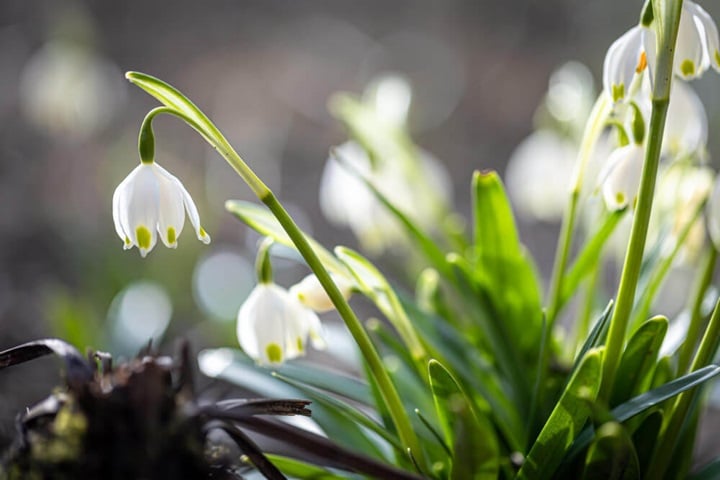
19. Galanthus nivalis (Snowdrop): Nothing signals true winter with more delicacy than a nodding snowdrop. These tiny white bells, often blooming through frost and snow, prefer humus-rich soil and a light dappled canopy. Plant bulbs in clusters of fifty or more in autumn for a naturalised effect. They are a crucial early nectar source for queen bees.
20. Erica carnea (Winter Heath): From December to March, winter heath carpets pots and rockeries with pink, lavender or white bells. Preferring well-drained, mildly acidic compost, it thrives in open sun or light shade. Its long flowering period and tolerance for container culture make it a star in winter patios.
21. Hedera helix (Ivy): While often overlooked, ivy’s greenish blooms appear in late autumn and provide nectar when few other sources remain. Plant a compact, variegated ivy in a pot against a south-facing wall to shelter pollinating flies and early queen bees in mild spells.
22. Viburnum tinus (Laurustinus): Clusters of white buds opening to fragrant pink-tinted blooms from January through March. Hardy and evergreen, laurustinus can be kept compact in a large container through annual pruning. Bees will forage on its nectar-rich flowers in milder winter days.
Learn about dividing perennials.
FAQs
Can I grow perennials in pots?
Absolutely. Choose large pots (at least 30 cm diameter) for deeper-rooted species. Use a free-draining, nutrient-rich compost and refresh the top layer annually. Many natives, such as primrose and foxglove, adapt well to container culture.
Do perennials need pruning or cutting back?
After flowering, deadhead spent blooms to encourage further flowering or tidy seed heads. In late autumn or early spring, cut back herbaceous growth to soil level to make way for fresh shoots. Some species, like digitalis, benefit from selective division every three to four years.
Are perennials good for pollinators?
Undoubtedly. Perennial flowers provide stable, longterm resources for bees, butterflies and other insects. Native species, in particular, often host specialist pollinators and beneficial predators, enriching your garden’s ecosystem year after year.
Sources