


Perennial plants are important in sustainable garden design, offering reliable and beautiful displays year after year. However, over time, many perennials can become crowded, lose vigour, or produce fewer flowers.
A simple and effective way to rejuvenate these plants and maintain their health is by lifting and dividing them. This process helps stimulate new growth and, of course, gives you new plants too. This is an often very easy method of propagation that all gardeners should know.
Quick facts
- Purpose: Rejuvenate aging perennials, increase flowering, and create new plants.
- Best Time to Divide: Early spring or fall, depending on the plant.
- Tools Needed: Spade, garden fork, sharp knife, or garden shears.
- Frequency: Divide every 3 to 5 years, depending on the plant type.
Suitable for:
Lifting and dividing are suitable for most herbaceous perennials—plants that die back to the ground each year and return the following season.
While many perennials appreciate division, it’s important to note that not all do. Plants such as peonies or plants with taproots (like Baptisia), for example, generally do not tolerate division well and may take years to recover.
How to Lift and Divide Perennials
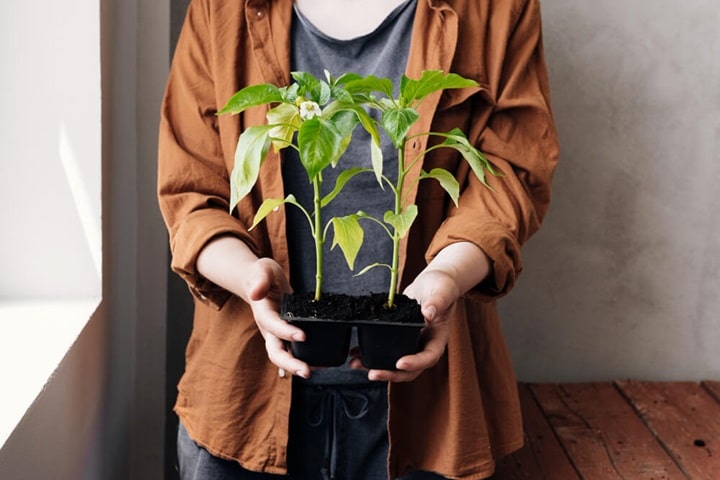
Lifting and dividing perennials is a straightforward process but requires some care to ensure the plants are not damaged. Here’s a step-by-step guide:
- Prepare the Area: Before starting, ensure that you have prepared the new planting areas or pots where the divided plants will go. Have tools such as a garden fork, spade, and sharp knife or shears at hand. Water the plants a day or two before lifting to make them easier to handle and reduce stress on the root system.
- Dig Up the Plant: Using a garden fork or spade, dig around the base of the plant, starting at least a few inches away from the crown to avoid damaging the roots. Gently lift the plant from the ground, shaking off excess soil to expose the root system.
- Inspect the Plant: Once lifted, inspect the roots and stems. Look for any dead, damaged, or diseased sections that should be removed. Healthy divisions will have firm roots and multiple growing points (shoots or buds).
- Separate the Plant: Depending on the plant type, you can divide it in a few different ways:
- Hand Separation: For plants with looser, fleshy roots like hostas or daylilies, gently pull the clump apart by hand, ensuring each division has a good portion of roots and at least one shoot.
- Using Tools: For tougher-rooted plants like irises or ornamental grasses, you may need to use a sharp knife, spade, or two garden forks inserted back-to-back to pry the plant apart. Aim to create healthy divisions with ample root mass.
- Breaking into Sections: For larger plants, break the clump into sections containing three to five shoots. This will give each division a strong start in its new location.
- Trim the Foliage (If Necessary): For some perennials, especially those being divided in the fall, it’s beneficial to trim back the foliage by half to reduce stress on the roots and encourage new growth. This is particularly helpful for plants like daylilies or irises.
Replant or Pot Up: After dividing, immediately replant the new sections at the same depth they were growing before. If you’re potting up the divisions, use fresh, well-draining potting mix. Water thoroughly to settle the soil around the roots.
When to Divide Perennials
The timing for lifting and dividing perennials depends on the specific plant and the season. However, most plants benefit from being divided either in early spring or fall. Here’s a general guide on when to divide:
- Spring Divisions: Divide perennials in the spring just as new growth begins to emerge. This timing is ideal for fall-blooming perennials like asters, sedum, and ornamental grasses, as it gives the plant time to recover and establish roots before summer heat sets in.
- Fall Divisions: For summer-blooming plants like irises, daylilies, and hostas, division in the fall works best. Early fall is ideal because the soil is still warm, encouraging root growth before the cold weather sets in. Dividing in the fall also ensures strong plants by spring.
- Avoid Dividing While in Bloom: Avoid dividing plants while they are actively blooming, as this can stress the plant and hinder recovery. If you need to divide a flowering plant, consider cutting back the flowers to allow the plant to focus on root development.
How to Divide New Plants
When dividing newly purchased or young perennials, the process is similar but may require gentler handling. Here’s how to approach dividing new plants:
- Check Root Health: If you’ve bought a perennial in a container and it looks pot-bound, it might benefit from immediate division. Gently tip the plant out of the container and inspect the roots.
- Make Small Divisions: If the plant is young or its root system is not well established, avoid making too many divisions. Instead, create just two or three smaller sections, each with a healthy root system.
- Plant Immediately: Replant the divisions in well-prepared garden beds or containers and water them thoroughly. Young plants tend to establish quickly, but it’s still essential to provide regular care, especially in their first season.
Further Tips on How to Divide Perennials
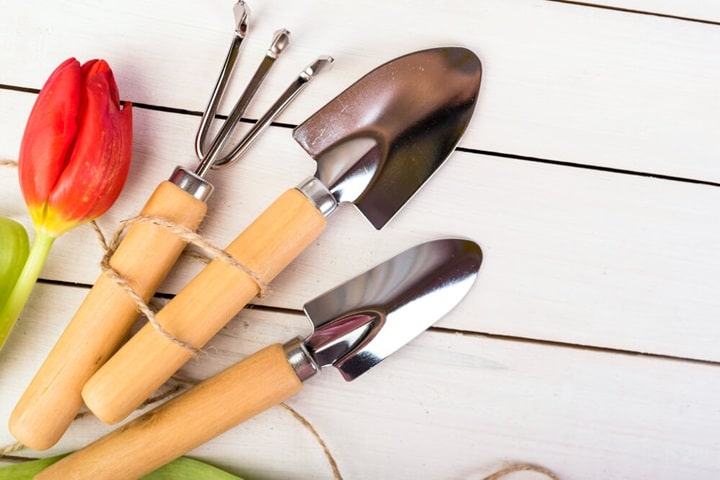
- Use Sharp Tools: A sharp spade, knife, or garden fork makes dividing much easier and prevents damage to the roots.
- Water the Plant Before and After: Water the plant well a day or two before lifting it to soften the soil and reduce stress. After division, water the new sections thoroughly to help them establish.
- Mulch for Protection: After replanting, apply a layer of mulch around the base of the plant. This helps retain moisture, suppress weeds, and protect the roots as they establish.
- Fertilize Lightly: After division, apply a light, balanced fertilizer to encourage new root and shoot growth. Avoid heavy fertilizing, which can stress the newly divided plants.
- Monitor for Stress: Newly divided plants may take a few weeks to settle in and may show signs of stress, such as wilting. Keep the soil moist and provide some shade if necessary until they recover.
Aftercare
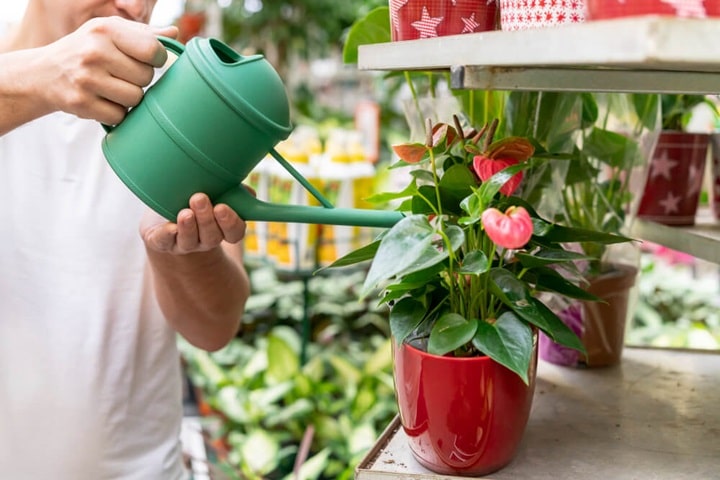
After dividing your perennials, proper aftercare is essential to ensure that the new plants establish well and thrive:
- Water Regularly: Keep the newly divided plants consistently moist, especially during dry spells. Be careful not to overwater, as soggy conditions can lead to root rot.
- Shade if Necessary: If you’ve divided your plants in the spring or during a particularly hot period, consider providing temporary shade using garden fabric or shade cloth to protect the plants from harsh sunlight.
- Monitor Growth: Keep an eye on the divisions over the following weeks. If any sections fail to thrive, consider removing them or replanting in a different location.
- Expect Recovery Time: Divided perennials may not flower heavily the first year after division as they focus on establishing their roots. By the following season, they should return to full strength with improved growth and flowering.
Perennials That Require Different Methods
How to Divide Daylilies
Daylilies are robust perennials with large, fibrous root systems, making their dense network of tubers and roots difficult to divide. A helpful technique is to insert two garden forks back to back into the centre of the clump and then push them outward to split the root mass in half.
After breaking the clump in two, you can further separate the halves by hand or with tools to create as many divisions as needed.
Lifting and dividing perennials is an easy and effective way to keep your garden plants healthy and thriving. But remember, different plants may require different methods for division.
- Crocosmia and Dierama
Crocosmia plants develop from corms beneath the soil, which function similarly to bulbs. Each year, the plant expands both underground and above, producing new corms. This leads to the gradual growth of a clump of Crocosmia over time.
However, as more corms form, the plants can become overcrowded, which may result in fewer or no blooms. To keep the plants thriving and to create new ones, it’s beneficial to lift and divide them. This process helps rejuvenate older clumps and encourages better flowering.
It’s recommended to divide the plants every 3 to 5 years to maintain their health. The ideal time for this task is in the spring, around March or early April, when the corms are dormant.
Dierama, also known as angel’s fishing rod, also grows from corms and can benefit from division, much like Crocosmia. Over time, Dierama can also form large clumps that may become congested, leading to fewer flowers and a decline in plant vigour. Dividing Dierama helps, as above, to rejuvenate the plant and encourages more prolific blooms.
- Hostas
Cultivars with softer, fleshy roots are easiest to separate by gently teasing them apart with your hands or by using two hand tools placed back-to-back to pry them apart. For Hostas with denser, fibrous roots, a sharp spade can be used to cut through the clump, dividing it in half.
Larger clumps can be divided further into smaller sections, each containing around five or six shoots. These sections can then each be replanted, to the same depth, in new locations in your garden or elsewhere.
How to Divide Primroses
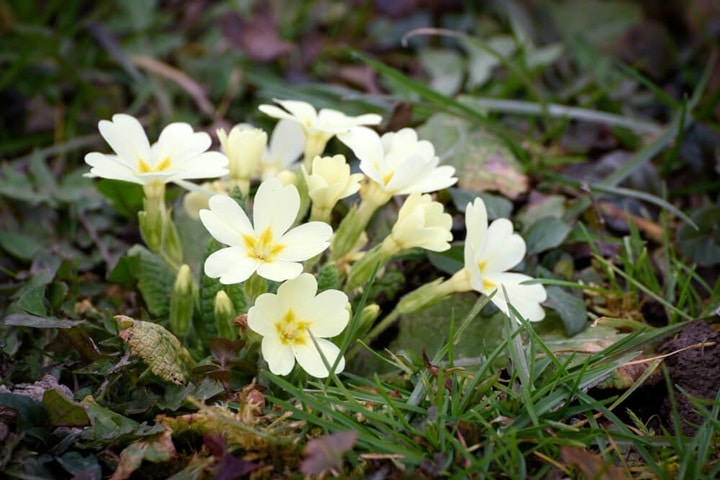
Dividing primroses is a simple process that helps rejuvenate the plant and promote healthy growth. The best time to divide primroses is after they finish flowering, usually in early spring or late summer.
Begin by carefully lifting the entire clump out of the ground using a spade or fork, taking care not to damage the roots. Gently separate the clump into smaller sections, ensuring each division has healthy roots and a few shoots.
Replant the divisions immediately in well-draining soil, keeping them well-watered. Dividing primroses every 2-3 years is a good idea.
How to Split Ornamental Grasses
Splitting ornamental grasses is an effective way to rejuvenate the plant and promote growth. The best time to divide them is in early spring before new growth starts.
Begin by cutting back the foliage to make handling easier. Dig up the entire clump using a spade or garden fork, ensuring you lift out the roots. Once out, use a sharp spade or knife to divide the clump into smaller sections, ensuring each piece has a healthy root system.
Replant the divisions immediately in well-draining soil, water thoroughly, and mulch around the base. Dividing every 3-5 years keeps ornamental grasses healthy.
Problems
Dividing perennials, while beneficial, can lead to several issues if not done properly. One common problem is transplant shock, where plants struggle to establish after division, leading to stunted growth or wilting.
Over-dividing or making divisions too small may weaken the plant, reducing its ability to recover. Poor timing, such as dividing during the wrong season, can also stress the plant, hindering its ability to root properly.
Improper watering—either too much or too little—can also result in root rot or dehydration. Careful handling and post-division care are important in order to avoid these potential problems.
FAQs
Is it okay to divide perennials in the summer?
It is not ideal to divide in summer – spring or autumn is generally best. However, some perennials are more tolerant and forgiving and you can get away with dividing during the summer, on a cooler day when the weather is not too dry.
How often should perennials be divided?
Perennials should usually be divided, depending on variety and situation, every 3-5 years.
What signs indicate that a perennial needs to be divided?
Signs that a perennial needs to be divided include reduced flowering, the centre of the plant becoming sparse or dying out (forming a “doughnut” shape), overcrowding, and slower overall growth. If the plant looks congested or is outgrowing its space, it’s likely time to divide it.
Sources
Aloi, P., (2024) 12 Cold Hardy Perennials That Prefer To Be Divided In Spring, Not Fall. House Digest. [online] Available at: https://www.housedigest.com/1572885/cold-hardy-perennial-plants-divide-spring-not-fall/ [accessed 28/10/2024]






