

Potassium keeps plants resilient, productive, and able to regulate water. It is especially important for flowering and fruiting plants. So when levels drop, this can cause a problem for your plants.
In this guide, you will learn more about potassium and plants. I will show you exactly what potassium does, how to recognise deficiencies, how plants absorb it, and the most effective ways I’ve raised potassium levels in my own garden.
Key Takeaways:
- Potassium improves water balance, strengthens tissues, and supports flowering, fruiting, and disease resistance.
- Fruiting and root crops remove large amounts of potassium from soil.
- Deficiency shows up as leaf-edge scorching, weak stems, low yields, and poor stress tolerance.
- You can raise levels using compost, organic matter, comfrey feed, and potash fertilisers.
- Soil testing prevents over-application and protects nutrient balance.
- What Does Potassium Do for Plants?
- About Fertilisers (Potash and Potassium Basics)
- Which Plants Benefit Most From Potash?
- When to Apply Potash
- How to Make a Potassium-Rich Comfrey Fertiliser
- How to Buy and Choose Potash for the Garden
- Potassium Uptake by Crops
- Potassium Removal by Crops
- Potassium Deficiency Symptoms
- Symptoms in Common Crops
- Potassium in Soil
- Potassium and Balanced Crop Nutrition
- Potassium Fertilisers
- Placement of Potassium Fertilisers
- Key Roles of Potassium in Growth
- Practical Tips for Raising Potassium Levels in Your Garden
What Does Potassium Do for Plants?
Why do plants need potassium? – the answer is relatively simple. Potassium (K) is one of the three major plant nutrients alongside nitrogen and phosphorus. It regulates water flow through plant cells, supports photosynthesis, helps build proteins, strengthens stems, improves fruit and root formation, and increases resistance to stress, pests, and disease.
When soil is short on potassium, plants struggle to move sugars and water efficiently, and this leads to weak growth, poor yield, and reduced resilience.
Top 5 Reasons Plants Need Potassium
Potassium and plants – what potassium offers for plants:
- Stronger stems and improved structural integrity
- Efficient water regulation and drought tolerance
- Better flowering and fruit production
- Improved disease and pest resistance
- Faster recovery from environmental stress
About Fertilisers (Potash and Potassium Basics)
Gardeners typically add potash, a potassium-rich fertiliser, to raise soil K levels. Potash simply refers to naturally occurring or processed potassium compounds used for plant feeding. Sulphate of potash is the most common garden-friendly form because it’s gentle and fast-acting; muriate of potash is stronger but more suitable for commercial use.
Wood ash contains potassium too, but it must be applied carefully in small amounts because it can raise soil pH quickly.
If you are gardening in raised garden beds, it is easier to control and adjust potassium content because the growing medium is contained and refreshed more regularly.
Which Plants Benefit Most From Potash?
Fruiting Crops
Crops like tomatoes, peppers, cucumbers, and squash depend heavily on potassium to form strong fruits and resist diseases like blight and mildew. Growing these crops in a mini polytunnel helps stabilise soil moisture, improving potassium uptake.
Root & Tuber Crops
Potatoes, beetroot, carrots, and onions produce bigger, firmer, longer-storing roots with sufficient potassium.
Flowering Plants & Ornamentals
Roses, dahlias, annuals, and perennials bloom more fully and develop stronger stems with added potash.
Fruit Trees & Soft Fruits
Apples, plums, raspberries, and strawberries rely on consistent potassium to form high-quality fruit and resist fungal infections. Fruit cages help protect these crops as they grow.
When to Apply Potash
Potassium is best applied in early spring to support seasonal growth, and again in early summer during fruit formation. Avoid applying to dry soil unless you water it in straight away. Containers and raised beds may need more frequent, smaller applications because potassium leaches faster.
- Seasonal Potash Guide
- Spring: Mix granular potash into soil before planting
- Summer: Apply liquid potash feeds for fruiting crops
- Autumn: Lightly replenish long-term beds to replace removed nutrients
How to Make a Potassium-Rich Comfrey Fertiliser
Why Comfrey Is High in Potassium
Comfrey leaves naturally accumulate high levels of potassium, making them ideal for homemade liquid feed – especially for tomatoes, potatoes, and fruiting plants. I use it every summer in my own polytunnel and elsewhere in my garden.
Step-by-Step Method
- Harvest comfrey leaves and pack them into a bucket or barrel.
- For a simple liquid feed, cover the leaves with water and steep for 3–4 weeks.
- For a concentrated extract, weigh leaves down without water and let them break down into a thick black liquid.
- Dilute 1:10 before watering plants.
- Use gloves – the smell is powerful.
Several other dynamic accumulator plants grown in the UK can help build potassium levels naturally.
Nettles are one of the most effective, accumulating significant amounts of potassium alongside nitrogen and trace minerals; a simple nettle tea makes a good all-round liquid feed.
Borage is another strong accumulator that draws potassium and calcium from deeper soil layers, and its spent foliage breaks down quickly in compost.
Yarrow also concentrates potassium and micronutrients, and adding its chopped leaves to compost heaps speeds decomposition while boosting the finished compost’s nutrient profile.
Seaweed isn’t a garden-grown plant but functions as one of the richest natural potassium sources available to UK gardeners; washed, chopped seaweed or dried seaweed meal provides a gentle, balanced mineral boost.
When these plants are used as mulch, in compost, or turned into liquid feeds, they offer reliable, organic alternatives to purchased potash fertilisers.
How to Buy and Choose Potash for the Garden
In many UK gardens, when it comes to potassium and plants, buying bagged potash isn’t always necessary. Most soils here, especially clay and loam, naturally hold good reserves of potassium because our underlying geology is relatively rich in K-bearing minerals.
Regular additions of compost, mulch, and manure usually supply enough potassium for the average fruit and vegetable patch. For this reason, I do not purchase potash at all.
If you do decide to buy potash, sulphate of potash (SOP) is normally the safest choice for home gardens because it’s gentle on plants and soil life. Stronger products, like muriate of potash, are more suitable for agriculture and can be harsh on sensitive crops. But before buying anything, it’s worth considering the many organic potassium-rich materials already available to most gardeners.
Well-rotted compost, leaf mould, seaweed meal, comfrey liquid feed, wood ash (used sparingly), and even garden waste mulches all release potassium gradually and help improve soil structure at the same time.
In my own garden, these slow, natural inputs have been enough to maintain good potassium levels year after year without buying bagged potash. For UK growers especially, the most cost-effective and sustainable strategy is usually to build organic matter first, test your soil periodically, and only bring in purchased potash when a clear deficiency is confirmed.
Potassium Uptake by Crops
Plants take up potassium through root hairs, and uptake increases when soil moisture is consistent and roots are healthy. Fruiting crops and root crops absorb the most potassium from the soil because they require large amounts to form fleshy tissues. Too much nitrogen can hinder potassium uptake by encouraging soft, sappy growth.
Potassium Removal by Crops
Every harvest removes potassium. Heavy-feeding crops like tomatoes, potatoes, squash, and brassicas deplete soil the fastest. If you grow these crops each year, you’ll need to replenish potassium with compost, mulches, or potash feeds.
Potassium Deficiency Symptoms
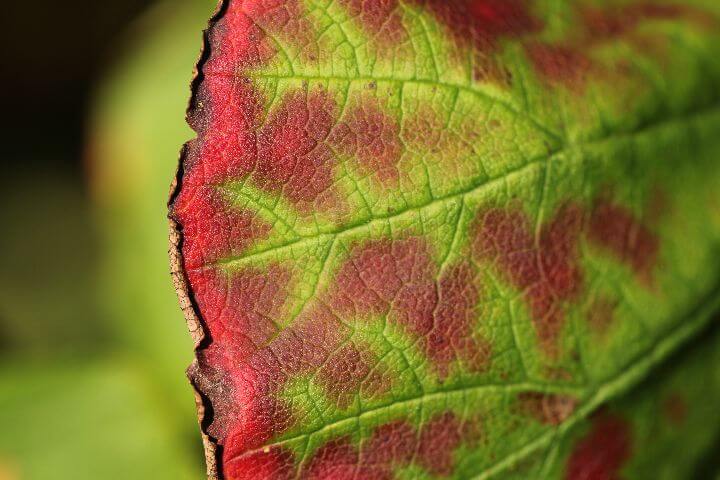
Potassium deficiency in plants typically appears as yellowing or scorching at leaf edges, weak stems, curling leaves, small or poor-quality fruit, and increased susceptibility to pests like aphids or diseases such as mildew. Growth slows, and plants lose turgor, making them wilt even when watered.
Symptoms in Common Crops
- Corn
- Leaf-edge scorching, weak stalks, uneven cob development.
- Soybeans
- Interveinal yellowing, small pods, reduced seed fill.
- Alfalfa
- Weak stems, purpling, slow regrowth after cutting.
- Cotton
- Leaf curling, poor boll formation, thin stems.
- Wheat
- Stunted growth, increased disease pressure, poor grain fill.
- Potatoes
- Small tubers, poor skin set, increased scab risk.
- Canola
- Pale leaves, slow seed development, low oil content.
- Rice
- Weak tillering, lodging, reduced grain quality.
- Apples
- Small fruit, poor colour, shorter storage life.
- Sugarbeets
- Reduced sugar concentration, stunted roots.
Potassium in Soil
Soil potassium exists in three forms:
Relatively Unavailable Potassium
Locked inside mineral structures and only released through long-term weathering.
Slowly Available Potassium
Held on clay particles and organic matter; released gradually over time.
Readily Available Potassium
Dissolved in soil water, this is what plants use. Availability depends on moisture and soil type. Sandy soils lose potassium fastest, while clay-rich soils hold onto it more effectively.
Potassium and Balanced Crop Nutrition
Too much nitrogen or phosphorus disrupts potassium uptake, causing deficiencies even when soil K is adequate. A balanced approach ensures stronger cell walls, better fruiting, and greater disease resistance.
Potassium Fertilisers
Common options include sulphate of potash, muriate of potash, wood ash, and organic matter. Soluble fertilisers act quickly, while organic sources slowly build soil structure and nutrient reserves.
Placement of Potassium Fertilisers
Banding, side-dressing, and top-dressing all work depending on the crop. Root vegetables respond well to banding, while perennials benefit from surface mulching.
Spreading potash across the soil is effective before planting. Incorporating it lightly reduces waste and improves distribution.
Key Roles of Potassium in Growth
Protein Synthesis & Nitrogen Use
Potassium helps convert nitrogen into amino acids, improving overall vigour.
Turgor Pressure & Lodging Resistance
Plants maintain rigidity, reducing the risk of stems collapsing.
Water Balance & Drought Tolerance
Controls stomata opening and closing, helping plants survive drought.
Frost Tolerance
Improves cold resistance by strengthening cell walls.
Photosynthesis
Supports enzyme activity and gas exchange.
Transport of Water, Sugars & Nutrients
Essential for moving carbohydrates from leaves to fruits and roots.
Disease & Pest Resistance
Potassium-fed plants have tougher tissues and stronger natural defences.
Practical Tips for Raising Potassium Levels in Your Garden
Test soil before adding fertilisers, then use compost, comfrey feed, and mulches to replenish long-term reserves. Keep nitrogen moderate, rotate crops, and maintain even watering.
Potassium is essential for strong growth, good yields, and resilience. By understanding how plants use potassium and how soil stores it, you can build healthier, more productive beds.
FAQs
Which plants like potassium?
Fruiting, flowering, and root crops are the biggest potassium users.
What are the symptoms of too much potassium?
Symptoms of too much potassium, include leaf burn, nutrient imbalances, and reduced magnesium uptake.
What does potassium do to plants?
Potassium strengthens tissues, regulates water, boosts fruiting, and improves stress tolerance.
How to feed potassium to plants?
To feed potassium to plants, use sulphate of potash, comfrey feed, compost, or balanced fertilisers, depending on crop and soil test results.
Sources
New Findings Further the Study of Dynamic Accumulators. (2022). Cornell Small Farms Program. Retrieved from Cornell University Small Farms website: https://smallfarms.cornell.edu/2022/04/new-findings-further-the-study-of-dynamic-accumulators/