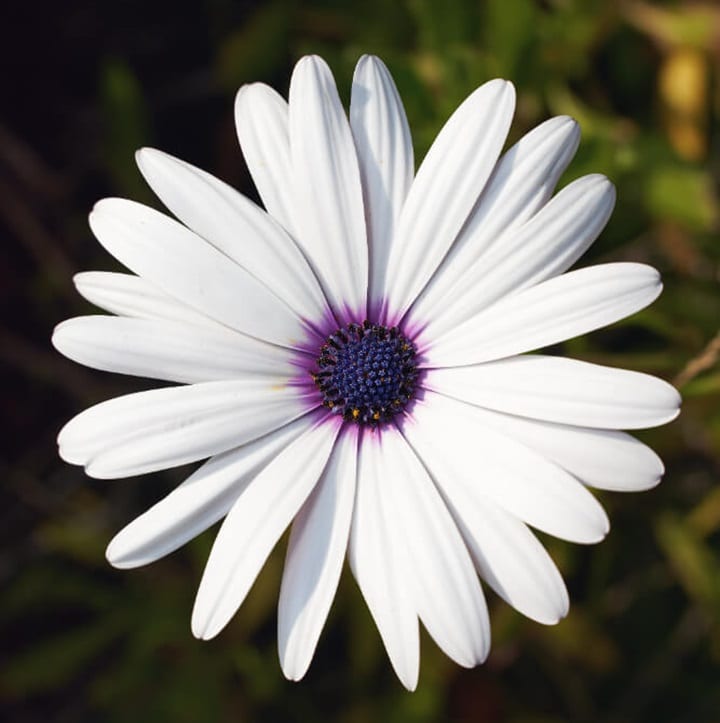
Osteospermum, often called the African daisy, is a vibrant and versatile plant that brings long-lasting colour to gardens throughout the warmer months.
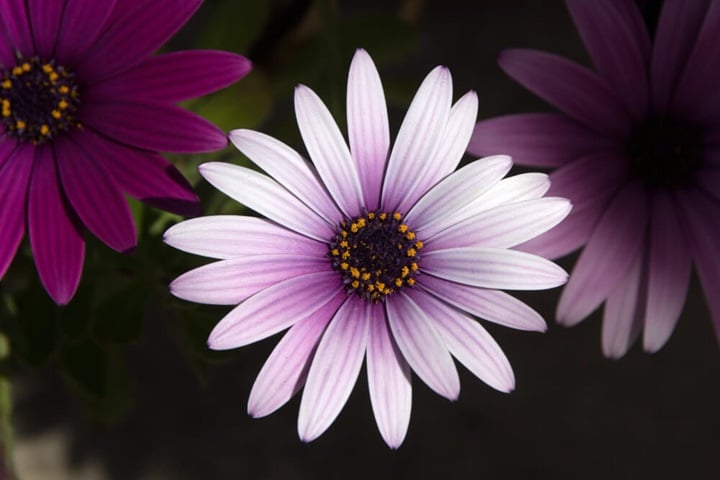
With its daisy-like blooms in shades of purple, pink, white, and yellow, it is a favourite among UK gardeners looking for a low-maintenance yet rewarding addition to their outdoor spaces.
Whether planted in borders, containers, or within the protected environment of a polytunnel, these sun-loving flowers thrive with a little care and attention.
Key points
- Scientific Name: Osteospermum spp.
- Common Names: African daisy, Cape daisy, South African daisy
- Plant Type: Tender perennial or annual (depending on variety and climate)
- Flowering Period: Late spring to early autumn
- Sunlight Requirements: Full sun
- Soil Type: Well-drained, moderately fertile soil
- Hardiness: Hardy in mild climates; protect in colder regions
- Uses: Borders, containers, rockeries, and polytunnels
Where To Plant Osteospermum
Osteospermum flourishes in a warm, sunny spot with well-drained soil. These plants originate from South Africa, so they prefer conditions that mimic their natural habitat – plenty of sunshine and soil that doesn’t hold onto too much moisture.
In heavy clay soils, amending with grit or organic matter can help improve drainage. While they are drought-tolerant once established, ensuring they have enough water as they settle in is key to strong growth.
In milder parts of the UK, perennial varieties may survive outdoors year-round with some winter protection.
In colder regions, a polytunnel or greenhouse can be invaluable, keeping these tender perennials safe from harsh frosts while allowing them to flower for longer. Containers work well too, as they can be moved to a sheltered spot when temperatures drop.
How To Plant Osteospermum
For those growing from seed, the best time to start is early spring. Sow indoors in trays or pots, keeping them at a steady temperature of around 18°C to encourage germination.
The seeds need light to sprout, so they should be pressed gently onto the soil rather than buried. Once the last frost has passed and seedlings have grown sturdy enough to handle, they can be moved into the garden.
Those who prefer instant impact may choose to plant nursery-bought Osteospermum straight into the ground or pots. Space them generously, allowing at least 30cm between plants to ensure good airflow and prevent diseases from taking hold.
A thorough watering after planting will help them settle in, though they won’t appreciate having wet feet for too long.
How To Propagate Osteospermum
Cuttings are the best way to create new plants from an existing favourite. Taking semi-ripe cuttings in late summer ensures a steady supply of fresh growth for the following year. A non-flowering shoot, around 7-10cm long, with lower leaves removed, can be placed into a pot of free-draining compost.
Keeping them in a warm but sheltered spot, such as a polytunnel or cold frame, encourages rooting. Once they have established themselves, they can be potted on and eventually planted out.
Propagation efforts are typically more successful within a polytunnel environment. Whether sowing seeds or rooting cuttings, the controlled conditions make for stronger, healthier young plants.
Dividing older, well-established plants in early spring is another reliable method. By carefully lifting the plant and teasing apart sections with strong roots, multiple new Osteospermum can be created from a single clump.
How To Care For Osteospermums
Despite their exotic appearance, these plants require little fuss. Regular watering helps young plants establish, but once settled, they can handle drier spells with ease. A fortnightly feed with a high-potash fertiliser, such as a diluted tomato feed, will encourage abundant blooms. Removing spent flowers—deadheading—is key to prolonging the flowering period, as it prevents the plant from directing energy into seed production.
In winter, tender varieties will struggle in prolonged frost. Mulching around the base of outdoor plants can offer some protection, but in colder parts of the UK, lifting and storing them in a greenhouse or polytunnel over winter is the best option.
Pruning
Pruning Osteospermum is a simple but effective way to encourage a bushier, healthier plant. Cutting back leggy growth in early spring helps maintain a compact shape.
Throughout the growing season, a little light pruning after flowering will keep the plant looking tidy and fresh. Overwintered plants can be trimmed in late winter before they begin their next burst of growth.
Harvesting
While primarily grown for their garden display, Osteospermum can also be cut for floral arrangements. Their bright, long-lasting blooms add a cheerful touch to indoor vases. For those who enjoy dried flowers, Osteospermum can be hung upside down in a dry, airy space to preserve their colour and shape.
Osteospermum: Problem Solving
Like all garden favourites, these plants have their fair share of potential issues. Aphids and whiteflies can sometimes make an unwelcome appearance, particularly on young plants.
A simple spray of soapy water or a gentle wipe with a damp cloth can help keep them at bay. Slugs and snails might take a liking to tender new growth, so using natural deterrents such as crushed eggshells or copper tape can help protect young plants.
One common frustration among gardeners is when Osteospermum refuses to flower. This is often down to overfeeding with nitrogen-rich fertilisers, which encourage leafy growth at the expense of blooms. A shift to a potassium-rich feed will usually help restore balance.
If leaves begin to yellow, it may be a sign of overwatering or poor drainage. Adjusting the watering routine and improving soil conditions can often resolve the issue before it becomes a serious problem.
Inside the protective warmth of the tunnel, Osteospermum can begin flowering earlier in the year and continue well into autumn, unaffected by unpredictable weather. The key is avoiding trouble is to maintain good ventilation to prevent fungal issues, particularly if humidity levels rise.
Great Osteospermum Varieties To Grow
Some varieties have been recognised by the Royal Horticultural Society (RHS) with the Award of Garden Merit (AGM), meaning they have been tested and proven to perform well in British gardens. Here are some excellent osteospermum varieties to consider growing:
Osteospermum jucundum
This hardy perennial is well-loved for its continuous flowering and resilience. It produces delicate, light purple-pink flowers with dark centres, contrasting beautifully with its slender, aromatic grey-green foliage. It can grow up to 45cm tall and spreads gradually, making it a great choice for borders or rock gardens.
Osteospermum ‘Hopleys’
A vigorous and spreading variety, ‘Hopleys’ is recognised for its stunning flowers, which feature soft purplish-pink petals fading to white at the base, surrounding a deep, dark centre. The blooms, which can reach up to 6cm across, continue from late spring into autumn, providing lasting colour in garden beds or containers.
Osteospermum ‘Buttermilk’
For a softer colour palette, ‘Buttermilk’ is a fantastic option. It displays creamy yellow flowers that bring warmth and elegance to planting schemes. Its compact, bushy growth habit makes it ideal for pots or the front of a mixed border, where it will continue flowering for much of the summer.
Osteospermum ‘Lady Leitrim’
This variety is prized for its pastel pink flowers, with a slightly darker shade on the undersides of the petals. ‘Lady Leitrim’ is a reliable performer, producing an abundance of blooms throughout the summer months. Its graceful, airy appearance makes it perfect for cottage-style gardens.
Osteospermum ‘Tresco Purple’
For those who love bold, vibrant colours, ‘Tresco Purple’ is an excellent choice. Its intense purple flowers make a striking statement in borders and pots alike. This variety is known for its strong growth and resilience, standing up well to the unpredictable British weather.
Osteospermum ‘Stardust’
With deep, blackberry-toned blooms, ‘Stardust’ is a beautiful choice for those who prefer richer hues in the garden. It offers a stunning contrast to lighter-coloured plants and provides a long-lasting display of colour.
When choosing an osteospermum variety, consider the overall look you want to achieve, as well as the growing conditions in your garden. Many of these AGM-winning varieties are robust and well-suited to the UK climate, especially with a little protection in winter.
Whether you’re growing them in a border, a container, or even inside a polytunnel for an extended season, these osteospermums will reward you with a spectacular display.
Osteospermum Companion Plants
Osteospermums are vibrant, sun-loving plants that pair beautifully with a variety of companions to create striking and harmonious garden displays. When choosing companion plants, it’s best to consider those that share similar growing conditions—well-drained soil and plenty of sunlight—while also complementing osteospermums’ daisy-like blooms.
Silver-leaved plants such as Lavandula (lavender) or Artemisia make excellent partners, as their soft, silvery foliage contrasts beautifully with the bold, colourful flowers of osteospermums. These plants also thrive in the same dry, sunny conditions and contribute to a Mediterranean-style planting scheme.
For a continuous floral display, osteospermums pair well with Erysimum (perennial wallflower), which produces long-lasting blooms in shades of purple, pink, and yellow. Similarly, Salvia nemorosa provides spikes of deep blue or violet flowers that complement the daisy-shaped blooms of osteospermum.
To create a relaxed, cottage-garden feel, consider combining osteospermums with Gaura lindheimeri, whose delicate, butterfly-like flowers add movement and lightness to a border. Nepeta (catmint) is another fantastic option, with its soft, billowing habit and lavender-blue flowers providing a gentle contrast to osteospermum’s structured, upright blooms.
For an eye-catching summer display, osteospermums also work well in container arrangements with trailing plants like Lobelia or Bacopa, which spill over the edges of pots, adding extra dimension. Their ability to thrive in pots also makes them well-suited to polytunnel growing, where they can be mixed with warm-climate plants such as pelargoniums and tender salvias for an extended flowering season.
Discover how to make your own cut flower gardens.
FAQs
Do Osteospermum make good cut flowers?
Osteospermums can be used in floral arrangements, but they are not the best choice for long-lasting cut flowers. Their blooms tend to close in low light, so unless they are placed in a bright spot indoors, they may not provide the visual impact of other cut flowers.
However, if picked in the morning when they are fully open and placed in water immediately, they can last a few days in a vase. For longer-lasting cut flowers with a similar daisy-like appearance, consider Gerbera daisies or Rudbeckia.
How long does osteospermum produce flowers in the garden?
Osteospermums have a long flowering season, typically blooming from late spring through to autumn, especially if regularly deadheaded. In mild climates, or with the protection of a polytunnel, they may even continue flowering into early winter.
Perennial varieties tend to have the longest blooming period, whereas some annual osteospermums may slow down towards the end of the summer. Keeping the plants well-fed with a high-potash fertiliser and ensuring they are not waterlogged will help extend their blooming period.
Is osteospermum toxic to animals or humans?
Osteospermums are generally considered non-toxic to humans and animals. They are safe to grow in gardens with pets and children, as there are no known toxic effects from ingestion. If you’re looking for pet-friendly plants, osteospermum is generally considered a safe and colourful choice for your garden.
Sources
SouthAfrica.co.za. (n.d.) Flowers of South Africa. [online] Available at: https://southafrica.co.za/flowers-plants.html [accessed 26/03/2025]