A Mediterranean garden is more than a visual theme – it is a centrepiece for a more sustainable way of life. It’s a celebration of texture, form, fragrance and a low-input, ecologically resonant way of gardening.
With increasing pressure to garden sustainably, many of us are looking to climates that have long coped with heat, drought, and limited water to inform our planting and design decisions.
The Mediterranean garden offers a beautiful blueprint for climate-conscious gardening—one that can work surprisingly well, even in cooler parts of the UK. However, it is best suited to city gardens, and more southerly areas, where increasing heat and drought is making gardening ever more challenging.
What Is A Mediterranean Garden?
A Mediterranean garden reflects the dry, sun-soaked landscapes of southern Europe and the broader Mediterranean basin, which includes parts of Italy, Greece, southern France, Spain, and North Africa. These gardens prioritise:
- Drought-tolerant plants with grey or silvery foliage
- Aromatic herbs and shrubs
- Gravel or stone mulch to retain soil moisture and reduce weeds
- Hard landscaping: terracotta pots, whitewashed walls, and natural stone
- Shade structures, pergolas, or trees to create respite from heat
- Textural contrast over high colour saturation
It’s a style as practical as it is beautiful—one that values low water use, simple lines, and resilience, yet delivers richly sensory spaces filled with fragrance and movement.
This style can also lend itself to the inside of a polytunnel – in a garden growing a wide range of Mediterranean vegetables, herbs, and flowers.
How Do You Recreate A Mediterranean Garden Design?
You don’t need to live in Provence or have acres of sun-baked hillside to adopt a Mediterranean feel. Even in the UK, a Mediterranean-style garden is achievable with a few thoughtful adjustments.
Start by choosing the right site—south or west-facing walls, sheltered courtyards, or urban gardens protected from cold winds can mimic the warm microclimates Mediterranean plants prefer. Emphasise structure over flowers, working with form, texture, and layers. Use hard landscaping that reflects Mediterranean materials: gravel, stone, reclaimed brick, or terracotta. Water features, while seemingly at odds with a drought-conscious aesthetic, are often used sparingly and meaningfully to create cool, reflective moments.
Above all, embrace simplicity. A restrained palette and thoughtful design help these gardens thrive—especially as the UK climate becomes warmer and more unpredictable.
How To Create A Mediterranean Garden In 10 Easy Steps
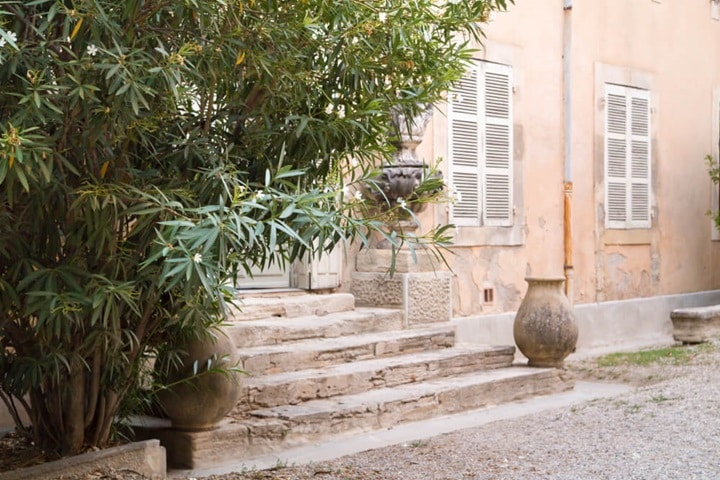
Dreaming of a sun-drenched courtyard filled with the scent of herbs and the gentle buzz of bees? A Mediterranean-style garden brings warmth, colour, and a relaxed atmosphere to even the most temperate of climates. Inspired by the gardens of southern Europe—from Italy to Greece, southern France to Spain—this style is perfect for drought-tolerant, wildlife-friendly, and low-maintenance planting.
Here’s how to create your own slice of the Med in 10 easy steps:
1. Choose a Sunny, Sheltered Site
Mediterranean plants thrive in warm, dry conditions and need plenty of direct sunlight. Ideally, select a south or west-facing spot that gets at least six hours of sun a day. If you have a wall or fence that catches and reflects warmth, use it—walls store solar heat during the day and release it at night, helping to create a microclimate that extends the growing season and protects tender plants.
If your garden is exposed to wind or cold drafts, consider planting evergreen hedges, erecting a pergola, or installing a trellis with climbers like trailing rosemary or trachelospermum to provide protection and structure.
2. Work with Gravel, Not Lawn
Grass needs regular watering and feeding—something Mediterranean gardens avoid. Instead, lay gravel, crushed stone, or decomposed granite paths and surfaces. These materials mimic arid-region landscapes and have multiple benefits: they improve drainage, suppress weeds, and reflect heat and light back onto plants.
Use gravel as mulch between plants to reduce evaporation and maintain soil temperature. Consider creating a central courtyard or sitting area surrounded by gravel beds filled with drought-tolerant perennials and herbs.
3. Use Terracotta and Natural Materials
Mediterranean design celebrates the natural textures of the earth. Incorporate terracotta pots, aged clay urns, limestone paving, timber pergolas, and rusted metal details to give your garden timeless appeal. These materials weather beautifully and suit a relaxed, rustic aesthetic.
Group containers of varying sizes and shapes filled with sun-loving herbs like oregano, thyme, and basil to soften patios and provide aroma near seating areas.
4. Add Raised Beds or Dry-Stone Walls
Mediterranean regions often have poor or rocky soil, so plants are traditionally raised in beds or terraces. Use dry-stone walls, rendered raised beds, or rock gardens to recreate the look and improve drainage. These features also add dimension and visual interest.
Bonus: Low walls can double as informal seating or edging. Consider building in a curved bench into a raised bed wall with some cushions in warm, earthy tones for comfort.
5. Plant in Drifts and Groupings
Rather than mixing lots of single plants, group Mediterranean favourites in informal drifts for a more natural look. Repetition is key to a cohesive design—repeat plants like lavender, salvia, cistus (rock rose), or perovskia (Russian sage) across the space.
Drifts help create a sense of flow and movement. Mix in ornamental grasses like Stipa tenuissima or Festuca glauca to add softness and motion.
6. Include Water Wisely
Water is scarce in Mediterranean climates, but it’s not absent. A single, well-placed water feature can create sound, movement, and a cooling atmosphere. Choose a stone basin, ceramic urn, rill, or wall-mounted spout. Keep it small, simple, and elegant to avoid waste and align with the understated feel of the design.
For eco-friendliness, use a solar-powered pump or recirculating system to limit water usage.
7. Incorporate Vertical Elements
Mediterranean gardens aren’t just horizontal—they rise vertically with cypress trees, pencil conifers, or trained olives that draw the eye upward. These elements add height, structure, and shelter from winds.
Pergolas, arbors, and trellises also introduce vertical interest while supporting climbers like wisteria, grapevine, or jasmine. They create shady spots and help define garden “rooms.”
8. Focus on Scent and Texture
Fragrance is a hallmark of Mediterranean planting. Use aromatic herbs and shrubs like rosemary, lavender, thyme, sage, and curry plant (Helichrysum italicum). These plants not only smell divine, especially in warm weather, but also offer a rich variety of silvery foliage, spiky textures, and soft, tactile leaves.
Position scented plants near paths, doorways, or seating areas so you can brush past them and release their oils.
9. Create Shady Refuges
Although sun is welcome, even Mediterranean climates need respite from heat. Design your garden to include dappled shade where you can relax or protect sensitive plants.
Use vine-covered pergolas, bay or olive trees, or a simple canvas sail stretched over a seating area. For a traditional touch, plant a fig tree—they love heat, offer cooling shade, and produce delicious fruit in the right conditions.
10. Use Colour Sparingly and Effectively
Mediterranean gardens tend to use a muted, earthy palette—think terracotta, ochre, sand, and stone—with pops of vibrant colour for drama. Use splashes of bougainvillea pink, verbascum yellow, or deep blue agapanthus as accents among the greens and greys.
Silvery plants like Artemisia, Santolina, and Eryngium reflect sunlight and balance bolder flowers. Stick to a few key colours and repeat them throughout the space to keep the look coherent.
A Mediterranean garden doesn’t require a Mediterranean climate—but it does demand thought, structure, and an appreciation for simplicity and natural beauty. Whether you’re transforming a courtyard, revamping a sunny border, or starting from scratch, these ten steps will help you build a garden that feels warm, inviting, and wonderfully low-maintenance all year round.
Learn about other garden ideas:
27 Key Plants for a Mediterranean Garden
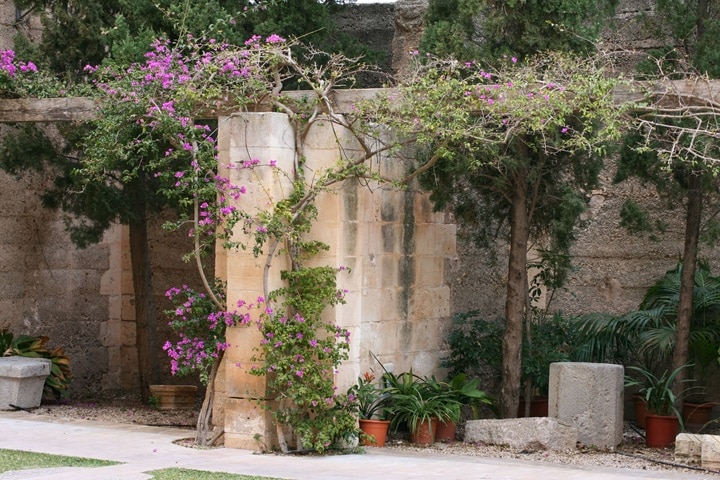
A successful Mediterranean garden starts with carefully chosen plants adapted to dry summers and mild, wet winters. Many also cope well in the UK if given the right shelter and drainage. These plants can help set the right tone, but remember that native trees, shrubs and herbaceous plants should form the backbone of any sustainable UK garden.
- Cypress Trees
Tall and narrow, cypress trees are the quintessential Mediterranean vertical accent. In the UK, they prefer a sunny, sheltered position and free-draining soil. Ideal for framing entrances or walkways.
- Olea Europaea – Olive Trees
Olives bring architectural form and silvery foliage. While they won’t always fruit reliably in the UK, especially in cooler regions, they can thrive in containers or warm, protected spots.
- Citrus Trees
Lemons, limes, and oranges lend instant Mediterranean flair. In the UK, these need to be grown in pots and overwintered indoors or in a conservatory or greenhouse. Their glossy leaves and sweet-scented flowers make them worth the effort.
- Bay Trees
Evergreen and aromatic, bay trees make excellent topiary and structure plants. Tolerant of some shade and cold, they are more robust than they appear.
- Palms – Trachycarpus Fortunei
This hardy palm adds drama and texture and is remarkably resilient to cold. Ideal for larger gardens, where it creates height and a true ‘holiday’ feel.
- Lavender
A Mediterranean staple that thrives in full sun with poor, well-drained soil. Its scent and colour attract pollinators and provide summer-long joy.
- Myrtle
Glossy green leaves, white summer flowers, and aromatic appeal make myrtle an underused gem. Best in warmer parts of the UK or with winter protection.
- Lambs ear
Velvety, silvery foliage that begs to be touched. Low-growing and drought-tolerant, it’s perfect for edging paths or borders.
- Phlomis russeliana
This bold perennial offers striking yellow flower whorls and architectural seed heads that persist into winter. Happy in dry soil and loved by insects.
- Cotton lavender
Compact and finely textured, this aromatic sub-shrub is excellent for edging. Its button-like yellow flowers are an added bonus.
- False dittany
Also called ‘burning bush’, this plant brings delicate pink blooms and aromatic leaves. Prefers full sun and well-drained soil.
- Silverbush
This low-growing evergreen shrub has silver leaves and trumpet-shaped white flowers. A drought-loving species that glows in sunlight.
- Curry plant
While not edible, its scent is instantly recognisable. Yellow flowers and silver foliage provide lasting structure and brightness.
- Hollyhock
These stately, tall perennials bring vertical interest and a romantic cottage feel that works surprisingly well in Mediterranean borders.
- Verbascum
Striking spires of yellow, purple, or white blooms over grey-green rosettes. Loved by bees and able to thrive in tough, dry spots.
- Rock rose
Low-growing, evergreen shrubs with papery blooms. Tolerant of wind and poor soil, ideal for coastal gardens.
- Globe thistle
A sculptural plant with steel-blue thistle heads and spiny leaves. Provides bold structure and is excellent for wildlife.
Of course, these are just some of the many plants that can find a place in a Mediterranean style UK garden.
Learn more about trees on our blog:
FAQs
How can I recreate a Mediterranean look in a colder UK climate?
Start with microclimates—choose sunny, sheltered spots next to walls or fences that retain heat. Use raised beds or gravel mulch to improve drainage and retain warmth. Focus on hardy Mediterranean plants like lavender, rosemary, and bay. Potted citrus or olives can be brought inside during the winter, while tender perennials can be protected with fleece or moved to a conservatory.
Does a Mediterranean garden require a lot of watering?
No—this is one of its key advantages. Mediterranean gardens are designed to thrive on minimal water, with drought-tolerant plants and mulched or gravelled surfaces to reduce evaporation. Once established, many plants can survive with little supplemental watering. Avoid over-watering, which can be more harmful than helpful.
Can I grow citrus trees in a Mediterranean garden in the UK?
Yes, but with care. Citrus trees should be grown in containers so they can be moved indoors or into a greenhouse over winter. They need bright light, good drainage, and regular feeding in the growing season. With the right care, they’ll provide glossy foliage, fragrant blossoms, and perhaps even fruit.
Sources
Keating, H., (2021) British trees and shrubs to plant: 14 native garden trees. Woodland Trust. [online] Available at: https://www.woodlandtrust.org.uk/blog/2021/11/british-trees-to-plant-in-your-garden/