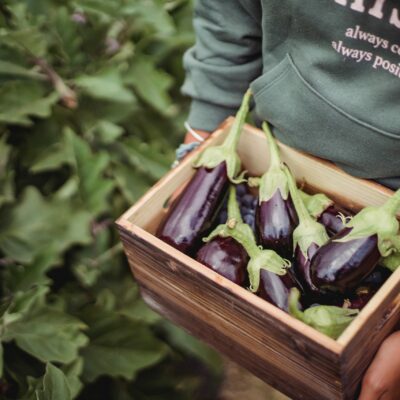
A mini orchard can enrich your garden, and your life. Even a small number of small trees can improve a garden. Even in a polytunnel, adding a few small trees can potentially be a wonderful thing to do. Creating a biodiverse, varied and productive mini food forest can be an even more amazing option for even small-space gardeners.
A mini orchard is a rewarding and sustainable addition to any garden. But how many trees make an orchard? Whether you plant a single tree or a collection, you will enjoy the benefits of fresh fruit, beautiful blooms, and increased wildlife.
How Many Trees Make An Orchard – What Is A Traditional Orchard?
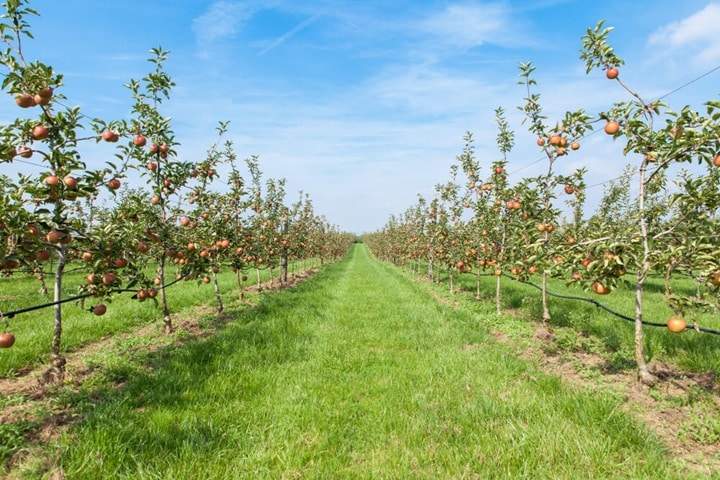
A traditional orchard is an area where fruit and nut trees have been grown. Traditionally, these crop tree species are set in rows amid grass or meadow planting. Under common guidelines, your traditional orchard should contain a minimum of five fruit trees that are no more than 20m apart between the edges of their crowns.
Historically, these orchards were common in rural areas, providing food and income for families and communities. Unlike modern commercial fruit production, which often relies on intensive monoculture, traditional orchards support greater biodiversity. They can be home to a range of wildlife, including pollinators, birds, and beneficial insects.
What Is The Traditional Orchard Inventory?
The Traditional Orchard Inventory refers to a mapping project that has identified and recorded traditional orchards across the UK. Various organisations, including the People’s Trust for Endangered Species (PTES), have worked to document these valuable habitats. The inventory highlights the distribution of orchards in different regions, helping to protect and conserve these important landscapes.
In England, the inventory has mapped thousands of traditional orchards, many of which are at risk due to development and changing land use. In Scotland, organisations such as the Orchard Revival Initiative have worked to restore lost orchards and encourage community involvement. Wales also has an extensive orchard map, with efforts focused on maintaining old orchards and reintroducing heritage fruit varieties. Northern Ireland’s orchard mapping projects aim to preserve local apple varieties and support biodiversity.
These maps help gardeners and conservationists understand the importance of traditional orchards and provide valuable information for those looking to plant or restore an orchard in their area.
Fruits To Grow In Your Mini Orchard
When contemplating how many trees make an orchard, and choosing fruit trees for your mini orchard, consider space, climate, and pollination requirements. Some great options for UK gardens include:
- Apples – ‘Egremont Russet’, ‘Discovery’, and ‘Cox’s Orange Pippin’ are excellent choices.
- Pears – ‘Conference’ and ‘Williams Bon Chrétien’ are reliable and delicious.
- Plums – ‘Victoria’ and ‘Opal’ are popular and productive.
- Cherries – ‘Stella’ (self-fertile) and ‘Morello’ (great for cooking) work well in smaller spaces.
- Figs – ‘Brown Turkey’ is a hardy variety that can be grown in pots or against a warm wall.
- Peaches and Nectarines – ‘Avalon Pride’ and ‘Lord Napier’ do well in sheltered spots or under cover.
- Quince – ‘Meeches Prolific’ produces fragrant fruit and is a wonderful addition to an orchard.
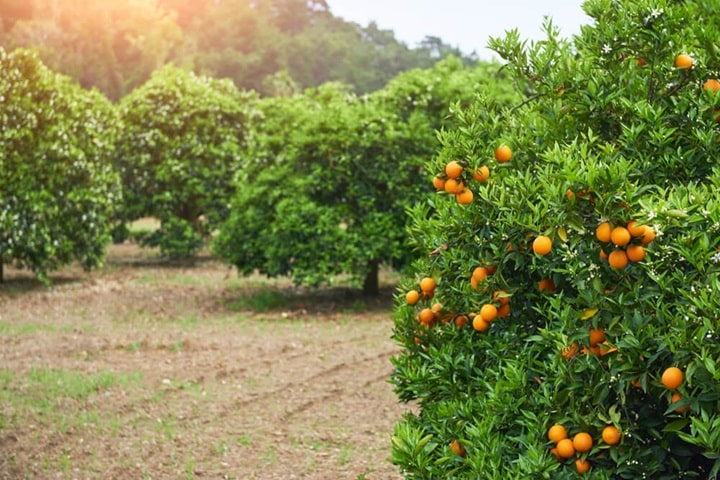
- Citrus Trees – Hardy citrus varieties like ‘Meyer Lemon’ and ‘Satsuma’ can be grown in pots and moved indoors in winter.
- Medlars – ‘Nottingham’ is a traditional variety that produces unique, tangy fruit.
- Mulberries – ‘King James I’ is an excellent choice for a long-lived, productive tree.
Dwarf and semi-dwarf varieties are particularly good for small gardens and containers. Some trees can also be trained as cordons, espaliers, or fans to save space while still producing plenty of fruit.
Mini Orchard Design
Designing a mini orchard requires thoughtful planning. Consider the following factors:
- Sunlight – Most fruit trees need at least six hours of sunlight per day.
- Soil – Well-draining, nutrient-rich soil is essential. Improve heavy clay or sandy soil with organic matter.
- Spacing – Dwarf trees can be planted 1-2 metres apart, while standard trees need more space.
- Pollination – Some trees are self-fertile, but others need a compatible variety nearby.
- Biodiversity – Underplant fruit trees with flowers, herbs, and other plants to attract pollinators and beneficial insects.
Incorporating permaculture principles, such as companion planting and natural pest control, can help create a resilient and productive orchard.
Fruit Tree Guilds: A Natural Approach
A fruit tree guild is a method of planting that mimics natural ecosystems, creating a self-sustaining, resilient growing environment. By surrounding fruit trees with a diverse mix of plants that support it as well as producing additional yields, you can naturally improve yields and decrease pests and other problems.
A well-designed guild includes:
- Nitrogen fixers (e.g., clover, peas, or beans) to enrich the soil.
- Dynamic accumulators (e.g., comfrey, yarrow) to draw nutrients from deep in the soil.
- Pollinator-friendly plants (e.g., lavender, thyme, borage) to attract bees and beneficial insects.
- Ground covers (e.g., strawberries, creeping thyme) to suppress weeds and retain moisture.
- Pest deterrents (e.g., garlic, chives, marigolds) to naturally repel harmful insects.
Food Forest: Forest Gardening
A mini orchard can evolve into a food forest, a diverse and self-sustaining system that mimics natural woodland ecosystems. By layering plants in different heights—trees, shrubs, vines, ground covers, and root crops—you maximise productivity while reducing maintenance.
- Over-story trees – Larger fruit or nut trees provide shade and structure.
- Understory trees – Dwarf fruit trees thrive beneath taller species.
- Shrubs – Berries like currants and gooseberries fill mid-level gaps.
- Herbaceous layer – Perennial vegetables and herbs like rhubarb, comfrey, and mint add variety.
- Ground cover – Plants like strawberries and creeping thyme help suppress weeds.
- Root crops – Onions, garlic, and other root vegetables provide an additional harvest.
By following food forest principles, your orchard can become a highly productive, low-maintenance system that supports wildlife and soil health while also providing a lot of food and other yields for you and your family.
How To Turn Your Garden Into An Orchard
Even a small garden can be transformed into a mini orchard with the right approach. Here are some creative ways to integrate fruit trees into your existing space:
- Space in the Border
Fruit trees can be incorporated into mixed borders with flowers, shrubs, and vegetables. Dwarf trees or columnar varieties work well in these settings, providing height and structure without taking up too much space.
Dwarf, shaped trees don’t take up much space at all. You might even choose cultivars that have multiple types grafted onto one root system – so you can in essence have two or even three fruit trees in the space of one – you’ll likely get less fruit overall, but can have more variety.
- Erect A Screen
Espaliered or fan-trained fruit trees can be grown against a fence or trellis, creating a productive and attractive screen. This is ideal for small gardens, allowing you to grow fruit in narrow spaces while maintaining an elegant, structured look.
- Wander Up the Garden Path
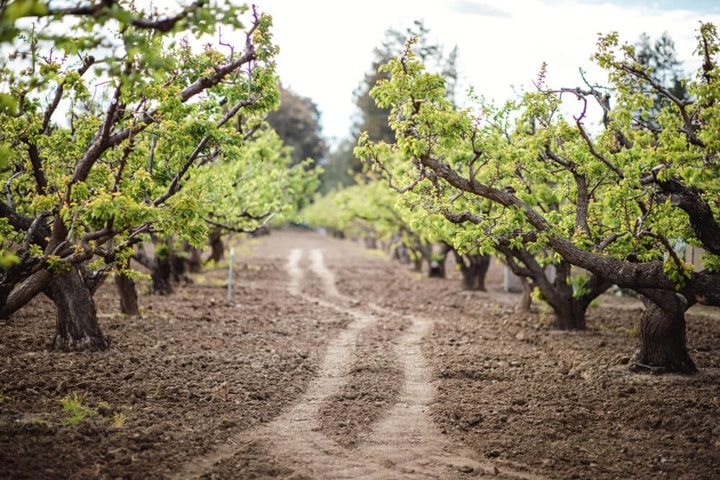
Planting fruit trees along a garden path can create a beautiful, immersive experience. Small trees can provide dappled shade and seasonal interest with blossoms in spring, lush foliage in summer, and fruit in autumn.
You might even consider step-over apple trees as path or bed edging. These low-growing forms allow you to make use of vertical space while keeping the trees manageable and productive.
- Against A Wall
South-facing walls provide warmth and protection, making them ideal for growing fruit trees like peaches, nectarines, and figs. Training trees against a wall can maximise space while improving yields by creating a favourable microclimate.
- Above The Fence
Pleached fruit trees are an excellent way to extend greenery and fruit production above an existing fence line. Pleaching involves training trees into a flat, interwoven framework, creating a natural living screen that adds privacy and structure to your garden. Apples, pears, and cherries are particularly well-suited to pleaching, and when grown above a fence, they can provide an attractive, productive boundary while maximising space.
By training the branches horizontally along a framework, pleached trees can be maintained at a manageable height while still producing abundant fruit. This method also allows for good airflow and sunlight penetration, reducing the risk of disease and encouraging healthy growth. Pleached fruit trees can be a stunning and practical way to integrate more trees into a small garden while enhancing both aesthetics and productivity.
- Improve a Patio, Deck or Balcony
Fruit trees can thrive in containers, making them perfect for patios, decks, and balconies. Choose compact varieties like ‘Pixy’ plum or ‘Red Windsor’ apple, and use large pots with good drainage to support healthy growth.
- It’s Downhill From Here
If your garden is on a slope, terracing can create different levels for fruit trees. Water runoff can be managed effectively, ensuring trees receive adequate moisture without waterlogging. Gravity-fed irrigation systems can also be incorporated for efficiency.
- The Lawn
Planting fruit trees in a lawn can create a parkland effect. However, avoid planting too many trees close together, as they will compete for nutrients and light. A few well-spaced trees with wildflowers beneath can create a beautiful and wildlife-friendly space.
- Welcome in the Pollinators
Pollinators like bees and butterflies are essential for fruit production. Encourage them by planting nectar-rich flowers, avoiding pesticides, and providing habitats such as bee hotels and hedgerows. Companion planting with lavender, thyme, and borage can further boost pollinator activity.
- Keeping Your Mini Orchard ‘Mini’
To maintain a compact and productive orchard:
- Choose dwarf or semi-dwarf rootstocks to control tree size.
- Prune regularly to shape trees, remove dead wood, and encourage fruiting.
- Use training techniques like espalier, cordon, and fan training to keep trees manageable.
- Thin fruit to prevent branches from becoming overloaded and ensure high-quality produce.
- Mulch and feed trees annually to promote healthy growth and fruit production.
Here’s how you can learn more about growing fruit trees:
FAQs
Do you need planning permission to plant an orchard?
In most cases, you do not need planning permission to plant fruit trees in your garden. However, if you live in a conservation area or have a listed property, there may be restrictions. Check with your local council if you are unsure.
What are the benefits of incorporating fruit trees into existing garden layouts?
Fruit trees provide multiple benefits, including:
Fresh, home-grown fruit.
Enhanced biodiversity by attracting pollinators and wildlife.
Shade and shelter for other plants.
Aesthetic appeal with seasonal flowers and foliage.
Carbon sequestration and improved air quality.
How does planting fruit trees benefit local wildlife and ecosystems?
Fruit trees support wildlife by providing food and habitat. Blossom attracts pollinators, fruit feeds birds and mammals, and fallen leaves enrich the soil. By creating a mini orchard, you contribute to local biodiversity and help sustain important ecosystems.
Sources
Judd, A., (2024) Types of Citrus Trees – Varieties of Citrus. Growing in the Garden. [online] Available at: https://growinginthegarden.com/types-of-citrus-trees-varieties-of-citrus/ [accessed 17/02/2025]