

Gardening is much more than simply planting individual plants in the ground. The art of combining plants within a garden is a crucial aspect that can transform a simple space into a stunning display of natural beauty.
The thoughtful combination of plants can enhance aesthetic appeal, improve plant health, and create ecological benefits. It’s in the art of pairing plants thoughtfully and intentionally that we unlock the full potential of our gardens.
In this article, we will explore the importance of combining garden plants for dramatic effect and offer some specific native plant selections that can be used in various schemes to create harmonious and sustainable plant combinations.
Why Combine Garden Plants?
The act of combining plants is not just about visual appeal. A carefully designed plant combination takes into account a variety of factors, including texture, colour, scent, seasonal interest, and the needs of the plants themselves. When plants are chosen with purpose, they can support each other in terms of growth, resist pests, enhance biodiversity, and provide the necessary nutrients to thrive in a balanced system. This synergy is particularly important in permaculture gardening, where the aim is to mimic nature’s ecosystems.
By thoughtfully combining plants, we can create a garden that is not only more visually striking but also more productive, resilient, and sustainable. Combining plants in this way can also reduce maintenance by creating self-sustaining systems and increasing the garden’s ecological health. Native plants, in particular, are essential to this process as they are adapted to the local environment, helping to maintain local biodiversity and offering specific ecological benefits.
Key Considerations When Working Out the Best Plant Combinations
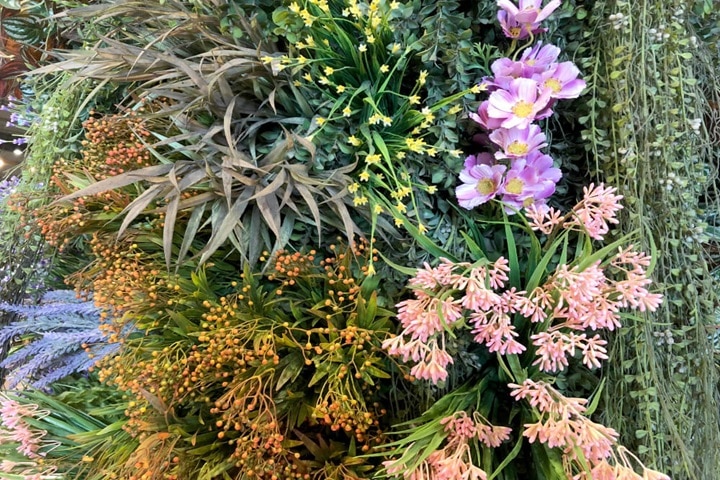
When deciding on plant combinations, there are several factors that need to be considered:
- Sunlight Requirements: Different plants have different needs for sunlight, and grouping plants with similar light requirements together ensures they will all thrive. Choose plants that have compatible needs for sun exposure, from full sun to partial or full shade.
- Watering Needs: A key aspect of successful planting combinations is ensuring that the plants in a particular group have similar water requirements. Mixing drought-tolerant plants with those that require regular watering can lead to uneven growth and unhealthy plants.
- Soil Preferences: The soil type, drainage, and pH can significantly influence plant growth. Combining plants with similar soil requirements is important to ensure that they have the right conditions for thriving. Native plants are particularly helpful here, as they are well-suited to local soil types.
- Growth Habits: Plants that spread or grow vigorously may need to be paired with plants that do not compete for space in the same way. Understanding the growth habits of each plant ensures that they do not overcrowd or overshadow one another.
- Ecological Needs: A good plant combination should support local wildlife by providing food and habitat for insects, birds, and small mammals. Many native plants attract pollinators like bees and butterflies and can help support a thriving ecosystem.
Planting to Mimic or Create Natural Ecosystems
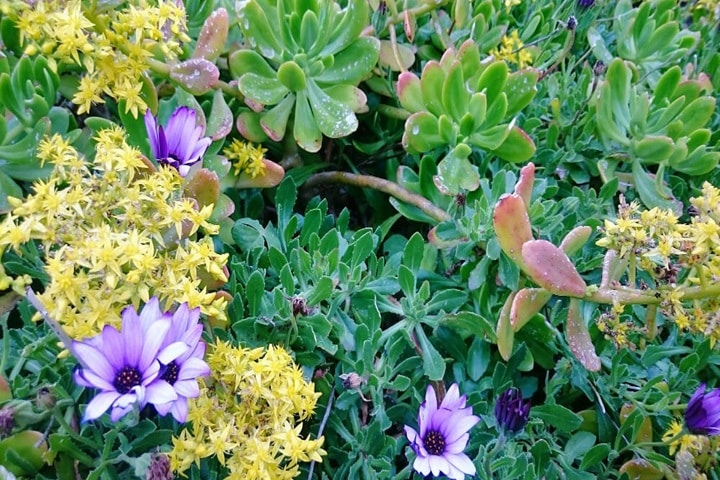
One of the most powerful ways to approach plant combinations is by mimicking natural ecosystems. Nature doesn’t plant in rows; it creates layers of biodiversity, with each plant filling a specific ecological role. This layering of plants provides benefits not only in terms of aesthetics but also in creating an environment that supports a wide range of wildlife.
For example, you might consider creating a woodland garden by layering plants such as ferns, wildflowers, and small shrubs beneath trees, mimicking a natural woodland or forest. These layers provide different levels of shelter and food for local wildlife.
A forest garden takes the structure of a natural woodland or forest ecosystem but replaces species with key species useful to us, and to the system as a whole.
Similarly, planting a meadow garden by using wild grasses, low-lying flowers, and shrubs replicates the dynamic, natural structure of a natural meadow in a garden setting.
Rely on Classic Native Plants
Native plants are always the best starting point when considering plant combinations. Native species are perfectly adapted to the local climate, soil, and wildlife, making them the ideal candidates for a garden that is both sustainable and beneficial to the surrounding ecosystem. They tend to require fewer resources such as water, fertiliser, and pesticides, reducing the need for maintenance and helping to conserve natural resources.
Plant Combinations You’ll Love
Some classic native plants for various purposes include:
- Woodland Gardens: Wild Garlic (Allium ursinum), Bluebell (Hyacinthoides non-scripta), Primrose (Primula vulgaris), Dog’s Mercury (Mercurialis perennis).
- Meadow Gardens: Common Poppy (Papaver rhoeas), Red Clover (Trifolium pratense), Yellow Rattle (Rhinanthus minor), Lady’s Bedstraw (Galium verum).
- Coastal Gardens: Sea Pinks (Armeria maritima), Sea Aster (Aster tripolium), Thrift (Armeria maritima), Common Bluebell (Hyacinthoides non-scripta).
These plants are not only beautiful, but they also offer important ecological benefits, from providing nectar for pollinators to creating habitats for birds and small mammals.
Plant Perennials in Abundance
Perennials are the backbone of a sustainable garden. They establish themselves over time, and once they are settled, they require much less maintenance than annuals. They provide long-term structure to a garden, and many native perennials are excellent at attracting wildlife and supporting local biodiversity.
By planting a mix of native perennials, you can create a garden that provides interest throughout the year. It is often wonderful to include plenty of woody perennials such as native trees and shrubs, as well as herbaceous perennial plants.
Consider Year-Round Appeal
When designing plant combinations, it’s essential to think about how the garden will look throughout the year. Native plants are ideal for year-round appeal, as they are often adapted to thrive across different seasons. Including plants that flower at various points throughout the year ensures that your garden remains interesting and vibrant, even during the colder months.
For example, Hellebores can bloom in early spring, while Witch Hazel (Hamamelis virginiana) offers stunning flowers in winter. By combining early, mid, and late-season bloomers, you create a dynamic and ever-changing landscape.
Creating Plant Combinations for Water Management or Other Environmental Benefits
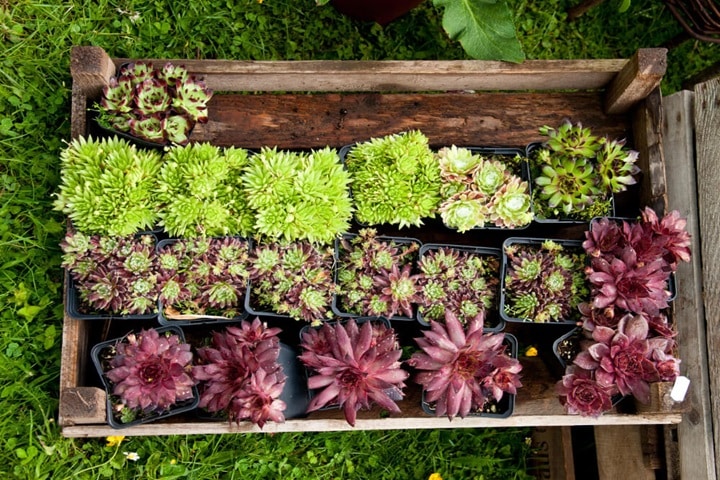
Many gardeners use plant combinations to solve environmental challenges, such as managing water use or soil erosion. The selection of plants suited to their environment can help reduce water consumption, improve soil structure, and promote overall ecological health.
Plant Combinations for Low Water Use
Some native UK plants are particularly drought-tolerant and require little water once established, making them ideal for dry gardens. Combining plants that are adapted to dry conditions will help conserve water and reduce maintenance.
A possible plant combination for a dry garden using UK native plants could be:
- Wayfaring Tree (Viburnum lantana)
- Hawthorn (Crataegus monogyna)
- Common Yarrow (Achillea millefolium)
- Red Campion (Silene dioica)
- Spiked Speedwell (Veronica spikata)
- Catmint (Nepeta cataria)
- Thrift (Armeria maritima)
- Wild Thyme (Thymus polytrichus)
Combining Plants for a Rain Garden
Rain gardens are designed to manage runoff and help recharge groundwater. These gardens feature plants that thrive in moist conditions and can help filter rainwater.
For example, a UK native rain garden could include:
Base of the Rain Garden (Wet, Soggy Conditions):
- Marsh Marigold (Caltha palustris)
- Water Mint (Mentha aquatica)
- Brooklime (Veronica beccabunga)
- Common Yellow Flag (Iris pseudacorus)
- Great Water Parsnip (Sium latifolium)
Sides of the Rain Garden (Moderately Moist Conditions):
- Purple Loosestrife (Lythrum salicaria)
- Meadow Buttercup (Ranunculus acris)
- Creeping Jenny (Lysimachia nummularia)
- Ragged Robin (Lychnis flos-cuculi)
- Common Sedges (Carex spp.)
Around the Edges (Drier, Well-Drained Conditions):
- Wild Strawberry (Fragaria vesca)
- Wild Carrot (Daucus carota)
- Common Knapweed (Centaurea nigra)
- Field Scabious (Knautia arvensis)
- Harebell (Campanula rotundifolia)
Choosing Plant Combinations to Solve Common Problems
The right plant combinations can solve a wide range of issues, from a lack of space, to poor soil, to slope erosion, and more. It is not just about choosing plants suited to the specific growing conditions but also about finding plant combinations that will, combined, be more than the sum of their parts.
Combining Garden Plants to Increase Yield
Combining garden plants strategically is a powerful way to increase yield and improve the health of your garden. By selecting plant pairings that support one another through natural pest control, soil enrichment, or space maximisation, gardeners can optimise productivity and increase yields.
Creating Polycultures of Edible and Useful Plants
Creating polycultures—planting a diverse mix of edible and useful plants—further enhances resilience and sustainability. These combinations not only boost yield but also reduce reliance on synthetic inputs, fostering a more harmonious, self-sustaining garden ecosystem.
Whether you’re enhancing flavours, improving soil health, or reducing pests, thoughtfully chosen plant pairings offer numerous benefits for both the gardener and the environment.
Plant Combinations for Aesthetic Appeal
A beautiful garden can be created through thoughtful combinations of plants that offer colour, texture, and form. UK native plants can provide an elegant, natural look with varied textures and hues.
Creating Different Planting Styles & Mixing Styles
Creating different planting styles involves blending plants to suit various garden aesthetics and functions. Mixing styles, such as formal with informal or native with ornamental, can add visual interest and diversity. Combining textures, colours, and forms allows gardeners to create dynamic landscapes that look good while also addressing practical needs like pest control and soil health.
Combining Different Flower Types & Shapes
Mixing different flower shapes and colours can create a garden that is full of interest and visual drama. Consider combining spiky flowers like Purple Loosestrife (Lythrum salicaria) with rounded flowers like Chamomile (Chamaemelum nobile), or the upright form of Common Valerian (Valeriana officinalis) with the soft, spreading Lady’s Mantle (Alchemilla mollis).
Using Colour and Shade To Create Depth And Interest
Using colour and shade in plant combinations can create depth and visual interest in the garden. Darker foliage or flowers can be placed at the back, while lighter, vibrant colours draw the eye forward. Contrasting colours and shaded areas add dimension, making the space feel more expansive and layered.
Creating Elegant Monochromatic Gardens
A monochromatic planting scheme, where all plants are within a single colour family, creates a sophisticated and calming effect. For a serene, white-themed garden, you could combine:
- Wood Anemone (Anemone nemorosa)
- Greater Stitchwort (Stellaria holostea)
- Meadow Buttercup (Ranunculus acris)
Using Foliage To Bring Out Flower Colour & For Its Own Hues
Foliage is as important as flowers in creating a visually dynamic garden. In many UK native plants, the foliage itself offers stunning colours and textures that complement their flowers.
- The grey-green foliage of Silverweed (Potentilla anserina) pairs well with the bright yellow flowers of Common Buttercup (Ranunculus acris).
- Bristle Grass (Setaria viridis) adds a contrasting texture when combined with the upright, spiky flowers of Mullein (Verbascum thapsus).
- The deep green foliage of Nettle (Urtica dioica) provides a strong backdrop for flowers like Common Poppy (Papaver rhoeas).
Further reading:
FAQs
How can planting combinations enhance a garden’s biodiversity?
By combining a range of predominantly native species, you can attract different types of wildlife, such as pollinators, small mammals, and birds, each of which relies on specific plants for food and shelter.
Are there any combinations to avoid?
Avoid mixing plants with drastically different moisture or soil requirements, as this can lead to poor growth for some plants. Be mindful of using invasive species in combinations, as they can crowd out native plants and disrupt the local ecosystem.
What role do ground covers play in planting combinations?
Ground covers are excellent for suppressing weeds, conserving moisture, and protecting the soil. Native ground covers like Creeping Jenny (Lysimachia nummularia) and Wild Strawberry (Fragaria vesca) provide a natural, low-maintenance solution.
What are the benefits of planting combinations in polytunnels?
Planting combinations in polytunnels allows for controlled conditions where plants can thrive, and complementary plant groupings can help manage pest control, increase yields, and support plant health.
What are some effective planting combinations for polytunnels?
Effective polytunnel plant combinations include:
Tomatoes, basil, marigolds and garlic.
Companion planting combinations optimise space and promote healthy, productive growth. Check out other guides on companion planting, creating polycultures and forest gardening to learn more…
Sources
Boston Bulbs. (2023) Which Colour Of Flowers Attracts Wildlife The Most? [online] Available at: https://www.bostonbulbswholesale.co.uk/blog/news/which-colour-of-flowers-attracts-wildlife-the-most [accessed 26/03/2025]