

Are your garden’s young plants turning into a midnight snack for slugs? Discover effective, natural strategies to protect your plants from these persistent pests.
What are slugs? Every gardener grapples with slugs, particularly during the lush spring months when tender young plants are at their most vulnerable. However, there are tactical ways in which you can deal with slugs naturally. In this article, we will look at a variety of methods to safeguard your garden without harming the environment with top 10 tips on how to stop slugs eating plants. From barrier innovations to biological control, learn how to keep your polytunnel greenhouses and garden slug-free using sustainable and effective tactics.
Key Points:
- Understand the seasonal behaviors of slugs and the best times for intervention.
- Explore slug-resistant plants and strategic garden planning to minimize damage.
- Learn about creating barriers and safe zones that keep slugs at bay.
- Discover natural predators and biological controls that target slug populations.
- Implement simple, everyday practices to maintain a healthy, slug-resistant garden.
How to Stop Slugs Eating Plants: A Polytunnel Gardener’s Guide
Slugs are notorious for their appetite for young, tender plants, often turning your lush garden or polytunnel into their feasting grounds. Here’s how you can protect your polytunnel and garden spaces naturally and effectively.
1. Grow Plants Indoors and Use Physical Barriers
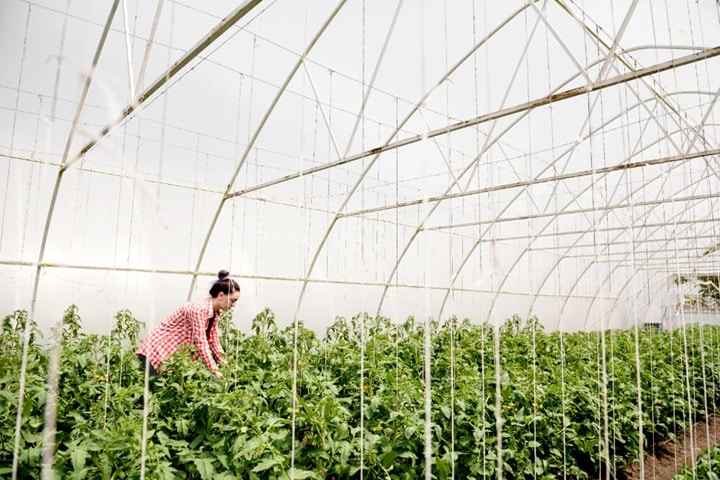
Starting seedlings indoors is a better strategy in slug control. How to stop slugs eating plants begins with giving plants a strong start away from the pests’ reach. Keep them indoors as long as feasible to ensure they are robust enough to withstand minor slug damage once transplanted.
When moving them outside, use cloches or protective coverings to shield them from slugs. If you’re growing fruits, consider elevating them in pots or hanging baskets to keep them away from slug-infested grounds.
2. Select Slug-Resistant Plants
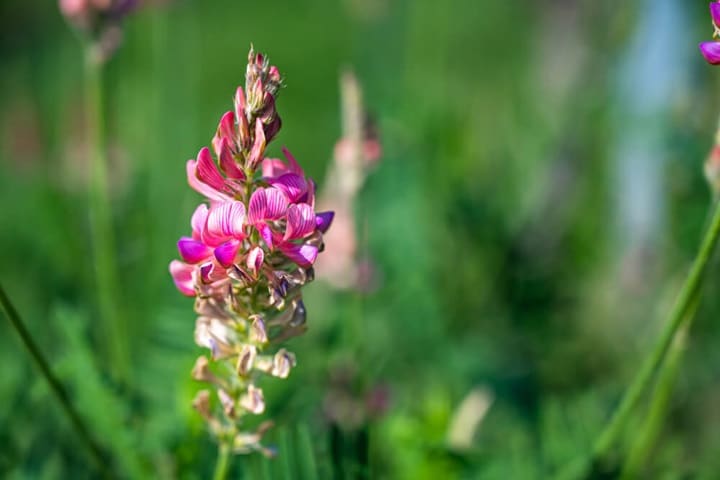
Opt for plants that are less appealing to slugs and snails. Some plants naturally deter slugs due to their texture or taste. Incorporating such plants can significantly reduce the vulnerability of your garden. Consider planting:
- Agapanthus hybrids and cultivars
- Antirrhinum majus (snapdragon)
- Astrantia major
- Digitalis purpurea (foxglove)
- Dicentra spectabilis (bleeding heart)
- Eryngium species
- Foeniculum vulgare (fennel)
- Fuchsia cultivars
- Geranium species
- Japanese anemone
- Rudbeckia fulgida
- Tropaeolum species (nasturtium)
3. Encourage a Healthy Ecosystem
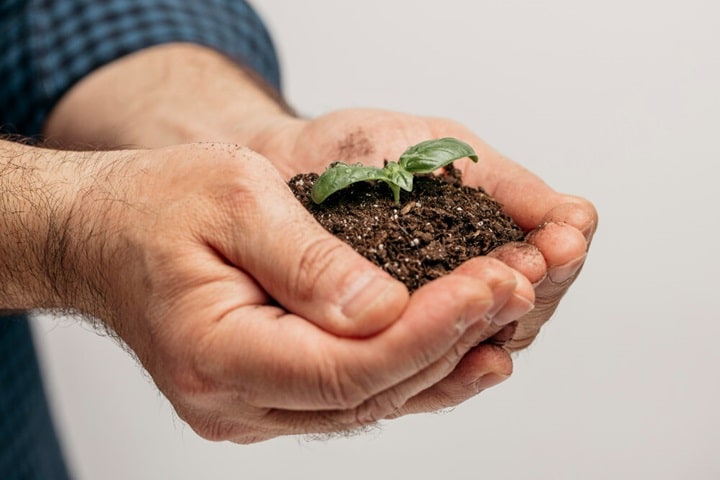
How to stop slugs eating plants naturally involves more than just direct action against them. Creating a balanced ecosystem plays a crucial role too.
Encourage natural predators by diversifying your garden with shrubs, trees, and perhaps a small wildlife pond. These habitats attract birds and amphibians that prey on slugs, providing a natural form of pest control. Learn more about what eats slugs.
Additionally, healthy soil contributes to strong plants. Mulch regularly with organic material to help soil health and plant resilience. A robust plant is less likely to succumb to slug damage.
4. Creating a Slug Zone
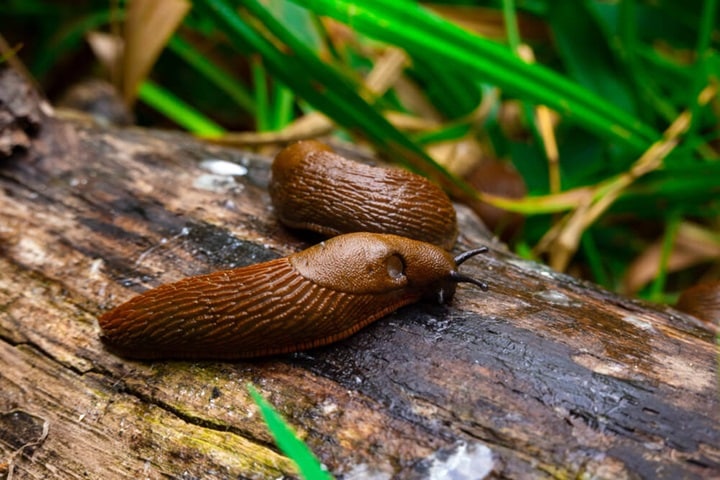
Another innovative method to manage slug populations is to create a designated ‘slug zone.’ By attracting slugs to a specific area of your garden, you can control their movement and easily remove them. Use appealing baits like old vegetable leaves, dried cat food, or bran in a shady, moist corner.
As slugs gather here for feeding at night, you can collect and remove them from your garden. This method allows you to keep slugs concentrated in one area, making it easier to manage their population.
Additionally, regularly inspect common hiding places during the day. Slugs seek refuge under plant pots, garden furniture, and other cool, damp locations. Using natural shelters like grapefruit skins or hollow bricks can lure them into traps. Regular checks and cleaning of these shelters will help reduce the slug burden in your garden.
5. Employ Biological Controls
The use of biological controls is an excellent strategy for how to stop slugs eating plants naturally. Microscopic nematodes can be introduced into the soil. These nematodes infect slugs with bacteria that are lethal to them but harmless to the garden ecosystem.
Apply these biological controls in the evening when the soil temperature is above 5°C and moist. This method is particularly effective and can protect your garden for up to six weeks, although multiple applications may be necessary throughout the growing season.
6. Use Organic Slug Pellets
With the ban on metaldehyde slug pellets, ferric phosphate pellets have become a popular alternative. These pellets are less harmful to wildlife and are approved for organic gardening.
However, it’s essential to use them sparingly around susceptible plants to avoid reducing the natural predator population in your garden. Distribute these pellets judiciously to ensure that they provide protection without harming the ecological balance.
7. Morning Watering Practices
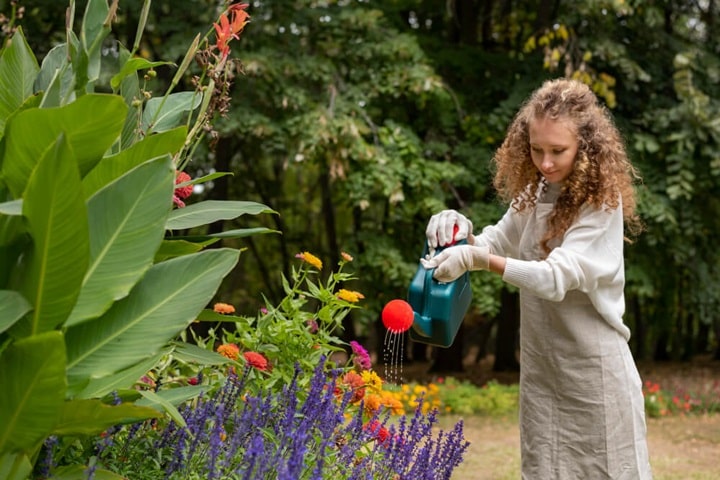
Watering your plants in the morning can significantly deter slug activity. This practice ensures the soil is dry by evening, reducing the moist conditions that slugs thrive in.
A dry surface discourages slugs from traveling between plants, effectively minimising their damage overnight.
8. Copper Barriers and Natural Repellents
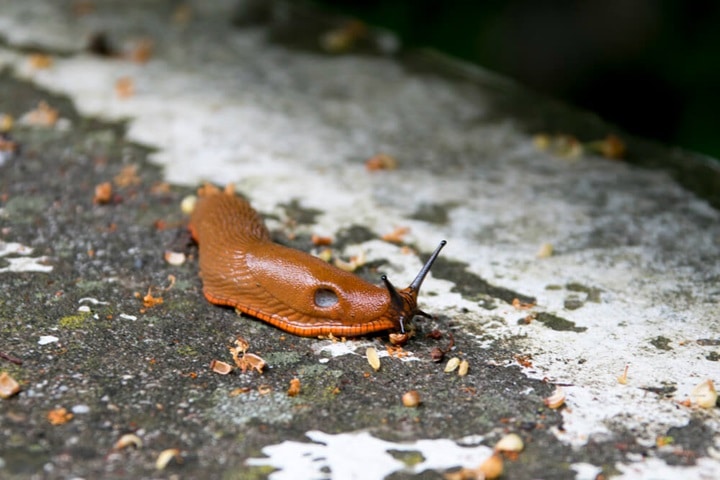
Copper barriers can be effective in deterring slugs. Placing copper rings around vulnerable plants can prevent slugs from reaching them, as the copper gives a slight electric shock to the slugs attempting to cross. Although there are mixed results regarding copper tape on pot rims, some gardeners find it helpful, and ongoing research continues to explore its efficacy.
Additionally, natural repellents such as garlic drenches can be very effective. Slugs are repelled by the strong smell of garlic. Spraying a garlic solution on plants in the evening can help keep slugs at bay. Regular applications, especially after rain, reinforce its effectiveness.
9. Using Physical Barriers
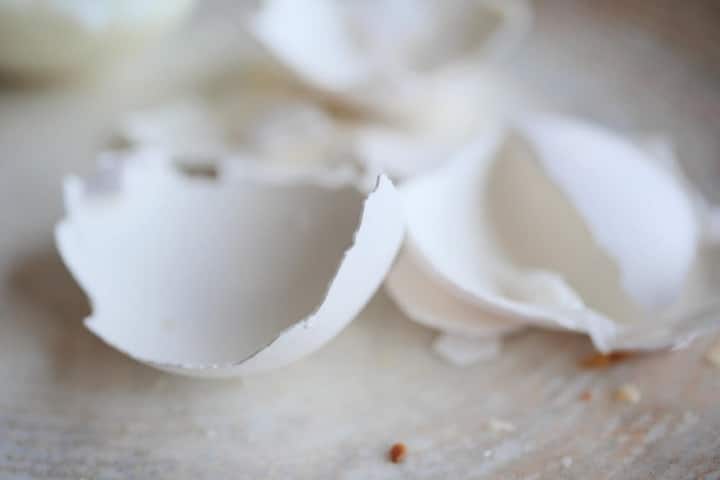
Physical barriers such as sharp mulch or slimy barriers can physically prevent slugs from accessing plants. Materials like crushed eggshells for plants, diatomaceous earth, or even coffee grounds around the base of plants act as a deterrent due to their texture.
10. Implementing Beer Traps
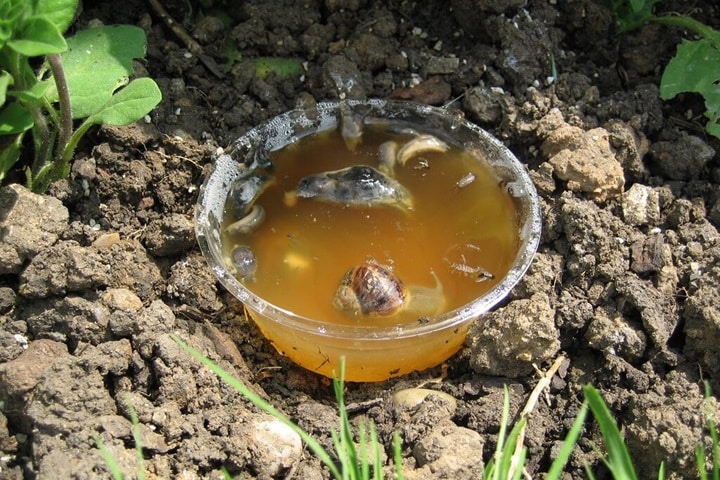
Beer traps are a tried-and-tested true method beloved by many gardeners for their simplicity and effectiveness in controlling slug populations.
To set up a beer trap, simply bury a container so that its rim is level with the soil surface. Pour cheap beer into the container until it is half full—slugs are drawn to the yeast smell. Cover the trap with a loose lid to prevent non-target animals from entering.
Regularly check and clean the trap to maintain its effectiveness.
For better placement, position the beer trap around the perimeter of your garden beds or vegetable patches. This strategy helps intercept the slugs before they reach your plants. Adding a few deceased slugs to the bottom of the trap can improve its attractiveness, drawing more slugs to their doom and helping stop slugs from eating plants in a natural and safe manner.
Stop Slugs Eating Plants Now
Managing slugs in your garden requires a combination of proactive measures and natural remedies. By creating a dedicated slug zone, employing biological controls, using organic pellets wisely, and implementing other natural and physical deterrents displayed in this article, you can protect your plants from slug damage effectively. These methods not only help in slug eating plants management but also promote a healthy, sustainable garden ecosystem.
Don’t forget, you can also incorporate these methods if you are dealing with slugs in your polytunnel, whether it is a small polytunnel, or large polytunnels; simply move your crops to a better location to keep them safe and away from slugs whilst you work away with these magical natural slug deterrent methods.
FAQs
What attracts slugs to my garden?
Slugs are primarily attracted to moist, shaded areas and are fond of young, tender plant leaves. Overly dense plantings and garden debris can also create ideal habitats for slugs by providing shelter and moisture.
How can I reduce slug habitats in my garden?
Keeping the garden clean and free of debris is key. Remove fallen leaves, weeds, and excess mulch where slugs can hide. Also, watering plants in the morning rather than in the evening will allow the soil to dry during the day, making it less inviting for slugs.
What are some environmentally friendly slug control products?
There are several eco-friendly products available for controlling slugs. Iron phosphate slug bait is one option that is safe for pets and wildlife when used as directed. Nematodes, microscopic worms that are natural parasites to slugs, can also be applied to the soil to reduce slug populations without harming other garden dwellers.
Sources
North, A., (2024) Slug Resistant Plants. Roots Plants. [online] Available at: https://www.rootsplants.co.uk/blogs/features/slug-resistant-plants [accessed 05/12/2024]