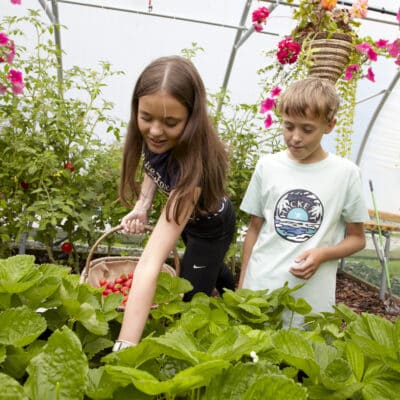


Raised garden bed ideas offer an efficient and flexible solution for growing a wide variety of plants, in controlled environments like polytunnels as well as in other parts of the garden. They can be constructed from various materials, ranging from natural and reclaimed to upcycled and purchased items.
In this guide we will take a look at some cost-effective raised bed ideas, including options for materials and methods to maximize space and save money.
What Is a Raised Garden Bed?
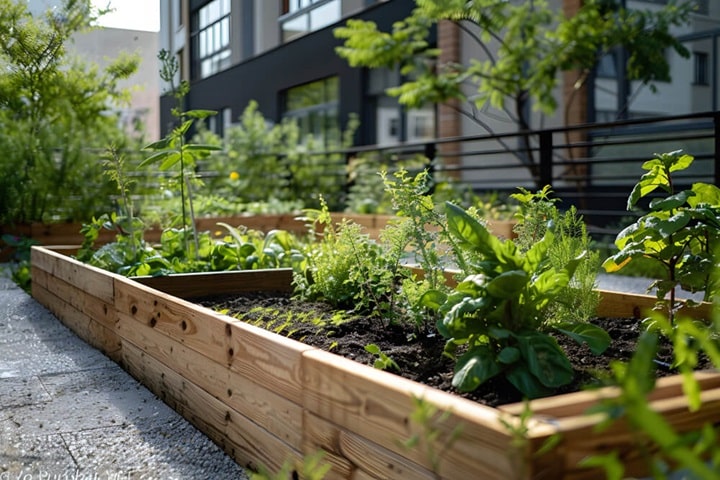
A raised garden bed is an elevated structure used for growing plants, typically (though not always) framed with materials such as wood, metal, or stone that holds the growing medium in place.
These beds are built above ground level and can be filled with a custom soil mix to support plant growth. The primary benefits of raised beds include improved drainage, enhanced soil quality, easier access for planting and maintenance, and better control over soil conditions.
How Deep Should a Raised-Bed Garden Be?
The depth needed for a raised garden bed depends on which plants will be grown. Whatever you are growing, however, it is critical to make beds deep enough for root development and overall plant health.
Typically, a raised bed should be at least 15 to 30 cm deep at a minimum. For most crops, a depth of 20 to 30 cm is ideal, providing ample room for roots to grow and access nutrients. Deep-rooted plants, including common root vegetables, benefit from a depth of at least 30 to 45 cm.
Adequate depth ensures plants have enough space for robust root systems, which they require for healthy growth and high productivity.
What Should You Put in the Bottom of a Raised-Bed Garden?
There’s often advice on social media recommending the use of black plastic or weed cloth beneath garden beds, but these materials can cause issues. Plastic can obstruct drainage and, if the bed is placed directly on the ground, it prevents beneficial earthworms and other beneficial soil organisms from reaching the growing medium in the raised bed.
If you’re setting up a raised bed over grassy areas, you don’t need to use any covering material, but placing a layer of cardboard at the base can help prevent grass from growing through the soil. Ensure the cardboard is not glossy and remove any tape or plastic.
For those dealing with burrowing pests like moles or voles, laying down a layer of chicken wire or woven wire mesh before adding soil can help keep them out. This will block their access from below, protecting your plants.
Tips For Finding Inexpensive Materials to Make Raised Beds
There are several important tips for sourcing and choosing materials to use for your inexpensive raised garden bed ideas :
- Consider DIY solutions, which are frequently more affordable than buying ready-made.
- Use natural materials from your own garden and local area for bed edging and filling.
- Make the most of reclaimed materials and upcycle items no longer useful for their original purpose as raised bed edging.
Inexpensive Raised Garden Bed Ideas Using Natural Materials:
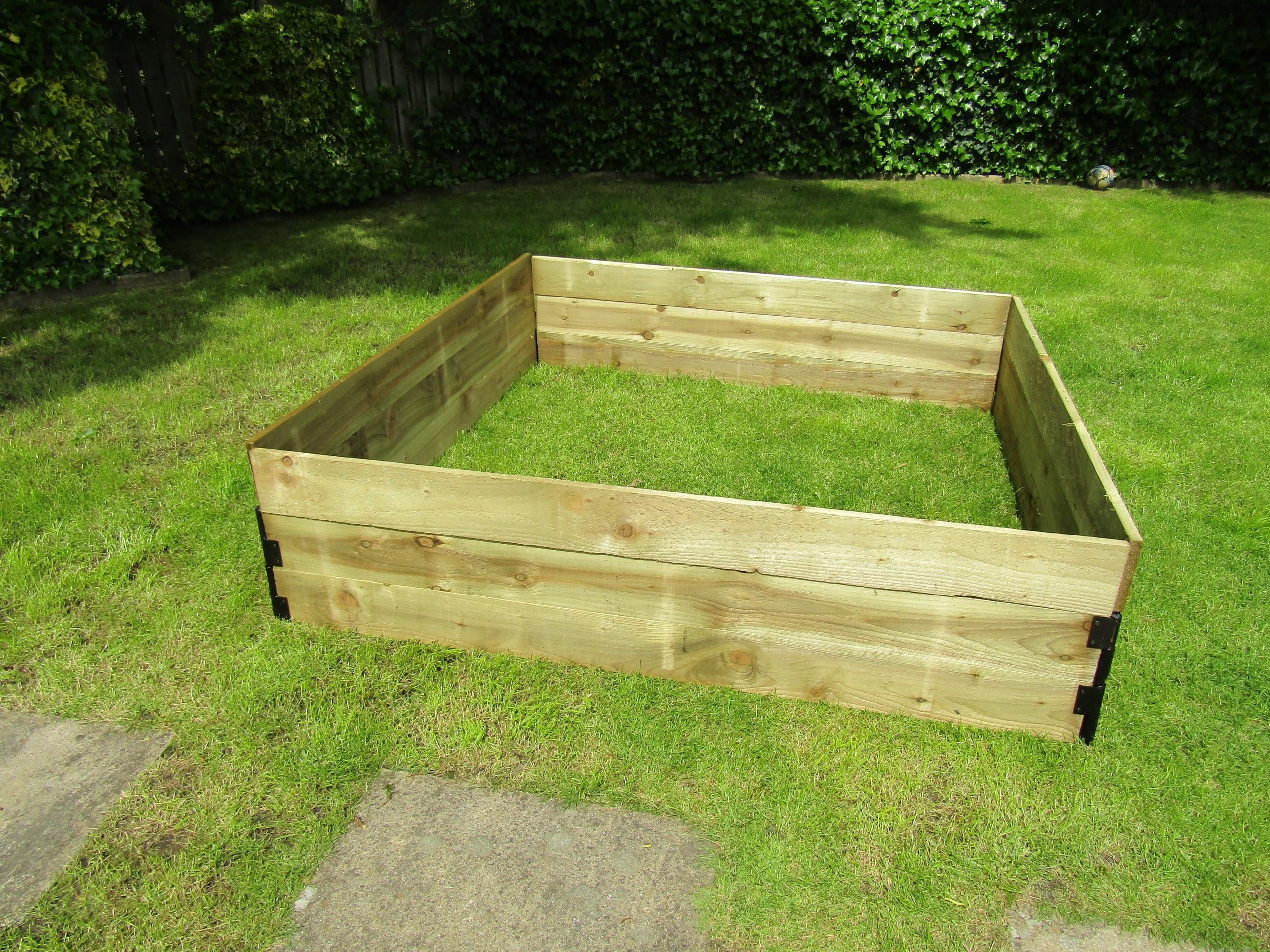
Often, you may be able to simply use natural materials from your garden to edge and fill raised beds without having to source or purchase any outside resources at all. For example, you might use woody material, or even natural rocks, as bed edging. Here’s our recommendations for your raised garden bed ideas:
1. Raised Garden Beds Ideas with Natural Logs, Sticks and Twigs
Natural logs and branches can be used to construct rustic raised garden beds. Arrange logs on their ends with the bases in the ground, or laid horizontally along straight bed edges. This method is not only cost-effective but also blends well with natural landscapes. Logs an be charred where buried in the soil to prevent them from rotting quickly.
You can also make wattle fence bed edging by weaving natural pliable branches between more rigid upright sticks. Or use natural branches to make different low-fence-like structures to form the edges of new raised beds.
2. Inexpensive Raised Beds Ideas Using Reclaimed Materials:
You can also use a number of reclaimed materials – either ones you have yourself from other projects, or those that you can source for free or very cheaply in the local area.
3. Building Raised Beds from Reclaimed Bricks, Blocks, and Pavers
Reclaimed bricks, concrete blocks, and pavers are durable materials for constructing raised beds. They can often be sourced from demolition sites or second-hand building material suppliers.
Arrange these materials in a simple rectangular shape, stacking them to the desired height. This method offers a sturdy structure that can last for many seasons.
4. Pallet Wood Raised Beds (And Those Made from Other Reclaimed Wood)
Pallets are a versatile and inexpensive option for raised garden beds. Disassemble wooden pallets and use the planks to build the sides of your bed. This method is ideal for creating a simple and cost-effective structure. Additionally, reclaimed wood from old fences or furniture can be repurposed in a similar fashion, adding character to your garden while saving money.
5. Inexpensive Raised Garden Bed Ideas Using Upcycled Items
It is also often possible to use a range of upcycled items for raised beds or planters that were originally intended for another very different use. A wide array of items can potentially be used, from old drawers, to the drums of old washing machines, from old bathtubs to old oak barrels… and so many more things besides…
6. Old Tire Raised Beds
In one other example, old tires can be used to create raised beds by stacking them to the desired height and filling them with soil. However, it is best only to use tires in this way where you do not plan to grow food, as contaminants may be an issue.
7. Inexpensive Raised Bed Projects Using Purchased Items
If none of the above ideas is quite right, you can of course purchase items to make raised beds. A number of items can be used.
8. Trough Garden Beds
For example, you might consider using troughs, often used for livestock feed or water, which can be repurposed as raised garden beds. These containers can be purchased new or found second-hand and offer a ready-made solution for planting. They come in various sizes and materials, allowing for flexibility in your garden layout.
Of course, you can also simply purchase a raised bed kit, and may not even need to use raised bed edging at all if you take a hugelkultur approach (see below)
9. Raised Garden Bed Ideas for Polytunnels
For polytunnels of larger spaces – particularly commercial polytunnels, getting your growing areas, including raised beds, right can be particularly important. Be sure to consider how to make the most of your space and maximise efficiencies when deciding on a layout and a strategy for your raised beds.
To Save Money on Materials to Fill Raised Beds:
One important thing to realise is that you do not need to spend a fortune on soil/ compost to fill your raised beds.
10. Hugelkultur Raised Beds
This method involves creating raised beds by piling up logs, branches, and other organic matter. Over time, this decomposing material provides excellent fertility and moisture retention. And since the materials can often be sourced for free, you can save on soil costs.
11. Lasagna Garden Raised Beds
Layering organic materials such as cardboard, compost, straw, and grass clippings creates a nutrient-rich growing environment. This method is also known as sheet composting and can be done directly in the bed or in layers. Similarly to hugelkultur, it shows how you can build up growing areas with organic matter rather than buying in soil.
12. Straw Bale Garden Beds
Straw bales can be used as an alternative to traditional raised beds. Arrange the bales in a designated area, and plant directly into the bales as they decompose. This method is particularly useful for areas with poor soil.
13. Hot Beds
A hot bed utilizes decomposing organic material to generate heat, extending the growing season. This is achieved by layering materials such as manure and straw beneath the growing medium.
14. Wicking Beds
These beds are designed to conserve water by incorporating a reservoir at the bottom. A wicking action draws moisture up into the soil, reducing the need for frequent watering. So it might help you save on water bills if the water supply is metered where you live.
To Save Money on Edging and Maximise Space Usage:
15. Herb Spirals
A herb spiral is a vertical garden that maximizes space and creates microclimates for different plants. Constructed in a spiral shape, it allows for various herbs and plants to be grown in a compact area.
16. Keyhole Beds
Keyhole gardens are circular beds with a keyhole-shaped access path in the middle. They are highly efficient for maximizing space and are ideal for polytunnel environments.
17. Square Foot Raised Garden Bed Ideas
Square foot gardening involves dividing a raised bed into square sections, each growing a different crop. This method optimizes space usage and simplifies planting and harvesting.
18. Raised Beds with Additional Planting Holes in Vertical Surfaces
Incorporate additional planting pockets or holes along the vertical surfaces of raised beds. This method allows for more plants to be grown in the same footprint and is useful for growing herbs or flowers.
For more inexpensive garden ideas, try our advice for DIY cold frame ideas.
FAQs
How to cheaply build raised beds?
To build raised beds inexpensively, consider using natural materials wherever possible – ideally materials that you can source from your garden or the immediate surroundings. You might also consider using reclaimed materials such as old wood, bricks, or pallets. Upcycling old items can also be a cost-effective solution when you want new planters or raised beds in your garden.
What is the best and cheapest way to fill a raised garden bed?
The best and cheapest way to fill a raised garden bed is to use a combination of organic materials like compost, shredded leaves, and grass clippings. For additional depth, incorporate materials like cardboard or newspaper at the bottom to suppress weeds and improve soil structure. Hugelkultur and lasagna gardening methods using natural materials in this way are cost-effective options.
What looks good in a raised bed?
Aesthetically pleasing raised beds often feature a mix of colourful and texturally diverse plants. Consider planting a combination of flowers, herbs, and vegetables to create a visually appealing garden. Incorporate plants with different heights and textures for added interest, and use companion planting to enhance both visual appeal and plant health.
Sources
Burke, N., (2022) What to Plant in a Raised Garden Bed. Gardenary. [online] Available at: https://www.gardenary.com/blog/what-to-plant-in-a-raised-garden-bed [accessed 21/08/24]