


For many who want to live in a more sustainable and eco-conscious way – a life closer to the natural world of which we are a part.
Developing plans for a winter garden can be even more important than having plans in place for the summer months. Even a little creative planning can go a long way. So here are some small winter garden ideas, to help you make sure you make full use of any garden spaces over the winter months.
Types of Winter Garden

Winter gardens can take a range of different forms, depending on where precisely they are located and where in the UK you are.
A winter garden is a term that might be used to describe a garden under glass, in a conservatory or greenhouse. A winter garden might also be the space within a polytunnel, under cloches, a row cover, or a cold frame. Or, then you talk about a winter garden, you might also simply be referring to any outside space designed to give appeal and perhaps sustenance over the winter months.
Things to do in the Garden During Winter
Winter is often a quieter time in a garden. When you are exploring different winter garden ideas, however, it is important to remember that there are almost always things that you could be doing – even in a garden that is entirely outdoors and you live in one of the colder regions of the UK.
Of course, what you will do as a gardener in a garden during winter depends on what type of garden you have, and which plants you are currently growing, or wish to grow.
Thinking about which types of job you might be undertaking can help you to see the full potential of your winter garden and inspire you to make the most of what you have.
Tend Crops

Polytunnel greenhouses or other covered spaces can allow you to grow year-round. Often, even during the coldest part of the year, the right strategies in an undercover growing area can allow you to cultivate far more than you may have imagined.
If you do not already have such a structure, therefore, this is definitely something that you might like to consider for your winter garden. Having a polytunnel in your garden will give you far more choice about how and what you grow, and significantly extend the growing season where you live.
Plant and prune fruit trees and bushes
Winter in a garden is a good time to plant out bare-root fruit trees and fruiting shrubs to expand your home-growing efforts. Fruit trees and soft fruits like raspberries and blackberries, for example, can be wonderful options for many home gardens.
Though these typically won’t look like much in the winter time, winter is a good time to plant out, as long as the soil is not frozen or waterlogged.
Winter is also the right time to prune some fruit trees, like apples. However, when it comes to plums and cherries, and other related species, pruning is best left to the summer to reduce chances of disease.
Plant other bare-root plants
It is not only fruit trees and fruiting shrubs that we can plant out as bare-root plants during the dormant season. Native trees, native shrubs, and a range of other plants can also be good choices for UK gardeners to take the time to plant out over the winter months.
Remember, to make your garden attractive and productive year round, you need to think holistically when it comes to you planting choices, and other design decisions that you make in your garden.
Create ecologically functioning ecosystems with plants that work together, creating stable systems and habitat for a diverse array of wildlife.
Learn more by planting bare-root trees.
Prune your roses
Pruning roses in winter is essential for healthy growth and vibrant blooms in the coming season. Ideally, prune when the plant is dormant, typically in late winter, before new growth starts.
Start by removing dead, damaged, or diseased branches. Cut back any crossing or overcrowded stems to improve airflow and reduce disease risk. Trim healthy stems by about one-third, cutting just above outward-facing buds to encourage an open, vase-shaped growth.
Use sharp, clean tools to make clean cuts, preventing infection. Winter pruning rejuvenates roses, promoting strong growth and abundant flowering in spring and summer.
Leave your perennials alone
Remember, that while there are some jobs to do to make sure your garden is successful over the months to come, there are certain other jobs that it is best to leave until spring.
In an eco-friendly garden, you should not be afraid to leave some things a little untidy – to benefit the wildlife that shares your space.
One good idea for a wildlife-friendly garden is to leave the dead or bedraggled foliage of perennials in place to provide wildlife with shelter and protection over the coldest part of the year.
Turn your compost
Of course, for a garden that is successful year-round, and maintains fertility long-term, we need to have a composting system. Composting is not challenging, and beginners can start with a simple cold composting heap or bin.
Turning your compost is typically a year-round job, to make sure that the mix is aerated and the micro-organisms that help us break down the organic matter get the oxygen they need.
Turning compost also reduces the chances of unwanted residents (like rodents) taking up residence in your compost heap.
The process of decomposition slows down a lot in the winter, but it can continue if you choose the right composting system.
Look after wildlife
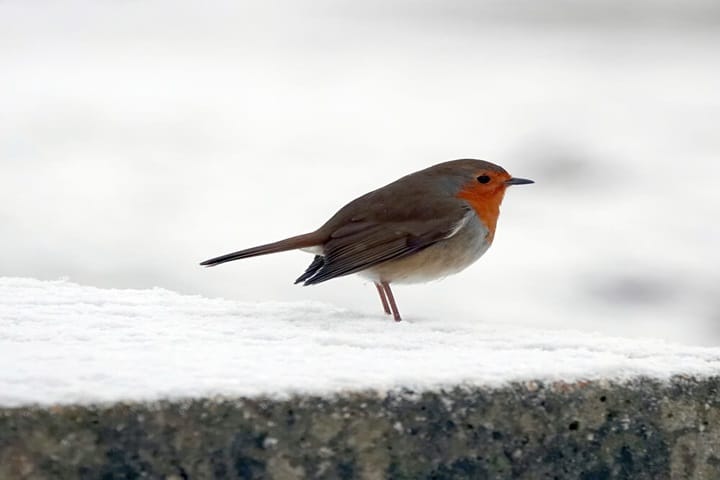
One of the greatest joys of a winter garden is watching wildlife – from robins and wrens and other common garden birds, to more unusual winter visitors. To create a wonderful winter garden, it is a great idea to attract as much winter wildlife as possible.
This might include, of course, planting out wildlife-attractant plants including berry bushes, and winter-blooming species. It can also include adding additional habitats, like brush piles or ponds, and adding features like bird feeders, with fat balls to help your feathered friends in winter weather.
Protect tender plants
To ensure that your favourite plants make it through winter unscathed you can protect them with cloches or row covers, move them (if in containers) to a more sheltered or protected spot, or mulch to protect their roots with dried leaves or straw.
Tidy up and prepare for spring
Winter is also the time to tidy up your garden and prepare for the next growing season. Clearing away dead plant material, leaves, and debris is sometimes recommended to improve the appearance of your winter garden and prevents pests and diseases from overwintering in decaying matter.
However, in many cases it is best not to cut back perennials that have died back after the first frost, so just remove spent annuals, and tidy up borders. This is far better for winter wildlife.
While pruning and cleaning, avoid disturbing plants that produce winter interest, like ornamental grasses or seed heads, as they can add structure to the garden and provide food for wildlife. And leave some dead stalks to provide habitat for overwintering creatures.
4 Winter Plants for Your Small Winter Garden Ideas
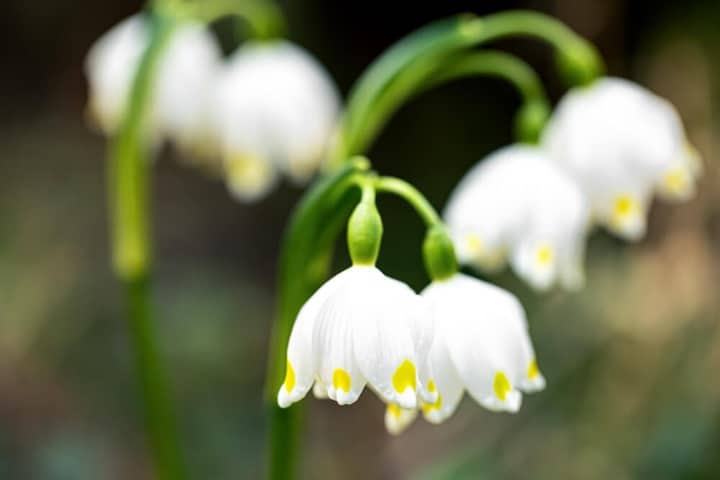
Choosing the right plants is essential to maintain a vibrant garden throughout winter. Several species thrive in colder conditions, providing beauty, fragrance, and structure when most plants have gone dormant and here are just a few examples:
1. Snowdrops
Snowdrops are one of the first bulbs to bloom in late winter, often emerging through a blanket of snow. Their delicate white flowers create a serene and calming presence in the garden and are a signal that spring is on its way.
2. Crocuses
Another early bloomer, crocuses add a splash of colour to the winter garden. They come in a variety of hues, including purple, yellow, and white, and their low-growing habit makes them ideal for planting in borders or containers.
3. Winter aconites
Winter aconites are cheerful, bright yellow flowers that bloom in the coldest months of the year. They are ideal for naturalizing in woodland areas or shady borders, adding brightness to an otherwise dormant landscape.
4. Hellebores
Also known as the Christmas or Lenten rose, hellebores are prized for their long-lasting winter flowers. Available in shades of white, pink, purple, and green, they are perfect for adding colour to shady areas during the winter.
8 Small Winter Gardening Ideas
To make your garden look beautiful even in the winter months, you can incorporate both plant-based and structural elements. This ensures your garden remains interesting when the flowers are no longer the primary focus.
1. Use shrubs or hedging as a backdrop to winter garden planting
Shrubs and hedging play an essential role in providing structure and privacy in a winter garden. Evergreens like boxwood, holly, or yew make excellent hedges and offer a rich, green backdrop for flowering winter plants. Their foliage remains vibrant throughout the year, anchoring the design and creating a sense of enclosure.
2. Man-made structures can create focal points
Adding man-made elements like sculptures, birdbaths, or even arbors can give your winter garden a focal point that draws the eye. These features can break up large spaces, provide contrast to the natural elements, and remain visually appealing year-round.
3. Plant for fragrance
Don’t forget about scent! Planting fragrant winter shrubs such as Sarcococca (Sweet Box), viburnum, or witch hazel can add an additional sensory dimension to your garden. These plants release a delightful perfume during the cold months, making a stroll through the garden even more enjoyable.
4. Put up a pergola for evergreen climbers
Installing a pergola or trellis for evergreen climbers is another way to add vertical interest to your garden. Climbers like ivy, winter jasmine, or clematis can provide year-round greenery and help soften the appearance of man-made structures.
5. Pick garden furniture that looks good year-round
Choosing garden furniture that remains attractive and functional in winter is key to ensuring your garden is inviting throughout the year. Opt for furniture made from sustainable, natural materials that withstand the elements.
6. Invest in a chiminea

A chiminea or fire pit can transform your garden into a warm, inviting space, perfect for gatherings on chilly days. These heat sources allow you to extend your time outdoors, enjoying the crisp winter air in comfort.
7. Hang a bird feeder
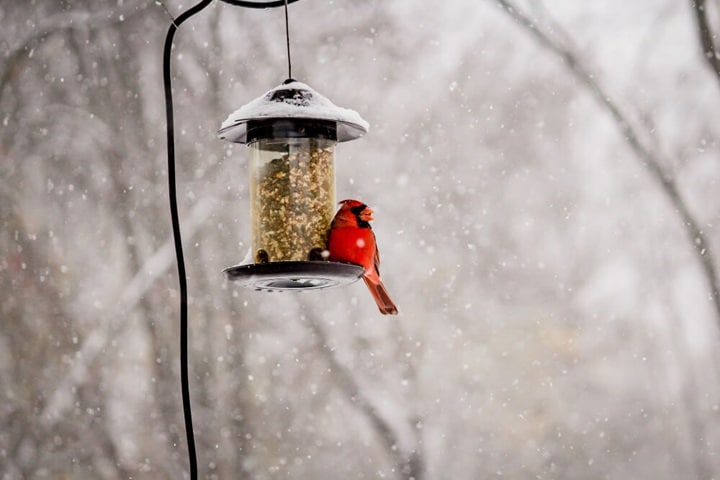
Winter is a challenging time for wildlife, and hanging bird feeders can help attract birds to your garden while adding a lively, natural element to the space. Watching birds flock to fat balls and/or feeders brings movement and colour to your winter garden and supports local wildlife.
8. Include house plants in your winter garden display
Remember, a garden can be indoors as well as outside. Now could be a great time to pick out some houseplants to complement your home interiors and add some green to a windowsill that enlivens the scene beyond.
By incorporating these ideas, you can turn your winter garden into a space that is beautiful, functional, and enjoyable year-round. From protecting tender plants to selecting winter-hardy species and enhancing design with structural features, your garden will remain an inviting oasis throughout the winter months.
FAQs
How do I make my garden look nice in the winter?
To create a winter-friendly garden, choose plants that thrive in colder months, add structural elements like hedging or man-made focal points, and opt for outdoor furniture that looks attractive year-round. Incorporating evergreens, winter-flowering plants, and decorative elements like sculptures or pergolas can maintain interest in the garden during winter.
What is best in a winter garden?
Some of the best plants for a winter garden include snowdrops, crocuses, hellebores, and winter aconites. Evergreens such as boxwood, holly, and ivy also provide structure and greenery during the colder months.
How to create a winter garden in the UK?
For a winter garden in the UK, select plants suited to the local climate, such as winter-flowering bulbs and evergreens. Use mulch to protect plant roots, and choose frost-hardy shrubs. Additionally, incorporate structural elements like pergolas and hedging, and consider adding a fire pit or outdoor lighting for warmth and ambiance.
How to decorate a garden for the winter?
Decorate your winter garden with weather-resistant furniture, bird feeders, and outdoor lighting to create a cozy, inviting space. Add potted evergreens or winter-blooming flowers, and place sculptures or decorative structures to serve as focal points.
Sources
Sansone, A, E., (2024) 22 Winter-Blooming Flowers That Thrive During the Coldest Months of the Year. House Beautiful. [online] Available at: https://www.housebeautiful.com/lifestyle/gardening/g2854/plants-that-bloom-in-winter/ [accessed 28/10/2024]