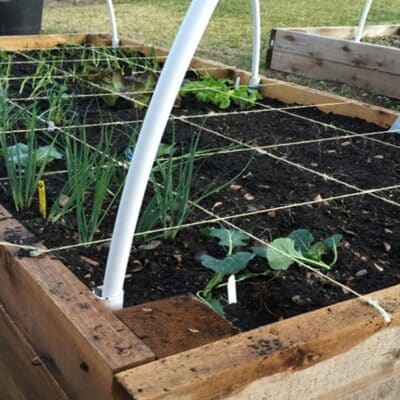


I grow spinach throughout the year, and the key is not a single sowing date, it is implementing a system. By combining succession sowing with seasonal adjustments, you can keep a steady supply of fresh leaves almost continuously year-round. This guide sets out a simple, reliable way to do exactly that, whether you are growing outdoors, in containers, or under cover.
If you are looking to extend your growing season further, it is worth exploring growing spinach in a polytunnel as part of your overall approach.
Key Takeaways
- Spinach can be grown year-round with the right timing
- Sow little and often every 2 to 3 weeks
- Spring and autumn are the easiest seasons
- Summer requires shade and steady moisture
- Winter growing works best with protection in the UK
Why Spinach Can Be Grown Year-Round (If You Get the Timing Right)

Spinach is often thought of as a seasonal crop, but this is only part of the picture. Its growth habit makes it ideal for continuous harvesting.
- Cool-season crop
Spinach prefers mild temperatures and struggles in heat
- Fast growth cycle
Leaves can be ready in as little as 4 to 8 weeks
- Cut and come again
You can harvest repeatedly from the same plants
- Main limitation is heat
Warm conditions trigger bolting, which stops leaf production
With the right timing, you can work with these traits rather than against them.
The Key Principle: Succession Sowing for Continuous Harvests
The simplest way to keep spinach on your plate is to avoid planting it all at once.
A practical sowing routine:
- Sow a small batch of seeds
- Wait 2 to 3 weeks
- Sow another batch
- Continue this pattern through the growing season
- Harvest from older plants while new ones establish
This creates overlapping harvests so there are always fresh leaves available.
Why this works:
- Prevents gaps in production
- Reduces waste from gluts
- Spreads risk across multiple sowings
For a broader seasonal overview, see the month-by-month vegetable growing guide.
When to Sow Spinach in Each Season
Understanding how conditions change through the year is essential.
| Season | Where to Grow | Frequency | Risks | Harvest Time |
|---|---|---|---|---|
| Spring | Outdoors | Every 2–3 weeks | Late frosts | Fast (4–6 weeks) |
| Summer | Partial shade | Every 2–3 weeks | Bolting in heat | Moderate |
| Autumn | Outdoors or covered | Every 2–3 weeks | Slowing growth | Reliable |
| Winter | Covered or indoors | Every 3–4 weeks | Cold, low light | Slow |
How to Grow Spinach in Spring and Autumn (Best Results)
These are the easiest and most productive seasons for growing spinach, and it is here that the crop really comes into its own. Conditions are naturally aligned with what spinach prefers, so you are working with the environment rather than trying to adapt to it. In my experience, if you want reliable success and generous harvests, this is where to focus most of your effort.
Conditions to aim for:
- Cool temperatures
Spinach thrives in mild weather. Temperatures that are neither too hot nor too cold allow steady, balanced growth without triggering bolting.
- Consistent moisture
Even moisture levels are key. Spring and autumn rainfall often helps with this, but it is still important to monitor soil and water when needed.
- Good light without intense heat
Plenty of daylight supports healthy leaf production, but without the stress that comes from strong summer sun.
Simple steps:
- Sow directly into prepared soil
Spinach does best when sown where it is to grow. Choose a well-prepared bed that has been cleared and lightly raked.
- Add compost to retain moisture
Incorporating organic matter helps the soil hold water while remaining free draining. This creates the stable conditions spinach prefers.
- Space seeds thinly and thin seedlings if needed
Avoid overcrowding. Good airflow reduces disease risk and allows each plant to develop properly.
- Keep soil evenly moist
Regular, gentle watering supports steady growth and prevents stress.
Key Insight
In these seasons, spinach often grows quickly enough to be ready in as little as four to six weeks, making it ideal for succession sowing.
Growth during spring and autumn is not only faster, but also more reliable. Leaves are tender, flavour is mild, and plants are less likely to bolt. With a little attention to timing and care, these seasons can provide the backbone of a year-round spinach harvest.
How to Grow Spinach in Summer Without Bolting
Summer is where many gardeners struggle, and it is often the point where spinach drops out of the growing plan altogether. In reality, it is still possible to grow it successfully, but only if you understand how it responds to heat.
Spinach is naturally a cool-season crop. When temperatures rise, the plant shifts its focus from leaf production to flowering. This process, known as bolting, causes leaves to become smaller, tougher, and more bitter. Once bolting begins, productivity declines quickly.
Why bolting happens:
- High temperatures
Warm conditions signal the plant to complete its lifecycle
- Dry soil
Lack of moisture increases stress and speeds up bolting
- Inconsistent watering
Fluctuations between dry and wet conditions make plants more likely to bolt
How to prevent it:
- Provide partial shade
In summer, I rarely grow spinach in full sun. Instead, I use natural shade from taller crops like beans or sweetcorn, or position it where it receives morning sun and afternoon shade. This simple adjustment can make a significant difference.
- Keep soil consistently moist
Spinach has shallow roots, so it responds quickly to dry conditions. Regular watering is essential, especially during warm spells. Mulching around plants helps retain moisture and keeps the root zone cooler.
- Avoid letting soil dry out completely
Even short periods of dryness can trigger stress. It is better to water lightly and often than to let the soil dry and then drench it.
- Sow at cooler times of day
I find that sowing early in the morning or later in the evening improves germination and reduces stress on young seedlings.
- Choose suitable varieties
Some varieties are slower to bolt and better suited to summer growing. While no spinach will thrive in extreme heat, selecting the right type can extend your harvest window. You can explore the best spinach varieties for year-round growing to make more informed choices.
With a little care and adjustment, spinach can remain part of your summer garden rather than disappearing entirely.
How to Grow Spinach in Winter (Protected Growing)

Winter growing is slower, but still worthwhile. In fact, I often find it one of the most satisfying times to grow spinach, precisely because it requires a more thoughtful, steady approach. Rather than rapid growth, you are working with the natural rhythm of the season, allowing plants to develop slowly and hold in a productive state for longer.
What to expect:
- Slower growth
Shorter days and lower temperatures reduce the rate at which plants develop. Growth may seem to pause at times, especially in midwinter.
- Longer time to harvest
What might take a few weeks in spring can take considerably longer. Patience is essential, but the quality of the leaves is often excellent.
- Steady, reliable supply
Instead of large harvests, you can pick small amounts regularly over an extended period. Plants tend to sit in a productive state rather than rushing to bolt.
How to make it work:
- Use cloches, cold frames, or tunnels
Even simple protection lifts temperatures slightly and shields plants from harsh conditions. This creates a more stable environment where spinach can continue growing slowly.
- Protect from frost where possible
While spinach is relatively hardy, repeated freezing and thawing can damage leaves. Covering plants during cold spells helps maintain quality.
- Sow less frequently
Because growth is slower, you do not need to sow as often as in warmer months. Spacing out sowings prevents overcrowding and wasted effort.
- Maximise available light
Position plants where they receive as much winter sunlight as possible. Avoid shaded areas, as low light is often more limiting than temperature.
Key Insight
Even a small amount of protection can raise temperatures just enough to keep spinach growing slowly through winter, rather than stopping altogether.
If you are aiming for a more consistent and reliable winter harvest, it is worth considering domestic polytunnels for year-round vegetable growing as part of your overall system. Even a compact structure can transform winter growing from occasional success into something far more dependable.
Growing Spinach Indoors or in Containers Year-Round

Spinach adapts well to small spaces.
Key considerations:
- Use containers at least 20 to 30 cm deep
- Place in bright light, such as a windowsill
- Water regularly as containers dry quickly
- Sow little and often for continuous harvests
Ideal for:
- Balconies
- Patios
- Indoor growing setups
This approach works particularly well in winter when outdoor conditions are limiting.
Essential Care for Continuous Growth
Consistency is more important than intensity.
Simple care checklist:
- Keep soil evenly moist
- Feed lightly if growth slows
- Thin seedlings to avoid overcrowding
- Remove weeds early
Small, regular actions make the biggest difference over time.
Harvesting Spinach for Ongoing Production
How you harvest matters just as much as how you grow.
Step by step:
- Start harvesting when leaves are usable size
- Pick outer leaves first
- Leave the centre to continue growing
- Harvest little and often
Two approaches:
- Baby leaves
Quick harvest, tender and mild
- Mature leaves
Larger harvest, stronger flavour
Plants will continue producing until conditions trigger bolting or growth slows too much.
Frequently Asked Questions
Can spinach grow all year round in the UK?
Yes, with succession sowing and some protection in winter, spinach can be grown throughout the year.
How often should you sow spinach seeds for continuous harvests?
Every 2 to 3 weeks during the main growing season, and slightly less often in winter.
Can you grow spinach in pots at home?
Yes, spinach grows very well in containers with enough depth and consistent watering.
Is it possible to grow spinach from leaves or without seeds?
No, spinach is grown from seed. Leaves will not regrow into new plants.
Why does spinach bolt quickly and how can I prevent it?
Heat and stress cause bolting. Provide shade, water consistently, and sow at the right times.
Does spinach prefer sun or shade for the best harvest?
Full sun in cooler months and partial shade in summer gives the best results.
How can I grow spinach successfully in winter?
Use protection such as cloches or tunnels and expect slower growth.
Which spinach varieties are best for year-round growing?
Choose a mix of fast-growing and slow-bolting varieties suited to each season.
Sources:
Royal Horticultural Society (RHS) (2025) Spinach: grow your own. Available at: https://www.rhs.org.uk/vegetables/spinach/grow-your-own (Accessed: 24 April 2026).
Vital Seeds (2024) How to grow spinach. Available at: https://vitalseeds.co.uk/guides/how-to-grow-spinach/ (Accessed: 24 April 2026).