



Learning from nature can teach us a lot that will help us in designing and maintaining our gardens. Using nature’s patterns in a sustainable garden design is one way to mimic nature in your garden for excellent results.
Here’s a definitive definition of sustainable garden design, plus some of the ways in which using nature’s patterns in garden design can help us to achieve efficient, beautiful, abundant and effective designs:
What Is Sustainable Garden Design?
A gardener plans a sustainable garden design with usability and being friendly to the environment in mind. A sustainable garden should give back to its surroundings rather than take from them. Rather than relying on chemicals and unnatural processes to grow a beautiful garden, a sustainable garden design should receive all the important nutrients from local and natural ways, such as home made composts and mulches.
Plus, a sustainable garden design should include plenty nectar-rich plants that are native to your area, and rely on other eco-friendly garden ideas for a thriving garden.
How To Create A Sustainable Garden Design Using Nature’s Patterns
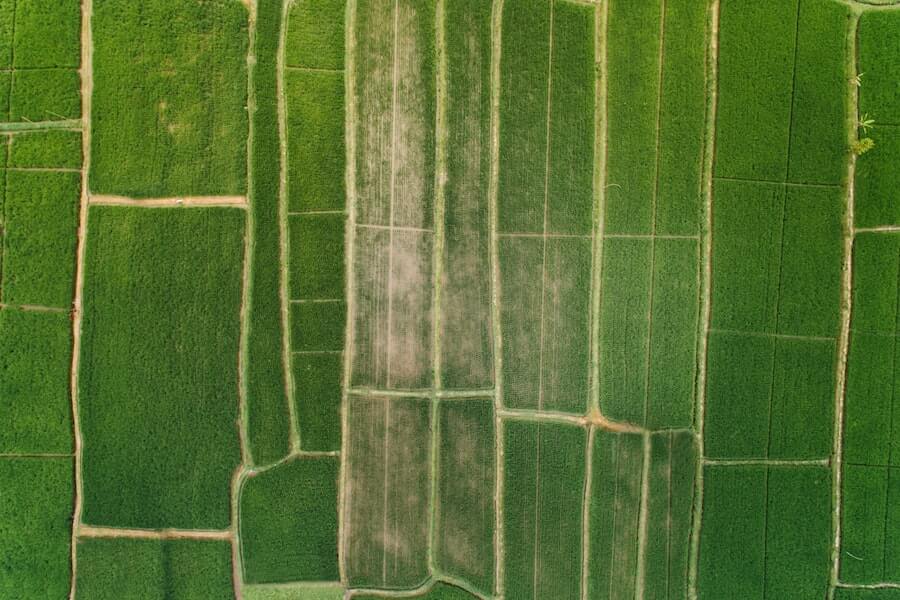
Creating a sustainable garden design is vital to the environment, and makes for a stunningly beautiful garden too. To make the most of this, you can include nature’s patterns in your sustainable garden design for a garden that really takes your away from any urban environments.
If you step outside and take a look around, I’m sure you’ll be able to see nature’s patterns if you focus on looking for them. From spirals on shells and flowers to the beautiful shapes of leaves on the trees, we are surrounded by incredible patterns. Why wouldn’t you want to use them in your garden design?!
Here are 5 sustainable garden design ideas using nature’s patterns for an incredible garden.
Designing From Patterns to Details
Looking at the biggest picture is important in sustainable garden design. It can help us to develop a holistic plan which will work as a blueprint for the creation and management of the space.
In beginning to design a garden, observation and careful thought can help us to understand the flows that pass through the space, and the various factors which act upon it. In analysing the environment, we should look at both physical flows, and at how things alter and change over time.
For example, we should look at patterns of sunlight and shade formed as the sun moves across the sky, through each day and throughout the year. We should look at the patterns of the land – how the topography and issues such as slope influence the flow of water across and through the property.
And we should consider how the prevailing winds influence the site over time. We may also look at patterns of human movement – how we and others tend to use the space. And the movement patterns of wildlife which passes through or moves within the garden.
We can also learn as we observe visual patterns in the landscape, in water flow, in plants, and their growth patterns, and in the appearance and behaviours of wildlife with whom we share our space.
Nature’s Patterns in Garden Layout

After careful observation, we can note how the natural patterns in nature can be used to improve the appearance and function of certain elements in the garden. We can begin by looking at how nature’s patterns might help us develop the best layout for the garden as a whole, and determine how the different elements within the garden should be positioned.
First of all, by combining all that we have learned about the flows and external factors acting on the site, we can determine optimal positioning. We can see where certain types of plants will grow best, and can manage water wisely and well to keep it around where it is wanted, and divert excess water from where it is not desired.
Mimicking the natural, branching flows of water, we can develop water management systems for the space, for example. By undertaking earth-working projects, we can manipulate the terrain, mimicking patterns that work well elsewhere, to make our gardens as abundant and attractive as possible.
We can position elements according to the ways we will use the space – thinking carefully about our pathways through the space, and how frequently we will visit certain spaces, and move between different elements.
And we can refine our designs by creating layouts which mimic the beauty and efficiency in nature – creating access routes and pathways, for example, which mimic the branching form of a tree’s branches and roots, or the trailing fungal hyphae which thread their way through the soil.
Nature’s Patterns in Garden Bed Shape and Form
Moving inwards from the overall design of a garden, we can also use nature’s patterns to help us develop garden beds and growing areas which mimic the natural world. Rather than making beds with geometric shapes and straight edges, we can create garden beds or growing areas which blend more harmoniously into the organic world around them.
For example, we might make beds in circular, curving, wave-formed or even spiral forms. Thinking outside the box when it comes to the shape and form of growing areas can yield some excellent results. One common example is a mandala garden. Another is a herb spiral. Though there are plenty of common eco-friendly, permaculture gardening ideas which have at their heart the concept of designing from patterns found in nature.
Creating beds or growing areas with more organic shapes cannot just create an aesthetically appealing space. It can also bring other benefits. For example, it can increase the amount of edge.
And since the edge between two different ecosystem types is the most biodiverse part of a landscape, this can maximise the yield that you are able to achieve, and make your garden more biodiverse.
Increasing biodiversity makes a garden more stable and resilient due to the higher number of beneficial interactions between plants, and between plants and other elements of the scheme.
Nature’s Patterns in Planting Plans

Not only the shape and form of garden beds, but also the layout of the plants within a growing area can be influenced by nature’s patterns.
For example, in an annual vegetable bed, tessellating patterns often found in nature can show us how to make the most effective use of the space.
And in a perennial planting scheme or forest garden, the natural growth patterns and patterns of growth of a wide range of plants within the ecosystem can help us to see how we can best combine plants to achieve the best results.
Nature’s Patterns in Garden Maintenance
Remember, in looking at nature’s patterns, we need to not only look at visual patterns, but also at the cycles and patterns that occur in nature through the passing of time.
The natural cycles of life, decay and rebirth in a natural ecosystem, for example, can help us see how to return the surplus and complete the cycles in our managed garden areas too.
Using Nature’s Patterns In Your Sustainable Garden Design

There are of course many examples which demonstrate the use of nature’s patterns in sustainable garden design. And many more ways to learn from nature and to mimic natural systems in your garden. But the above should help you begin to see why nature’s patterns are so important in a garden, and how you might be able to use more natural shapes, forms and patterns to make your garden the best that it can be.