


The perfect garden is not a fixed thing, and will look very different to different people, and in different locations. Most people would surely agree that the perfect garden looks great and feels wonderful. I would argue that the perfect garden should be productive too. But it is always important to remember that your goal should not be to create someone else’s idea of perfection. It should be about creating your own ideal. However, knowing how to design a garden layout that fits all this criteria can be tricky!
Creating a successful garden always means that you have to plan, and think carefully about your own goals and requirements, the details of your space and the environmental conditions it can provide. It is only when you have thought carefully about these things that you can go on to add those personalising elements that make your garden the perfect garden for you. To help you get started, here are my tips on how to design a garden layout to create the perfect garden for you and your needs.
How to Plan a Perfect Garden
There are five broad stages that I would argue are key when considering how to design a garden layout and create the perfect garden for you and where you live:
- Determine your garden goals.
- Think about your needs.
- Understand your space.
- Choose the best layout.
- Get creative and add your own style and personality.
1. Determine Your Garden Goals
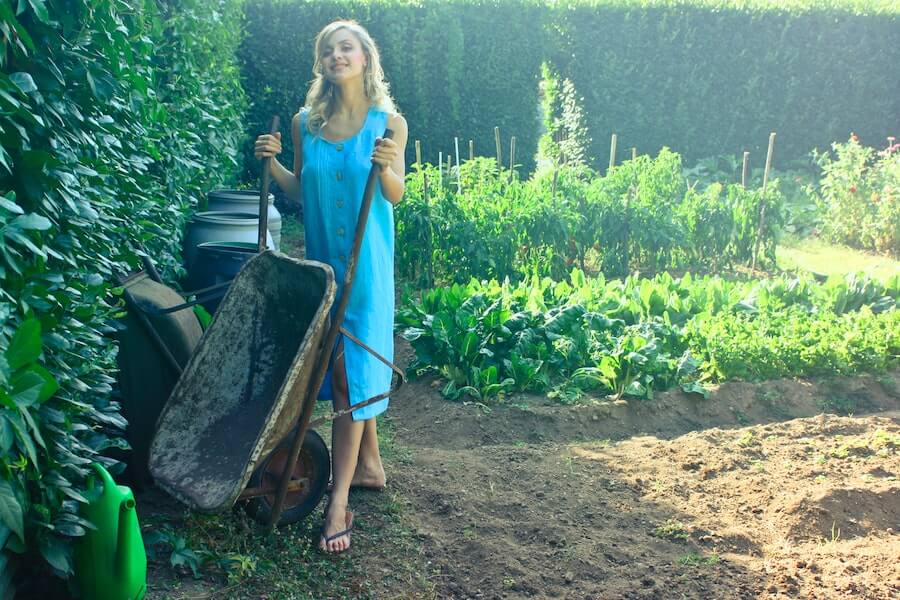
The first thing to think about when planning any garden is what your goals are for the space. We need to determine where you want to end up before you can set out in the right direction.
There are many different things that it could be helpful to think about, including how you plan to use the space, and what you hope to get out of it.
For example, are you really keen to grow your garden to grow your own food? Is it a primary goal for you to create a wildlife-friendly garden? Do you desire your garden to be designed for year-round interest? Do you want it to feel as natural as possible? Or do you prefer a more neat and formal style?
Determining key overarching goals from the very beginning can help you to avoid many of the most common pitfalls, and can make it much easier for you to meet those goals at the end of the planning process.
2. Think About Your Needs
As you start to think about what a perfect garden might mean to you, and your key goals for the project, it is also a good idea to start to think about what your garden can provide, and how your garden can be designed in such a way that it meets your needs, and those of your family or household.
This can help to further direct your efforts, as you consider whether you want a food producing garden with a vegetable garden or a food forest, a garden that provides privacy and peace, a child-friendly garden, a pet-friendly garden… etc…
If you want to grow food, thinking about how much you can grow and how close you can get to self-sufficiency in certain areas can be an interesting thing to consider.
It is also a good idea to think not only about your own needs, but also the needs of plants within the space. Remember, all plants will require sunlight (to varying degrees), water, and a healthy soil or growing medium that provides them with the nutrients they need. This takes us on to the next stage of the planning process.
3. Understand Your Space
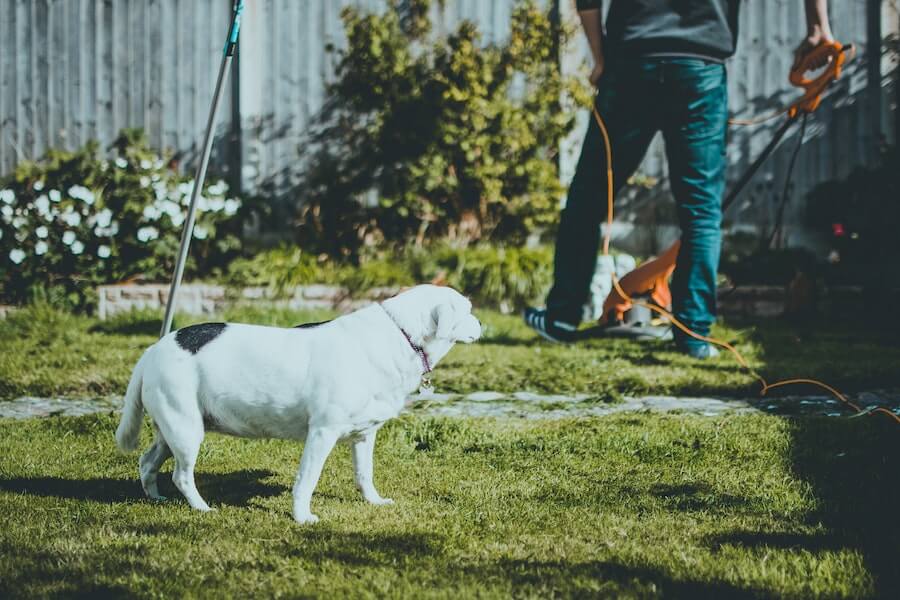
So, you have a broad idea of what you might like, and which of your needs a garden might fulfil. But how to design a garden layout that fits the criteria? Of course, dreaming is important, but we also need to be realistic about our garden space and clearly see its strengths and weaknesses, opportunities and challenges in order to make it as ideal for us as can be.
Even the smallest space can become the perfect garden, even when the space itself may initially certainly leave something to be desired. But we need to work with what we have. And to do that we need to understand the space clearly. Observation is key.
Consider Sunshine and Shade
One of the first and most important things to think about when considering how to design a garden layout, no matter what type of garden you wish to create, is sun. You need to think about how much sun the space receives, and how the pattern of sun and shade alters over the course of the day.
In a challenging space with less or even no full sun, creating a beautiful shade garden can bring its challenges, but also opportunities to grow a wide range of amazing plants.
Work Out the Wind
Do you have a windy garden? Where do prevailing winds come from in your garden, and when? Working out where wind comes from can help you to harness its power, but also think about creating windbreak planting where required to create a more sheltered microclimate for other plants.
Be Water-Wise
Another important thing to think about is water – how much rain falls, and how water moves across and through your garden. It is a great idea to think about harvesting rainwater on your property, and also about taking measures to make sure you catch and store water in your garden, directing it to where it is required and perhaps directing it away from where it is not.
Get to Know Your Soil
Another important factor in understanding your space might be the soil. In most gardens, you will need to know your soil type, and its properties in terms of drainage, moisture retention, and pH in order to choose the right plants for place, no matter what kind of garden you want to create.
When we take some time to look at these things, and also to observe other things that act upon or influence conditions in our space, we can begin to build up some kind of picture of what might work and what definitely won’t work.
We can take advantage of the opportunities and existing resources the garden presents, and develop the best strategies and ideas to move us forwards towards our goals.
4. Choose the Best Layout for your Perfect Garden
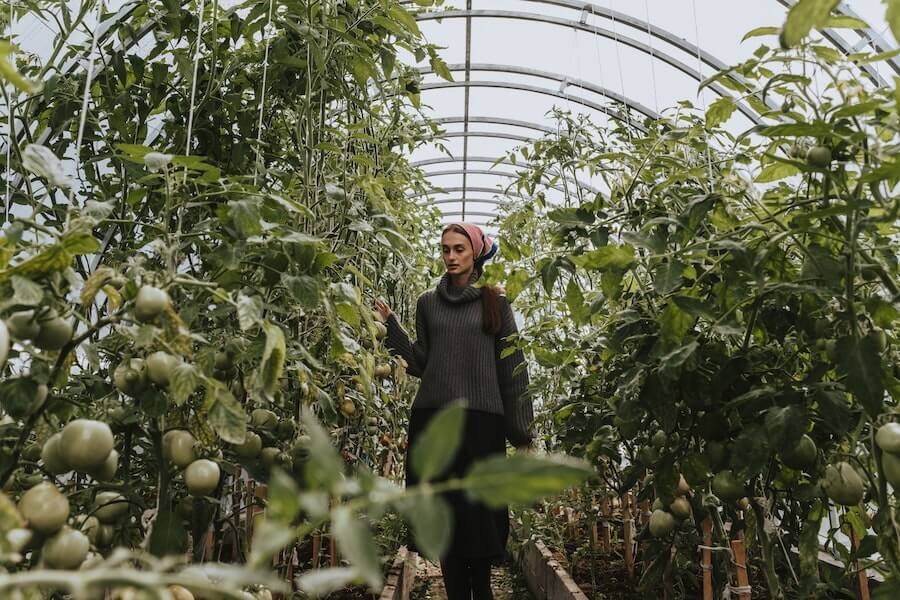
Once you have better and clearer picture of the space as it currently stands, you can move to think about where you might best position certain elements. Now, how to design a garden layout depends on your needs and wants in your garden. However, here’s some tips to help you get started.
How to Design a Garden Layout
When it comes to how to design a garden layout in most outdoor spaces, you will begin by thinking about the area as a whole. It can be helpful to begin by looking at access, infrastructure (fences, walls or buildings), and water. Of course, at the same time, you will be considering your main growing areas and what type or types of growing area these will be.
These things will begin to give you an idea of the broad layout and shapes of your garden. It is a wonderful idea to play around with different ideas, and to think through each layout option carefully, thinking about the information you’ve learned about the space in the stage above, and also how you will actually use the space.
Plan Your Pathways
When thinking about how to design garden layout in any type of garden, pathways will be important. Paths provide practical access, of course. They can also take you on a journey around the space. Paths can play a major role in setting the tone and creating a certain style in your garden. So it is important to think carefully about what they will be made from, and where they will go.
Look To Your Boundaries
Another very important element in garden design is how you treat the boundary of the space. Lush, dense planting like hedgerows and shrubberies, or a forest garden design, around the boundaries of your garden can be a wonderful idea for a private garden space. Dense planting makes the space feel more tranquil and enclosed. But make sure you think about the shade trees or larger shrubs might cast, and carefully consider where precisely to position these in relation to other elements.
Plan Your Growing Areas
Of course, plants should be the main element in many garden. Think carefully about the types of habitat you might create in your garden – habitat for wildlife and habitat for humans too. Working from the plants for which you can provide optimal growing conditions, carefully think about how you can combine different plants to create different growing areas in the most effective ways.
From woodland to meadow to herbaceous border, to vegetable bed to rockery or gravel garden… there are a huge range of different planting schemes that you might consider depending on what your goals are and where exactly you live.
Decide on Additional Elements to Include
There are also plenty of other elements that you might wish to find in your perfect garden. So naturally you will also need to think about any of these that you want to include as you plan your garden layout.
You might, for example, want some kind of a garden shed, summer house, or other kind of garden building. To grow you own year round, you will almost certainly want to add a polytunnel and/or greenhouse. Garden ponds and water features are also useful options to add to many gardens. And don’t forget to add space for drying clothes outdoors where possible.
5. Get Creative
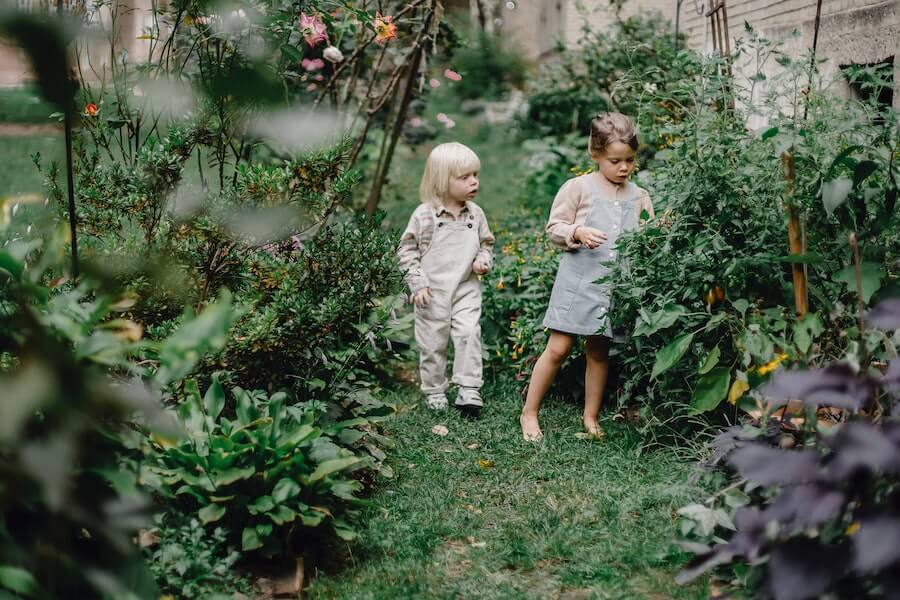
The final step of how to design a garden layout is very much up to you. Beyond practicalities and meeting your primary goals, have some fun and add some of those little personal touches and flashes of creative flair that allow you to make sure that your personality and preferences shine through in your perfect garden.
References
https://www.rhs.org.uk/soil-composts-mulches/ph-and-testing-soil