

Conversion to organic farming is on the rise. Many farmers are recognising that the ways things have been done in recent decades are not necessarily the best ways, and that it can pay in many ways to convert a farm to organic farming.
But the conversion process can seem complicated to those who have not yet gone through it, and as with so much in farming there is now a lot of paperwork to fill in. If we remove all that and focus on the basics, however, we soon see that organic farm conversion is not only possible, but can bring savings and financial rewards for a farming business.
In this guide, we’ll aim to walk farmers and other interested parties through the process involved in converting a farm to organic farming.
Table of Contents
What Is Organic Farming?
First things first, it is important to understand what organic farming actually is. Of course we can begin with an understanding of what is prohibited in organic farming. But that is not the end.
To understand organic farming properly we need to understand that it involves not only avoiding the use of artificial herbicides, pesticides and fertilizers, but also involves engaging in a series of sustainable agricultural practices.
Contrary to popular belief, organic farming is something that can work on every farm. However, not every approach will be equally well suited to every situation and it is important when converting to choose the approaches best suited to the particular farm and site. So while all organic farms will have certain things in common, two organic farms can look very different to one another.
How To Convert An Existing Farm To An Organic Farm
The process of converting existing farmland to organic farming is not as complex and overwhelming as it may at first appear.
But it is important to make sure that you understand the pathway you will take as you begin the process, and to make sure that you have all the inspiration and facts that you need before you begin.
Read More: Sustainable Farming Tips
Get Inspiration
If can be helpful, during the early stages of fact-finding on organic farming, or organic growing in general, to seek out first hand sources of information.
Don’t just read books or online articles on this topic – visit organic farms and meet up with real farmers who have already gone through the process and who can advise you on real-world practice and strategy for organic farming.
Seeing it for yourself will also help you to see what is possible for your own farm, and how beneficial your hard work will be.
As well as ascertaining the benefits of organic farming for the environment, for wildlife, and for people living close by, you should also be able to ascertain the financial benefits of organic farming and be able to see why it can often make sound business sense.
Talking to co-ops, wholesalers and outlets can also help you to understand the market, supply chain and distribution issues, and the prices your organic produce might command.
Consider The Changes You Will Have To Go Through To Achieve Organic Farming
Forewarned is forearmed. As you convert to organic farming no one is saying that everything will always be easy, go smoothly, or turn out exactly as planned. But things are likely to go a lot more smoothly if you have anticipated what challenges may arise and have done all you can to mitigate against them.
Being able to forecast, at least to a degree, the various struggles and the various stages of the process in general, will make it more likely that you will meet with success in the medium to long term.
On some farms, only minimal changes will be required for organic conversion, but on others, much more substantial changes may be required. You need to know what changes must be made, and try to check through the ramifications of each of those changes.
Check If You Can Get Funding For Your Organic Farming Scheme
In the UK, it may be possible to get funding to help you undertake the transition to organic farming.
You can get financial help to convert your farm to organic farming through:
- the Countryside Stewardship scheme
- rural grants and payments
- organic conversion grants
- organic land management grants
Organic conversion grants and organic land management grants are made for conversion of land to certain different types of organic farming.
For more information about funding and grants for organic farming, visit the Government site.
Make A Conversion Plan
Before you decide which route to take and start to put a plan to convert a farm to organic farming into action, you should make sure that you create a firm plan so that at each stage, you know exactly what is expected and how you will proceed.
You will need to know where you are starting from, with good data from your existing farm operation, and you will need to know where you are going, as well, of course, as what it will take to get there.
In a farm conversion plan you should include:
- Your starting point – an appraisal of the current farm, its resources and current status.
- A statement of the endpoint for the project and the objectives for your organic farming.
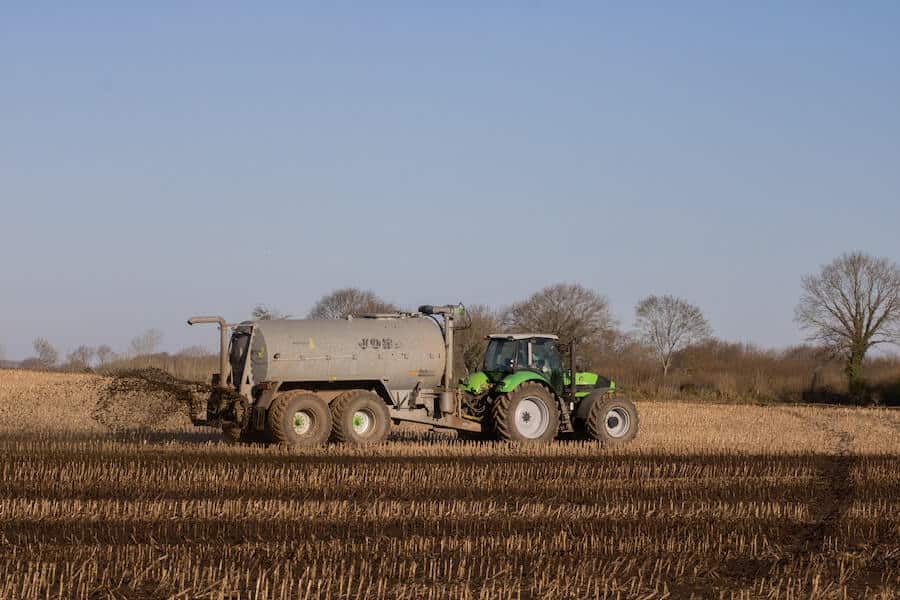
- A plan of the farm system with soil and manure management plans, crop rotation for arable production, livestock type, numbers and management where livestock are included.
- A review of all the infrastructure, equipment and/or staffing changes that conversion to organic farming will require.
- Details of how long you will take to complete the conversion to organic farming. A single-stage conversion will typically take a couple of years. But larger or more complex farms may complete a conversion over a longer time period.
Establish An Organic Farming System
It is important not to get too caught up in the conversion process itself and to think for the longer term.
There will be certain procedural things that you have to do as you convert a farm to organic farming but the most important thing is to put practices in place that will serve your growing efforts over the years to come and allow your new organic production to be sustainable over the longer term.
You need to think about a wide range of factors, which might often include:
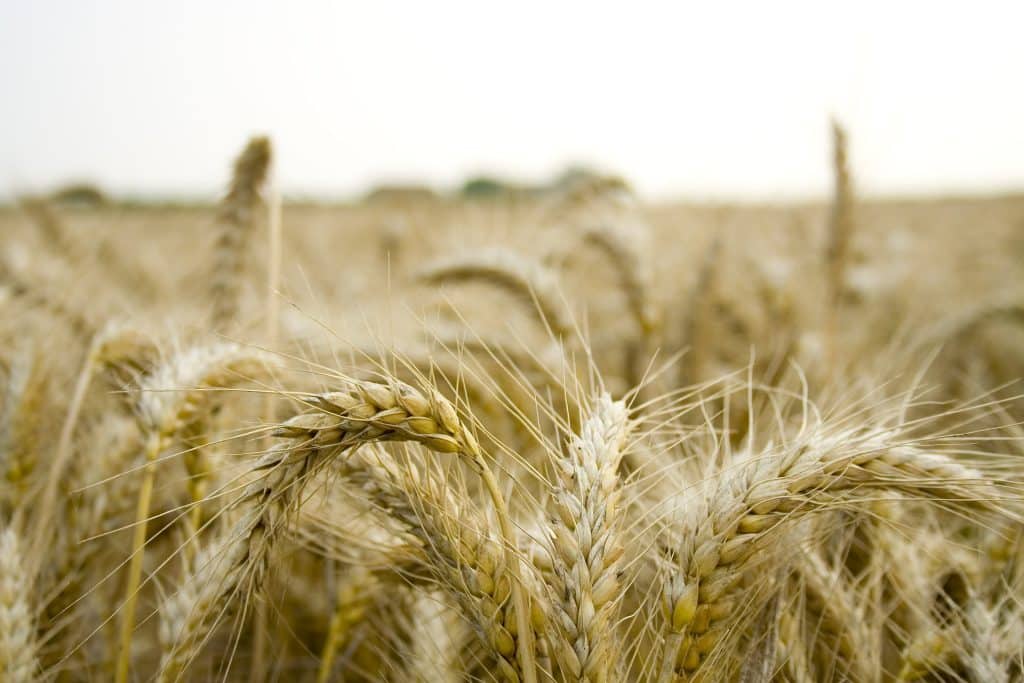
Sourcing organic seeds for arable crops (or perhaps seed saving yourself).
Managing soil health and fertility. (Through, for example, crop rotation and crop sequence to balance the demands made on the soil, the use of legumes/ dynamic accumulators and animal manures for nutrient cycling, the management of waste and the creation of closed-loop systems on your farm.)
Effective management of weeds, pests and diseases using sustainable organic methods.
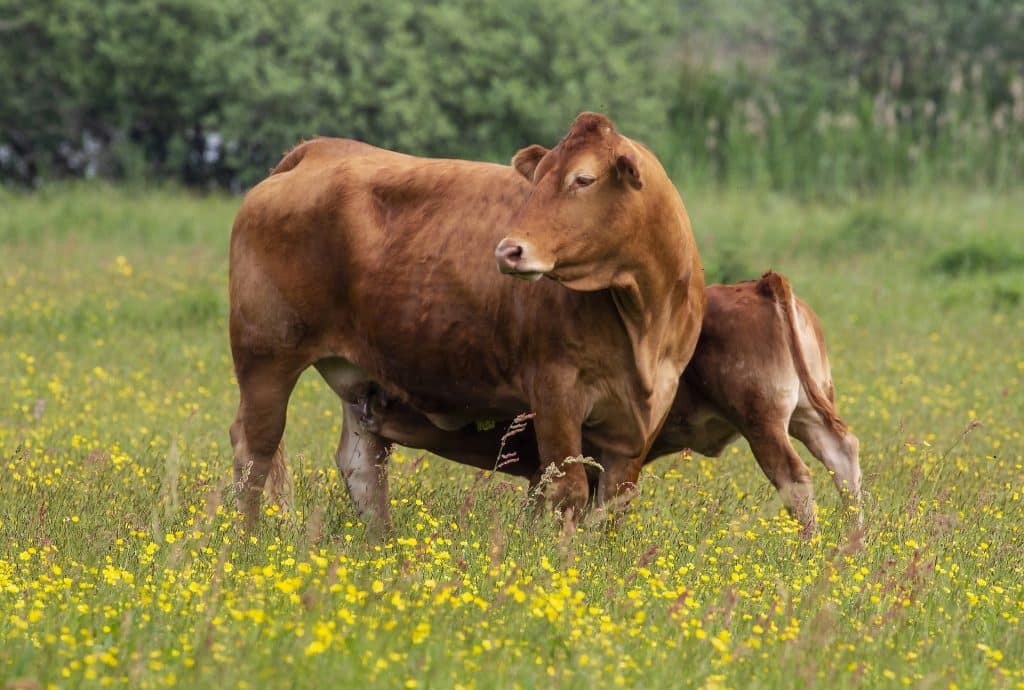
Livestock systems overhaul and organic animal husbandry. (Considering what livestock are fed, where they are housed, and how they are treated for any health problems etc.. as well as where new stock required might come from.)
Get Your Organic Farm Tested
In order to ensure that an organic farm is functioning as it should, data collection and monitoring are hugely important. Knowing where you are is very important, especially when big changes are being made.
Of course, getting tested will also be crucial for those who wish to acquire and retain formal organic certification, as you need to be able to verify what you have done and are doing. You will be tested by regulatory bodies at least once a year as an organic farm. Tests may come at any time and you may not have advance notice of the visit.
Wait for Your Organic Farm Certification
Those who pass inspection will receive a certificate to allow them to produce and sell organic food. These certificates are valid for one year. If you continue to meet the standards required and pass subsequent annual inspections then you can have this organic farm certification renewed.
Once you have your certification in place then you will be allowed to market and label any produce from your organic operation as organic, and can rest easy knowing that you are organic farming and doing the right thing for people and planet.
References:
GOV.UK. (n.d.). Organic farming: how to get certification and apply for funding. [Accessed 02/06/23] Retrieved from https://www.gov.uk/guidance/organic-farming-how-to-get-certification-and-apply-for-funding
GOV.UK. (n.d.). Organic produce: tests and inspections. [Accessed 02/06/23] Retrieved from https://www.gov.uk/guidance/organic-produce-tests-and-inspections