

Honesty plants are a favourite among gardeners for their attractive flowers, captivating seed pods, and relatively easy-care needs. There is common honesty, a biennial plant, and perennial honesty. Both can be great choices for many UK gardens. This article covers everything an organic gardener needs to know for growing honesty plants successfully, whichever type of honesty they choose to grow.
KEY TAKEAWAYS
- Trench composting involves burying organic matter in a trench to decompose and enrich the soil with essential nutrients, improving soil structure and water retention.
- This method eliminates the need for compost bins and reduces garden waste, directly benefiting plant growth by adding nutrients to the planting area.
- A balance of “green” (nitrogen-rich) and “brown” (carbon-rich) materials is vital for successful decomposition.
- Trench composting is ideal for improving soil fertility in small spaces or areas where crops like beans and squash are grown.
- Troubleshooting tips include addressing slow decomposition, foul smells, pest problems, trench flooding, and nutrient imbalances, with practical solutions such as adjusting moisture, aeration, and material mix.
- The post-hole digging method, or cathole composting, is great for smaller waste amounts and limited garden space, allowing for quick composting in specific areas.
- For targeted nutrient deficiencies, burying specific organic materials, like coffee grounds for nitrogen or banana peels for potassium, can directly address soil needs.
Key Info:
| JAN | FEB | MAR | APR | MAY | JUN | JUL | AUG | SEP | OCT | NOV | DEC | |
| SOW | ✅ | ✅ | ✅ | ✅ | ✅ | |||||||
| PLANT | ✅ | ✅ | ✅ |
Crop Rotation Group: Lunaria is a genus within the Brassica family, so it is related to common crops in the cabbage family.
Soil: Well-drained, moderately fertile, neutral to slightly alkaline soil.
Position: Full sun to partial shade.
Frost Tolerance: Hardy; tolerates light frost
Honesty Varieties to Grow
There are two main varieties of honesty that UK gardeners may consider:
- Lunaria annua: Known as common honesty, this is a biennial plant, meaning it grows leaves in the first year and flowers in the second. It has striking purple or white flowers and produces flat, translucent seed pods in late summer, which dry beautifully for indoor arrangements.
- Lunaria rediviva: This perennial honesty variety is less commonly grown but is a good choice for gardeners seeking a longer-lasting plant. It features slightly smaller, pale purple flowers with a delicate fragrance. This plant also develops attractive seed pods but is slower to establish.
How to Grow Honesty

Growing honesty plants is straightforward. These plants thrive in many UK gardens and adapt well to different soil types and light conditions, making them ideal for both experienced and beginner gardeners. Let’s explore the steps for a successful honesty crop.
Where to Plant Honesty
Honesty plants prefer a position in full sun to partial shade. They will grow well against garden walls, in mixed borders, and along paths or garden beds where they can be appreciated up close. Make sure the site has good drainage, as honesty plants dislike waterlogged soil.
They can also grow in light woodland areas, where they receive dappled sunlight, and could be considered for a fruit tree guild or forest garden.
How to Plant Honesty
Plant honesty seeds directly into the soil in late spring or early summer after the last frost has passed. Although honesty can be grown from seedlings, starting them directly from seed is generally simpler and yields more robust plants.
Both biennial and perennial Lunaria are best planted in autumn, ideally between September and November. Since honesty develops a large tap root, it’s most successful when transplanted at a young age, as older, larger plants often struggle to establish as effectively as smaller ones.
Spacing
Space honesty plants about 30–45 cm apart to give them room to spread. Proper spacing allows air circulation, which reduces the risk of fungal diseases.
How to Propagate Honesty

Honesty plants are easy to propagate from seeds, which they readily self-seed if allowed. Harvest seeds from mature seed pods in late summer. Store them in a cool, dry place until you’re ready to plant. Sow seeds directly into the garden soil in spring, sowing outdoors between April and June.
If starting indoors, sow seeds 6-8 weeks before the last expected frost in your area, then transplant outside. Plant seeds approximately 5 mm deep, just lightly covering them with soil.
Root cuttings can be another potential method of propagation for honesty. This technique is best suited to Lunaria rediviva (the perennial honesty), as it has a more established root system than the biennial variety.
During the dormant season (late autumn to early winter), take 5–10 cm sections of root from a healthy plant, making sure each cutting has a growing tip. Plant the root cuttings horizontally just below the soil surface in pots or a protected garden bed and keep moist but not waterlogged. New shoots may appear in spring.
Mature Lunaria rediviva plants can also sometimes be divided, though it’s challenging due to the deep taproot of the plant. In early spring, dig up the plant carefully to avoid root damage, then separate smaller sections with their own roots. Replant immediately in prepared soil, and water thoroughly.
Honesty doesn’t naturally layer like some other perennials, but gentle layering might work with Lunaria rediviva by bending a low stem to the ground and covering it with soil. Roots may form where the stem touches the ground, and you can separate the new plant after it roots.
How to Care for Honesty

Honesty is not a challenging plant to care for, but it is important to understand the basic needs of the plant and to make sure that they are met. The most important areas to consider are outlined below:
- Light
Honesty plants prefer full sun to partial shade. In shadier areas, plants may become more leggy and produce fewer flowers, though they can still thrive with adequate light.
- Soil and Water
These plants grow best in well-drained soil that’s moderately fertile. Honesty prefers a neutral to slightly alkaline pH. Water plants regularly during dry spells but avoid waterlogged conditions, as honesty is prone to root rot in excessively wet soils.
- Temperature and Humidity
Honesty plants are hardy and can tolerate light frost, making them suitable for the UK climate. They thrive in average humidity levels and do not require special care to manage humidity.
- Feeding
Feed honesty plants with an organic fertiliser, such as compost or well-rotted manure, in spring when they begin to grow. This provides the nutrients they need without encouraging excessive leaf growth over flowers.
- Pruning
Prune honesty plants lightly after flowering to encourage a neat shape and prevent overcrowding. Removing spent flowers can also reduce self-seeding if you prefer to control where new plants emerge.
Potting and Repotting Honesty
Although honesty plants are typically grown in garden beds, they can be successfully cultivated in pots. Use a container with good drainage and a standard potting mix. Repot every 1-2 years, especially if the plant becomes root-bound.
Growing Honesty: Problem Solving
Honesty plants are generally hardy and resilient but may encounter issues, including:
Root rot caused by overwatering or poor drainage. Ensure soil is well-drained and avoid excessive watering. Powdery mildew may also caused by high humidity or poor air circulation. Ensure proper spacing and avoid watering leaves directly.
Slugs and snails may occasionally damage young honesty plants. Encourage natural predation through planting and habitat creation for the right species to keep their numbers in check.
Honesty Companion Plants
Honesty pairs well with other cottage garden favourites, such as:
- Foxgloves (Digitalis purpurea): Both biennial plants, foxgloves complement honesty with their tall spikes and attract pollinators.
- Sweet Rocket (Hesperis matronalis): A fragrant, flowering biennial that provides blooms in shades of purple and white, harmonising well with honesty’s hues.
- Forget-Me-Nots (Myosotis sylvatica): These create a stunning visual contrast with honesty, enhancing the garden’s natural beauty in spring.
- Aquilegia (Columbine): With delicate, nodding flowers, aquilegias add height and colour, complementing honesty’s blooms and attracting pollinators.
- Hellebores: These early spring bloomers offer evergreen foliage and beautiful flowers, providing visual interest before honesty blooms and extending the garden’s seasonal appeal.
- Euphorbia (Spurge): Known for its vibrant green foliage and unique flower bracts, euphorbia contrasts well with honesty, creating a lush, layered effect.
- Bleeding Heart (Dicentra spectabilis): With arching stems and heart-shaped blooms, bleeding hearts add elegance to garden borders and thrive in similar light and soil conditions.
- Primroses (Primula vulgaris): Primroses add a pop of colour to spring gardens, complementing honesty’s early foliage and helping attract bees and other pollinators.
- Lungwort (Pulmonaria): This shade-loving perennial has speckled leaves and purple-pink flowers that pair beautifully with honesty, thriving in woodland or border settings.
- Lamb’s Ear (Stachys byzantina): With soft, silvery foliage, lamb’s ear creates a lovely texture contrast with honesty’s green leaves, enhancing garden structure and depth.
Growing Honesty in a Polytunnel
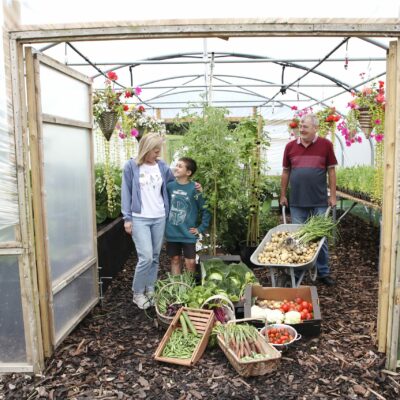
Although honesty plants are generally grown outdoors, they can also be grown in polythene tunnels for earlier flowering or protection from severe weather. In a polytunnel:
- Monitor temperature to avoid excessive heat, as honesty prefers cooler conditions.
- Ensure adequate ventilation to prevent mildew and other fungal issues.
- Water plants as needed but avoid creating a humid environment.
These honesty plants are resilient plants, however, experiencing few serious problems on the whole. They are well-suited to various garden styles and thrive with minimal care, making them a great choice for organic gardeners of all levels. With the proper care and attention, your honesty plants will bring colour, charm, and beauty to your garden year after year.
FAQs
How do you dry the seed pods of honesty?
To dry honesty seed pods, wait until they turn brown and papery on the plant. Harvest them by cutting the stem near the base. Hang them upside-down in a warm, dry, and well-ventilated area. Once dry, carefully remove the outer layer of each pod to reveal the translucent “silver coin” membrane inside. This can then be used for decorative purposes in dried arrangements.
Is Lunaria annua annual or perennial?
Despite its name, Lunaria annua is typically biennial, meaning it takes two years to complete its lifecycle. It grows foliage in the first year and flowers in the second. However, if left to self-seed, new plants will appear each year, giving the impression of a perennial presence in the garden.
Sources
Rutter, T., (2024) 7 biennial flowers to plant in June – with seed sowing advice from a professional gardener. Homes and Gardens. [online] Available at: https://www.homesandgardens.com/gardens/biennials-to-sow-in-june [accessed 14/11/2024]