

Each day, our bodies release essential nutrients that are crucial for plant growth. When these valuable nutrients are flushed away, they can contribute to nutrient pollution, leading to issues such as harmful algal blooms and significant fish die-offs.
By collecting your urine—sometimes referred to as “liquid gold”—this byproduct can be transformed from waste into a valuable resource. The practice of using urine as fertilizer has deep historical roots and continues to be utilized in various communities around the globe.
The notion of using human urine as a fertilizer may evoke mixed feelings, but it’s a topic worth exploring for its environmental and agricultural implications. Urine, often dismissed as a waste product, contains nutrients that can be beneficial for plant growth.
However, like any unconventional gardening practice, it requires careful handling to ensure safety and effectiveness. This article answers the question – is urine good for plants – as we delve into the truth about using urine as fertilizer, safe pee-cycling practices, and potential risks.
Home-Based Pee-Cycling – Safe Pee-Cycling Practices
Pee-cycling, or the practice of using urine as a resource in gardening, is gaining attention as a sustainable alternative to synthetic fertilizers.
According to guidelines published by the World Health Organization in 2006, urine from a single household can be safely used in home gardens without requiring any pre-treatment.
Urine is rich in nitrogen, phosphorus, and potassium—key nutrients that plants need to thrive. The process involves collecting urine, diluting it, and applying it to soil or compost.
Is Urine Good For Plants: Using Urine in the Garden
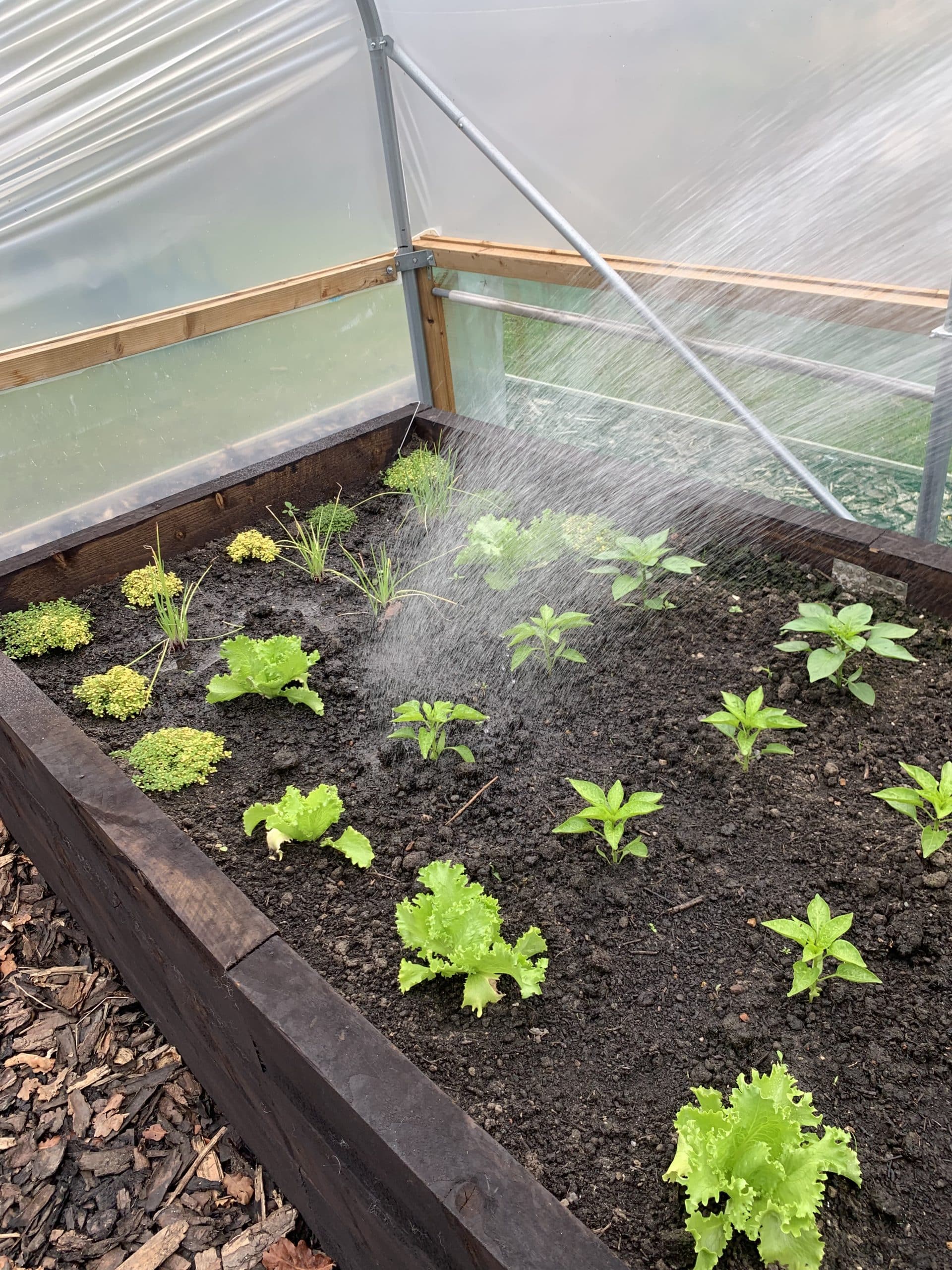
When using urine in your garden, it’s crucial to adhere to safety protocols to maximize benefits and minimize risks. Urine should always be diluted before application to prevent potential harm to plants and soil. A common dilution ratio is 1 part urine to 10 parts water.
This dilution not only reduces the concentration of nutrients to a plant-friendly level but also decreases the risk of ammonia burn, which can damage plant roots and foliage.
Don’t Apply To Edible Plant Parts
While urine can be beneficial for soil fertility, applying it directly to edible plant parts is not recommended. This precaution helps avoid any potential contamination and ensures that the produce remains safe for consumption.
Instead, focus on applying diluted urine to the soil around the base of plants or in compost.
Compost It
Adding urine to compost bins can enhance the decomposition process due to its high nitrogen content, which balances the carbon-to-nitrogen ratio in compost.
However, ensure that the compost is properly managed to avoid any health risks. A well-maintained compost bin will reach temperatures high enough to kill pathogens, making the end product safe for garden use.
Considering Ammonia Gas Conversion
Urea in urine can rapidly turn into ammonia gas when exposed to air. To minimize the loss of ammonia through volatilization, store urine in sealed containers and apply it to damp soil during fertilization.
Salt Accumulation
Urine contains a notable amount of salt, which typically isn’t an issue for outdoor gardeners in humid regions. In these areas, rainfall and snowmelt generally exceed soil evaporation rates, allowing excess salts to be washed away from plant roots into the soil.
However, if you are gardening in a controlled environment like a greenhouse or live in a dry or semi-dry region, salt accumulation could become a concern.
Currently, there are no specific guidelines for using urine in such arid conditions. If you choose to use it, closely monitor your soil for signs of salt build-up. Should you detect an increase in salt concentration, you can address it by flushing the soil with water.
Other factors to consider/Possible Risks in Using Urine in the Garden
Dilution
As previously mentioned, dilution is critical when using urine in the garden. Undiluted urine can be too concentrated and may lead to nutrient overload, soil salinization, or ammonia toxicity. Dilution ensures that nutrients are provided in appropriate amounts, making them accessible to plants without causing harm.
Hormones and medicines
Human urine can contain traces of hormones and pharmaceutical drugs, which may affect soil health and plant growth. While the concentrations of these substances are typically low, they can accumulate over time and potentially impact the soil ecosystem.
To mitigate this risk, it is advisable to use urine from healthy individuals who are not taking medication (including contraceptives or hormone treatments).
Bacteria, germs, and viruses
Urine can potentially carry bacteria, germs, and viruses, which might pose a risk to plant health and human safety. Although urine is generally sterile when it leaves the body, it can become contaminated once exposed to the environment.
Proper dilution and composting help mitigate these risks, but it’s essential to maintain good hygiene and follow recommended practices to minimize the potential for contamination.
Transmissible Illness
Certain illnesses can be transmitted through urine, making it crucial to be cautious when using it in gardening. Some specific concerns include:
- Leptospirosis: This bacterial infection can be transmitted through contact with contaminated urine. To reduce the risk, avoid handling urine with bare hands and ensure proper dilution and composting.
- Cytomegalovirus (CMV) Infection: CMV is a common virus that can be present in urine. While it is not typically harmful to healthy individuals, it can pose a risk to those with weakened immune systems. Proper handling and composting can help minimize this risk.
- Urinary Tract Infections (UTI): UTIs are common and can sometimes be present in urine. However, the risk of transmitting UTIs through urine used as fertilizer is considered low, especially with proper dilution and composting.
Benefits of Urine for Plants
Using human urine as a fertilizer might initially seem unconventional, but it offers a range of benefits that make it an appealing option for sustainable gardening. Understanding these benefits can help gardeners make informed decisions about incorporating this resource into their practices. Here’s a detailed look at the advantages of using urine for plants:
Nutrient-Rich Resource
One of the primary benefits of urine as a fertilizer is its rich nutrient content. Urine is a natural source of three essential nutrients for plant growth:
- Nitrogen (N): Nitrogen is crucial for promoting leafy, vegetative growth. It is a major component of chlorophyll, the green pigment in plants that is essential for photosynthesis. Adequate nitrogen levels can lead to vigorous plant growth and higher yields, especially in leafy vegetables and grains.
- Phosphorus (P): Phosphorus supports root development, flowering, and fruiting. It is vital for energy transfer within plants, as it is a key component of ATP (adenosine triphosphate), the molecule responsible for storing and transferring energy in cells. Enhanced phosphorus availability can lead to better root systems and increased flowering and fruit production.
- Potassium (K): Potassium regulates various physiological processes, including water uptake, enzyme activation, and photosynthesis. It helps plants withstand stress, diseases, and pests. Potassium also improves the quality of fruits and vegetables, making them more nutritious and flavourful.
The nutrient profile of urine is comparable to that of some commercial fertilizers, making it an effective alternative for supplying plants with the necessary elements for growth. By providing these nutrients, urine can enhance soil fertility and overall plant health.
Cost-Effective Fertilizer
The cost-effectiveness of using urine as a fertilizer is another significant advantage. Traditional commercial fertilizers can be expensive, especially for large gardens or agricultural operations. In contrast, urine is a free and readily available resource.
By utilizing urine, gardeners can reduce their reliance on expensive synthetic fertilizers, thereby lowering their gardening costs. This practice not only saves money but also provides a practical solution for managing and recycling a waste product. For those interested in sustainable living and reducing their environmental footprint, pee-cycling offers a budget-friendly and eco-conscious alternative.
Environmental Sustainability
Pee-cycling contributes to environmental sustainability in several ways:
- Waste Reduction: Human urine is a byproduct of daily life that is typically flushed away as waste. By repurposing urine as a fertilizer, we reduce the amount of waste entering sewage systems and treatment plants. This practice aligns with the principles of waste reduction and resource efficiency.
- Reduced Synthetic Fertilizer Use: The production and use of synthetic fertilizers have environmental implications, including the release of greenhouse gases and the depletion of non-renewable resources. By using urine, gardeners can reduce their dependence on synthetic products and decrease their ecological footprint.
- Minimized Nutrient Runoff: One of the challenges with synthetic fertilizers is nutrient runoff, which can lead to water pollution and harm aquatic ecosystems. When applied properly, urine can reduce the risk of nutrient runoff. Diluting urine and incorporating it into the soil or compost helps ensure that nutrients are absorbed effectively and minimizes the likelihood of leaching into water sources.
By integrating urine into gardening practices, individuals contribute to a more sustainable and environmentally friendly approach to agriculture and horticulture.
Improved Soil Health
The addition of urine to compost or soil can significantly enhance soil health and fertility:
- Enhanced Composting: Urine is high in nitrogen, an essential component of compost. Nitrogen helps balance the carbon-to-nitrogen ratio, which is crucial for the composting process. This balance promotes the decomposition of organic matter and speeds up the composting process. As a result, compost enriched with urine can be more nutrient-dense and beneficial for soil.
- Soil Fertility: Adding urine to soil can improve its nutrient profile, making it more fertile and capable of supporting healthy plant growth. The nutrients in urine can be slowly released into the soil, providing a steady supply of essential elements for plants.
- Soil Structure: Healthy soil is characterized by good structure, which allows for proper aeration, drainage, and root development. By enhancing soil fertility and compost quality, urine contributes to improved soil structure. Well-composted soil supports beneficial microorganisms and improves overall soil health.
In summary, using urine as a fertilizer offers multiple benefits for plants and the environment. Its nutrient-rich composition provides essential elements for plant growth, while its cost-effectiveness makes it an attractive alternative to commercial fertilizers. Pee-cycling supports environmental sustainability by reducing waste and minimizing reliance on synthetic products, and it improves soil health by enhancing compost and soil fertility.
By incorporating urine into gardening practices with proper dilution and application techniques, gardeners can harness these benefits and contribute to a more sustainable and efficient approach to cultivation.
For other growing aids in the garden, try these guides:
FAQs
What plants benefit from urine?
Most plants can benefit from the nutrients in urine, especially those that require high levels of nitrogen, such as leafy greens (lettuce, spinach), brassicas (cabbage, broccoli), and some root vegetables (beets, carrots). However, it’s important to use urine carefully and avoid applying it to edible parts of plants.
Can you put human urine in a compost bin?
Yes, human urine can be added to a compost bin. It serves as a nitrogen-rich additive that helps balance the carbon-to-nitrogen ratio in compost. Ensure that the compost bin is well-managed and reaches appropriate temperatures to kill pathogens and produce safe compost.
Are pennies good for plants?
The idea that pennies are good for plants is a common myth. Pennies contain copper, which can be toxic to plants in high concentrations. Instead of relying on pennies, use well-balanced fertilizers or compost to provide essential nutrients.
Is horse urine good for plants?
Horse urine, like human urine, contains valuable nutrients such as nitrogen, phosphorus, and potassium. It can be used as a fertilizer with similar precautions, including dilution and avoiding application to edible parts of plants. Horse urine may also be used in composting to enhance nutrient content.
Sources
World Health Organisation. (n.d.) Homepage. [online] Available at: https://www.who.int/ [accessed 21/08/24]