


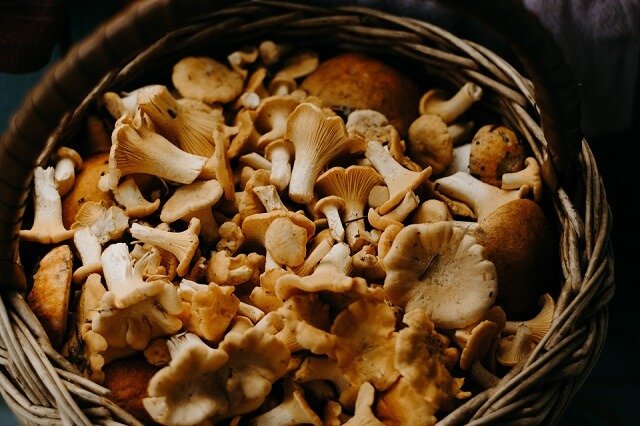
 While most polytunnel growers will focus on growing a range of annual vegetables and perhaps some fruits, there are other things that can be grown in an undercover growing area. This autumn, you may wish to branch out and consider adding other items to your growing repertoire. You may, for example, like to consider choosing and stocking a polytunnel for growing mushrooms. In this guide, you will learn a little more about how to grow mushrooms.
Whether you are looking at a small, home-growing enterprise or a commercial endeavour, growing mushrooms in a polytunnel can be a good idea. An appropriate polytunnel can make it easier to create the specialist, damp and shady environment that mushrooms need to grow. If you want to know more about how to grow mushrooms at home – read on.
The Growing Process For Mushrooms
How Long Mushrooms Take to Grow
How long mushrooms take to grow will depend on which type of mushroom you have decided to grow in your polytunnel and on how exactly you choose to grow them. Environmental factors will also have a bearing on how quickly you are able to harvest your mushrooms.
Most mushrooms that are suitable for home growing will be ready to harvest in between 1 and 3 months – though oyster mushrooms are one of the quickest varieties to grow, and these can be ready to harvest in as few as three weeks. Shiitake mushrooms are also a relatively fast-growing variety. If you have provided the right environment and substrate for your mushrooms, fruits should usually form within a 1-3 month period.
‘Shocking’ Mushrooms into Fruiting
Mushrooms grown on logs that are not producing fruits can be ‘shocked’ into production. Logs that have been inoculated with mushroom spores such as oysters or shiitake mushrooms can be ‘shocked’ at almost any time of the year, though this will usually work best in spring or autumn and should be avoided when temperatures will drop below freezing.
‘Shocking’ mushrooms is about mimicking a branch falling from a tree to the forest floor. This causes survival mode to kick in, and mushrooms will tend to fruit to ensure their continued survival. The best way to do this is to knock one end of your log sharply on the ground, and then submerging the log overnight in cool rainwater.
After this treatment, shiitake mushrooms will generally fruit within a week or so, and oysters within three-four weeks. Logs can be shocked in this way several times a year, allowing for an increased harvest that can keep you in mushrooms for a large portion of the year.
Remember, shocking mushrooms is only suitable for certain types. Other mushrooms will fruit only during the autumn, or at a specific time of year.
Harvesting Mushrooms
Once mushrooms of whichever type has formed fruits, and these have reached the desired size, these can be harvested. To harvest, simply cut the mushroom off at the stem using a sharp knife. Mushrooms are best eaten fresh, though some can also be dried for later use, or preserved using another method.
Choosing Types of Mushrooms That Can Be Grown
Once you have chosen and erected a mushroom growing polytunnel, complete with a suitable cover,you will have to turn your attention to creating an environment suitable for mushrooms to grow. There are a number of different methods that can be used to grow a range of mushrooms in the UK. The first decision you will have to take is which mushrooms you would like to grow.
Choosing which mushroom varieties you would like to grow will, to a large extent, determine how best these should be grown. Common varieties of mushroom grown in the UK include:
- Oyster mushrooms
- Shiitake mushrooms
- Maitake mushrooms
- Stropharia (Wine Caps)
- ‘Lion’s Mane’
- ‘Chicken of the Woods’
The varieties mentioned above are all relatively easy to source and grow in the UK, and can be cultivated relatively inexpensively both by small-scale commercial producers and home gardeners. All of the above are decomposers, which will tend to fruit quickly, usually within 6 months, and you can grow them using organic, natural materials such as recently felled logs or wood chips.
Choosing & Fitting Out a Polytunnel For Growing Mushrooms
A polytunnel for growing mushrooms will be rather different to one used for growing fruits and vegetables. In most polytunnels for food production, you will want to let in a lot of light. For mushrooms, however, you will want to restrict light to mimic the woodland or forest conditions where mushrooms are usually found in nature. A specialist green and white polytunnel cover, which lets in little to no sunlight can help to create the perfect environment for growing mushrooms. It can help to mimic the woodland or forest environment where wild mushrooms are found.
A Green and White Polythene cover will be ideal for the creation of a mushroom house. These covers are 200 microns (800 gauge) and allows for 0% light transmission. These specialist covers are UV stabilised and have excellent resistance to degrading in sunlight. They should allow for excellent mushroom production over time.
While you can grow mushrooms outdoors in a shady environment beneath trees almost anywhere in the UK, a polytunnel will make it easier to create the perfect environment for mushrooms to form, and will help to keep other fungi out, so you can harvest only those edible mushroom species that you desire.
Choosing a Substrate for Growing Mushrooms
You will also have to decide what substrate you will use in which to grow your mushrooms. This is an important decision to make and will inform how you progress in setting up your polytunnel ready for mushroom production.
Mushroom Logs:
Some mushrooms are grown on inoculated logs. You can purchase logs ready inoculated online, or save money by making your own. You may even be able to use wood cut from your own property. The best woods to use
Mulch Mats:
Often, mushrooms are also grown on mulch mats. Staging can be topped with layers of different mulch materials which can then be inoculated with mushroom mycelium. There are many different organic, natural materials which can be used to create these substrates.
Mushroom Beds:
Outdoors or indoors mushroom beds can also be built up with bark, sawdust, straw and compost… many different materials are used as a substrate through which mushroom mycelium can spread and from which the edible fruits can burst forth. For those interested in learning how to grow mushrooms outside, this mushroom bed creation technique could also work well for certain types of mushroom beneath trees or in another shady corner of your garden.
Growing Mushrooms on Old Books:
One final way in which you could start small-scale mushroom production is on old books. The paper in the books is another substrate through which the mycelium can spread. This is a neat and contained way to give mushroom growing a go and is popular in a domestic setting. Those who are interested in learning how to grow mushrooms indoors could be interested in this technique, as it will not only work in a polytunnel but could also work within your home.
Which substrate you should choose will depend on which materials are available where you live and what makes economic sense as well as which mushroom varieties you would like to grow.
Caring For Mushrooms in a Polytunnel
Creating the right environment for mushrooms to grow is not just about finding a suitable substrate in which to grow them. Creating the right shady, damp environment is key to success in mushroom cultivation. Once you have set up and stocked your polytunnel, maintaining this environment will be your main task.
You will need to make sure that the mushroom beds or logs retain the right moisture levels. You will want to create a relatively high humidity in your mushroom growing polytunnel at all times. You can increase humidity in your polytunnel by installing a suitable irrigation system, or simply by watering well by hand. It is also important to keep temperatures low enough to prevent things drying out. In the summer, it can help to water paths in order to increase the humidity and bring the temperature down.
When setting up a polytunnel for mushroom cultivation, having the right cover is, of course, key to being able to create the right humidity and temperature. However, there are also other things that you could consider when planning your polytunnel. For example, you should think about where you position your polytunnel in relation to the movement of sunlight, wind and water on your site. A shady spot not ideal for a fruit and vegetable growing polytunnel could be ideal for one in which mushrooms will be grown and make it easier to provide the right environment.
Get it right, and you could be enjoying your own home-grown mushrooms throughout the year.
Do you grow mushrooms in a polytunnel? Share your own successes, failures, thoughts or suggestions in the comments below.