

Organic pesticides, or natural pesticides, are often a resort for those who wish to garden organically and want to avoid using synthetic pesticides or man-made pesticides in their gardens. But all pesticides, even organic and natural ones, should only ever be used as a last resort.
One common misconception among beginners in organic pest control is equating it solely with finding natural, organic alternatives to conventional pesticides.
However, it’s crucial to recognize that just because a substance is organic and natural doesn’t guarantee its safety. Organic pesticides, while devoid of synthetic chemicals, can still pose risks if used indiscriminately. They should be regarded as a last resort rather than the primary solution for routine pest issues.
Relying heavily on pesticides, even organic ones, should be approached with caution due to potential unintended consequences. Overuse can disrupt the natural balance of the ecosystem, leading to rebounds in pest populations and harm to beneficial insects essential for garden health.
Organic gardening transcends merely avoiding synthetic products; it entails embracing a holistic approach that harmonizes with nature. It involves employing diverse strategies to cultivate a natural equilibrium within the garden, prioritizing sustainability and environmental stewardship.
What Are Natural Pesticides?
Natural pesticides, derived from minerals, plants, or microorganisms, offer an alternative to synthetic counterparts. These substances are found in nature and are considered to have lower persistence in the environment compared to synthetic pesticides.
Experts regard them as less toxic and more environmentally friendly, contributing to safer agricultural practices. Natural pesticides pose reduced risks to ecosystems and have gained recognition for their potential in minimizing adverse environmental impacts while still effectively managing pests.
Types of Natural Pesticides
Some common types include:
- Botanical Pesticides: These are derived from plants and often contain compounds that repel or deter pests. Examples include pyrethrum from chrysanthemum flowers and neem oil from neem trees.
- Mineral Pesticides: Minerals such as sulfur and diatomaceous earth are used as natural pesticides. They work by interfering with the physiology of pests or by creating physical barriers to pest infestation.
- Microbial Pesticides: These are based on microorganisms such as bacteria, fungi, or viruses that target specific pests. Bacillus thuringiensis (Bt) is a well-known microbial pesticide effective against certain insect pests.
- Biopesticides: Biopesticides are naturally occurring substances that control pests through non-toxic mechanisms. This category includes pheromones, which disrupt pest mating behaviour, and beneficial nematodes that parasitize pest insects.
- Insecticidal Soaps and Oils: Soaps derived from fatty acids and oils such as neem oil are effective against soft-bodied insect pests by suffocating them or disrupting their cell membranes.
- Essential Oils: Certain essential oils, such as peppermint, rosemary, and thyme oils, have insecticidal properties and can be used to repel or kill pests.
- Fermented Plant Extracts: Fermented extracts of plants like garlic, chilli peppers, and horsetail are used as natural pesticides due to their repellent or insecticidal properties.
Does Organic Mean Safe?
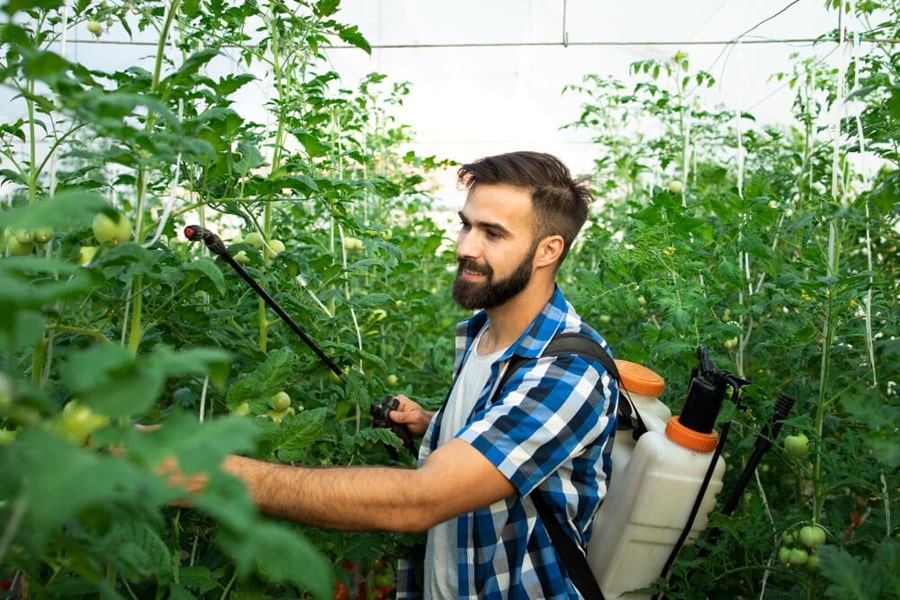
While organic pesticides are derived from natural sources and are considered safer and more environmentally friendly compared to synthetic pesticides, the term “organic” does not necessarily guarantee safety. Organic pesticides can still pose risks if used improperly or in excessive quantities.
It’s important to remember that toxicity levels can vary among different organic pesticides, and some may still have harmful effects on non-target organisms, including beneficial insects, wildlife, and humans. Additionally, organic pesticides can persist in the environment and may accumulate over time if used repeatedly or in large amounts.
Therefore, while organic pesticides are generally considered safer and more environmentally friendly than synthetic alternatives, it’s essential for growers to use them judiciously and in accordance with organic farming principles to ensure minimal environmental impact
What is the Alternative to Organic Pesticides?
Organic gardening practices prioritize the use of cultural, biological, and mechanical pest control methods over pesticide use. The goal is to promote ecological balance and soil health while minimizing reliance on chemical interventions.
In other words, you do not need to use pesticides at all for most pest problems. Instead, you can remember the basic principles of organic pest control.
The Basics of Organic Pest Control
Beginning with robust crops forms the cornerstone of organic pest control. Healthy plants exhibit greater resilience against pest attacks compared to weaker specimens. Prevention surpasses cure; prioritize maintaining the vigour of your crops to bolster their ability to fend off pests.
Opt for resilient cultivars in areas where specific pests pose recurring issues. Ensure crops receive adequate environmental provisions, including sunlight and water, and monitor for nutritional deficiencies or imbalances. Properly combine and space plants to promote optimal health.
A foundation of healthy, balanced soil underpins the success of organic gardening. Soil fertility and microbial activity directly influence plant health and, consequently, human well-being. Recognize soil as a living ecosystem pivotal to all life on Earth. Healthy soil diminishes pest susceptibility, while nutrient-rich profiles deter infestations. Adopt soil-preserving practices like no-dig systems, organic mulching, crop rotation, and cover cropping to sustain soil vitality.
Close observation and vigilance constitute essential practices in organic gardening. Regularly monitoring crops allows for early pest detection and intervention, minimizing potential damage.
Timely manual removal of pests or affected plant material can mitigate issues before they escalate. Identifying problems promptly aids in implementing physical barriers or other preventive measures.
Embracing biodiversity is fundamental in organic pest control.
Diverse plant populations foster beneficial interactions that fortify ecosystem stability and resilience. Mimicking natural systems promotes equilibrium and deters severe pest outbreaks. Employ varied crops, polyculture beds, and companion planting to bolster biodiversity and deter pests naturally.
Attracting beneficial wildlife plays a pivotal role in organic pest management. Ladybirds, for example, serve as natural predators to aphids. Rather than seeking to eradicate pests entirely, aim to manage their populations while preserving beneficial wildlife.
Employ strategies such as buffer strips, trap crops, and companion planting to foster a balanced ecosystem that safeguards crops without resorting to harmful interventions.
By adhering to these core principles of organic pest control, gardeners can effectively manage pest issues in most instances without resorting to pesticides – even organic pesticides – and can maintain a healthy balance in their gardens.
The Pros of Organic and Natural Pest Control

Organic and natural pest control methods are often integrated into broader IPM strategies, which emphasize proactive, preventive, and environmentally sound approaches to pest management. Remember that ideally, this type of pest control involves using pesticides – even organic ones – as a last resort.
The benefits of this type of organic cultivation and pest control are:
- Reduced negative impact and potentially even positive impact on the environment.
- Minimized exposure for humans to toxic substances.
- Preservation of wildlife and biodiversity within ecosystems.
- Safer and healthier food.
- Avoidance of pesticide resistance making pests more difficult to manage over time.
- Long term resilience and productivity through protecting soil health and building stable and healthy ecosystems with have natural equilibrium.
The Cons of Organic and Natural Pest Control
Organic and natural solutions for pest control are indisputably the right and most ethical solutions. But it is important to recognise that these solutions can have their drawbacks:
- Organic and natural pest control solutions can take longer to work.
- Many organic and natural pest control methods, such as hand-picking pests or implementing physical barriers, require more labour and time compared to conventional pesticide applications.
- The effectiveness of organic and natural pest control methods can vary depending on factors such as environmental conditions, pest pressure, and crop type, leading to inconsistent results and difficulty in assessing quickly whether or not measures have been successful.
Nonetheless, it is clear that we should all be using these slow and small solutions – rebalancing our gardens and working with nature rather than fighting it to achieve our goals.
We also do need to remember that even organic pesticides cause problems for the environment and for beneficial wildlife, are potentially toxic to people, and can cause an imbalance in the ecosystem of a garden.
How Can I Prevent Pests?
If you remember nothing else from this article, your key takeaway should be that you don’t actually want to prevent pests altogether. You need some pests in order to practice effective organic pest control.
However, we do all wish to prevent pests from causing excessive damage to the plants that we are trying to grow, especially our main food crops.
To prevent pests from causing damage to food crops and other precious plants in your garden you can:
- Boost biodiversity – especially taking steps to attract key predatory species.
- Protect and enhance the soil in our growing areas.
- Choose the right plants for the right places, making sure that they have optimal growing conditions and care and are as happy and healthy as possible.
- Companion plant and creating polycultures– to make plants stronger and healthier, to attract beneficial wildlife and also to confuse, repel or distract pest species.
- Use physical barriers (polytunnels, fruit cages, row covers, cloches, netting etc… ) to protect our crops from key pest species.
And only when all else fails and we have a severe pest problem should we resort to organic pesticides, recognising that these are not really a good idea most of the time.
Precautions to Take With Natural Pesticides
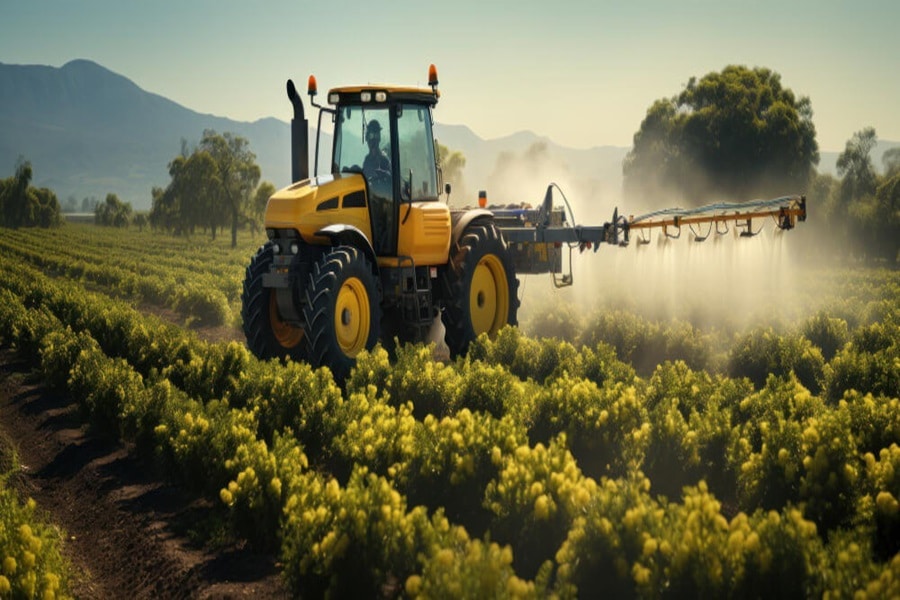
If you do decide to use natural pesticides of any kind then remember that these can be dangerous or damaging if not used correctly – even though they are frequently not as damaging or dangerous as synthetic alternatives.
Check labels carefully and/or do your research thoroughly when it comes to any organic pesticide. Use as sparingly as possible and only ever as directed by labels or by professionals.
FAQs
Can organic pesticides be harmful?
While organic pesticides are generally considered safer and more environmentally friendly compared to synthetic pesticides, they can still pose risks if used improperly or in excessive quantities.
Organic pesticides can be harmful in the sense that they are toxic to people and/or wildlife. Some may trigger allergic reactions in some people.
Organic pesticides, while less persistent in the environment compared to synthetic pesticides, can still have unintended consequences on non-target organisms, soil health, water quality, and ecosystem dynamics if overused or misapplied.
Residues of organic pesticides may remain on treated crops and be consumed, potentially having an impact on food safety and consumer health as well as on ecological balance.
What are the disadvantages of pesticides?
As well as potentially being toxic to people and/or wildlife and potentially causing some harm in the environment (though typically less than synthetic pesticides), use of any pesticides, even organic ones, can cause an imbalance in the garden ecosystem.
Potentially they can even create a vacuum of pests, causing more pests to arrive to fill the gap before populations of natural predators have been able to recover, and making pest problems worse in the long run.
Sources
Sachdev, P., (2022) What To Know About Natural Pesticides. WebMD. [online] Available at: https://www.webmd.com/a-to-z-guides/what-to-know-about-natural-pesticides [accessed 21/05/24]