

In the ever-changing climate of the British Isles, gardeners and small-scale growers are increasingly turning to smart, sustainable solutions to ensure their plots thrive.
One of the most essential aspects of garden care—particularly for those growing under cover in polytunnels—is watering. A well-designed garden watering system can reduce labour, conserve water, and dramatically improve crop yields.
Automatic Irrigation Systems for a Beautiful Garden
Whether you’re a smallholder, an enthusiastic allotmenteer, or a permaculture practitioner, understanding and implementing automatic irrigation and garden watering systems can transform the way you grow. This guide will take you through the fundamentals of smart irrigation, with a focus on polytunnel growing, while offering tailored advice for regions across the UK.
What is Automatic Irrigation?
Automatic irrigation refers to systems that deliver water to plants without requiring manual input each time. These garden watering systems range from simple timers attached to a hosepipe, to complex networks of drip lines governed by weather sensors and smart controllers.
For polytunnel growers, the benefits are clear: a consistent water supply helps regulate temperature, encourages strong root growth, and reduces stress on plants. Moreover, a good system will free up time for other essential tasks—be it crop rotation planning or making the most of all the food you grow.
Wise Watering Solutions
Before diving into garden watering systems and components, it’s worth taking a step back to reflect on water usage more broadly. Water, even in our rainy island nation, is a finite resource. In certain areas, particularly in the South and East of England, restrictions or dry spells can make sustainable water use absolutely vital.
Wise watering begins with knowing your garden: the soil type, the microclimate within your polytunnel, the crops you grow, and how much water they genuinely require. Overwatering is as harmful as underwatering, and a wasteful practice besides, so it is important to hit the goldilocks zone and get things ‘just right’.
Utilising Rainwater Harvesters and Water Butts
A well-designed irrigation system should make the most of rainwater harvesting. Water butts connected to your polytunnel or nearby outbuildings can provide an excellent source of soft, chemical-free water.
This not only reduces your reliance on mains water, but is a sound ecological practice, especially during periods of drought or hosepipe bans.
Top tips for efficient rainwater use:
- Install guttering along your polytunnel and direct it to multiple butts or an underground tank.
- Use gravity-fed systems where possible to reduce energy use.
- Incorporate a filter or first-flush diverter to reduce debris and contaminants.
Types of Automatic Garden Irrigation Systems
Choosing the right garden watering system depends largely on the plants you grow, your layout, and how much automation you desire. Here are the main types of irrigation systems suitable for gardens and large polytunnels:
Overhead & Sprinkler Irrigation
These systems distribute water from above, mimicking rainfall. They’re quick to install and inexpensive, but not always the most water-efficient—especially in enclosed spaces where humidity must be managed.
- Best for: seed beds, lawns, or high-density leafy crops.
- Downside: Can promote fungal diseases if leaves remain wet overnight.
Drip Irrigation Systems
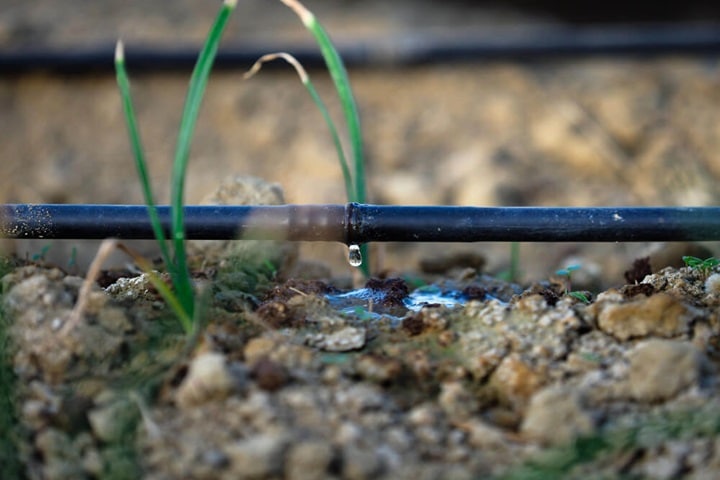
A drip irrigation system is a network of pipes with emitters positioned at the base of plants, delivering water slowly and directly to the roots. This reduces evaporation and runoff.
- Best for: fruiting plants, tomatoes, aubergines, peppers—especially in polytunnels.
- Upside: Excellent for targeted watering. Can be automated with timers or sensors.
Soaker Hose Systems
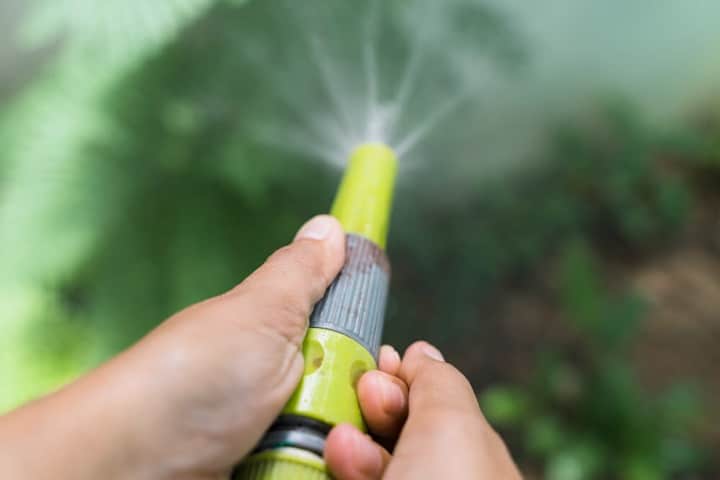
A porous hose that “weeps” water along its length. It’s laid on or beneath the surface, allowing moisture to seep directly into the soil.
- Best for: raised beds, rows of vegetables, and border planting.
- Upside: Gentle, even watering. Can be buried under mulch to reduce evaporation further.
Smart Irrigation Features
Smart irrigation is revolutionising the way gardeners and growers care for their plants—combining technology with ecological thinking to save time, reduce water waste, and improve plant health.
Whether you’re tending a home garden, managing a polytunnel, or growing on a larger scale, smart features can add efficiency and peace of mind to your watering routine. This is why it can be a good idea to consider adding smart features and embracing contemporary technology when setting up your polytunnel irrigation system.
Timers and Programmable Controllers
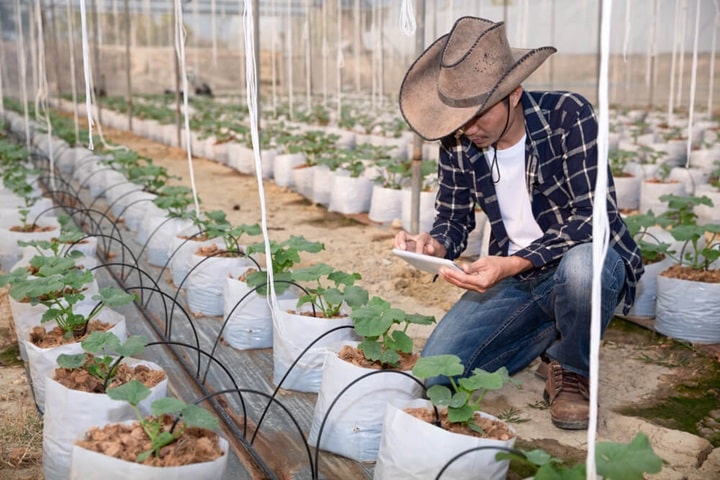
A basic but essential feature, irrigation timers allow you to schedule watering at optimal times—usually early morning or late evening when evaporation is lowest. Programmable controllers take it further, allowing you to create different watering schedules for different hardiness zones in your garden.
Some systems offer seasonal adjustments, automatically reducing watering frequency in cooler months or increasing it during dry spells. This not only conserves water but ensures plants get exactly what they need, when they need it.
Soil Moisture Sensors
These clever devices measure the amount of moisture in the soil and communicate with your irrigation system to determine when watering is actually necessary. This eliminates guesswork and prevents overwatering—one of the most common causes of poor plant health, particularly in polytunnels or raised beds.
Soil moisture sensors are especially useful in mixed planting areas, where water needs can vary widely.
Rain Sensors and Weather Integration
Modern smart irrigation systems often include rain sensors or connect to local weather forecasts via Wi-Fi. This means your system will automatically pause during rainfall or adapt to weather conditions—such as delaying watering during cold snaps or increasing output during heatwaves.
This feature is invaluable in the UK, where weather can be highly unpredictable, and rainfall varies regionally.
Zoning Capabilities
Smart systems often allow for zone-based watering, meaning you can divide your garden into distinct areas—like vegetable beds, ornamental borders, polytunnels, or lawns—and programme each with its own settings.
For example, fruiting plants in a hot polytunnel may need daily drip watering, while shaded ornamental borders may only need attention twice a week.
Remote Monitoring and App Control
Many smart irrigation systems now offer smartphone apps that allow you to monitor and control your watering remotely. This is perfect for busy gardeners or those managing gardens away from home, such as allotments.
Through the app, you can start or stop watering, adjust settings, or view water usage data, helping you stay on top of things no matter where you are.
Preparing the Required Information for Design
The success of your irrigation system rests largely on preparation. Before you begin installation, take the time to gather the right information.
Checking Flow Rate For Your Irrigation System
Flow rate refers to how much water can be delivered per minute. To measure yours:
- Fill a 10-litre bucket from your tap or butt.
- Time how long it takes to fill.
- Divide the volume (10 litres) by the time in minutes to get your flow rate in litres per minute.
Knowing this will help you choose the right system and avoid under- or over-supplying water.
Measuring Water Pressure
Water pressure determines how well your system can push water through pipes or hoses. You can use a pressure gauge or consult your water supplier for mains pressure data. Rain-fed systems may have lower pressure, meaning you’ll need to compensate with wider pipes or gravity-fed layouts.
Draw a Map of your Growing Area
Good design starts on paper. Sketch out your garden, noting:
- Polytunnel position and size
- Planting layout
- Raised beds, paths, and structures
- Water sources and elevation changes
Measure Your Space Accurately
Use a tape measure to ensure accurate dimensions. This helps avoid purchasing the wrong pipe lengths or overestimating your coverage needs.
Create A Scale Drawing
Translate your measurements into a scale diagram—1cm = 1m is a common standard. Mark where pipes will run, where emitters or sprinklers are needed, and where valves or timers will be placed.
Choosing The Right Irrigation System and Smart Irrigation Features
Polytunnels offer a controlled growing environment, but managing water efficiently is key to success. Inside a tunnel, higher temperatures and restricted rainfall mean irrigation is essential—yet it must be done wisely to avoid waste, disease, or crop stress.
Drip irrigation is the most effective and sustainable option for polytunnels. It delivers water slowly and directly to plant roots, minimising evaporation and avoiding wetting leaves—thereby reducing the risk of fungal diseases. Drip systems can be paired with timers, moisture sensors, and rainwater tanks for a fully automated, eco-friendly solution.
Soaker hoses are a simpler alternative, ideal for raised beds or straight planting rows. They distribute water evenly along their length and work well with gravity-fed systems, such as those supplied by water butts.
Overhead sprinklers, while easy to set up, are less suited to polytunnels due to increased humidity and the potential for leaf damage. If used, they should operate early in the day to allow foliage to dry.
To enhance sustainability, polytunnel growers should prioritise rainwater harvesting, connecting guttering to water butts or underground storage. Many irrigation systems can run effectively on low-pressure, stored rainwater with minimal energy use.
Smart features like timers, moisture sensors, and zoning controllers add efficiency by automating watering based on need, time of day, and plant type. This reduces waste and ensures consistent hydration—even when you’re away.
Ultimately, a well-chosen irrigation setup will save time, conserve water, and improve plant health. By combining low-tech solutions with smart automation, polytunnel growers can create resilient, sustainable systems that support abundant harvests with minimal environmental impact.
Gardeners and Farmers in England and Wales
Farmers in England must adhere to the ‘Farming Rules for Water’ introduced in 2018, which aim to protect water quality by managing fertilisers, manures, and soils effectively. Farmers abstracting more than 20 cubic metres of water per day require a licence from the Environment Agency. During droughts, temporary restrictions may be imposed on water abstraction to protect the environment.
The Farming Investment Fund provides grants for equipment and technology to improve productivity and sustainability. The Water Management Grant supports horticultural and arable businesses in improving water efficiency through better irrigation and water storage. Environmental Land Management Schemes (ELMS) offer payments for sustainable farming practices, including efficient water use.
Gardeners and Farmers in Scotland
SEPA requires authorisation for activities affecting water bodies, including irrigation. SEPA monitors water levels and may impose restrictions during shortages.
Scottish farmers are required to meet cross-compliance standards to qualify for subsidies, which include environmental and water management practices.
The Agri-Environment Climate Scheme (AECS) provides funding for sustainable land management, including water efficiency measures. The Crofting Agricultural Grants Scheme (CAGS) provides grants to crofters for various agricultural improvements, including irrigation systems. An Agricultural Reform Programme introduces new rules and support mechanisms for sustainable farming practices starting in 2025.
Gardeners and Farmers in Northern Ireland
DAERA requires licences for significant water abstraction activities.
The Environmental Farming Scheme (EFS) supports farmers implementing environmentally beneficial practices, including water management. NI Water offers 100% funding for measures that protect water quality in specific catchment areas.
Learn more about watering in the garden with:
FAQs
How often should I water my plants with an irrigation system?
It depends on plant type, soil, and climate. In summer, drip systems might run for 30–60 minutes every 1–2 days. In cooler months, once or twice weekly may suffice. Always monitor soil moisture and adjust accordingly.
What maintenance does an irrigation system need?
Check filters and emitters for blockages.
Inspect hoses for leaks or kinks.
Flush the system every few weeks to clear sediment.
What is the best irrigation system for a polytunnel?
A drip irrigation system is the top choice. It delivers precise moisture to roots, avoids leaf wetting (which can cause disease), and is highly efficient. Pair it with a digital timer and moisture sensor for optimal performance.
Sources:
NI Direct. (2016) Saving water in the garden. [online] Available at: https://www.nidirect.gov.uk/articles/saving-water-garden