

Ever wondered when the best time to water your plants is, to maximise their health and ensure the best results?
When it comes to gardening, either in contemporary gardens, allotments, greenhouses, or polytunnels, watering plants will always be a daily activity for you to do and maintain the quality of your crops. In this article, we will thoroughly look at the best time to water plants each season, for both indoor and outdoor crops. Why? As climate conditions and plant needs vary, understanding when and how much water they need can significantly impact plant growth.
Key Points:
- Learn the best times to water your plants each season.
- Understand how factors like weather and soil type influence watering needs.
- Discover the most effective watering equipment for different plant types.
- Tips on reducing water waste while ensuring plants receive adequate hydration.
- Practical advice for both novice and experienced gardeners.
Quick Facts:
- Suitable for: All garden plants, edibles, and lawns.
- Timing: Perform between May and September, though attention is needed all year-round.
- Difficulty: Moderately easy.
Tools Needed When Watering Plants

To water your garden effectively, you’ll need the right tools:
- Water Butt: Collect and store rainwater, reducing dependency on municipal water systems and ensuring you have a supply during dry spells.
- Watering Can with Rose Attachment: Ideal for gentle watering, allowing you to control the flow and avoid waste.
- Water-Retaining Granules: Mix these into your potting soil to help retain moisture longer, reducing the need for frequent watering.
- Drip Irrigation System: An efficient drip irrigation system can deliver water directly to the roots, minimising evaporation and waste.
- Hose Pipe with Spray Gun Attachment: For larger areas, a hose with a spray gun allows for adjustable water flow, from fine mist to a steady stream, suitable for a variety of plant needs.
- Self-Watering Pots: These are particularly useful for busy gardeners or for plants that require consistent moisture levels. They employ a reservoir system that delivers water directly to the roots as needed.
- Seep Hoses: Ideal for thorough, deep watering, seep hoses deliver water directly to the soil, ensuring that it reaches the root systems without wastage. These are best used in vegetable rows or under shrubs in densely planted areas, particularly in heavy soil types.
- Sprinklers: Similar to drip irrigation systems, these are particularly useful for large areas. However, be aware that problems can occur including significant evaporation and water dispersion. They should be used sparingly, during cooler parts of the day, to minimise water loss and maintain deep soil penetration.
When Is The Best Time to Water Plants?
Determining the best time to water plants isn’t just about sticking to a schedule—it’s about adapting to environmental cues and the specific needs of your plants.
Water is a critical resource, especially in the UK, where climate change, population growth, and environmental preservation are pressing concerns. For gardeners, the challenge is to use water judiciously while ensuring plants thrive throughout the year, particularly from May to September when plants are most active.
The best time to water garden plants is early in the morning as the sun rises. Morning watering reduces water loss to evaporation and helps plants manage heat throughout the day.
Evening watering is also viable; cooler temperatures mean water travels slowly and deeply into the soil, which is beneficial, but be cautious as this can sometimes promote fungal diseases due to dampness overnight.
For better guidance, use the below table that highlights the ideal months to water your plants:
| Jan | Feb | Mar | Apr | May | Jun | Jul | Aug | Sep | Oct | Nov | Dec | |
| When | ✅ | ✅ | ✅ | ✅ | ✅ | ✅ | ✅ |
How Often to Water Plants
Watering frequency should be adjusted based on the plant’s life cycle, the season, and weather conditions. For instance, during hot and dry periods, even established plants might need more frequent watering to prevent stress.
Key considerations include:
- Plant size and type: Larger plants with expansive leaf coverage or those in fruiting and flowering stages might require more frequent watering to support their growth.
- Soil type: Sandy soils dry out quickly and need frequent watering, whereas clay soils retain moisture longer. Adding organic matter can help with moisture retention across various soil types.
- Container gardening: Plants in containers or with restricted root systems dry out faster than those in open soil and may need more regular watering.
Weather and Environmental Factors
Always adjust your watering schedule based on current weather conditions. Prolonged dry spells, windy conditions, and high temperatures can all increase the need for water. Conversely, during cooler months or rainy periods, reduce the frequency of watering to match the plant’s reduced water uptake.
Signs of Underwatering
There are several signs that your plants are thirsty and may need more frequent watering:
- Foliage and Flower Production: If your plants are producing less foliage or fewer flowers than expected, it might be a sign of insufficient watering.
- Leaf Appearance: Leaves that appear dull, lose their shine, or show discoloration could be signaling a lack of water.
- Leaf Position: Leaves that droop, curl, or angle downwards often indicate that the plant needs water.
- Wilting: This is a clear sign of stress from lack of moisture, although be cautious as it can also indicate overwatering.
- Weight of Pots: Dry pots are noticeably lighter when lifted; pots that tip over in the wind are also a sign of dry soil.
- Surface Dryness: Dry soil or compost on the surface isn’t always a reliable indicator; deeper soil moisture, checked by a finger test, will tell you more accurately whether watering is needed.
How to Water Plants Effectively
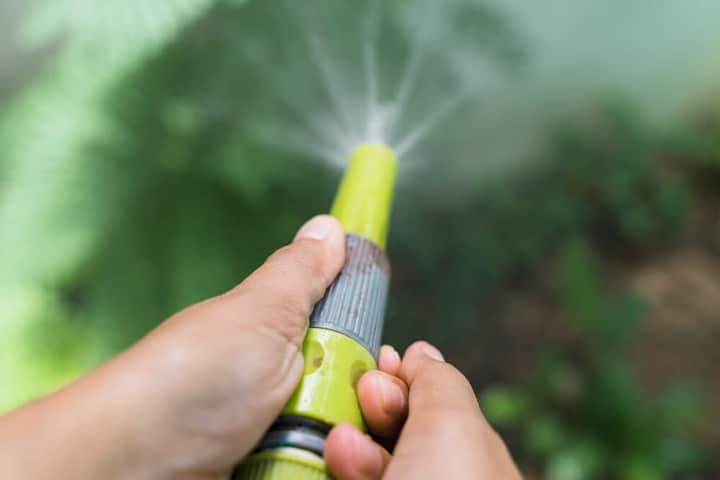
The best time to water garden plants and how to do it effectively involves more than just sprinkling water over the soil. Here’s how to ensure water reaches where it’s most needed:
- Target the Roots: Always aim to water at the root level. Avoid getting foliage wet to reduce the risk of fungal diseases and unnecessary evaporation.
- Deep Watering: Water deeply but infrequently to encourage roots to grow deeper into the soil, which helps plants become more drought-resistant.
- Timing: Watering early in the morning or late in the evening minimises evaporation and helps water penetrate deeper into the soil.
- Adjust Frequency: Based on the plant’s environment and the weather. Container plants or those growing next to walls may need more frequent watering than those in open soil.
How Much Water to Apply
The quantity of water your plants need depends on several factors, including the type of plant, soil, and current weather conditions:
- Container Watering: For container plants, a general rule is to add about 10% of the container’s volume per watering. For a 10-litre pot, you would need to add about 1 litre of water.
- Observation and Adjustment: Watch how your plants respond after watering and adjust your method if necessary. If a plant still appears stressed or wilting between watering sessions, increase the frequency or amount slightly.
- Mulching: Applying a thick layer of organic mulch around plants helps to conserve moisture in the soil by reducing evaporation. This can save a substantial amount of water over the course of a growing season.
Choosing the Right Water Source
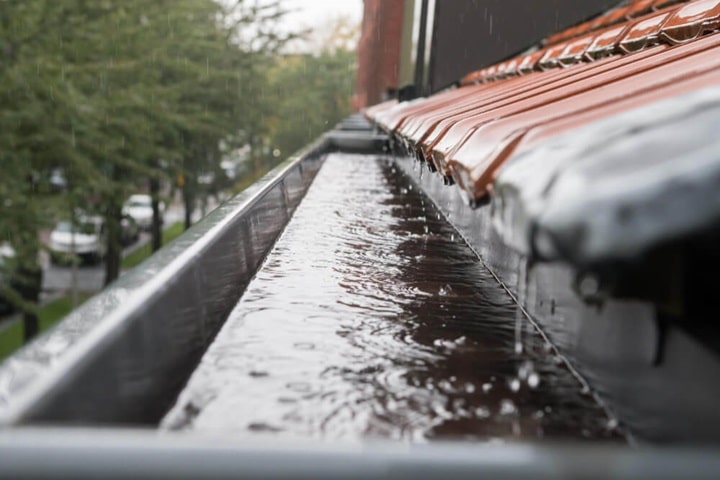
Rainwater is the most recommended source because it is naturally soft, free of chlorine and lime, and ideal for all types of plants, particularly ericaceous plants that thrive in more acidic conditions.
Collecting rainwater in a water butt allows gardeners to store and use it during dry spells, making it an eco-friendly choice. Tap water, though readily available, is less desirable due to its treatment and mineral content.
If a drought occurs, use grey water—recycled from baths, showers, and sinks—provided it doesn’t contain harsh detergents or chemicals.
What Plants Need Watering The Most?
Learning how often to water different types of plants can lead to more tailored watering efforts, which not only conserves water but also boosts plant health. Here are some practical tips regarding the best water absorbent plants:
- Annuals and Vegetables: Spring-planted annuals and vegetables have shallow roots and typically require more frequent watering than plants established in the fall.
- Established Trees and Shrubs: These usually require little to no additional watering. However, during prolonged dry spells, even established plants can benefit from occasional watering to prevent stress.
- New Plantings: Plants that are newly sown or planted are especially vulnerable to water stress and should be a priority in your watering schedule. Timing your planting before expected rain can help establish them with minimal supplemental watering.
- Herbaceous Perennials: These may need additional water during hot, dry periods to maintain performance, particularly if they’re not inherently drought-resistant.
Take Your Plant Watering To The Next Level
In conclusion, effective watering practices are needed for maintaining a healthy, sustainable garden. By choosing the right time to water, using efficient methods and equipment, and understanding the specific needs of your plants, you can conserve water while ensuring your garden thrives throughout the year.
Read more:
- Having problems with your watering techniques? Here is what you might be doing wrong when watering plants.
- Discover the secrets to thriving indoor plants with our ultimate guide to growing indoor plants.
- Explore the benefits of an automatic watering system.
FAQs
What is the best time to water plants in spring?
In spring, the best time to water plants is in the morning. This enables the water to penetrate deeply into the ground before temperatures increase, minimising evaporation and ensuring sufficient moisture for growth during the entire day.
How often should I water my plants in the summer?
During summer, plants typically need more frequent watering due to higher temperatures and increased evaporation. Watering early in the morning is ideal, as it helps plants withstand the heat of the day. For most plants, watering once every one to three days may be necessary, depending on the weather and soil conditions.
When is the best time to water plants in autumn?
In fall, the best time to water is still in the morning. However, you may need to reduce the frequency of watering as the weather cools and plant growth slows. Always check the soil moisture to determine if watering is needed, as overwatering can lead to root issues.
When should I water plants in the winter?
Watering in winter should be done during midday when temperatures are warmer and the risk of overnight freezing is reduced. Water only when the soil is dry, as many plants are dormant during this season and require much less water.
Sources
Ringers Landscaping. (2021) The Best Water Absorbing Plants to Use in Your Rain Garden and Drainage Projects. [online] Available at: https://www.ringerslandscaping.com/post/the-best-water-absorbing-plants-to-use-in-your-rain-garden-and-drainage-projects [accessed 07/02/2025]