

Gardening in 2025 is as much about nurturing ourselves as it is about cultivating the earth. By embracing sustainability, incorporating technology, and prioritizing beauty and function, your garden can become a sanctuary that resonates with the spirit of the times.
Whatever your space, style, or experience level, these garden trends for 2025 provide inspiration for creating a garden that is very much of the times yet also truly timeless.
Sustainable Practices
Sustainability is at the heart of garden trends for 2025. As gardeners become increasingly aware of their environmental impact, practices like composting, water conservation, and regenerative gardening are taking centre stage.
Here are some important sustainable practices that will be incorporated in many gardens in 2025:
- Composting: Incorporate kitchen and garden waste into a compost system to reduce landfill contributions and nourish your soil.
- Zero Waste Gardening: Invest in rain barrels or create a rain garden to capture and utilize natural precipitation.
- No-Dig Gardening: Avoid tilling to preserve soil structure, encourage beneficial microorganisms, and reduce carbon emissions.
- Native Planting: Choose plants that are indigenous to your area, as they require less water and support local ecosystems.
- Welcoming Wildlife: Create a range of habitats for animals that share your space.
Resilient Plants, Resilient People
There is an increasing understanding, as we find ourselves a quarter of the way through the 21st Century, that we depend on the natural world around us in a myriad of ways. By carefully selecting resilient, native, climate appropriate plants for our gardens, we can create spaces for nature to flourish that will stand the test of time.
Native, Climate-savvy Plant Choices
Resilience in a garden starts with plant choice. Selecting species that are well-adapted to local conditions reduces dependency on artificial inputs such as irrigation, fertilisers, and pesticides. Native plants are the cornerstone of this approach. Having evolved in harmony with the local environment, they are naturally equipped to thrive in the prevailing climate, withstand periods of drought or heavy rainfall, and resist local pests and diseases.
In the UK, for instance, native plants like Betonica officinalis (Betony) and Primula vulgaris (Primrose) not only bring beauty but also support pollinators crucial to the ecosystem. Resilient plants such as these contribute to the broader environmental balance, ensuring that gardens remain vibrant and productive even as weather patterns grow more erratic.
Climate-appropriate planting also embraces diversity. Including a mix of species with varying tolerances to heat, cold, and moisture creates a robust garden capable of withstanding the unexpected. This layered approach builds not only physical resilience into the garden but also ecological richness.
Creating Thriving Habitats
Beyond the individual plants, resilient gardens are those that act as thriving habitats. These gardens become sanctuaries for wildlife, offering food, shelter, and breeding grounds. Incorporating native hedgerows, wildflower meadows, or even small rain gardens ensures that gardens serve as vital links in the green corridors that allow nature to move and adapt.
Polytunnels, a common feature in modern productive gardens, exemplify how human intervention can enhance natural systems. Used wisely, they extend growing seasons and protect delicate plants, while their runoff can be redirected into rain gardens to sustain biodiversity. Such thoughtful integration of structures into a garden design enhances resilience both for the plants and the gardener.
Seeing the Garden as a Source of Strength
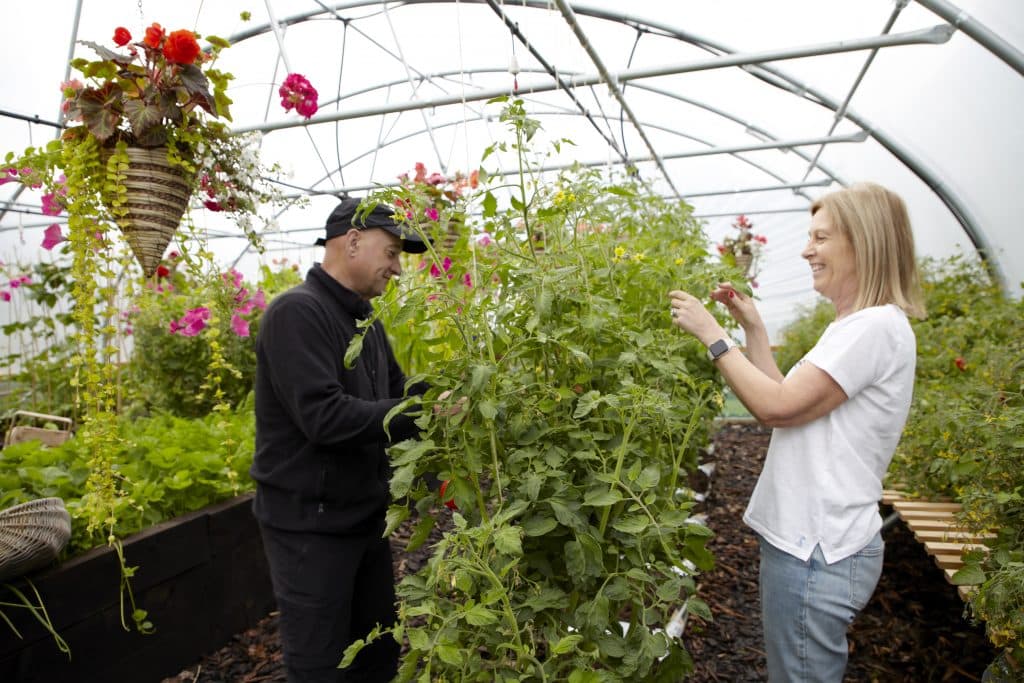
There is an increasing understanding that the ways in which we use our gardens, however large or small, can help us to cope with all the world throws at us, and to become more resilient in many different ways.
Gardens are not just about physical spaces—they are also about emotional and mental refuge. In a world increasingly marked by unpredictability, they provide constancy and calm. The act of tending to a garden, from planting seeds to harvesting produce, is a meditative practice that fosters mindfulness and reduces stress. Studies have shown that interacting with plants can lower cortisol levels, improve mood, and enhance overall mental well-being.
Moreover, gardens can help us adapt to external challenges, including food insecurity and climate change. Growing our own food is a powerful way to increase personal resilience.
The Incorporation of Technology
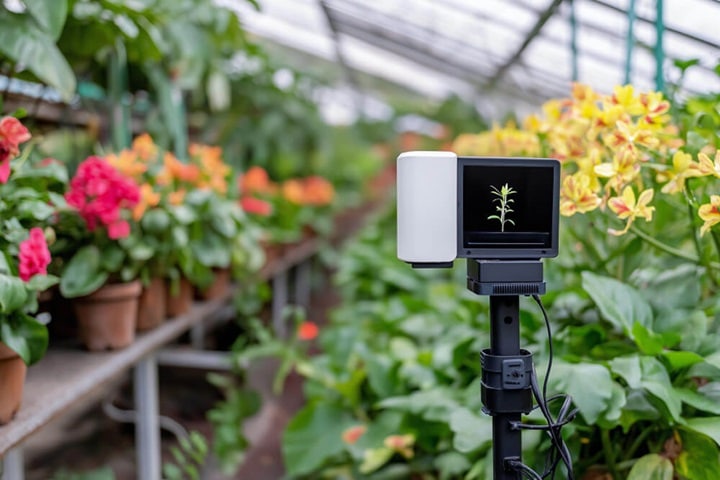
Smart technology is revolutionizing gardening, making it easier to monitor, maintain, and enhance outdoor spaces. From app-controlled irrigation to AI-driven plant diagnostics, technology is becoming an essential tool for the modern gardener.
To incorporate technology in your garden:
- Install a smart watering system to ensure plants are watered efficiently, even when you’re away.
- Use soil sensors to track moisture and nutrient levels, ensuring optimal plant health.
- Explore plant identification apps to quickly learn about unfamiliar species and their care requirements.
- Solar-powered garden lights not only enhance ambiance but also align with sustainable living.
Small-Space Gardening Solutions
Urban living and limited spaces continue to shape the way we garden. Vertical gardens, container gardening, and balcony-friendly designs make it possible to plant stuff and grow food in even the tiniest areas.
Tips for Small-Space Gardens:
- Vertical Gardening: Install wall-mounted planters or trellises for climbing plants like ivy or sweet peas.
- Layered Planting: Use pots of varying heights to create visual interest.
- Multi-Use Furniture: Choose benches with built-in planters or foldable garden tables for flexibility.
- Micro-greens and Herbs: These are compact, fast-growing, and perfect for windowsills or small containers.
The Enduring Appeal of Perennials
Perennials hold a timeless allure for gardeners, celebrated for their resilience, adaptability, and capacity to form the backbone of any garden design. Unlike annuals, which complete their life cycle in a single season, perennials return year after year, growing more robust over time and rewarding gardeners with an ever-evolving display. Their diversity in form, colour, and blooming cycles makes them indispensable in gardens of all styles, from traditional cottage gardens to modern minimalist landscapes.
As gardening trends evolve, perennials remain steadfast, combining aesthetic appeal with ecological value. In 2025, the enduring charm of these plants lies not just in their beauty but also in their alignment with the growing emphasis on sustainability, biodiversity, and low-maintenance gardening.
The adaptability of perennials ensures their place in every major gardening trend. For instance, in edible landscaping, perennials like rhubarb and artichokes double as ornamental features. In small-space gardens, compact perennials such as Heuchera (coral bells) or dwarf Sedum varieties shine as low-maintenance solutions.
As climate resilience becomes a guiding principle, drought-tolerant perennials like lavender, sage, and sedums are becoming staples in water-wise gardens. Perennials are also central to sustainable gardening practices, with many gardeners incorporating them into rain gardens, pollinator pathways, and rewilding projects.
Moreover, perennials fit perfectly into the growing trend for low-maintenance gardening. Once established, these plants require minimal care, making them ideal for busy gardeners or those who want to spend more time enjoying their gardens than working in them.
As gardeners look to the future, perennials will remain at the heart of garden design. Their ecological value, combined with their adaptability to new challenges, ensures their place as the backbone of sustainable and beautiful gardens. With ongoing advances in breeding, we can also expect to see new perennial varieties that are even more resilient, versatile, and captivating.
In 2025 and beyond, the appeal of perennials will only grow stronger, as gardeners continue to seek plants that offer beauty, reliability, and the promise of a flourishing future.
The Rise of Flower Bulbs: Nostalgia, Past Meets Present
Flower bulbs are enjoying a resurgence as gardeners turn to nostalgic plants with timeless charm. From cheerful spring daffodils to elegant summer lilies, bulbs bring joy year after year, working equally well in modern, minimalistic schemes and traditional cottage gardens.
How to Incorporate Bulbs:
- Layer bulbs in containers for a “lasagna planting” effect, ensuring a continuous display of blooms.
- Naturalize bulbs like bluebells or snowdrops in grassy areas for a whimsical, meadow-like effect.
- Try varieties like camas or ornamental alliums to add uniqueness to your garden.
Customisable Outdoor Living Spaces
Gardens today are no longer just about plants; they have become extensions of our homes, evolving into multifunctional spaces that meet diverse needs. As we embrace outdoor living, gardens are increasingly seen as dynamic areas where we can relax, entertain, work, and even exercise. Customisable outdoor living spaces cater to this versatility, allowing gardeners to tailor their environments to suit personal preferences, changing lifestyles, and seasonal demands.
These adaptable spaces blur the boundaries between indoors and outdoors, merging functionality with aesthetic appeal. Whether your garden is a sprawling suburban backyard or a compact city balcony, thoughtful customisation can turn it into a personalised haven.
The rise of customisable outdoor living spaces reflects a shift towards creating gardens that are as individual as the people who use them. This trend emphasises flexibility, enabling gardeners to make the most of their space by incorporating elements that can adapt to different purposes.
One of the hallmarks of this approach is modularity. Modular furniture, for instance, is a game-changer, offering the ability to rearrange seating and tables to accommodate varying group sizes or activities. Stackable chairs, sectional sofas, and foldable tables provide practical solutions for maximising space without sacrificing comfort or style. Adding portable fire pits or chimineas extends the usability of outdoor spaces into cooler months, creating cosy focal points that draw people outdoors year-round.
Beyond furniture, other features like roll-up awnings, retractable screens, or movable partitions give homeowners control over privacy and shade. These adaptable solutions are particularly useful in urban gardens, where space is limited and multifunctionality is essential.
Edible Landscaping
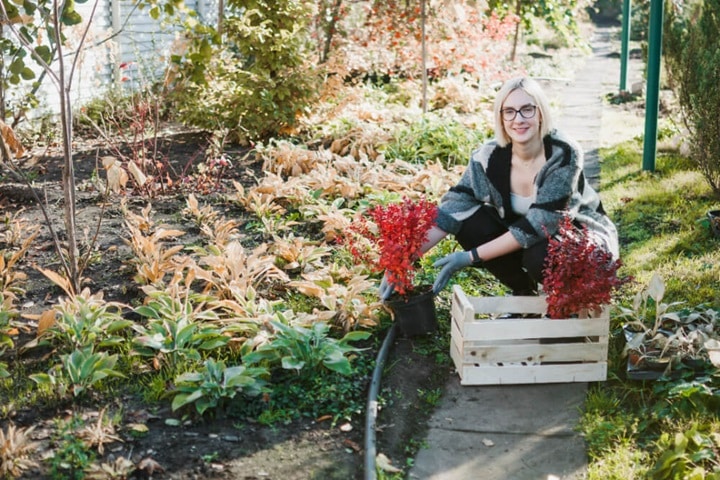
The line between decorative and edible plants continues to blur as gardeners embrace ‘edimental’ planting or “foodscaping.” This trend combines aesthetics with functionality, making gardens both beautiful and abundantly productive.
Key Elements of Edible Landscaping:
- Create a food forest in place of a traditional flower border.
- Replace traditional hedges with fruit-bearing shrubs like blueberries or currants.
- Mix herbs like rosemary and thyme with flowers in borders and pots.
- Grow colourful vegetables like rainbow chard or purple kale.
- Add climbing plants like grapevines or passionfruit for vertical interest.
Community and Connectivity
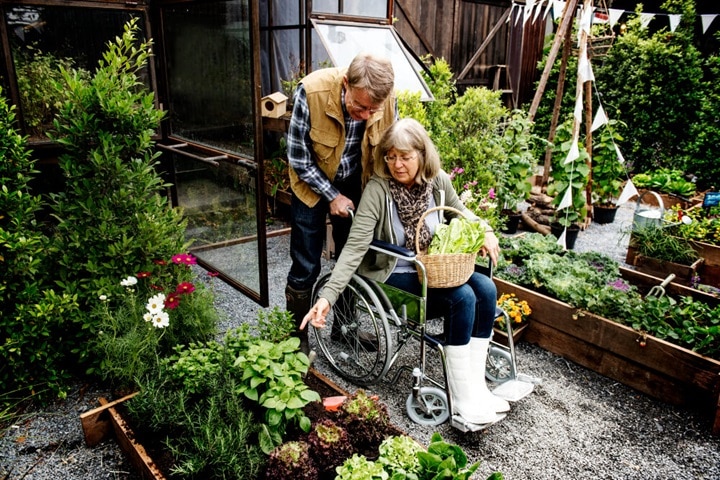
Shared gardening spaces and community-led projects are fostering connections between neighbours and friends. Gardens are becoming hubs for education, collaboration, and mental well-being.
Join or start a community garden to share resources and expertise. Host gardening workshops or plant swaps to bring people together. Create a “little free garden” where neighbours can contribute or harvest surplus produce… these are just some ideas to help you get in on this trend.
Cutting Gardens: Bringing the Outdoors In
Cutting gardens, dedicated to growing flowers for indoor arrangements, are a wonderful way to enjoy garden blooms year-round. This trend satisfies the growing desire for seasonal, sustainable alternatives to store-bought bouquets.
Succession planting ensures a continuous supply of blooms for every season and there are plenty of great plants that provide flowers or foliage for your household displays.
FAQs
Are edible gardens still trending for 2025?
Absolutely. Edible gardens are evolving beyond simple vegetable patches to become integral parts of landscape design. Combining ornamentals with edibles creates functional and visually stunning spaces.
What types of plants are gaining popularity for 2025?
Resilient, low-maintenance plants such as drought-tolerant perennials, native species, and pollinator-friendly flowers are top choices. Nostalgic favourites like flower bulbs are also making a strong comeback.
What colours and aesthetics are trending for garden designs in 2025?
Naturalistic designs with muted tones, such as sage green, lavender, and soft pinks, are in vogue. Pops of vibrant colour, like golden yellows and rich purples, add energy. Textured foliage and mixed planting schemes enhance the sense of layered depth.
Sources
Joyner, L., (2024) 24 surprising plants and flowers you can eat, according to the RHS. Country Living. [online] Available at: https://www.countryliving.com/uk/homes-interiors/gardens/a62575982/unknown-edible-plants-rhs/