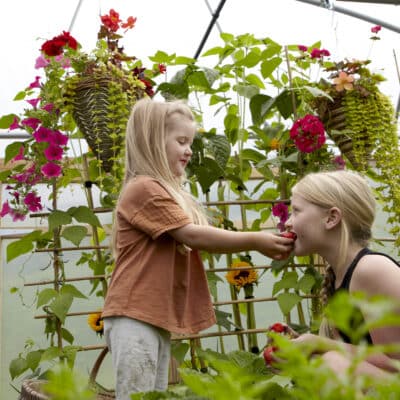


Transform your meals and your living space with just a bit of soil and seeds! Discover the joys and simplicity of growing food at home.
More people are preferring to grow their fruit and veg at home rather than purchasing them from the local supermarket. But what are the best foods to grow at home? In this article, you will find in-depth information about growing food at home, with the top 14 foods that are perfect for growing at home, regardless of your gardening experience. From succulent strawberries to crisp cucumbers, learn how to cultivate your own fresh produce even in the smallest spaces.
Key points:
- Follow our detailed, step-by-step guidance on cultivating a variety of foods easily at home, from strawberries to tomatoes, potatoes and cucumbers.
- Discover strategies for using small or unconventional spaces effectively for gardening.
- Explore the cost-saving advantages of home-grown produce compared to store-bought options.
- Understand eco-friendly methods and the advantages of cultivating your own food.
How to Grow Fruit and Vegetables at Home
You don’t need a sprawling backyard to start growing food at home.
A sunny window sill is sufficient to nurture herbs, lettuce, and cress, proving that limited space can still produce delicious results. For those with just a bit more room, consider using hanging baskets or garden pots in your kitchen to grow small vegetables like tomatoes.
Expanding Outdoors
If you have access to an outdoor area, even if it’s just a small patch, you can explore growing a wider variety of produce.
Grow bags are excellent for tomatoes, strawberries, or potatoes. They are inexpensive and perfect for patios or balconies.
For vegetables that need deeper roots, like carrots, try an unconventional approach like a garden dustbin—it’s more effective than you might think!
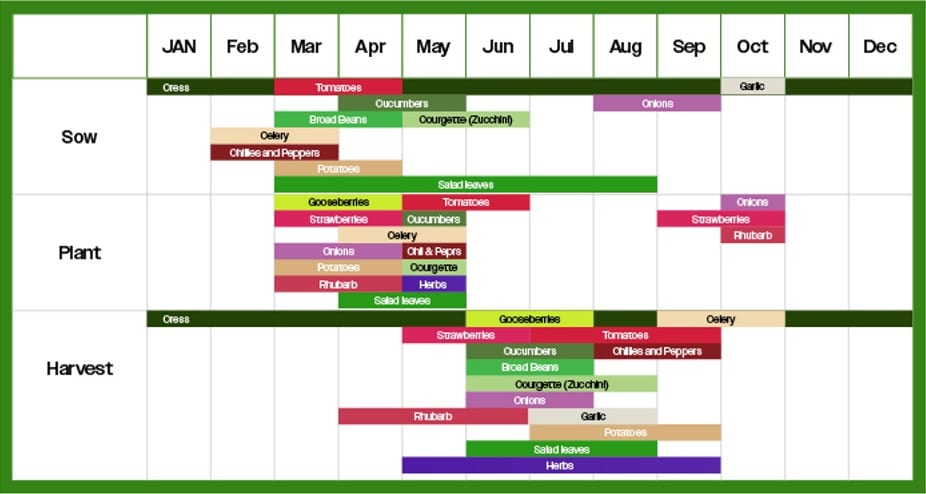
14 Easy-to-Grow Foods
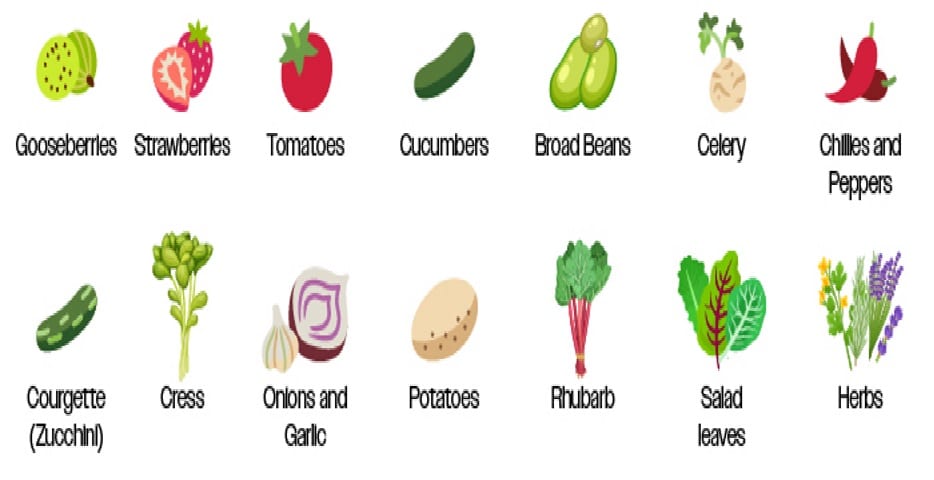
Now that you are aware of how you can start growing foods at home, let’s look at the best ones that you can grow. NOTE: for fruits presented here, use our fruit cages for the best results.
1. Gooseberries
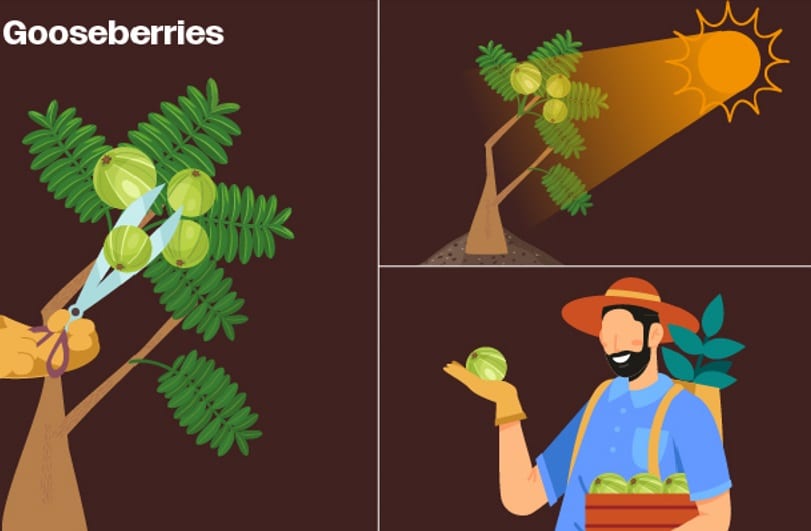
Ideal for those new to growing food, a single gooseberry bush can provide fruit for up to 15 years.
To maximise your harvest, thin the fruit clusters early in the season when they’re pea-sized. Not only will the remaining berries grow larger, but the thinned fruits are perfect for cooking down into a delicious stew.
Learn about cape gooseberries in our growing guide.
2. Strawberries
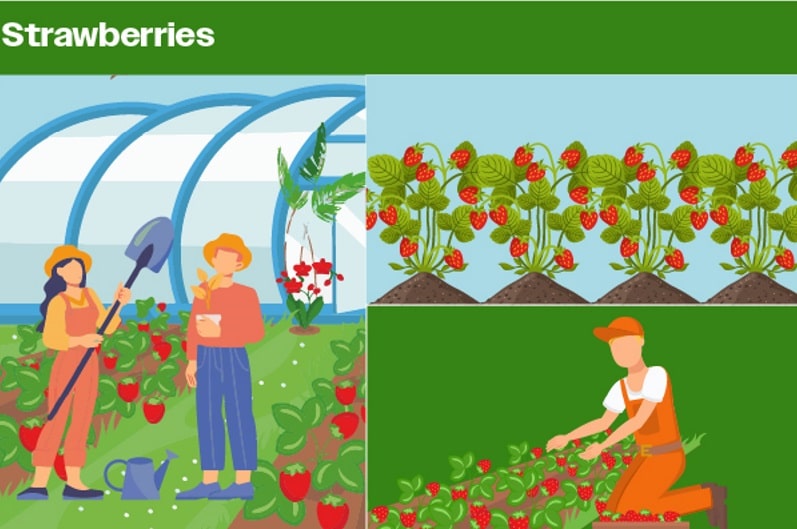
A favourite for many, strawberries can be grown in pots, grow bags, or directly in the garden soil. Ensure they have proper drainage to avoid waterlogging.
With minimal care, they will reward you with fruits season after season.
Be sure to follow our detailed guide on how to grow strawberries, and don’t forget to try these delicious strawberry recipes as well.
3. Tomatoes
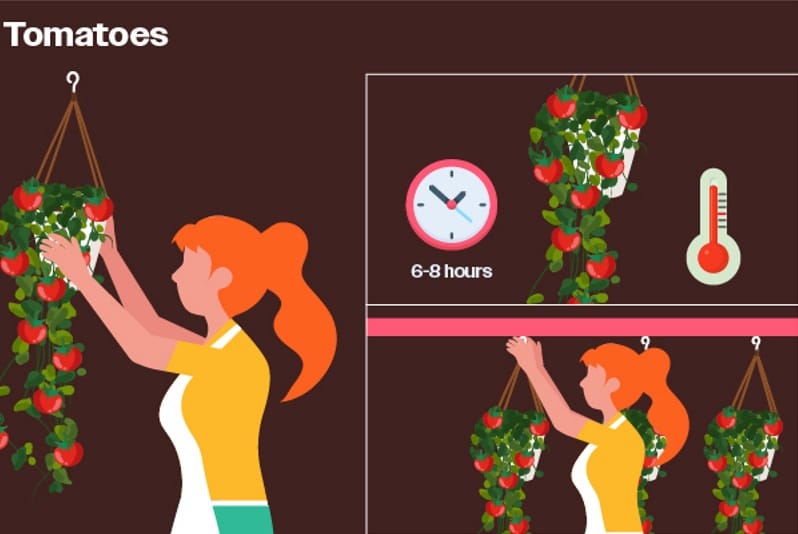
Essential for any student kitchen, tomatoes can be started from seeds or you can plant young vines for a quicker harvest.
Support them with stakes and ties to keep them upright.
Regular feeding with tomato fertiliser will promote healthy growth. Harvest them once they start to blush red. For the best flavour, let them ripen on a sunny sill rather than in the fridge.
What’s more, tomatoes are a highly efficient fruit that can be used in numerous dishes and sauces – just take a look at these tomato recipes!
For a more detailed approach, use this tomato growing guide.
4. Cucumbers
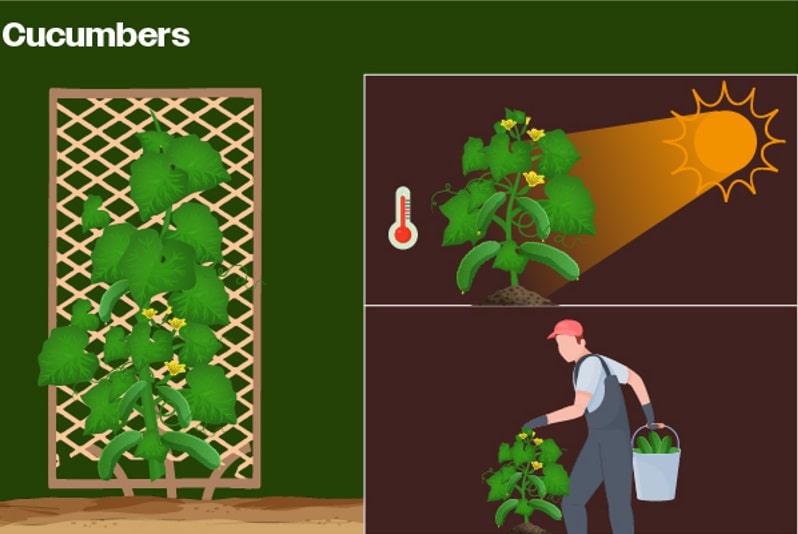
Cucumbers are versatile climbing plants that are best sown from early spring to early summer, ideally indoors to begin with.
What makes cucumbers standout is not just their faster growth from plot to plate but also their superior taste and variety compared to store-bought ones.
For just £5, you can purchase a pack of seeds that yield significantly more than what you’d spend buying cucumbers from a store within a year, and with minimal space needed, they are perfect for vertical gardening.
5. Broad Beans
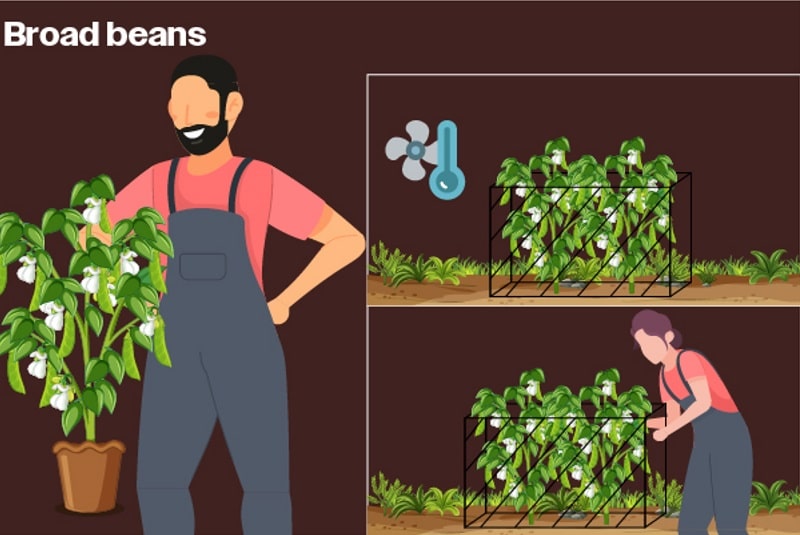
Broad beans are a wonderful choice if you’re looking into growing food at home due to their simplicity and yield. Planting a pack of seeds costing around £3 can lead to a harvest that might cost over £60 at the supermarket. These legumes not only provide a rich source of protein, making them excellent for vegetarians, but also grow vertically, saving garden space. Additionally, broad beans can be dried and stored, increasing their utility.
6. Celery
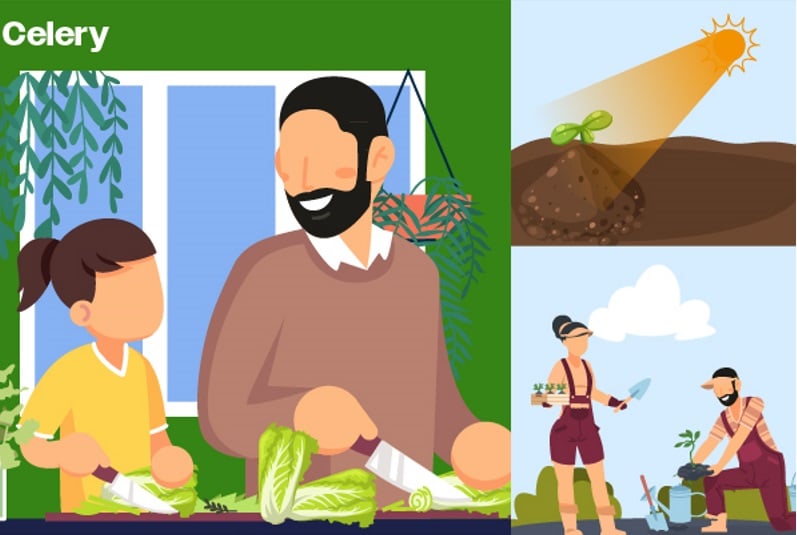
Celery is uniquely fascinating because it can regenerate itself.
To grow your own celery, simply place the root end in a shallow bowl of water on a windowsill.
It’s crucial not to submerge it completely; you can use cocktail sticks to hold it above water. Within a week, you should see new growth, and soon after, you can transplant it into soil. This method not only saves money but also provides a continuous supply of fresh celery from minimal initial investment.
7. Chillies and Peppers
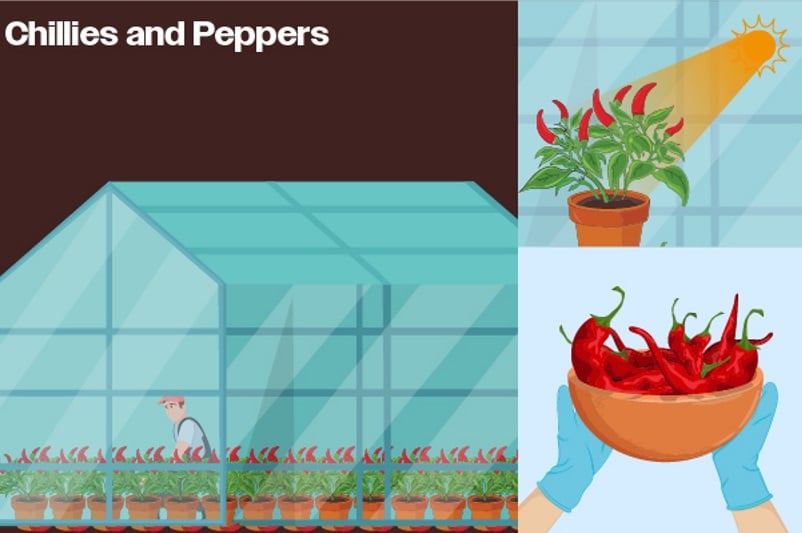
Chillies and peppers are among the easiest vegetables to spice up your garden and your dishes. These plants thrive even in small pots on a windowsill and require just a little water regularly.
By growing different varieties from seeds, you can enjoy a diverse range of flavours and heat levels. Peppers and chillies not only elevate your cooking but are also decorative, adding colour and vibrancy to your home.
Be sure to read our guide on how to dry chillies correctly.
8. Courgette
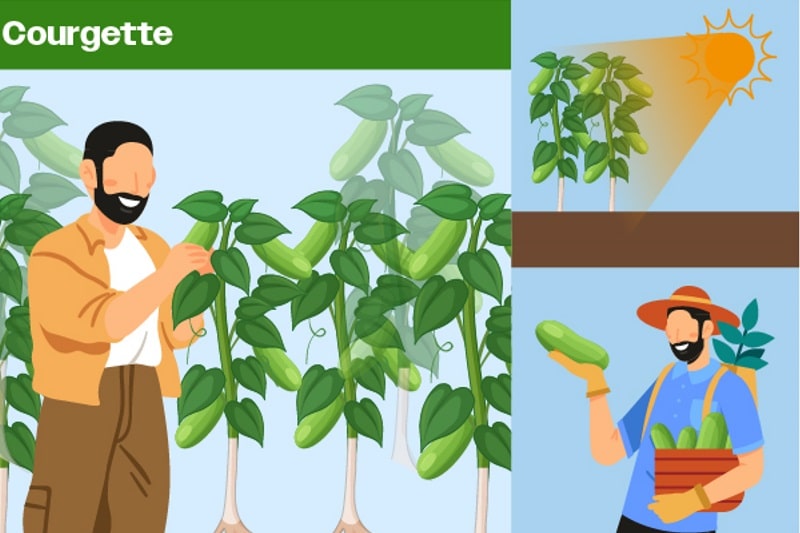
Courgettes, or zucchinis, are a top choice for those looking to grow food at home.
They are not only easy to cultivate but also highly productive. A few plants can produce enough courgettes to feed a family throughout the summer.
Starting these plants from seeds is cost-effective; a packet can cost around £3 and significantly cuts down on grocery bills. Plant your courgette seeds in late spring and watch as they flourish into a staple for fresh summer salads and dishes.
9. Cress
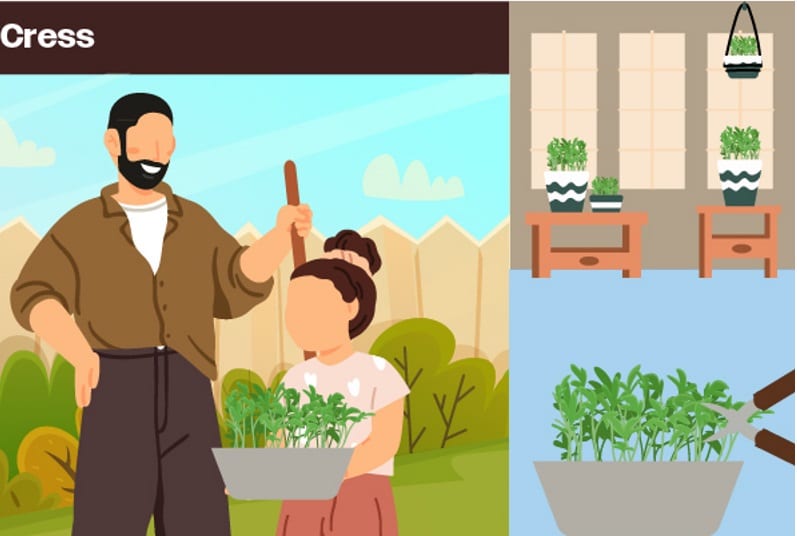
If you’re eager to see quick results, cress is the ultimate beginner-friendly plant.
This fast-growing green can sprout in shallow containers like plastic pots or even repurposed yogurt cups, making it a perfect experiment for small spaces like apartment window sills, as well as any sized polytunnel.
Simply sprinkle some seeds in soil, place them in a sunny spot, and keep moist. In just a few days, you’ll have fresh cress ready to enhance your sandwiches and salads.
10. Onions and Garlic
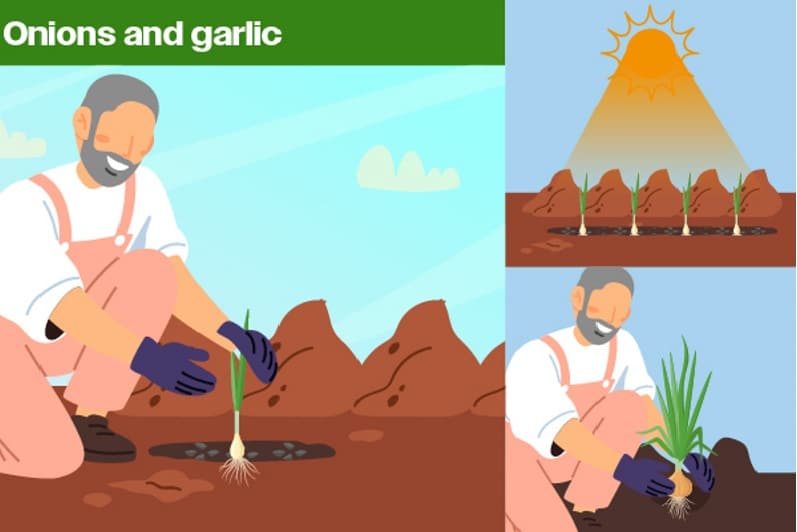
Growing onions and garlic is surprisingly simple and can lead to substantial savings.
These kitchen staples are essential for countless recipes and can be grown in well-drained soil either in the garden or in grow bags. Start with bulbs that have begun to sprout—often these are ones you might otherwise throw away.
Plant them in the early spring, and with minimal maintenance, they will provide a bountiful harvest. Properly stored, onions can last up to eight months, while garlic can be frozen and used as needed.
Read these relevant growing guides for more detailed information on how to properly grow spring onions and garlic.
11. Potatoes
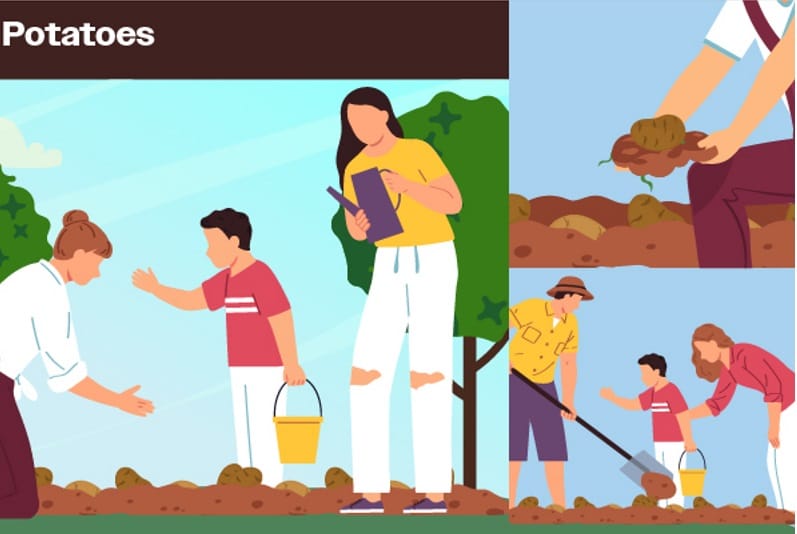
Potatoes are another excellent choice for those learning how to grow their own food.
They thrive in varied environments, whether in a garden bed, a large dustbin, or a specialised grow bag. Begin by filling your container halfway with compost and planting a few whole potatoes. Cover with more compost as shoots appear, repeating until the container is full.
After 10-20 weeks, you’ll be rewarded with a crop ready to be turned into delicious dishes. Ensure proper drainage to prevent waterlogging, which can be achieved by placing bricks or stones under or in your container.
12. Rhubarb
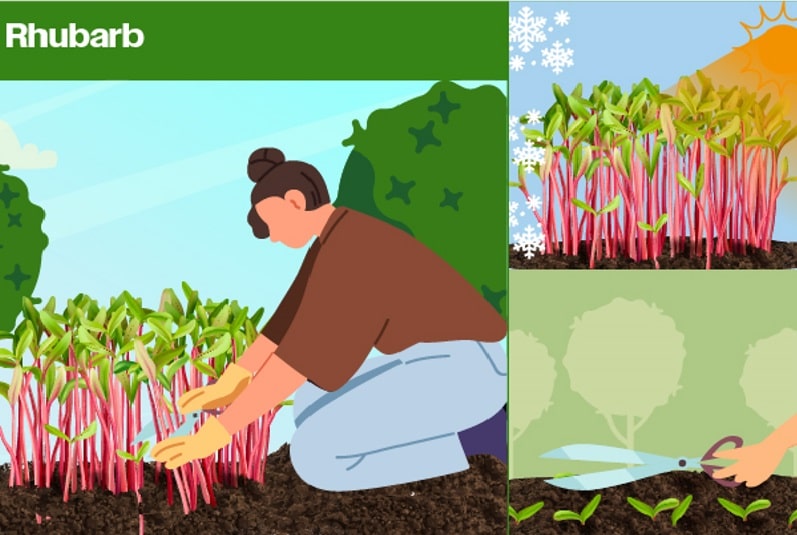
Rhubarb is a fantastic crop to grow at home, especially for those who love baking pies or whipping up fresh crumbles.
Remember, rhubarb leaves are toxic and should never be consumed—always remove and discard them before using the stalks. For the best results, purchase young rhubarb plants and use high-quality potting soil in a section of your garden or a large container. Rhubarb is prolific once established, ensuring you get great value for your investment.
13. Salad Leaves
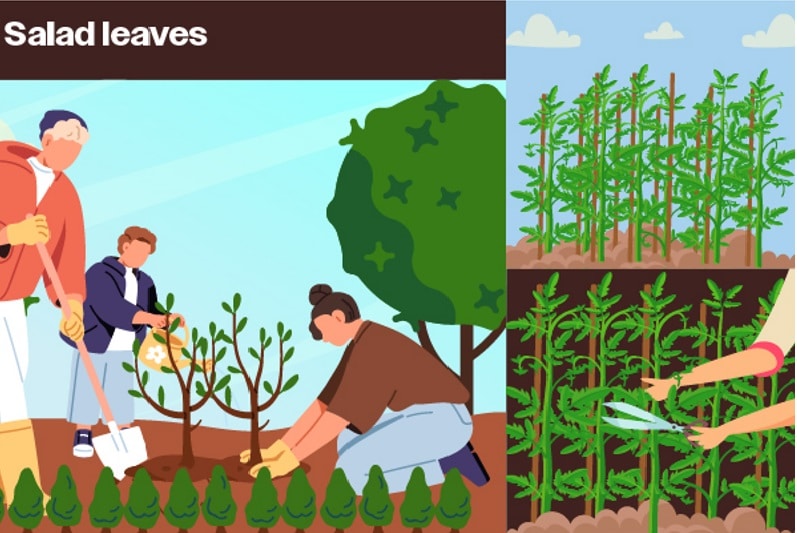
Salad leaves are incredibly versatile and can be grown nearly all year by selecting different varieties for each season.
They are perfect for those looking to grow food at home without much space. Plant them in the ground or in window boxes for easy access. Adding radishes and spring onions to the mix can diversify your garden and enhance your salads. To protect your tender leaves from pests like slugs, sprinkle crushed eggshells around the plants.
14. Herbs
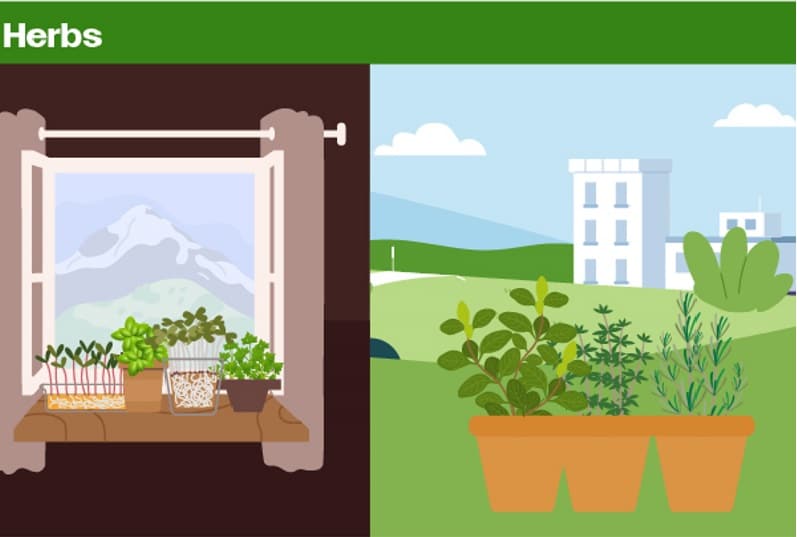
Fresh herbs are indispensable in the kitchen, spicing up even the simplest dishes. Growing your own herbs like basil, chives, parsley, and sage is straightforward and economical.
Start with seeds or rejuvenate reduced-price potted herbs from the supermarket by replanting them in a sunny spot. Herbs thrive in window boxes, pots, or even hanging baskets, making them ideal for indoor and outdoor growing.
Herbs like oregano, thyme, mint, and rosemary are hardy and adapt well to various conditions, ensuring you have a steady supply of fresh flavours to enhance your cooking.
Our detailed growing guides on herbs include:
10 Tips for Growing Food at Home
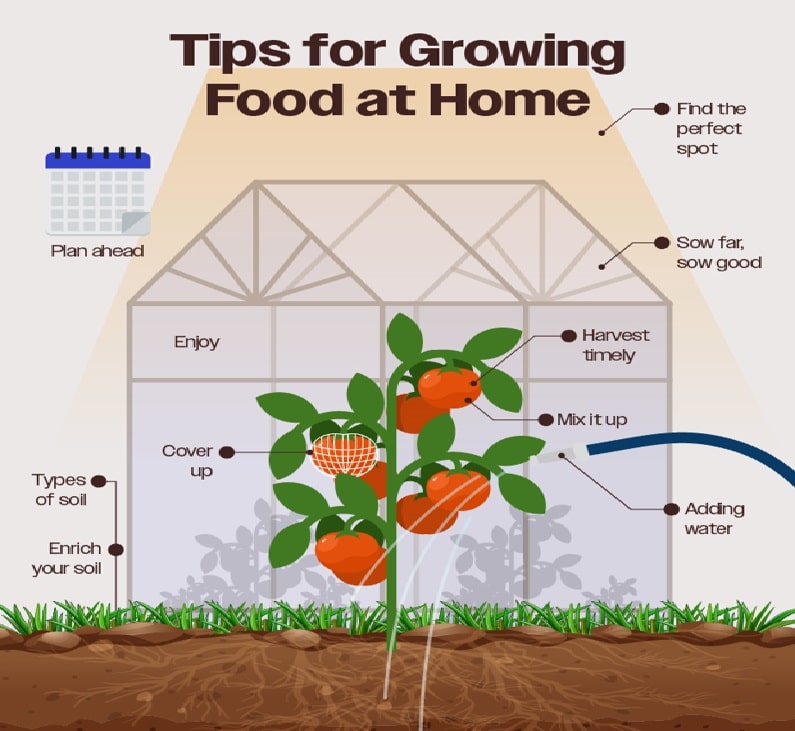
It’s all well and good knowing about what foods to grow at home, but what are the best tips on how to collect rewarding results from your foods? Find out below.
1. Find the Perfect Spot
Whether you have a sprawling backyard, an expensive garden to easily fit a domestic polytunnel in, or a modest balcony, selecting the right spot is crucial for growing food at home.
Utilise any available space by setting up raised beds or containers to create a versatile garden that fits your living situation. This flexibility allows you to maximise even the smallest areas for growing a variety of fruits and vegetables.
2. Plan ahead
Most fruits and vegetables thrive best when planted at specific times, which aligns with their peak growing periods. To stay organised, maintain a gardening diary or calendar to schedule sowing and harvesting times, ensuring you enjoy the freshest produce at its peak.
3. Mix it Up
Even in limited spaces, mixing up the types of plants you grow can enrich your gardening experience and extend your harvesting season. Mixing different fruits and vegetables in your garden or containers not only optimises your space but also helps maintain soil health and reduces pest risks.
4. Types of Soil
Soil type significantly affects plant growth.
Conduct a simple squeeze test to determine if your soil pH levels and see if it is clay, sand, or loam. Adjust your planting strategy accordingly—for instance, use raised beds filled with quality topsoil or compost for better drainage and growth conditions.
Is clay soil acidic? Consider growing acid-loving plants like blueberries and raspberries, or amend the soil to suit other types of crops.
5. Enrich Your Soil
Enriching your soil with compost or organic fertilisers before planting will provide your crops with essential nutrients and boost their growth. Choose fertilisers that are suitable for edible plants to ensure your food is healthy and safe to consume.
6. Sow Far, Sow Good
The best planting method varies by plant type. Directly sow hardy bulbs and seeds into the soil, while starting tender varieties in seed trays for later transplanting may be better. For beginners, consider using plug plants—partially grown vegetables that can be easily transplanted and nurtured to maturity, simplifying the gardening process.
7. Just Add Water
Efficient watering is critical for healthy plants. Water your garden during the cooler parts of the day to minimise evaporation and ensure that your plants get the most benefit. Be observant of your plants’ needs; some might require more frequent watering, especially during dry spells.
8. Cover Up
Shielding your crops from the elements and pests is essential for a successful harvest. Use covers like polythene to protect against frost and mesh to keep out insects and birds. For ground pests like rabbits, a perimeter of chicken wire can be effective. Use these polytunnel covers to promptly protect any crops that you grow in our structures.
9. Harvest Timely
Harvesting at the right time is as crucial as the planting process. Some vegetables, like carrots, can remain in the soil until needed, while others, such as peas and sweetcorn, should be picked as soon as they are ripe for the best flavour. Monitoring your plants closely as they mature will help you determine the best time to enjoy your produce.
10. Enjoy
Lastly, the satisfaction of eating homegrown food, knowing it was cultivated by your own efforts. Fresh, homegrown produce not only tastes better but also contributes to a sustainable lifestyle by reducing the carbon footprint associated with transporting supermarket food.
FAQs
What food is hardest to grow?
Cauliflower is considered one of the hardest foods to grow due to its specific needs for consistently cool temperatures and its sensitivity to temperature changes, which can affect head formation.
What food takes the shortest time to grow?
Radishes are among the fastest-growing vegetables, typically ready to harvest within three to four weeks from sowing.
What are the easiest foods to grow?
Some of the easiest foods to grow include lettuce, tomatoes, cucumbers, carrots, and green beans, all of which require relatively basic care and can thrive in a variety of climates.
Sources
BBC Good Foods (2020) Strawberry Recipes. [online] Available at: https://www.bbcgoodfood.com/recipes/collection/strawberries-recipes [accessed 23/08/24]
Olive Magazine. (2021) Tomato Recipes. [online] Available at: https://www.olivemagazine.com/recipes/collection/best-tomato-recipes/ [accessed 23/08/24]