

Making fungal compost is an interesting subject to learn more about. Composting might not sound like the most fascinating of topics, but those who delve deeper into this soon discover that it really can be amazing.
The basics of composting are very simple. But when you look more deeply into the science behind decomposition, and the different composting methods, you will soon see that there is far more to learn. And that learning about different composting methods and types of compost can yield better results in your garden.
One thing that most gardeners will not have considered is whether their goal is to create a fungal-dominant compost, or a bacteria dominant one. As you will learn in this article, this can be an important question.
What is Fungal Compost?
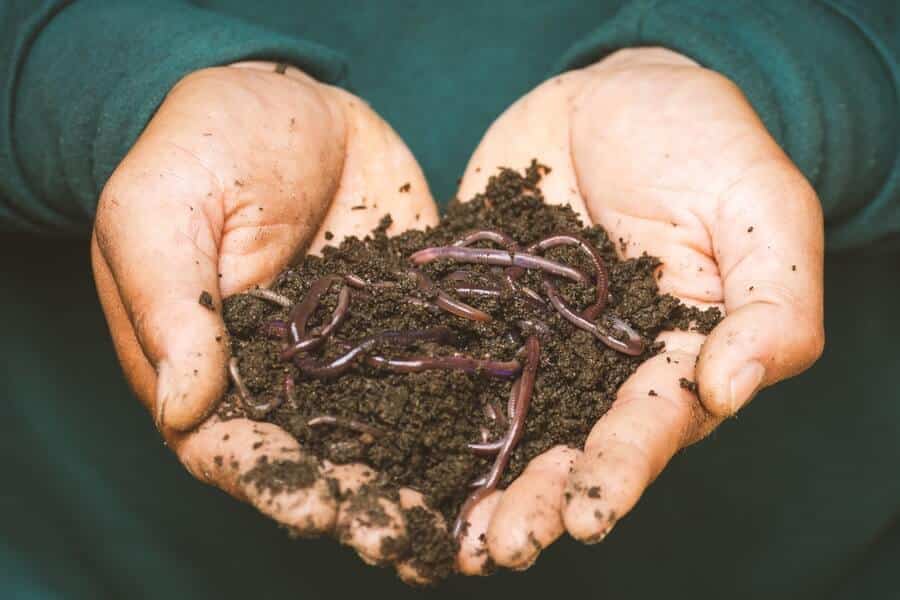
One of the most important things to learn about compost is that it is not an inert material. Compost teems with life. The micro-organisms and other life which work within a compost heap are essential to the process. And creating optimal conditions for the right forms of life is crucial to creating the ideal compost for your garden.
A fungal compost is a compost which, as the name suggests, is dominated by fungal life, as opposed to bacterial life. As you will learn below, there are a range of reasons why we might wish to create a compost of this type.
How does Fungal Compost Differ from Other Compost?
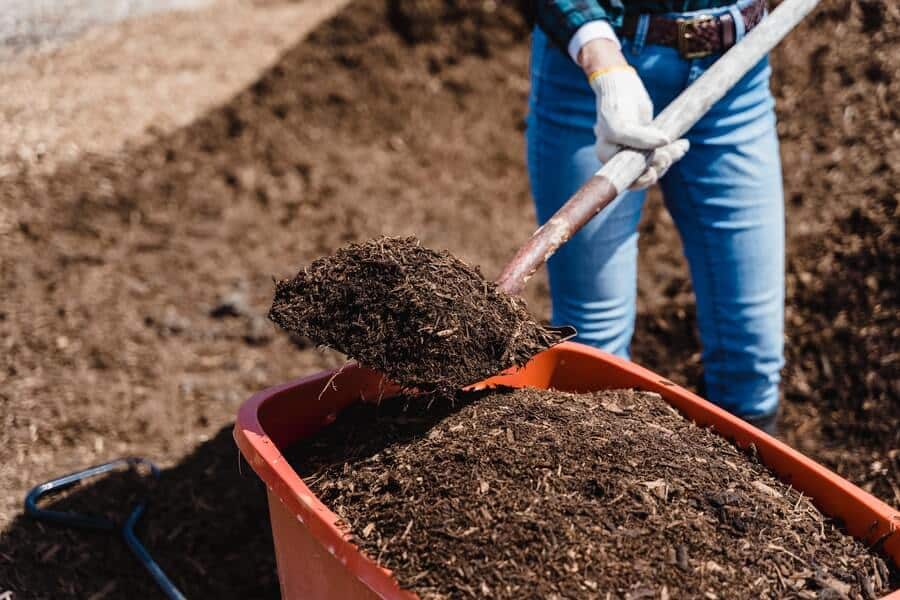
Most of the compost typically created at home is dominated by beneficial bacteria. The conditions created by combining roughly equal amounts by volume of carbon rich and nitrogen rich materials and turning or aerating the heap regularly benefit this form of life. And this typical bacterial compost is ideal for your vegetable garden.
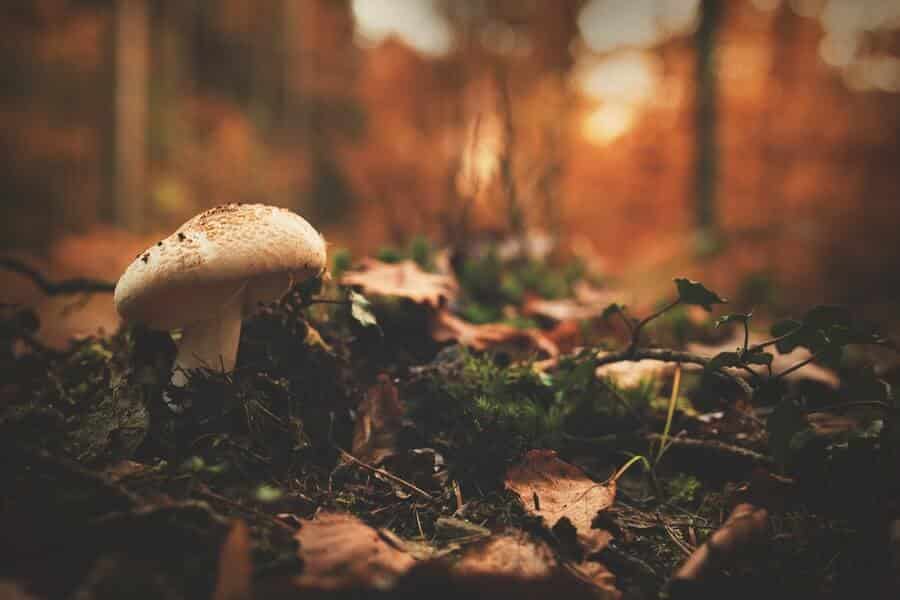
Fungal compost creates a material more akin to that found on a forest floor. This is dominated by the fungi which help to make a collection of trees a forest, and tie tree and shrub dominated ecosystems together.
Why Create Fungal Compost?
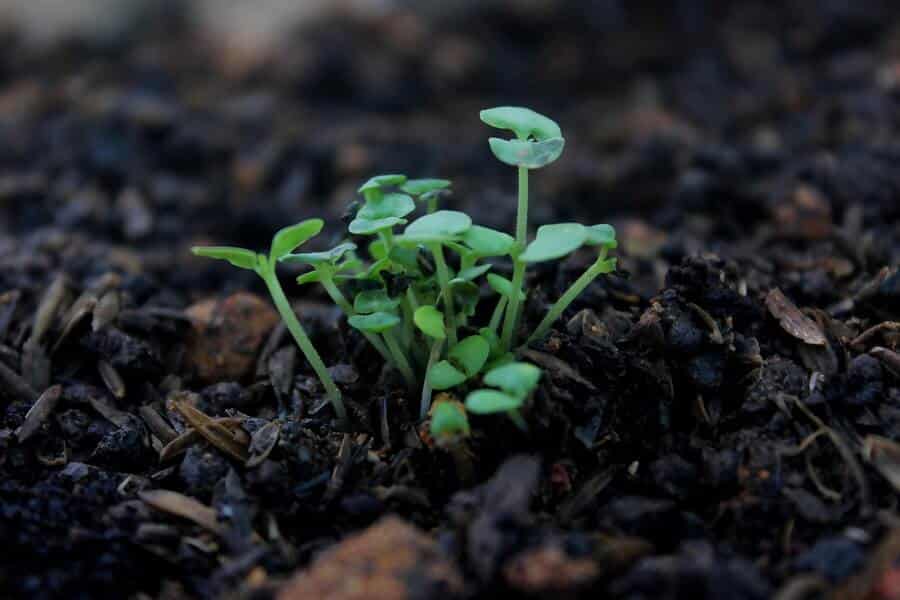
To garden successfully, we rely on the soil, and to create healthy soil we need to pay attention to the healthy microbial populations it contains. We rely on bacteria and fungi in our gardens, and in tree and shrub based ecosystems, the fungal populations are dominant. To keep those fungal systems functioning as they should, we should create composts which promote beneficial fungal growth.
Beneficial fungi in the soil:
- Make the soil web function as it should and benefit overall ecology.
- Help provide fungal networks with deliver water and nutrients to plants.
- Out-compete disease causing organisms.
- Protect plants directly with anti-pathogens.
Compost does not just add nutrients to boost fertility in growing areas, it is also crucial to remember that it can improve and benefit the micro-organisms upon which healthy soil depends.
Where grasses, annual grains and vegetables are being grown, the fungal/bacterial ratio is usually around 0:3 to 1:1. But orchard trees and other woodland/forest plants thrive in a soil with 10:1 to 50:1 ratios. In woody ecosystems in particular – such as orchards, tree and shrub borders, or forest gardens, boosting fungal dominance can be beneficial. That is where a fugal compost usually comes in.
How to Make Fungal Compost
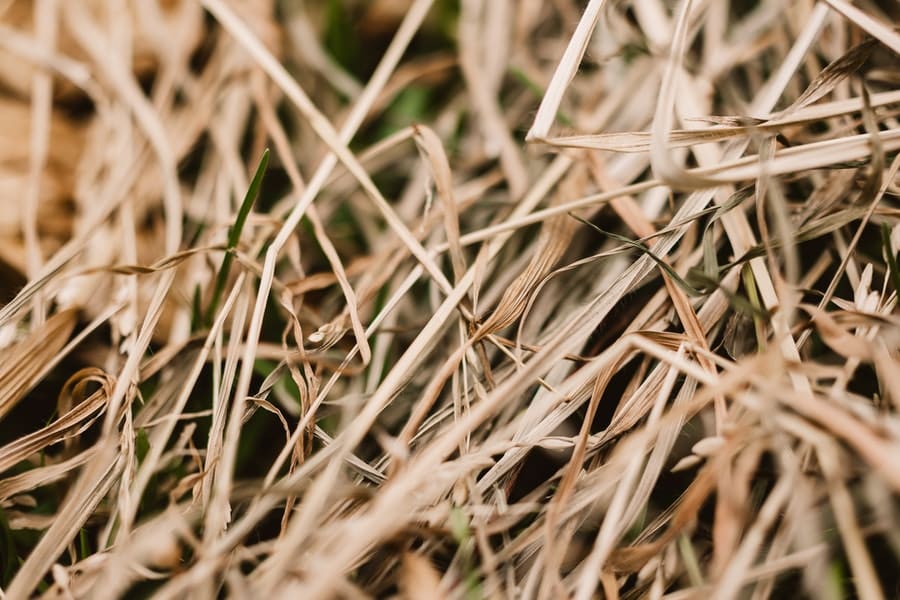
Creating fungal composts involves thinking about the materials used. It is a good idea to utilise plenty of woody material and woodland biomass. Using ramial hardwood chips (the wood from outer branches) as well as chipped softwoods helps create the perfect conditions in a cold composting system for beneficial fungi to thrive.
Reducing the nitrogen content and increasing the carbon content of your composting components can help to create the right environment too. When creating a fungal compost, you will usually add a higher proportion of carbon rich materials (dry leaves, woody material, straw etc..) than in a traditional bacterial composting system.
Another important thing to remember when making a fungal compost is that the hyphae and mycelia of the fungi in the system can only grow successfully when the system is left undisturbed for longer periods of time. So unlike in a typical composting system, you will not turn the materials to aerate them, or will not do so as frequently.
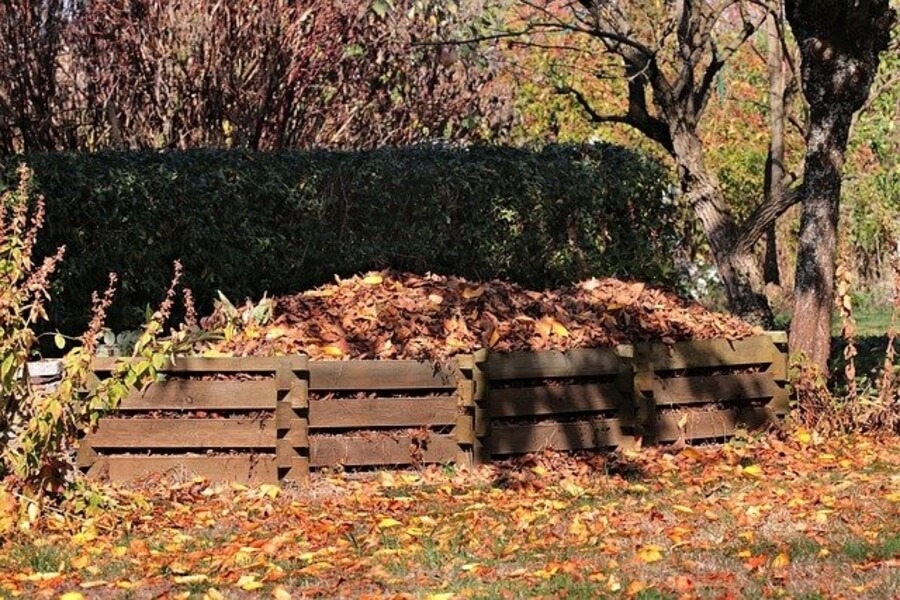
When making a fungal compost, you can bear the above in mind and create a simple cold composting system. This is a good idea for placement on the fringes of a forest garden, for example. I have my own simple fungal composting system in my own forest garden. You can also try hot composting with some tweaks to let the fungal populations thrive and to speed up the process.
You can also consider creating a specialist bioreactor. The Johnson-Su bioreactor is one efficient and effective organic composting system, for example, which aims to promote healthy microbial life – and promotes a fungal-dominant environment. This system allows compost to be created in aerobic conditions in a static pile, and is simple and inexpensive to build. Full instructions can be found here.
There are a number of different ways to make a fungal compost and to promote a healthy fungal population in your soil. So as a gardener, it is a great idea to delve into this fascinating topic and begin to boost fungal dominance in your garden.
To more you learn about soil in your garden, and the complex web of life it contains, the more you will understand just how important taking care of fungi in your space can be. If you would like to share your own tips or experiences, please do so using the links below.