


Whether you have a large garden or a tiny outside space, growing herbs can be one of the most rewarding gardening experiences. You can grow herbs inside on your windowsills even when you have no outside space at all. If you do have a garden, you can find a place for them in your polytunnel garden, or in outside growing areas.
You could also grow herbs in a mini polytunnel to keep them safe from weather and pests. When you grow herbs you can add flavour to dishes with fresh herbs throughout the year and can also have access to herbs you have dried for use in a wide range of recipes.
In this guide, herb growers can learn more about how to dry herbs at home.
Project Overview
Drying herbs is a straightforward project that requires minimal equipment and effort. Herbs are best harvested and dried before the first frost hits to maintain the best quality, potency, and flavour. Whether drying indoors or outdoors, the key to successful herb drying lies in careful harvesting, preparation, and storage to ensure that they remain flavourful for as long as possible.
Before Getting Started
Before you begin drying your herbs, it’s important to understand the best practices to get the highest quality results. Timing, the drying method you choose, which herbs you choose to dry, and how you handle your herbs can all impact the flavour and usability of your dried herbs.
When to Harvest Your Herbs for Drying
Drying herbs from your polythene tunnel in late autumn or early winter can help to make sure you continue to eat well over the winter months.
Harvest herbs before the first frosts arrive, to make sure that the herbs you collect are of top quality. Collect herbs in the morning after the sun rises where possible, when essential oil production is at its peak.
Even in mid winter when outside, the whole plant world seems to be sleeping, inside your home, you can still be reaping the bounty harvested the previous year. Drying herbs from your garden can ensure that you have flavoursome editions to add to all your winter recipes.
What You’ll Need
Drying herbs is a simple process that doesn’t require expensive equipment. Here’s what you’ll need to get started:
- Freshly harvested herbs (preferably with stems attached)
- Clean kitchen towels or paper towels
- Rubber bands or twine for bundling herbs
- A drying rack, or space to hang herbs (like a clothesline or kitchen hooks)
- Optional: paper bags, a food dehydrator, or an oven for alternative drying methods
- Airtight containers for storing dried herbs longer term.
The Best Herbs to Dry
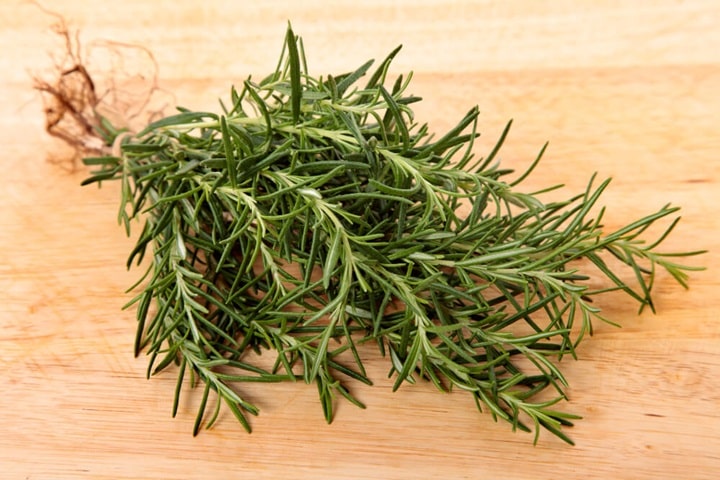
Some herbs fare better than others when dried. Amongst the herbs that are perfect for drying are:
These herbs maintain their flavour profile well when dried and can last throughout the winter when stored properly. However, some leafy herbs like basil, parsley, mint, and chives may lose some potency when dried. If you prefer to retain the fresh flavours of these herbs, freezing them may be a better option.
Leafy herbs like basil, coriander and parsley, though they can be dried, will not respond very well to drying. To preserve the fresh herb flavour of these herbs, the best option is to freeze them.
There are various different methods which allow you to do so in a convenient way. One method involves chopping the herbs finely and packing them into an ice cube tray before topping off with a little water (or vegetable stock). You can then simply pop the cubes out of the tray and use them as required later in the year.
Another method is to blend your herbs into a paste with a little oil or water (or make a full pesto) before you freeze them. Frozen cubes can be stored in an airtight container in a freezer for up to 3-4 months.
How to Dry Fresh Herbs
The easiest way to dry herbs at home is to air dry them. The time it will take to dry your herbs will depend on the type of herbs you are drying, as well as on the humidity levels and temperatures that you are drying the herbs at.
Generally speaking, you can expect your herbs to be fully dry within around 3-4 weeks. Drying herbs on a cooling rack or similar, or hanging them up is a good idea as this will allow for good airflow around the drying herbs.
Air drying fresh herbs is generally considered to be preferable as this method will result in the least loss of flavour and nutrients. However, you can also dry herbs in the oven, on a very low temperature, in a stove (in a warming oven, perhaps) or in an electric dehydrator.
Air Drying Herbs
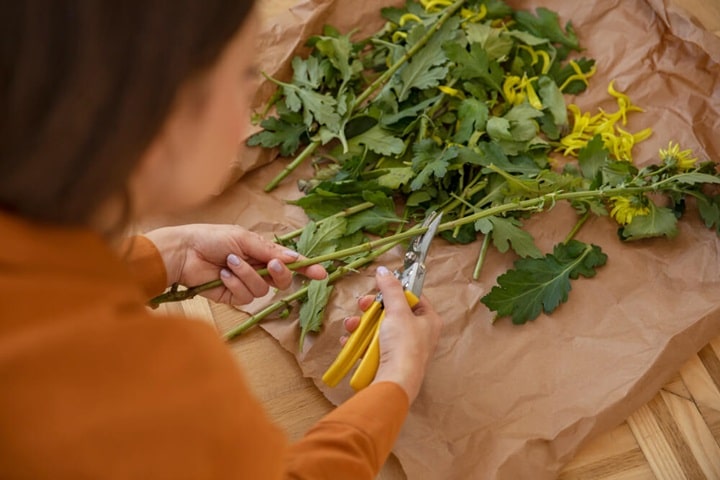
Air drying is the most traditional method and helps preserve the most flavour in the herbs. It’s easy to do and requires no special tools, making it accessible to everyone.
Step-by-Step Air Drying Process:
- Gather Clippings: Harvest your herbs in the morning, cutting the stems cleanly with a sharp knife or scissors.
- Shake the Branches: Lightly shake the herbs to remove any dirt or insects.
- Make Sure the Herbs Are Clean and Dry: Avoid washing herbs unless they are dirty. If necessary, rinse them quickly and then pat them dry with a towel to remove excess moisture.
- Remove Lower Leaves: Strip off the lower leaves of each stem, as they can decay or slow the drying process.
- Bundle the Stems Together: Gather small bunches of herbs (around 5-10 stems) and tie them together with twine or a rubber band.
- Add Herbs to Paper Bags (Optional): If dust is a concern, place the herb bundles inside paper bags with holes punched in the sides for ventilation. This will help keep them clean while they dry.
- Hang the Herbs Upside Down: Hang your herb bundles upside down in a well-ventilated, dry area away from direct sunlight. The air circulation helps to dry the herbs evenly and prevent mould growth.
Drying Herbs in the Oven or Stove
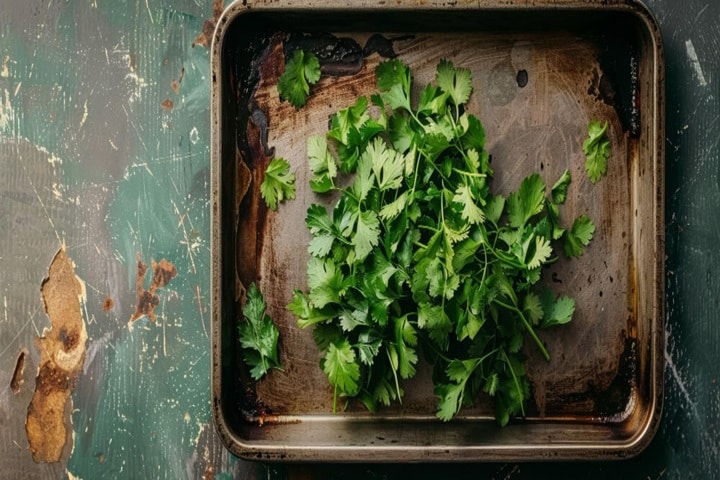
For a quicker method, herbs can be dried in the oven. Be careful, as high heat can destroy the essential oils that give herbs their flavour.
- Preheat the oven to its lowest setting (usually around 37-43°C.)
- Spread the herb leaves in a single layer on a baking sheet lined with parchment paper.
- Keep the oven door slightly ajar to allow moisture to escape.
- Bake the herbs for 2 to 4 hours, checking regularly to ensure they don’t burn. Once they crumble between your fingers, they’re ready.
Drying Herbs in an Electric Dehydrator
If you have a food dehydrator, it’s an excellent tool for drying herbs efficiently while retaining their flavour.
- Arrange the herbs in a single layer on the dehydrator trays.
- Set the dehydrator to a low temperature (about 35-46°C).
- Dry for 1 to 4 hours, checking frequently until the herbs are completely dry and crumble easily.
- How to Store Herbs
Dry herbs can be tied into bunches and strung up out of direct sunlight in your home, where you will have easy access to them when cooking. Simply hang them in bunches upside down, securing them with twine or elastic bands.
The best location for your herbs is somewhere warm and dry, and so the kitchen is not always ideal as the humidity can be high and there are likely to be many temperature fluctuations.
Ideally, the bunches of herbs should be hung out of direct sunlight as the sun can cause them to bleach when they are exposed to too much of it.
While hanging herbs in your kitchen can mean that they are handy for cooking, do keep herbs away from intense heat sources such as your stove, and far away from the steam from your kettle and sink.
Bunches of herbs hanging in your kitchen or elsewhere in your home will not only allow easy access when cooking but will also add attractive decoration to your interiors and will infuse your home with pleasant fragrances throughout the year.
For longer term storage of dried herbs you can also crumble the dried herbs into small pieces and place them in airtight jars or containers. Herbs stored in this way will last far longer and can find a space in your herb and spice rack. You can reuse the containers that bought herbs or spices can in for this purpose.
It is easy to tell when herbs are fully dry because they will crumble when rubbed between the fingertips, though it is best not to crumble all your herbs until you actually want them. Whole leaves and seeds will better retain their oils than crumbled herbs.
That said, it can be useful to make up a few mixes – an Italian herb mix for example – to make it easier and quicker to enjoy your favourite meals. Store dried herbs in sealed jars in a cool place out of direct light.
In optimal conditions, dried herbs should last for up to one year. However, it is worth noting that while drying herbs can intensify their flavour, herbs will tend to lose potency in their flavour over time.
Properly dried herbs will be perfectly safe to enjoy after a longer period, though may not taste their best after a few months. Again, how long dried herbs will last will depend on which drying herbs we are talking about and the conditions in which they are kept.
Since dried herbs can often intensify in flavour as they dry, if you are substituting dried herbs for fresh herbs in a recipe you will usually substitute these at a ratio of 1 to 3.
The Mediterranean herbs and other herbs that are good for drying will often work just as well in many cooked recipes as fresh herbs of the same type, while on other cases, fresh herbs really will be preferable. Understanding the characteristics of the different culinary herbs will help you to understand how to use each one in your home cooking.
Dried herbs are, of course, useful for a range of culinary applications, but they can also be used in a wide range of herbal remedies which could keep you in top condition and help you to look after your health during cold and flu season.
What is more, in addition to medicinal uses, dried herbs can also be used to create a range of fragrant soaps and other beauty products. You can also enhance your home by making other items, such as pot pourri and herb-scented candles.
Drying herbs can be a useful skill to add to your arsenal and can help you make the most of the herbs that you grow in your polytunnel or elsewhere in your garden. Read more insightful food recipes on our blog.
FAQs
How do you dry herbs for winter?
The best way to dry herbs for winter is by air drying. Simply harvest, bundle, and hang them in a dry, dark area with good airflow until completely dry. You can also use an oven or dehydrator for quicker results.
How do you store dried herbs?
Store dried herbs in airtight containers, such as glass jars, in a cool, dark place. Whole leaves preserve their essential oils better than crumbled herbs, so store them whole if possible and crumble them when they are needed.
Is it better to dry or freeze fresh herbs?
It depends on the herb. Woody herbs like rosemary and thyme dry well and retain their flavour, while delicate herbs like basil and mint are better frozen to preserve their freshness and potency.
How to store herbs from a garden long term?
For long-term storage, dry your herbs thoroughly and store them in airtight containers away from light and moisture. Dried herbs can last up to a year if stored properly. Alternatively, freezing can be a good method for herbs that don’t dry well.
Sources
Free Range Cottage. (2023) How to Cook with Fresh Herbs. [online] Available at: https://freerangecottage.com/a-beginners-guide-to-cooking-with-fresh-herbs/ [accessed 27/09/24]