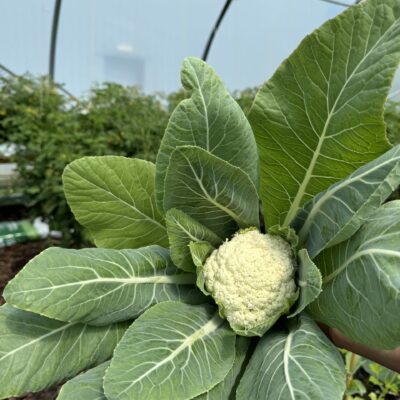


It is time to let go of rigid rules and straight lines and to embrace a little chaos in your polytunnel or elsewhere in your garden? Chaos gardening could be an exciting and easy way to get growing for a rewilded and more natural space.
What Is Chaos Gardening?
Chaos gardening is an approach to gardening that embraces nature’s randomness, encouraging biodiversity and resilience by allowing plants to grow in a more organic and unstructured way. Unlike traditional gardening, which involves careful planning, neat rows, and controlled conditions, chaos gardening is about scattering seeds, letting plants find their ideal spots, and stepping back to let nature take its course.
This concept aligns well with permaculture principles, which emphasise working with natural systems rather than against them. By fostering self-seeding plants and allowing them to flourish with minimal intervention, chaos gardening supports soil health, attracts pollinators, and increases the overall resilience of a garden. It’s an excellent method for those who want a beautiful, thriving space without the rigidity of traditional landscaping.
How To Start Chaos Gardening

The first step in chaos gardening is finding an area where you want to establish your garden.
Look For A Good Spot To Plant
This could be a neglected patch in your existing garden, a bare area in a community space, or even a section of your lawn that you’d like to convert into a wildflower haven.
When selecting a spot, consider the following:
- Sunlight: Most plants require at least a few hours of direct sunlight, so choose an area that receives adequate light.
- Soil Quality: While chaos gardens can thrive in various soil conditions, understanding your soil type can help you decide whether you need to amend it with compost or mulch.
- Moisture Levels: Some plants prefer well-drained soil, while others thrive in damp conditions. Choose a spot that matches the general preferences of the seeds you’re using.
…Or Chaos Garden In Containers
If you don’t have much outdoor space or prefer a more controlled version of chaos gardening, you can still enjoy this method by using containers. Large planters, raised beds, or even repurposed containers can serve as micro-chaos gardens.
To start a container chaos garden:
- Choose a container with good drainage.
- Fill it with nutrient-rich soil or compost.
- Scatter a variety of seeds, just as you would in an open garden.
- Place the container in a location with adequate sunlight.
- Water as needed and let nature take over.
This approach is ideal for small urban gardens, balconies, or renters who want a low-commitment way to enjoy chaos gardening.
Sprinkle Seeds Everywhere
The defining feature of a chaos garden is the way it’s planted. Instead of meticulously spacing and organising seeds, you simply scatter them freely over the chosen area. You can mix seeds by hand, or even take a handful and toss them into the wind, allowing nature to dictate their placement.
Some seeds that work particularly well in a chaos garden include:
- Wildflowers: Poppies, daisies, cornflowers, and foxgloves.
- Herbs: Basil, thyme, mint, and dill.
- Vegetables: Lettuce, radishes, chard, and beans.
- Companion Plants: Nasturtiums, marigolds, and borage.
For best results, scatter seeds at different times throughout the year, ensuring a continuous cycle of growth and self-seeding.
Do A Little Maintenance
While chaos gardening is largely hands-off, a little maintenance can help ensure success. Here are a few key tasks:
- Watering: In particularly dry periods, providing occasional water can help young plants establish themselves.
- Mulching: A light layer of mulch can help retain moisture and suppress aggressive weeds.
- Weeding (Selectively): Some invasive plants may try to take over. You can remove these selectively while leaving beneficial wild plants in place.
- Adding Organic Matter: Occasionally adding compost or leaf litter can help maintain soil fertility.
The key is to interfere as little as possible while ensuring that the garden remains a healthy, thriving space.
Let Go Of Expectations
One of the most important aspects of chaos gardening is learning to let go of rigid expectations. Unlike a traditional garden where everything is planned and predictable, a chaos garden thrives on spontaneity. Some plants will flourish, others may not appear at all, and unexpected volunteers (self-seeded plants from previous years) may emerge.
Embrace the surprises that come with this gardening method. You may find that your garden shifts and changes each season, adapting naturally to its conditions. This unpredictability is part of the beauty of chaos gardening—it mirrors nature’s own processes and fosters a deeper connection to the land.
The Pros Of Chaos Gardening

1. Encourages Biodiversity
Chaos gardening creates a habitat for a variety of plants, insects, and other wildlife. Because seeds are scattered without restriction, you’ll naturally cultivate a diverse mix of species, leading to a more balanced and self-sustaining ecosystem.
2. Low Maintenance
Since chaos gardening avoids rigid structure and excessive intervention, it reduces the workload of weeding, watering, and fertilising. Once established, many of the plants will self-seed and return year after year with little effort required from the gardener.
3. Improves Soil Health
A diverse mix of plants means a wider range of root structures, which helps aerate the soil, reduce erosion, and promote a healthier underground ecosystem. Some plants will fix nitrogen, others will provide organic matter as they die back, and the overall structure will support a more resilient growing environment.
4. Supports Pollinators and Wildlife
By creating a variety of flowering plants, you provide nectar and pollen sources throughout the seasons for bees, butterflies, and other beneficial insects. The untamed nature of a chaos garden also provides shelter for birds, hedgehogs, and other small creatures.
5. Reduces Waste
Chaos gardening is a great way to use up old or expired seeds, reducing waste. Even if only a fraction of the seeds germinate, they still contribute to the overall ecosystem and add unexpected beauty to the space.
6. Encourages Resilience
A diverse, self-seeding garden is more resilient to climate changes, pests, and diseases. Instead of relying on uniform plantings, which can be vulnerable to specific threats, a chaos garden naturally selects for strong, adaptable species that thrive in their environment.
The Cons Of Chaos Gardening
1. Lack of Control
One of the biggest drawbacks of chaos gardening is the lack of control over what grows where. This can lead to unexpected plant combinations, some of which may not work well together. If you have specific plants you want to cultivate in particular locations, chaos gardening may not be the best fit.
2. Potential for Invasive Species
When scattering a variety of seeds, there’s always the risk of introducing aggressive or invasive plants that can outcompete more delicate species. This can lead to an imbalance in your garden, requiring intervention to keep certain plants in check.
3. Messy Aesthetic
For those who prefer a neat and structured garden, chaos gardening may appear unkempt or overgrown. Without defined borders and organised plantings, some may find the wild nature of chaos gardening to be visually chaotic rather than charming.
4. Difficulty in Harvesting
If you’re incorporating vegetables or herbs into your chaos garden, it can sometimes be challenging to locate and harvest them amidst the diverse plantings. Unlike traditional gardening, where crops are planted in rows for easy access, chaos gardening can require a bit more searching and effort.
5. May Not Suit All Growing Conditions
Chaos gardening works best in environments where plants can self-seed and flourish with minimal interference. In particularly harsh conditions—such as extremely arid, compacted, or nutrient-poor soils—this method may not yield the same results as a more carefully planned garden.
6. Can Attract Unwanted Pests
While a diverse garden generally encourages beneficial insects and natural pest control, it can also attract unwanted pests if not managed properly. Some plants may become hosts for aphids, slugs, or other garden nuisances, requiring occasional intervention.
How do dandelions play into the chaos gardening trend?
Dandelions play a key role in chaos gardening by acting as natural soil aerators, early-season pollinator food, and nutrient accumulators. Their deep taproots break up compacted soil and draw nutrients like calcium and potassium from deeper layers, enriching the topsoil when they decompose. As an early bloomer, dandelions provide vital nectar for bees and other pollinators when few other flowers are available. While some see them as weeds, they fit perfectly into a chaos garden’s philosophy of embracing natural plant growth.
Is chaos gardening better for wildlife?
Chaos gardening is great for wildlife. By encouraging a diverse mix of plants, it creates a habitat that supports insects, birds, and small mammals. Pollinators benefit from the continuous blooming of different flowers, while ground-dwelling creatures find shelter in the unstructured foliage. Unlike traditional gardening, which often involves pesticides and monocultures, chaos gardening fosters a balanced ecosystem where beneficial insects help control pests naturally.
However, other more structured garden types can also be equally great for wildlife, especially if you garden organically, and have plenty of biodiversity within the space. Creating more ordered polycultures will also help wildlife in exactly the same ways.
Chaos gardening is an invitation to step back and let nature lead the way. By scattering seeds freely, embracing biodiversity, and allowing plants to grow where they thrive best, you can create a resilient, low-maintenance garden that supports wildlife and enhances soil health.
Whether you have a large outdoor space or just a few containers, chaos gardening offers a simple yet rewarding way to cultivate a more natural and sustainable garden. So grab a handful of seeds, toss them into the wind, and enjoy the beauty of a garden that grows with wild abandon.
Further reading to develop your chaos garden further:
FAQs
What are chaos carrots?
Chaos carrots refer to growing carrots in a random, scattered manner rather than in neat rows. Instead of carefully spacing out seeds, gardeners sprinkle them freely across the soil, allowing them to germinate and grow where they land.
This method aligns with the principles of chaos gardening, promoting resilience and reducing the need for meticulous thinning. While some carrots may grow in clusters or unusual shapes due to crowding, this approach makes use of available space and encourages a more natural, self-seeding cycle.
Which plants should you use in a chaos garden?
The best plants for a chaos garden are resilient, self-seeding, and beneficial for biodiversity. Some excellent choices include:
Wildflowers: Poppies, cornflowers, daisies, foxgloves, and borage for pollinators.
Herbs: Basil, thyme, chives, coriander, and mint, which attract bees and provide culinary benefits.
Vegetables: Lettuce, radishes, kale, chard, and beans, which can thrive with minimal care.
Companion Plants: Marigolds, nasturtiums, and calendula to deter pests and improve soil health.
Native Plants (sometimes known as weeds): Local wild species that are adapted to the climate and require little watering.
Can chaos gardening save water?
Yes, chaos gardening can potentially help to conserve water.
The dense planting style creates natural ground cover, reducing evaporation and helping the soil retain moisture. Self-seeding plants also often develop deep roots, making them more drought-tolerant.
A well-established chaos garden also benefits from organic matter left by decaying plants, which improves soil structure and water retention.
By avoiding bare soil and prioritising hardy plants, chaos gardening reduces the need for frequent watering compared to traditional gardening methods. However, some understanding of the conditions and the needs of specific plants is needed in order to create a water-wise and successful chaos garden.
Sources
Rewilding Britain. (2023) How to make your garden wilder. [online] Available at: https://www.rewildingbritain.org.uk/how-to-rewild/rewilding-advice/how-to-make-your-garden-wilder [accessed 26/03/2025]