

Growing your own vegetables is deeply rewarding, but novice and experienced gardeners alike can fall into predictable traps.
This article explores the most common vegetable gardening mistakes and offers practical remedies to keep your plot productive and your mind at ease. With no further ado then, here are some of the most common vegetable gardening mistakes to avoid:
Failing to Prepare and Plan
A flourishing vegetable garden begins long before the first seed is sown. Failing to plan—overlooking crop rotations, companion planting, and bed preparation—often leads to nutrient imbalances, pest build-ups, and disappointing yields.
Trying to prepare and plan for a vegetable garden may seem overwhelming at first. But a lot of it comes down to a few simple things.
- You need to think about the conditions where you live.
- You need to choose the right positioning for a new bed depending on what you want to grow.
- You need to consider how you can match plants to the conditions to make the right selections and give them what they need.
- You need to think about plant layout – and how to combine the plants you grow.
- And you need to work out a gardening calendar so you have at lest a rough understanding of what you will need to do in your vegetable garden, and when.
Not Being Realistic About The Amount Of Time You Have
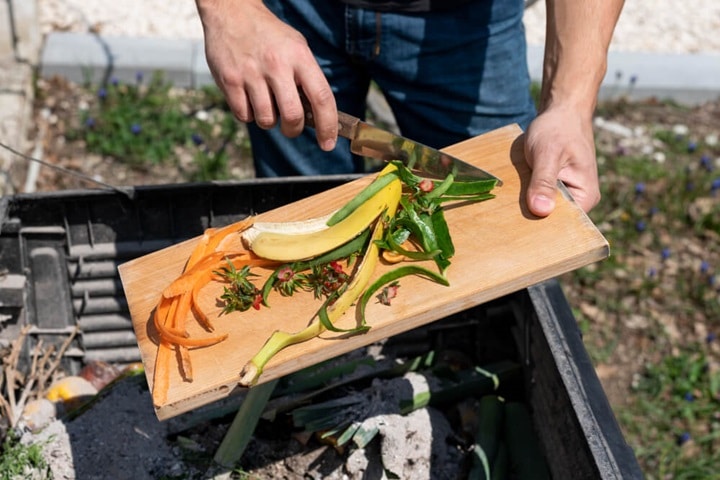
Gardening demands regular attention: watering, weeding, feeding and harvesting. Underestimating the time commitment can lead to neglected beds, pest surge and crop failure. Consider these strategies:
- Start Small: If you’re pressed for time, begin with one or two beds or a few containers. Master them before expanding.
- Low-Maintenance Crops: Leafy salads, radishes and broad beans often require fewer interventions than tomatoes, which need staking and pruning.
- Timed Tasks: Allocate a weekly gardening session—say, Saturday mornings—for essential chores. Consistency beats marathon sessions followed by months of neglect.
Realistic time management ensures ongoing care and higher yields, since you will be able to give your crops the TLC they require.
Sowing Seeds Too Late
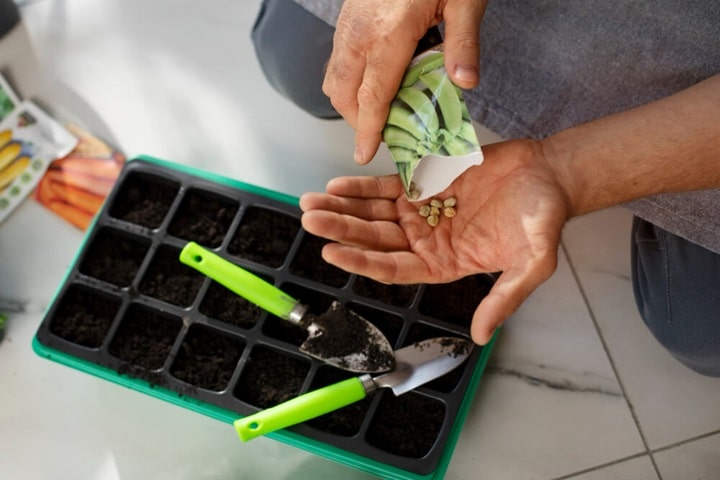
Timing is everything in vegetable gardening. Sow peas and broad beans in late winter or early spring, and wait to plant tender crops until soil warms above 10°C. Sowing seeds late often leads to them struggling to reach maturity before the first frosts. To avoid this:
- Consult Sowing Guides: Seed packets and sowing calendars offer precise dates. Note your local averages—UK gardens can vary by microclimate.
- Use Protective Cloche or Polytunnel: For brassicas and carrots, early cover can enable earlier sowing without chilling young roots.
- Relay Sowing: Sow quick-maturing crops like lettuce and radish in succession from spring to mid-summer to extend your harvest window.
By observing recommended sowing dates, you’ll give your plants the best chance to thrive.
Planting Plants In The Wrong Place
Sunlight, soil type and proximity to other plants all influence a vegetable’s performance. Tomatoes sited in shade produce weak, spindly growth; root crops in heavy clay may fork and split. Prevent such disappointment by:
- Sun Mapping: Observe sun angles across your plot. Most edible plants require at least six hours of direct light daily.
- Soil Matching: Potatoes relish deep, friable loam; onions favour well-drained, lighter soils.
- Avoid Crowding: Overcrowded plants compete for light and nutrients, encouraging fungal diseases. Follow spacing recommendations on seed packets and plant labels.
Not Understanding Soil
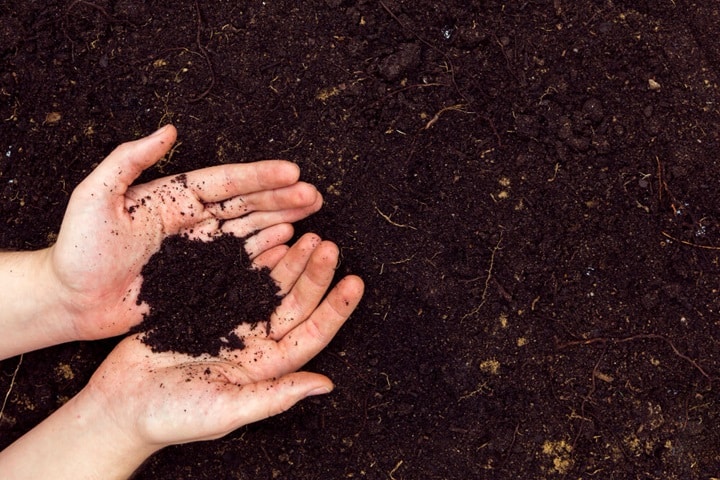
Many vegetable growers new and established make the mistake of underestimating the importance of the soil, and fail to understand its intricacies.
Your vegetables demand a loose, well-drained, humus-rich bed. To improve your soil:
- Soil Testing: Many garden centres offer pH kits. Aim for neutral to slightly alkaline for most veg.
- Organic Matter: Rotate in at least 5 cm of compost each year. It improves drainage in clay and moisture retention in sandy soils.
- Avoid Over-Tilling: Excessive digging can damage soil structure and microbial life. Practice no-dig or minimal-dig approaches to preserve soil health.
Overwatering Or Under-Watering
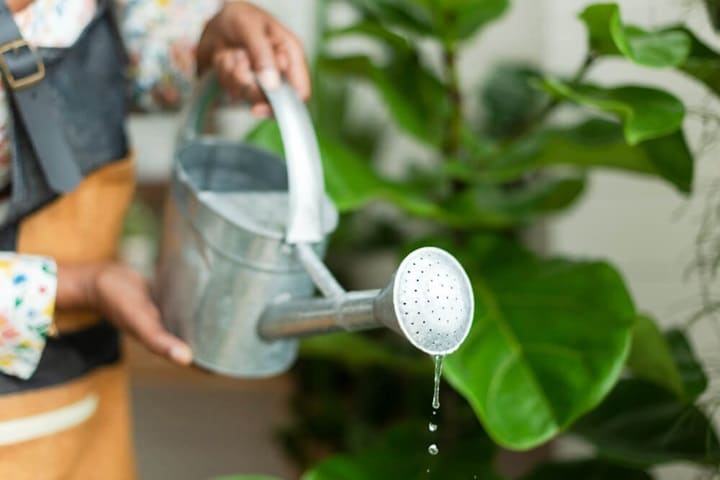
Both extremes stress plants: soggy roots can rot, while drought stress halts growth and reduces yields. Strive for consistent moisture:
- Mulching: A 5–7 cm layer of straw, grass clippings or horticultural bark curbs evaporation, suppresses weeds and moderates soil temperature.
- Soil Moisture Checks: Insert your finger or a trowel 5–8 cm into the soil. If it’s dry at depth, water thoroughly but infrequently rather than daily shallow watering.
- Drip Irrigation: For larger plots, a simple drip or soaker hose system ensures slow, deep watering with minimal waste.
Balanced irrigation keeps roots healthy and crops vigorous.
Mis-Timings and Planting Out Mistakes
Transplant shock and cold snaps catch many gardeners out. Harden off seedlings gradually and only plant out when overnight temperatures stay above 5°C. Avoid:
- Planting on Windy Days: Gusts increase transpiration and stress young plants.
- Ignoring Hardiness: Check each crop’s tolerance to chill. Swiss chard, for instance, withstands light frost, while courgettes do not.
- Rushed Transplants: Introduce plants to outdoor conditions over a week, starting with a few hours of sun and shelter and extending exposure daily. Hardening off properly helps you to avoid a number of common problems in your vegetable garden.
Careful timing safeguards young transplants and boosts establishment success.
Buying Too Many Plants And Not Planting Them Soon Enough
Nurseries tempt us with lush bedding plants and seedlings. Leaving them pot-bound or wilting in trays robs them of vigour. To avoid wasted investment:
- Stagger Purchases: Buy only what you need for each planting stage.
- Temporary Bedding: If planting is delayed, rest pots on trays with water and move them to a bright, frost-free area.
- Pre-Plant Checks: Inspect root systems; gently tease out circling roots before potting on or planting out.
Mono-cropping
Growing large patches of the same vegetable—mono-cropping—may seem efficient but can lead to rapid pest infestations and nutrient depletion. When one pest finds your patch of lettuces, for example, it’s like a buffet with no end in sight.
Avoid this by:
- Diversifying Your Plantings: Mix different crops and varieties within beds. Interplant carrots with onions, or lettuce with radishes and herbs.
- Using Companion Planting: Grow flowers like marigolds, calendula, or nasturtiums nearby to deter pests naturally while also benefiting pollinators.
- Rotating Crops Annually: Changing what you grow in each bed disrupts pest and disease life cycles, improving long-term soil health.
Diverse planting is not just good for pest resistance—it encourages a healthier, more resilient garden ecosystem.
Neglecting Crop Spacing
Crowded plants struggle to access light and nutrients. Follow spacing guidelines closely, and thin seedlings as needed to promote healthy growth and airflow. To avoid spacing issues:
- Follow Seed Packet Guidelines: Seed packets provide essential information about plant spacing—both between plants and between rows. These recommendations are based on the mature size of each plant. Ignoring them often results in overcrowded beds, leading to competition for light, nutrients and water.
- Thin Seedlings Promptly: It’s tempting to let every seedling grow, especially after a successful germination. But thinning is crucial. Remove weaker seedlings at the cotyledon or early true-leaf stage, ensuring the strongest have adequate space to thrive.
- Use a Garden Planner or Grid System: Sketch out your plot on paper or use an online planner. Create a grid based on spacing needs and mark each square with the crop planned for it. Square-foot gardening is a useful visual technique for maximising space while maintaining proper gaps.
- Consider Mature Plant Size: Remember that a tiny seedling can become a sprawling courgette or bushy kale. Visualise the full-grown plant before placing it. This is especially important for perennials or long-season vegetables that stay in place for months.
- Don’t Forget Vertical Space: For climbing beans, peas, and cucumbers, spacing guidelines include vertical growth. Use obelisks, teepees, or netting to lift these crops off the ground, freeing up horizontal room and improving access to light.
Going On Holiday At The Wrong Time

A two-week absence in mid-summer can mean disaster for containers and newly planted beds. To keep your plot flourishing while you’re away:
- Simple Drip Systems: Fill a buried bucket or watering bag that releases water slowly.
- Sistering: Arrange containers close together so they shade each other, reducing evaporation.
- Ask a Gardening Buddy: A friend or neighbour can pop in weekly to top up watering and harvest.
A little advance planning preserves your plants—and your peace of mind.
Not Keeping On Top Of Weeds And Vigorous Plants
A weed-infested bed competes fiercely with your vegetables for water, light and nutrients. Vigorous plants, like courgettes or sweet peas, can overrun neighbours if unchecked. Maintain tidy beds by:
- Regular Hoeing: Shallow hoeing after rain uproots young weeds before they set seed.
- Slug Patrols: Check under leaves and in moist corners; use beer traps or organic pellets to protect tender shoots.
- Training Climbers: Sweet peas and runner beans benefit from support frames; tie in shoots as they grow to prevent tangling.
Consistent attention keeps weeds away and helps keep everything in balance.
Not Protecting Plants Against Birds, Insects & Other Pests
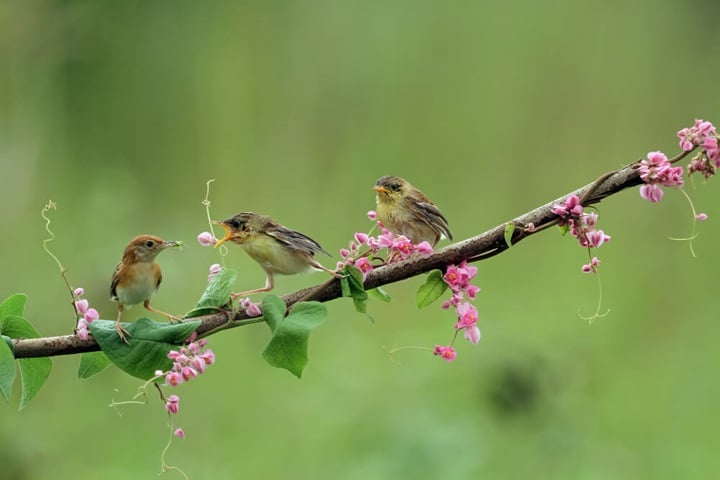
Birds peck tender shoots, while slugs, aphids and caterpillars strip foliage. An integrated pest management approach minimises damage:
- Physical Barriers: Use netting to guard brassicas against pigeons, and fine mesh to exclude carrot flies.
- Biological Controls: Encourage ladybirds and lacewings to feast on aphids by planting insectary plants such as fennel and wild carrot.
- Organic Sprays: Homemade nettle or horsetail teas can strengthen plants against fungal diseases; neem oil offers broad-spectrum control.
Combining preventive and selective measures keeps pest pressure in check without resorting to harsh chemicals.
Pruning Mistakes – Not Pruning Enough Or Pruning At The Wrong Time
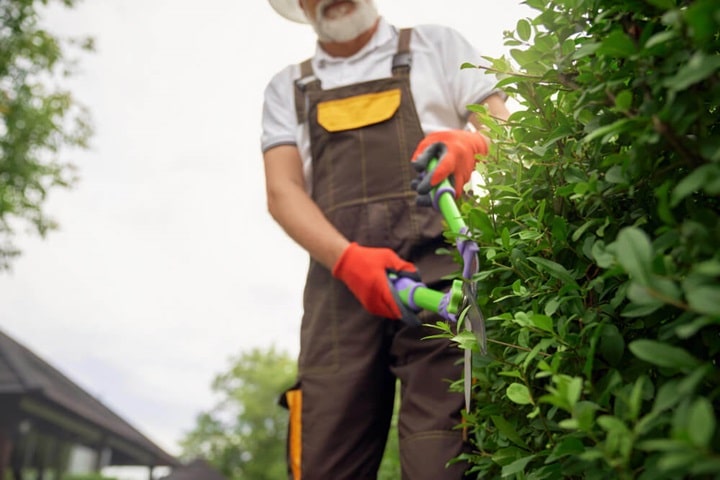
Correct pruning promotes airflow, reduces disease and channels energy into fruiting. Common errors include over-pruning or cutting back at the wrong season:
- Tomatoes: Pinch out side shoots on cordon varieties before they reach 5 cm to focus growth on main stems and fruit trusses.
- Soft Fruit: Cane fruits like raspberries should have old fruiting canes removed after harvest, leaving young primocanes for next year.
- Perennials: Cut back herbaceous stalks in late autumn or early spring; delay too long and emerging shoots may be damaged.
Timing and moderation ensure any pruning you undertake enhances rather than hinders productivity in your vegetable garden.
FAQs
How often should I rotate my crops?
Rotate plant families on a three- to four-year cycle to prevent soil-borne diseases and nutrient depletion. Brassicas, legumes, root crops and nightshades each need their own rotation block.
What is the best mulch for vegetables?
Organic mulches—straw, grass clippings or leaf mould—provide nutrients as they break down. Apply 5–7cm around established plants, keeping mulch a few centimetres clear of stems to prevent rot.
How can I improve my soil naturally?
Grow green manures such as mustard and phacelia between main crops. These cover crops suppress weeds, prevent erosion and, once dug in, add organic matter and nutrients.
Sources
Robertson, K., (2025) 4 Common Topsoil Mistakes That Can Stall Plant Growth. Better Homes & Gardens. [online] Available at: https://www.bhg.com/gardening/yard/soil/topsoil/ [accessed 20/05/2025]