

Sowing seeds is one of the fundamentals for any gardener. But for gardeners old and new, this is an area where there is a lot that can go wrong. It is a good idea for any grower to make sure that they understand the fundamentals of seed sowing.
It is also important to take steps to ensure that they refine their approach and practices to make sure they are avoiding common pitfalls and increasing the chances of success.
Sowing seeds is a quietly revolutionary act. It is the first, humble step in growing our own food, in regenerating ecosystems, and in rewilding our relationship with the land. Whether you are beginning your first vegetable patch, reintroducing native species into a meadow, or simply looking to cultivate more beauty in your everyday life, sowing seeds connects us with the slow, patient rhythms of the natural world.
In permaculture, where the emphasis is on thoughtful design and harmonious interaction with nature, the process of sowing becomes not only a practical task but a ritual grounded in care, observation, and respect. To sow a seed is to believe in tomorrow. And to sow well is to deepen our connection with the Earth.
How To Sow
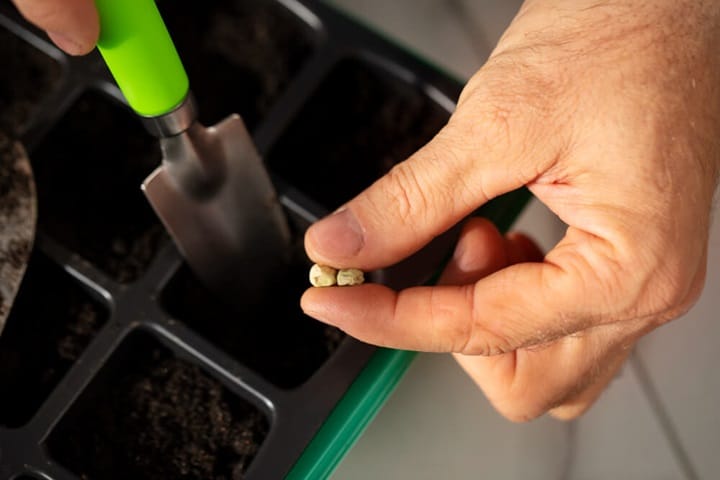
Understanding how to sow well means understanding your local environment and the requirements of each plant. Different seeds have different needs, and these are best met by paying attention to the timing, the depth of sowing, and the conditions in which seeds will germinate.
Sowing indoors can be an excellent way to begin the season early, especially in colder climates. It gives you a measure of control over temperature, moisture, and light – all crucial factors in successful germination. Outdoors, sowing is often dictated by the seasons, with a deep respect for the soil and its cycles.
Indoor Sowing
Indoor sowing often begins as the year turns and light begins to return. In the UK, many gardeners begin sowing in February or March, using windowsills, heated propagators, or greenhouse spaces to nurture early crops. This is particularly useful for tender plants like tomatoes, aubergines, or chillies, which require warmth and a long growing season. A greenhouse potting table may be very useful.
It is important to use a fine, peat-free seed compost, which holds moisture but allows good drainage. Seeds should be sown at the correct depth, usually no more than twice their diameter. A gentle watering after sowing helps to settle them in, and consistent moisture is key to healthy germination. Light also plays an essential role – some seeds require light to germinate and should be sown on the surface of the soil.
Seed Tray vs Module Trays
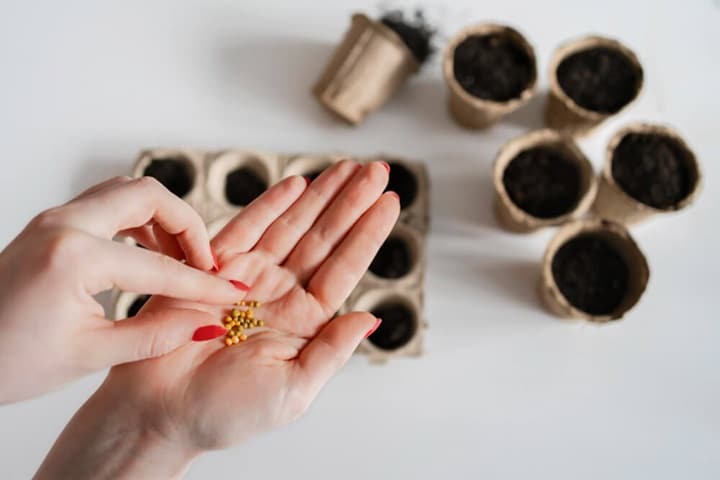
Seed trays allow for mass sowing, which is useful when growing many plants of the same kind. Once the seedlings develop true leaves, they are pricked out and transplanted into individual pots.
Module trays, by contrast, give each seed its own space from the start. This reduces root disturbance and makes the transition to larger pots or outdoor beds gentler on the plant.
There are also other options, such as soil blocks, or biodegradable pots, which might work better than either of the above for certain applications.
Protected Outdoor Sowing And Growing
As the season advances, protected outdoor sowing becomes possible. Structures like polytunnels and cold frames can offer seedlings the shelter they need to thrive while still being exposed to more natural conditions than indoor sowing allows.
Polytunnels
A polytunnel extends the growing season at both ends and creates a microclimate where warmth-loving plants can flourish. It offers protection from heavy rains, late frosts, and cold winds. In a well-designed permaculture system, a polytunnel becomes not just a place for growing but a hub of biodiversity, with interplanted crops, integrated pest control, and layered polycultures.
Cold Frames
Cold frames, though smaller, serve a similar purpose. They can be made from reclaimed materials – old windows and bricks, for instance – and are ideal for hardening off indoor-sown plants or for sowing hardy crops like salads and spinach earlier in the year. They capture solar energy and hold it, creating a warm pocket in the garden. Learn how to make your own DIY cold frame.
Seedbed Sowing
Seedbed sowing involves creating a temporary growing area where seeds are sown close together, often outdoors, and later transplanted to their final positions. This method is particularly useful for crops that take up space but don’t need it immediately, like brassicas. It allows the main growing area to be used more efficiently and gives young plants a strong start.
Direct Sowing
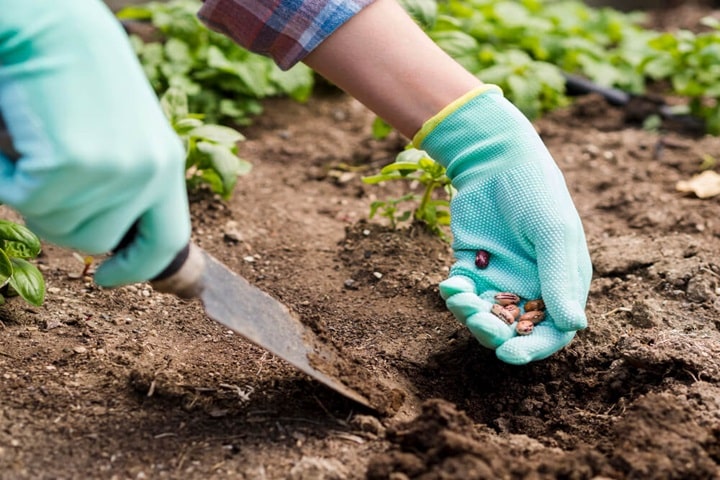
Direct sowing seeds is perhaps the simplest and most natural method of all. It involves placing seeds directly into the soil where the plant will mature. This method works best with root crops like carrots and parsnips, which dislike transplanting, and with hardy annuals that can withstand fluctuating outdoor conditions.
The success of direct sowing depends on good soil preparation and timing. The soil should be warm enough for germination and free from weeds. In a no-dig garden, where soil health is maintained through layering organic matter, direct sowing can be particularly effective, as the soil structure and microbiome remain undisturbed.
Top Green Tips
Always choose peat-free composts to protect fragile peatland ecosystems and reduce your carbon footprint.
- Reuse seed trays, pots, and containers to minimise plastic waste and support a circular economy.
- Collect rainwater for irrigation to conserve treated mains water and create a more self-sufficient system.
- Sow seeds saved from your own plants or swap with other growers to build local resilience and reduce dependency on commercial seed sources.
- Use natural materials like cardboard or newspaper as biodegradable seedling pots that can be planted straight into the ground.
- Start a compost heap or wormery to recycle kitchen and garden waste into rich, living soil.
- Choose native or heritage varieties that thrive in your climate and support local biodiversity.
- Observe your growing conditions closely and adapt sowing times and techniques to your specific microclimate.
- Avoid synthetic fertilisers and pesticides to protect soil health and beneficial insect populations.
Different Types Of Seeds
Understanding the different types of seeds can, of course, inform your sowing choices.
- Hybrid or F1 seeds are bred for specific traits such as uniformity or disease resistance but do not breed true. This means you cannot reliably save seeds from these plants.
- Open-pollinated or heirloom seeds, by contrast, are genetically stable. They can be saved and sown year after year, forming the basis of a more resilient and locally adapted garden.
- Organic seeds are grown without synthetic inputs and often come from growers who follow ecological principles.
Different types of seeds are also distinguished by their needs when it comes to depth of sowing and whether or not they need light to germinate.
Some seeds, like lettuce or snapdragons, need light to trigger germination and should be sown on the surface of the soil without covering. Others, such as beans and peas, need to be sown deeper, as they germinate best in darkness and require soil coverage to retain moisture.
Understanding these variations is crucial because planting seeds at the wrong depth or exposing them to the wrong conditions can prevent them from sprouting altogether.
Tiny seeds, including many herbs and alpine species, are often best surface-sown and lightly pressed into the compost. This helps them maintain contact with the moist substrate while still receiving the light they need.
On the other hand, larger seeds have more energy stored within them and can be sown deeper, where they are better protected from drying out or being disturbed by wind or wildlife. Matching the sowing depth to the size and preference of the seed leads to stronger, more resilient seedlings.
In permaculture gardening, taking time to understand and work with the natural characteristics of each seed type aligns with the broader principle of observing and interacting. By tuning into the specific needs of your seeds, you increase your success and strengthen your bond with the growing cycle.
How To Prick Out Seedlings
Pricking out is the careful process of transferring seedlings from a seed tray to individual pots. This is done once the seedlings have developed their first true leaves. It is best done when the compost is moist and with a small tool, such as a dibber or pencil, to lift the seedling gently by its leaves – never by the stem.
The goal on how to prick out seedlings is to handle the plant as little as possible, reducing stress and allowing it to continue growing with minimal interruption. Once potted on, the seedlings should be kept out of direct sun for a few days while they acclimatise.
What Is Damping Off Disease And How Can You Prevent It?
Damping off is a fungal disease that affects seedlings, often causing them to collapse and die. It thrives in damp, poorly ventilated conditions and is more common when compost or containers are not sterile.
To prevent damping off, use clean, fresh compost and avoid overwatering. Ensure good airflow around seedlings and remove any affected plants immediately. Sowing seeds thinly and keeping the growing area hygienic will also help to reduce the risk.
How to Harden Off Seedlings
Hardening off is the process of acclimatising indoor-grown seedlings to outdoor conditions. It typically takes around a week to ten days. Begin by placing the seedlings outside during the day and bringing them in at night. Gradually extend their time outdoors until they are fully adjusted.
This gradual exposure helps plants to adapt to temperature fluctuations, wind, and natural light levels, reducing the risk of transplant shock. In a permaculture setting, this process is another opportunity to observe and respond to the needs of the plant.
By sowing with intention and care, we step into a role that is both ancient and regenerative. We become stewards of life, quietly planting the seeds of a more abundant, resilient, and harmonious world.
FAQs
u003cstrongu003eWhat is thinning, and why is it important?u003c/strongu003e
Thinning involves removing some seedlings to allow others more space to grow. It is essential in direct sowing, where many seeds may be sown close together. Without thinning, overcrowded seedlings compete for light, water, and nutrients, resulting in weaker plants and lower yields. Thinning also provides an opportunity to harvest baby greens or young shoots.
u003cstrongu003eCan I save seeds from garden plants to sow next year?u003c/strongu003e
Yes, saving seeds is one of the most empowering and ecologically sound practices a gardener can undertake. It closes the loop in the growing cycle and supports biodiversity. The best seeds to save come from open-pollinated plants, which produce offspring true to type. Allow fruits or seed heads to mature fully on the plant before harvesting, and store seeds in a cool, dry place.
Sources
Planet Natural. (2024) Damping Off: Symptoms, Treatment, And Prevention. [online] Available at: https://www.planetnatural.com/pest-problem-solver/plant-disease/damping-off/ [accessed 24/04/2025]