


Sustainable landscaping plays a critical role in tackling some of the most pressing environmental challenges of our time. Gardens that work with nature rather than against it help restore biodiversity, protect soil health, reduce water use, and mitigate the effects of climate change.
What is Sustainable Landscaping?
Sustainable landscaping is an approach to designing and maintaining outdoor spaces in a way that works in harmony with the natural environment. It focuses on reducing waste, conserving resources, and promoting biodiversity while still creating beautiful and functional gardens. Rather than working against nature, sustainable landscaping seeks to understand and cooperate with local ecosystems, climate, and soil conditions.
This approach goes beyond aesthetics. It is about creating a resilient garden that supports wildlife, uses water efficiently, minimises chemical use, and contributes positively to the wider environment. Whether you have a small urban garden or a large rural plot, adopting sustainable landscaping principles can make a meaningful difference.
How does Landscaping Impact the Environment?
Traditional landscaping methods often rely heavily on chemical fertilisers, pesticides, and excessive watering. These practices can degrade soil health, pollute waterways, and contribute to biodiversity loss. The removal of native plants and the introduction of monocultures or ornamental species can also reduce the habitat available to local wildlife.
In addition, hard landscaping features such as concrete patios and synthetic lawns can disrupt natural water flow and increase surface runoff, leading to erosion and flooding. Energy-intensive landscaping practices, such as frequent mowing and the use of petrol-powered tools, further contribute to carbon emissions.
By rethinking our approach and embracing more environmentally conscious methods, we can reduce the negative impacts of landscaping and transform our gardens into spaces that regenerate rather than deplete.
Tips for Landscaping Sustainably:
1. Adopt a Permaculture Approach and Practices
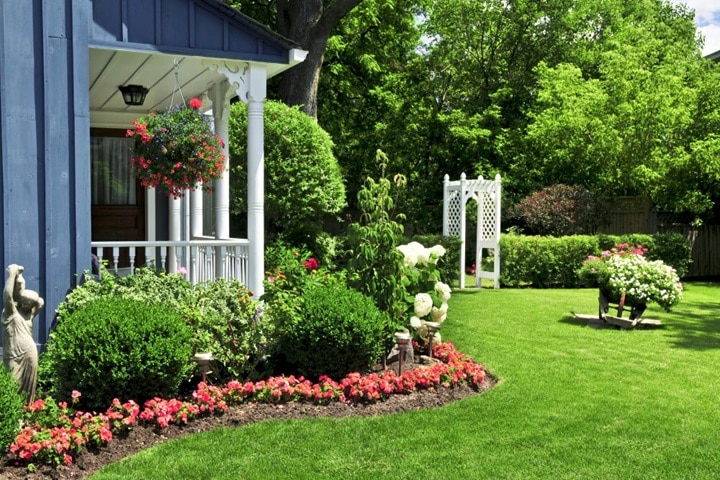
Permaculture is a holistic design system that mimics patterns found in nature. It encourages gardeners to think in terms of systems, focusing on how elements in a garden interact and support one another. For example, planting a fruit tree alongside nitrogen-fixing plants and pollinator-friendly flowers creates a supportive mini-ecosystem.
Permaculture principles emphasise observing your land, using renewable resources, reducing waste, and designing for resilience. Techniques include companion planting, using natural contours for water conservation, and creating wildlife habitats.
2. Avoid Chemicals
Always garden and landscape organically, working in harmony with the rest of the natural world. Using harmful products and approaches is never the answer.
Compost, well-rotted manure, worm castings, and green manures all enrich the soil naturally. To control pests, attract natural predators such as ladybirds, frogs, and birds, and encourage a balanced ecosystem that keeps populations in check.
3. Interpret Sustainable Landscaping Needs
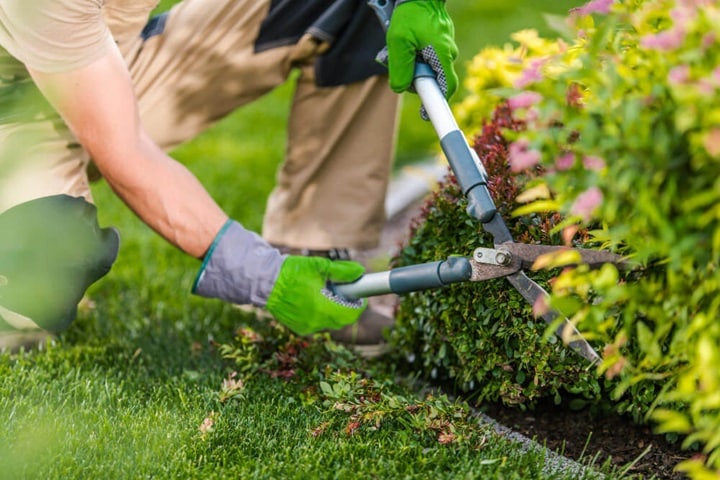
Every garden is different, and sustainable landscaping should be tailored to the specific needs of your space. Take time to observe your garden’s light patterns, soil type, moisture levels, and existing plant life. Assess how people use the space, and what you want from it — food production, relaxation, wildlife support, or all three.
Avoid over-designing and consider allowing your landscape to evolve naturally, at least in part. Be patient, and think long-term. Sustainable gardens take time to establish but become easier to maintain and more resilient over time.
4. Opt for Less Hard Landscaping
Minimising the use of hard landscaping materials such as concrete, asphalt, and plastic turf reduces environmental impact. These materials often have high carbon footprints and interfere with natural water drainage.
Where hard surfaces are necessary, choose permeable options like gravel, porous pavers, or reclaimed stone. Use reclaimed or recycled materials where possible to reduce demand for new resources. Wooden decking, if sourced sustainably, can be another lower-impact alternative.
5. Don’t Use Landscaping Fabric
Landscaping fabric is often marketed as a quick and effective solution for weed control, but it can cause more problems than it solves, especially in a garden designed with long-term health and sustainability in mind.
One of the main issues is that it disrupts the natural processes of the soil. By forming a physical barrier, the fabric limits the flow of air, water, and nutrients between the soil and the surface.
This has a negative impact on the living organisms in the soil, such as earthworms, beneficial bacteria, and fungi, all of which play vital roles in supporting healthy plant growth.
While landscaping fabric may suppress weeds initially, it rarely provides a long-term solution. Over time, leaves, dust, and debris build up on top of the fabric, creating a new layer of soil in which weeds can grow.
These weeds often send roots through the fabric, making them harder to remove than if they were growing in open soil. The result is often a garden that looks neglected and becomes difficult to manage.
The use of fabric can also restrict the natural growth of plants, especially perennials or spreading species that need room for their roots to expand. In a botanical garden that aims to encourage diversity and plant health, this restriction can limit the vibrancy and vitality of your collection.
Most landscaping fabrics are also made from synthetic materials that do not biodegrade. As they break down, they can contribute to microplastic pollution in the soil, undermining the very sustainability many gardeners are striving for.
Another drawback is that landscaping fabric can interfere with proper drainage. In gardens with heavier or clay-based soil, water can become trapped above the fabric layer, leading to soggy conditions that harm plant roots.
In some cases, this can cause root rot and lead to plant failure.
A more natural and effective alternative is the use of organic mulches such as bark chips, compost, straw, or leaf mould. These materials suppress weeds, retain moisture, and improve soil structure as they break down.
They also support the health of the soil ecosystem, enrich your planting areas, and contribute positively to your garden’s overall sustainability.
6. Reuse And Recycle: Get Creative
Sustainable landscaping encourages the use of reclaimed, repurposed, and recycled materials wherever possible. This not only reduces waste but adds character and uniqueness to your garden. Old bricks, railway sleepers, salvaged timber, or even repurposed household items can be turned into paths, edging, furniture, or planters.
Composting garden waste and kitchen scraps turns what would otherwise be rubbish into nutrient-rich soil amendment. Upcycling and DIY projects add a personal touch to your garden, making it not only more sustainable but more meaningful too.
7. Add Rainwater Harvesting Systems
Collecting rainwater reduces reliance on treated mains water and is an effective way to conserve this precious resource. Installing water butts to collect runoff from roofs and greenhouses allows you to irrigate your garden during dry periods without turning on the tap.
Rainwater is better for plants than chlorinated tap water, and collecting it helps reduce flooding and erosion caused by heavy downpours. Integrating rain chains, swales, or rain gardens can also help manage water more sustainably.
8. Design for Wise Water Use
Plan your garden to use water as efficiently as possible. Group plants with similar water needs together and choose drought-tolerant species for drier areas. Use mulch to retain moisture and reduce evaporation from the soil.
Avoid over-watering by learning the signs your plants give when they truly need water. Early morning or evening watering is best, as less water is lost to evaporation. Capturing greywater from sinks or baths (using appropriate systems) can provide an additional water source for your sustainably landscaped space.
9. Install A Drip Irrigation System Where Irrigation is Required
If your garden does need regular irrigation, (when it is undercover in a polytunnel for example), consider installing a drip irrigation system. These systems deliver water directly to plant roots, significantly reducing waste from evaporation or runoff. They’re particularly useful in vegetable beds, greenhouses, or containers.
Drip systems can be automated with timers to ensure efficient use and are easily integrated into rainwater harvesting systems. They save time and water while promoting healthier plant growth.
10. Use Solar Lighting (In Moderation)
Solar-powered garden lights are a low-impact way to illuminate paths and features without increasing your energy bills. They store energy during the day and emit a gentle glow at night.
However, it’s best to use them sparingly. Too much artificial light can disrupt nocturnal wildlife and impact plant cycles. Focus on safety and subtle accent lighting, and choose solar lights with motion sensors or timers to reduce unnecessary light pollution.
11. Preserve Your Soil Quality
Healthy soil is the foundation of a sustainable garden. Avoid practices that compact or strip nutrients from your soil, such as excessive digging or leaving soil exposed to the elements.
Instead, feed the soil with organic matter through mulching, composting, and planting cover crops. Avoid synthetic fertilisers and focus on nurturing a living soil full of microbes, fungi, and invertebrates. The richer your soil life, the healthier and more self-sustaining your garden will become.
12. Plant Native Species
Native plants are adapted to local climate and soil conditions, making them easier to care for and better suited to supporting wildlife. They provide food and shelter for pollinators, birds, and beneficial insects.
By incorporating more native plants, you reduce the need for chemical inputs and irrigation, while helping preserve your region’s unique botanical identity. This also strengthens ecological resilience and fosters a deeper connection between your garden and its natural surroundings.
13. Choose Hedges For Boundaries
Rather than installing fences or walls, consider planting living boundaries such as hedges. Native hedgerows provide vital habitats for birds, insects, and small mammals. They also act as windbreaks, reduce noise, and improve privacy.
Mixed-species hedges, including hawthorn, hazel, blackthorn, and dog rose, offer year-round interest and food sources for wildlife. Once established, they are relatively low-maintenance and far more ecologically beneficial than artificial barriers.
14. Reduce Mono-crop Lawn and Mow Less Often
Lawns are resource-intensive, requiring regular mowing, watering, and fertilising. Replacing some or all of your lawn with diverse plantings — such as wildflower meadows, groundcovers, or edible plants — greatly enhances biodiversity and reduces maintenance.
Where you do keep lawn areas, mowing less frequently encourages wildflowers to bloom and supports pollinators. Letting a corner of your lawn grow wild, or following “No Mow May,” can have a surprisingly big impact.
15. Grow Your Own Food And Cut Flowers
Moving beyond making sure that the landscaping is sustainable in our outside spaces, we can also find ways to use our gardens to live, more generally, in a more sustainable way.
Growing your own vegetables, herbs, fruit, and flowers reduces reliance on imported produce, cuts down on packaging waste, and reconnects you with the seasons. Even a small raised bed or a few containers can provide a bounty of fresh, organic food.
Edible gardens are often more sustainable than ornamental lawns, especially when using organic practices. Growing your own cut flowers is also a beautiful and environmentally friendly alternative to buying chemically-treated blooms from supermarkets or florists.
FAQs
Why is sustainable landscaping important?
In a world where natural habitats are rapidly disappearing, gardens that provide shelter and nourishment for pollinators, birds, and beneficial insects act as vital ecological havens.
Moreover, sustainable landscaping reduces dependence on synthetic fertilisers and pesticides, limiting pollution of local waterways and safeguarding the health of both people and wildlife.
Thoughtfully designed green spaces also improve air quality, reduce the urban heat island effect, and contribute to mental wellbeing. At its core, sustainable landscaping empowers individuals to take meaningful, positive action in their own gardens.
Can sustainable landscaping increase my property value?
Yes, sustainable landscaping can enhance your property’s value in several ways. A well-maintained, environmentally friendly garden is increasingly attractive to eco-conscious buyers, who value low-maintenance features, water-saving systems, and chemical-free spaces.
Native plants, rainwater harvesting, and edible gardens can signal a forward-thinking and responsible lifestyle, adding a sense of place and uniqueness to the property.
Furthermore, outdoor spaces designed for sustainability tend to age more gracefully than those reliant on artificial or high-maintenance materials. They often require fewer inputs and ongoing costs, which is appealing to prospective homeowners.
Well-planned green spaces also contribute to kerb appeal and can improve the overall aesthetic of your property, helping it stand out in a competitive market.
Sources
Akinnawo, S.O., (2023) Eutrophication: Causes, consequences, physical, chemical and biological techniques for mitigation strategies. Science Direct. [online] Available at: https://www.sciencedirect.com/science/article/pii/S2667010023000574 [accessed 22/04/2025]