Plant pot sizes determine their use and what can be grown within them. But size is just one of a number of things you need to look at when choosing plant pots for a container garden.
Container gardening offers a world of possibilities, whether you have a sunny balcony, a cosy courtyard, a packed polytunnel or a spacious patio. Yet, one of the most crucial—and often overlooked—aspects of a thriving container garden is choosing the correct pots for your needs.
In this guide, we will explore everything you need to know about plant pot sizes, shapes, materials and even colours, to help you cultivate a flourishing container garden.
Understanding Plant Pot Sizes
When starting a container garden, the first question you might ask is: “How big should my pot be?”
Pot size dictates not only the space available for root growth but also the amount of soil your container holds—affecting water retention, nutrient supply and plant stability. By understanding the principles of pot sizing, you can avoid common mistakes that lead to a range of issues.
What Pot Size Do I Need?
This might sound obvious, but it is surprising how easy it is for people to forget that the size of a pot (as well as its other characteristics) should be matched to the specific plant or plants that you want to grow.
Size Matters
Each plant species has an ideal root volume. A shallow-rooted bedding annual, such as pansies or begonias, can thrive in a pot just 10–15 centimetres deep. Conversely, deep-rooted vegetables like tomatoes or carrots may need containers at least 30–40 centimetres in depth. As a rule of thumb, choose a pot that provides at least one-third more space than the current root ball of your plant.
What Happens When Planters Are Too Big?
Large pots hold more soil, which may seem beneficial, but they also retain excessive moisture after watering. This can create waterlogged conditions, depriving roots of oxygen and encouraging fungal diseases such as damping-off or root rot. Moreover, a huge reservoir of moist soil can delay the plant’s natural moisture-seeking behaviour, leading to superficial root systems.
What Happens When Planters Are Too Small?
Pots that are too small restrict root expansion, often resulting in root-binding, where roots circle around the pot’s interior. This leads to poor nutrient and water uptake, wilting and a reduction in flowering or fruiting capacity. In severe cases, chronically root-bound plants may never recover their vigour.
What is the Optimal Planter Size?
The “goldilocks” pot is not too big, not too small but just right. For most herbaceous perennials and vegetables, a 20–25 centimetre diameter pot is often suitable. For larger shrubs or small trees, step up to a 30–40 centimetre container. Always consider the plant’s ultimate size and growth habit. If a plant is expected to grow substantially through the season, err slightly on the side of a larger pot, provided you can manage drainage and watering.
What Do I Do When a Plant Gets Too Big?
When your plant outgrows its container, the solution is to repot into a larger pot or divide the plant. Gently remove the root ball, tease out circling roots and transfer into a pot one size up, topping up with fresh compost. For vigorous perennials or clump-forming plants, dividing every two to three years enhances vigour and prevents overcrowding.
Does Plant Pot Shape Matter?
While size is paramount, pot shape also influences plant health. The shape determines how roots grow and how moisture is retained.
Round Containers
Round pots promote circling root patterns, which can lead to root-bound conditions if not monitored. They are, however, inexpensive and readily available in multiple sizes. To mitigate circling roots, every time you repot, slice the root ball vertically in two or three places to encourage new feeder root growth.
Square Containers
Square or rectangular pots make efficient use of space, especially on narrow balconies or in tight rows. They discourage circular root growth thanks to their corners, which roots tend to fill before circling. Their main drawback can be a lack of aesthetic versatility; they often look more utilitarian.
Rectangular Containers
Ideal for window boxes, railing planters and indoor herb gardens, rectangular containers allow you to group plants closely. Choose a depth that suits the deepest-rooted species you intend to plant. Pair shallow-rooted herbs with deeper-rooted companions by layering compost to different depths along the length of the trough.
Tall Pots or Small Pots?
Tall pots are well suited to deep-rooting plants like lavender or rosemary, while shallow pots best suit succulents and alpines. Ensure that tall pots are stable and unlikely to topple in wind. For small pots, remember they dry out quickly and will require more frequent watering.
Does My Planter Need Holes for Drainage?
The short answer is yes. Drainage holes are vital to allow excess water to escape. Without them, water pools at the pot’s base, suffocating roots and leading to rot. If you use a decorative pot without holes, consider planting in a plastic liner pot with holes, then slipping it inside the decorative shell. Remember to empty any water collected in saucers after watering.
Is the Material of a Container Important?
The material of your container not only affects aesthetics but also influences moisture regulation, thermal insulation, environmental impact and longevity. Below we explore common materials, their characteristics and eco-friendly considerations.
Terracotta (Unglazed Clay)
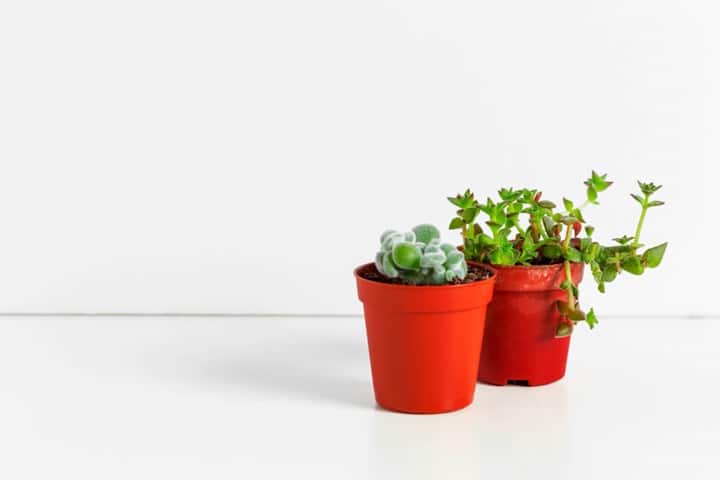
- Porosity & Moisture: Terracotta is naturally porous, allowing excess moisture to evaporate through the walls and helping prevent waterlogging. However, in dry conditions you may need to water more frequently.
- Temperature Regulation: Its breathable nature allows heat to escape, keeping roots cooler in summer. In winter, though, terracotta pots are prone to frost cracking if the soil inside freezes and expands.
- Environmental Impact: Made from natural clay, terracotta is highly recyclable and inert, with little chemical leaching. Seek locally produced pots to reduce transport emissions.
- Longevity & Care: Thick-walled terracotta lasts for many seasons; to prolong their life, bring pots undercover during severe frosts and avoid rapid temperature changes.
Glazed Ceramic
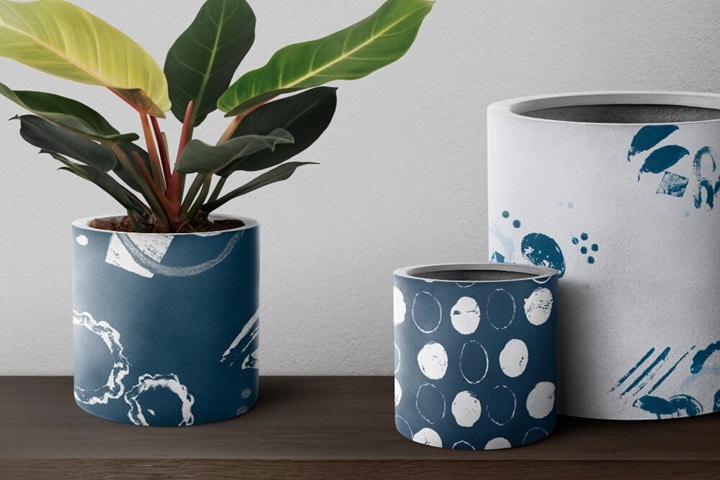
- Moisture Retention: Glazed ceramics are non-porous, keeping soil moisture and nutrients in the root zone for longer. This can be beneficial for moisture-loving plants but risky for species prone to root rot.
- Insulation: The glazed surface offers moderate insulation and resists staining, making colours more vibrant.
- Sustainability: Glazes may contain heavy metals or non-renewable components—opt for brands that guarantee lead- and cadmium-free finishes.
- Weight & Practicality: Heavier than most materials, glazed pots provide stability for top-heavy plants but can be cumbersome to move.
Plastic and Recycled Polymers
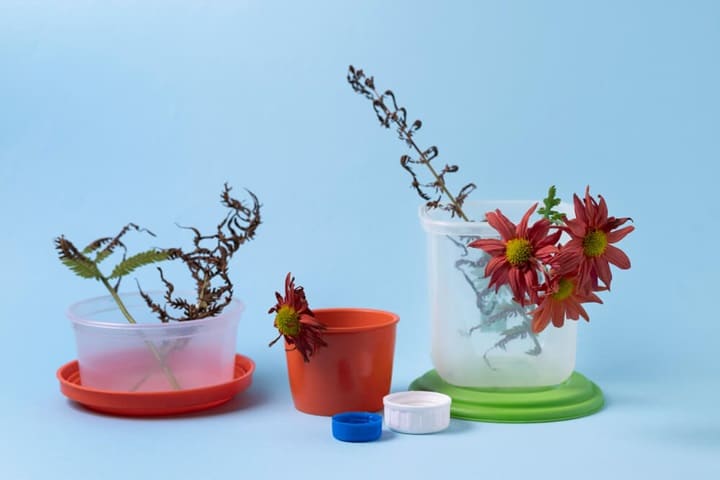
- Weight & Cost: Lightweight, durable and typically affordable, plastic pots are ideal for DIY projects and frequent reconfiguration of containers.
- Moisture & UV Stability: Retains moisture well; however, prolonged sunlight exposure can degrade UV-stabilised plastics, making them brittle over time.
- Recyclability: Check for recycling codes; high-density polyethylene (HDPE) and polypropylene (PP) are widely recycled. Avoid single-use plastics where possible and consider reducing plastic use in general for a more sustainable garden.
Wood (Timber Planters)
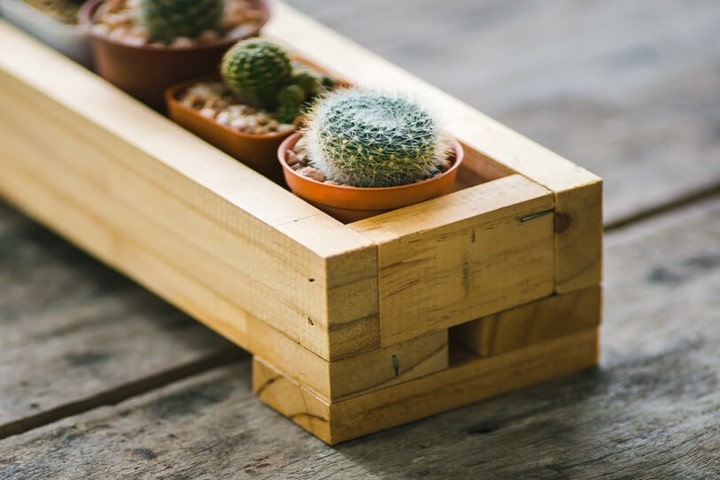
- Insulation & Aesthetics: Wood is a natural insulator, buffering roots against temperature swings. It offers a classic, rustic look that blends into garden settings.
- Durability: Untreated softwoods may rot within one to two seasons. Choose slow-grown cedar, larch or redwood—naturally rot-resistant—or ensure softwoods are lined with breathable membranes to extend lifespan.
- Sourcing: Always opt for FSC-certified timber to guarantee sustainable forestry practices.
Metal (Steel, Aluminium, Galvanised Iron)
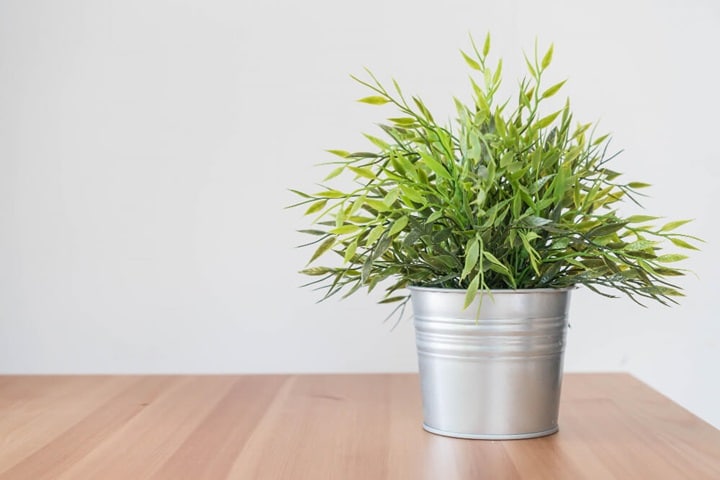
- Heat Conductivity: Metal heats up quickly in direct sun and cools rapidly in shade, which can stress root systems. A protective liner or insulated stand can mitigate temperature extremes.
- Aesthetics & Modern Appeal: Sleek and contemporary, metal pots suit minimalist or industrial garden designs.
- Corrosion Resistance: Galvanised or powder-coated finishes improve longevity outdoors. Watch for rusting in unprotected seams.
Concrete and Stone Composite
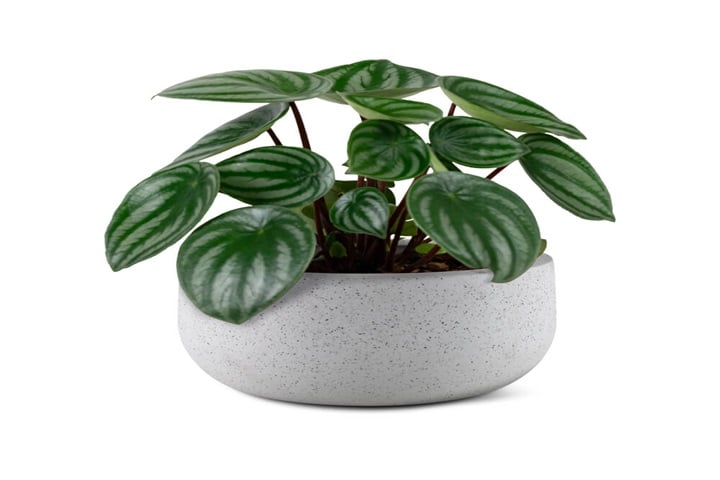
- Thermal Mass: Excellent at moderating soil temperature, keeping roots cool in summer and warm in winter.
- Weight & Stability: Very heavy—ideal for wind-prone areas—but not suited for balconies unless you’ve confirmed structural load limits.
- Eco-Considerations: Traditional concrete has a high carbon footprint; seek mixes incorporating recycled aggregates or fly ash to reduce embodied energy.
Fabric (Grow Bags and Planter Sacks)
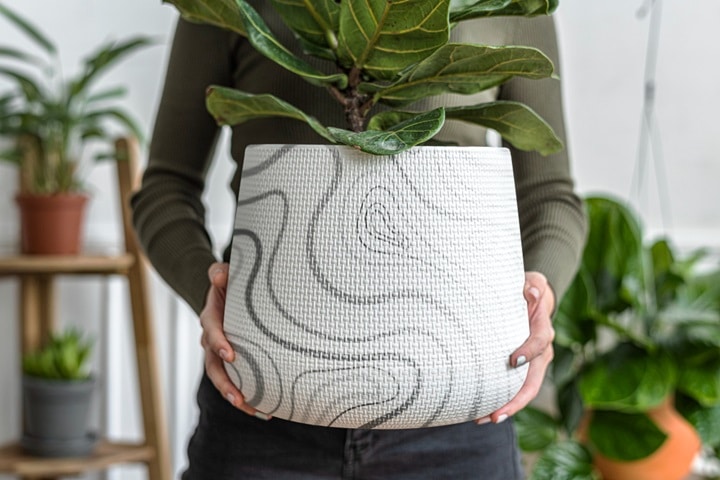
- Air Pruning & Drainage: Fabric pots allow air to prune roots naturally, reducing circling and encouraging a dense, fibrous root system. Excess water drains freely, cutting down on overwatering risks.
- Mobility & Storage: Lightweight and collapsible, making them easy to move and store off-season.
- Longevity: UV exposure and abrasion will degrade fabric over time; choose heavy-duty, UV-resistant textiles and consider replacing every three to four years.
Biodegradable and ‘Green’ Pots
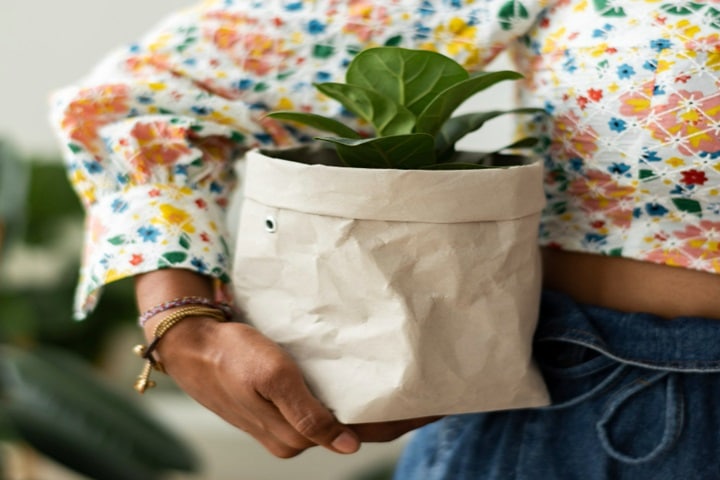
- Materials: Coir, peat-free compost blends, rice hulls and recycled paper are common. They decompose in the soil, enriching it as they break down.
- Planting Ease: Simply set the entire pot in a larger container or the ground; roots penetrate the material and establish directly in the surrounding soil.
- Environmental Note: Avoid peat-based pots to protect bog ecosystems; instead choose certified coir or paper pots with minimal adhesives.
How Planter Thickness Can Make or Break Your Plants
For garden planters, thicker-walled pots—such as stone-composite or deep-pressed terracotta—provide greater insulation against temperature extremes, protecting roots from baking sun or freezing cold.
Thin-walled plastic pots, while convenient, transmit heat and cold rapidly, potentially shocking root systems.
When choosing lightweight options, consider using insulating pot feet or placing pots on wooden boards to buffer against temperature swings.
Why Container Colour Can Matter
Pot colour influences heat absorption. Darker shades absorb more heat, raising soil temperatures, which can accelerate evaporation and stress roots. In summer, pale or white containers reflect sunlight, keeping soil cooler. In cooler climates or seasons, darker pots can boost soil warmth, benefiting plants that prefer higher root-zone temperatures. However, they may become too hot in summer.
Plant Pot Choices for Polytunnel Gardeners
Polytunnel gardeners often face unique challenges: high humidity, fluctuating temperatures and the need to shift plants seasonally. By choosing eco-friendly containers and sustainable practices, you can reduce waste, lower your carbon footprint and foster healthier plants:
- Biodegradable Pots and Grow Bags: Opt for coir or paper-based pots that break down naturally in your polytunnel soil. These materials improve soil structure as they decompose, reducing the need for plastic disposal. Just transplant them directly into larger containers or the ground without removing the pot.
- Recycled and Upcycled Containers: Give a second life to old wooden crates, food-grade buckets or wine barrels—just ensure they’re cleaned, have adequate drainage and are lined (if necessary) with jute or horticultural fleece. Upcycling not only saves resources but adds charming, rustic character to your growing space.
- FSC-Certified Timber Planters: If you prefer wood, choose planters made from Forest Stewardship Council (FSC) certified timber. These sustainably sourced woods resist rot—particularly cedar or larch—and provide natural insulation for roots.
- Natural Fibre Grow Tunnels: To cradle delicate seedlings or frost-sensitive crops, use row covers made from jute or hemp. These breathe better than synthetic fabrics and can be composted at the end of the season.
- Modular and Stackable Systems: Look for modular planting towers or stackable trays crafted from recycled plastics. These systems make efficient use of vertical space in polytunnels, cutting down on soil and compost usage per plant.
- Water-Saving Inserts and Self-Watering Wicks: Incorporate recycled terracotta shards or fabric wicks that draw excess moisture downwards, reducing waterlogging without single-use components. Pair with rainwater-harvesting barrels to further conserve water.
By embracing these eco-friendly container choices, polytunnel gardeners can maintain the microclimate benefits of the covered environment while minimising environmental impact and supporting sustainable gardening practices.
FAQs
How do I choose the right pot size for my plant?
Match pot depth to the plant’s rooting habit and allow at least one-third more volume than the root ball. Consider the plant’s future size when selecting diameter and depth.
Can a pot be too big for a plant?
Yes—oversized pots retain excess moisture, risking root rot and shallow root systems. Aim for a pot that is incrementally larger than the root ball, not enormous compared to the plant’s size.
Does pot depth matter as much as width?
Depth is crucial for deep-rooted species, while width benefits bushy plants and those with fibrous root systems. Match both dimensions to the plant’s natural growth habit.
Sources
Geall, M., (2025) 13 best garden planters to brighten up your garden, patio or balcony. Good Housekeeping. [online] Available at: https://www.goodhousekeeping.com/uk/product-reviews/house-garden/g60648066/best-garden-planters/ [accessed 20/05/2025]