

Natural fibre crops offer a sustainable and eco-friendly alternative to synthetic materials, which have a significant environmental impact. As the world moves toward more sustainable practices, the demand for natural fibres is increasing.
Many fibre crops require subtropical or tropical conditions in order to grow well. However, there are a number of natural fibre crops that can be grown in temperate climates, including here in the UK.
In the British Isles, a range of natural fibre crops can be and are being cultivated successfully, providing valuable resources for industries such as textiles, construction, and packaging. This article explores the best natural fibre crops to grow in the UK, how to process them, and their uses.
What are Fibre Crops?
Fibre crops are plants that are grown specifically for the fibrous materials that can be extracted and used in the production of a variety of goods. The fibres harvested from these crops can be woven into textiles, used in construction materials, or turned into biodegradable products such as packaging. Unlike synthetic fibres made from petroleum, natural fibres are biodegradable, renewable, and often require fewer chemical inputs to grow. This makes them an essential part of sustainable agriculture.
Fibre crops can be grown in diverse climates, and at a range of scales. You may even be able to consider growing plants for their fibres on a small scale in a typical domestic garden.
Fibre Crops and Fibres Obtained
Most fibre crops globally grow in climes much warmer than our own. Natural fibre crops include:
- Gossypium spp. – cotton,
- Ceiba pentandra – kapok,
- Hibiscus cannabinus – kenaf,
- Agave sisalana – sisal,
- Corchorus spp. – jute,
- Boehmeria nivea – ramie,
- Bambusoideae family – bamboo fibres,
- Mangifera indica (bark) – mango fibres
- and Cocos nucifera coconut (coir).
A polytunnel can potentially make it possible to grow fibre crops that would not usually be suited to our climate – like cotton – though typically only on the smallest of scales.
However, these options are out of reach for most UK growers. Fortunately, as you will learn below, there are options that can be grown in our climate and in the conditions our farms and gardens provide. Three of the most useful are:
- Linum usitatissimum – flax for linen
- Cannabis sativa – hemp
- Urtica dioica – nettle fibres
Why Grow Natural Fibre Crops?
There are many reasons to consider growing natural fibre crops, particularly in the context of sustainable farming or gardening.
Natural fibres are biodegradable and break down naturally, unlike synthetic fibres such as polyester or nylon, which can take centuries to decompose. This makes fibre crops an environmentally friendly alternative to plastics and other non-renewable materials.
Fibre crops generally require fewer pesticides and fertilisers compared to other crops. This makes them ideal for organic farming and reduces the environmental impact of crop production. They can also help sequester carbon from the atmosphere, contributing to the mitigation of climate change.
Growing fibre crops creates an additional income stream for farmers, especially in areas where land is suitable for growing fibre plants. Fibre crops also provide an opportunity for local industries to develop sustainable products.
Examples of Fibre Crops that Can Be Grown in the UK
Several natural fibre crops can be successfully cultivated in the UK’s temperate climate. Some of the best options include, as mentioned above, flax, hemp and nettles:
1. Flax
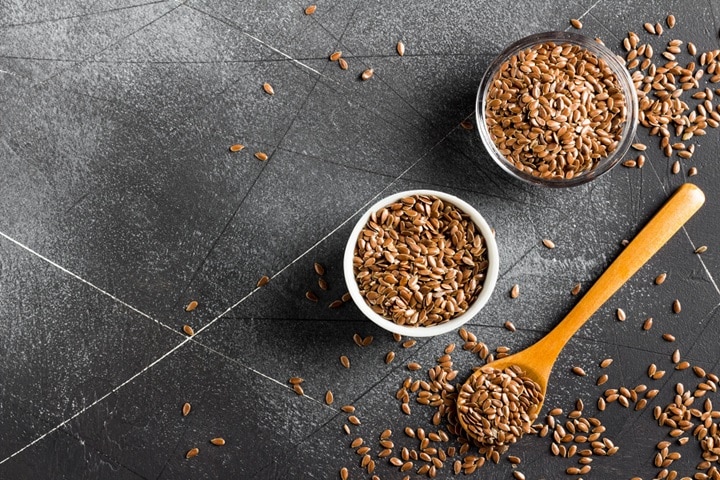
Flax (Linum usitatissimum) is one of the oldest and most well-known fibre crops, with a history of cultivation dating back thousands of years. The fibres are extracted from the stems of the plant and are primarily used in the production of linen fabric. Flax grows well in cooler climates, making it well-suited to the UK. It requires a long, warm growing season to thrive and produces fine, strong fibres that are highly prized for their use in textiles.
Flax cultivation in the UK has been in decline over the years, but there is a growing interest in reviving this crop for sustainable fabric production. Flax is also a low-maintenance crop, requiring little water and few inputs, making it an excellent choice for organic farming.
To grow flax in the UK, select a sunny location with well-drained, fertile soil. Sow flax seeds in early spring (March to April) when the soil warms up, spacing rows 15–30cm apart.
Sow seeds shallowly, about 1.5cm deep, and water gently. Keep the soil moist but avoid waterlogging. Thin seedlings to about 10cm apart once established. Flax matures in 90–120 days, forming delicate blue flowers before seed capsules appear.
2. Hemp
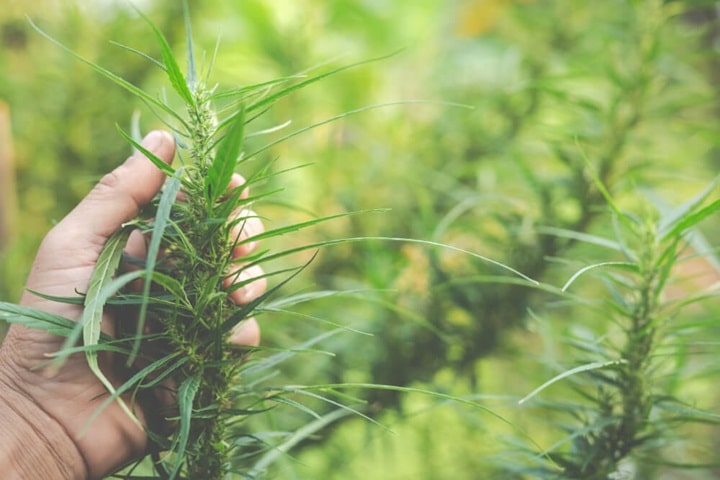
Hemp (Cannabis sativa) is another fibre crop that can be easily grown in the UK. Hemp is a hardy plant that grows well in a range of conditions and requires minimal care. The fibres obtained from the stalks of hemp are strong, durable, and versatile. Hemp has a wide range of uses, including textiles, paper, biodegradable plastics, and construction materials such as hempcrete.
Hemp is often regarded as one of the most sustainable crops, as it requires fewer pesticides, uses less water, and improves soil quality. It also grows quickly, making it an excellent rotation crop for farmers.
To grow hemp in the UK, obtain a cultivation licence from the Home Office first. In the UK, a hemp cultivation licence is mandatory for growing industrial hemp. Apply through the Home Office Drugs Licensing website, ensuring compliance with regulations. The licence costs around £580 and requires annual renewal. Only EU-approved seed varieties with low THC (below 0.2%) are permitted. Farmers must provide field locations, adhere to inspections, and cannot harvest flowers or leaves without additional permissions.
Choose a sunny site with well-drained, fertile soil. Sow seeds in late spring (April to May) when the soil temperature exceeds 10°C. Sow seeds directly into the soil, spacing them 10–15cm apart, and cover lightly. Hemp requires minimal fertiliser but benefits from organic compost. Ensure consistent watering, especially during dry periods. Hemp will be mature and ready to harvest in 3–4 months.
3. Nettles
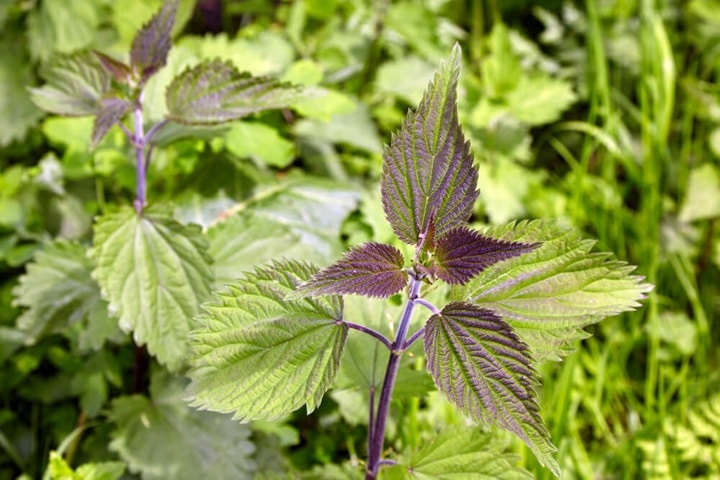
Nettle fibres (Urtica dioica) are less commonly known but are an excellent alternative to traditional fibres like flax or hemp. The fibres from the stems of the nettle plant are strong, durable, and biodegradable. Nettles grow well in the UK’s temperate climate, and their fibres can be used to make textiles, ropes, and paper.
Nettle fibres are also traditionally used for making eco-friendly fabrics, and there has been renewed interest in them in recent years. Nettles grow abundantly in wild and garden spaces, and as a result, they require minimal cultivation, making them an excellent choice for low-maintenance, sustainable fibre production.
Processing Fibre Crops
The process of turning fibre crops into usable materials involves several key steps, including harvesting, retting, and spinning. Processing varies for each type of crop but typically follows a general pattern.
Processing Flax
Processing flax into linen fabric begins with harvesting the plant when it is in full bloom. After harvesting, the stems are left to undergo a process called retting, in which they are exposed to moisture (either by soaking in water or by dew) to soften the woody material and release the fibre. Once retted, the flax is broken and scutched to separate the fibres from the stalk. The fibres are then spun into yarn, ready for weaving into fabric.
Processing Hemp
Hemp processing is similar to flax but with some differences. Hemp stalks are harvested when the plants are at their peak height. The retting process is used to loosen the fibres from the stem, after which the stalks are broken and the fibres are combed and cleaned. Hemp is then spun into yarn and can be woven into fabrics or used for other purposes like paper and biodegradable plastics.
Processing Nettles
Nettle processing is somewhat simpler and less industrial than flax or hemp. The fibres from nettle stems are stripped manually or mechanically after the plant is harvested. The stems are often retted to make the fibres easier to extract. Nettles have been used for thousands of years to make fabrics, and modern-day processing often involves spinning the fibres into yarn for textiles.
Properties of Fibre Crops
Each fibre crop has unique properties that determine its best uses. Here are some key characteristics:
- Strength: Hemp and flax are both extremely strong, which makes them ideal for textiles, paper, and industrial applications.
- Absorbency: Flax and hemp fibres are highly absorbent, making them perfect for fabrics like towels and clothing.
- Biodegradability: All natural fibres are biodegradable, which makes them much more environmentally friendly than synthetic alternatives.
- Versatility: Hemp and flax are used in a wide range of industries, from textiles and paper to construction materials.
- Durability: Hemp, in particular, is known for its long-lasting nature, making it ideal for ropes, twines, and even bioplastics.
Uses of Fibre Crops
The fibres from natural fibre crops have a broad array of uses, providing sustainable alternatives to many conventional materials. One of the most common applications is in the textile industry.
Fibres from crops like hemp, flax, and nettles have been used for centuries to produce fabrics. These materials are not only durable but also breathable and biodegradable, making them excellent choices for clothing, upholstery, and other textile products.
Hemp, in particular, has seen a resurgence in popularity for fashion and home furnishings due to its eco-friendly credentials and natural texture. Flax fibres, which are used to produce linen, are also highly sought after for their smooth finish and lightweight quality.
In addition to textiles, natural fibres like hemp and flax play an essential role in paper production. The fibres from these crops can be processed into paper, offering a more sustainable alternative to conventional paper made from wood pulp.
This method of paper production reduces deforestation and can help lower the environmental impact associated with traditional paper-making processes. The use of flax and hemp fibres in paper also results in higher quality, stronger paper with a lower environmental footprint, which makes it ideal for packaging, printing, and other applications.
Natural fibres are also being used in the development of biodegradable plastics and composites. Hemp, in particular, has gained attention for its potential to replace petroleum-based plastics in packaging and manufacturing.
These hemp-based plastics are not only biodegradable but also offer a much lower environmental impact compared to their fossil fuel-derived counterparts. This innovation provides an eco-friendly alternative that can help reduce plastic pollution.
In construction, natural fibres such as hemp are increasingly used to produce sustainable materials. One notable example is hempcrete, an eco-friendly building material that is highly valued for its insulation properties.
Hempcrete is made by mixing hemp fibres with lime, creating a lightweight, breathable material that helps regulate temperature and moisture levels in buildings, reducing the need for energy-intensive heating and cooling systems.
Natural fibres crops are also used in the production of ropes, twines, and nets. Hemp, flax, and nettles are used to create strong, durable products that have been employed for centuries in agriculture, fishing, and shipping.
These fibres are particularly valued for their strength and ability to withstand wear and tear, making them ideal for use in outdoor applications. Whether it’s for securing cargo, constructing fishing nets, or supporting agricultural tasks, the natural fibres from these crops provide a sustainable and reliable solution.
Further reading:
We have a host of guides on our main site and blog about growing various crops, including:
FAQs
What environmental benefits do natural fibre crops offer?
Natural fibre crops contribute to environmental sustainability by being biodegradable, reducing plastic waste, and requiring fewer chemical inputs compared to synthetic materials. They also help sequester carbon, aiding in climate change mitigation.
What climatic conditions are ideal for growing cotton?
Cotton requires a warm, frost-free climate with plenty of sunlight. It thrives in regions with long, hot summers, and typically requires temperatures between 21-30°C. Unfortunately, the UK’s climate is not suitable for growing cotton on a large scale.
Can natural fibre crops be grown organically?
Yes, a number of natural fibre crops, such as hemp, flax, and nettles, can be grown organically. These crops require fewer chemical inputs than conventional crops, making them well-suited to organic farming practices.
Sources
Ajmera, R., Tan, V., (2024) The Top 9 Health Benefits of Flaxseed. Healthline. [online] Available at: https://www.healthline.com/nutrition/benefits-of-flaxseeds [accessed 16/12/2024]
GOV.UK. (2013) Drugs licensing. [online] Available at: https://www.gov.uk/government/collections/drugs-licensing [accessed 16/12/2024]