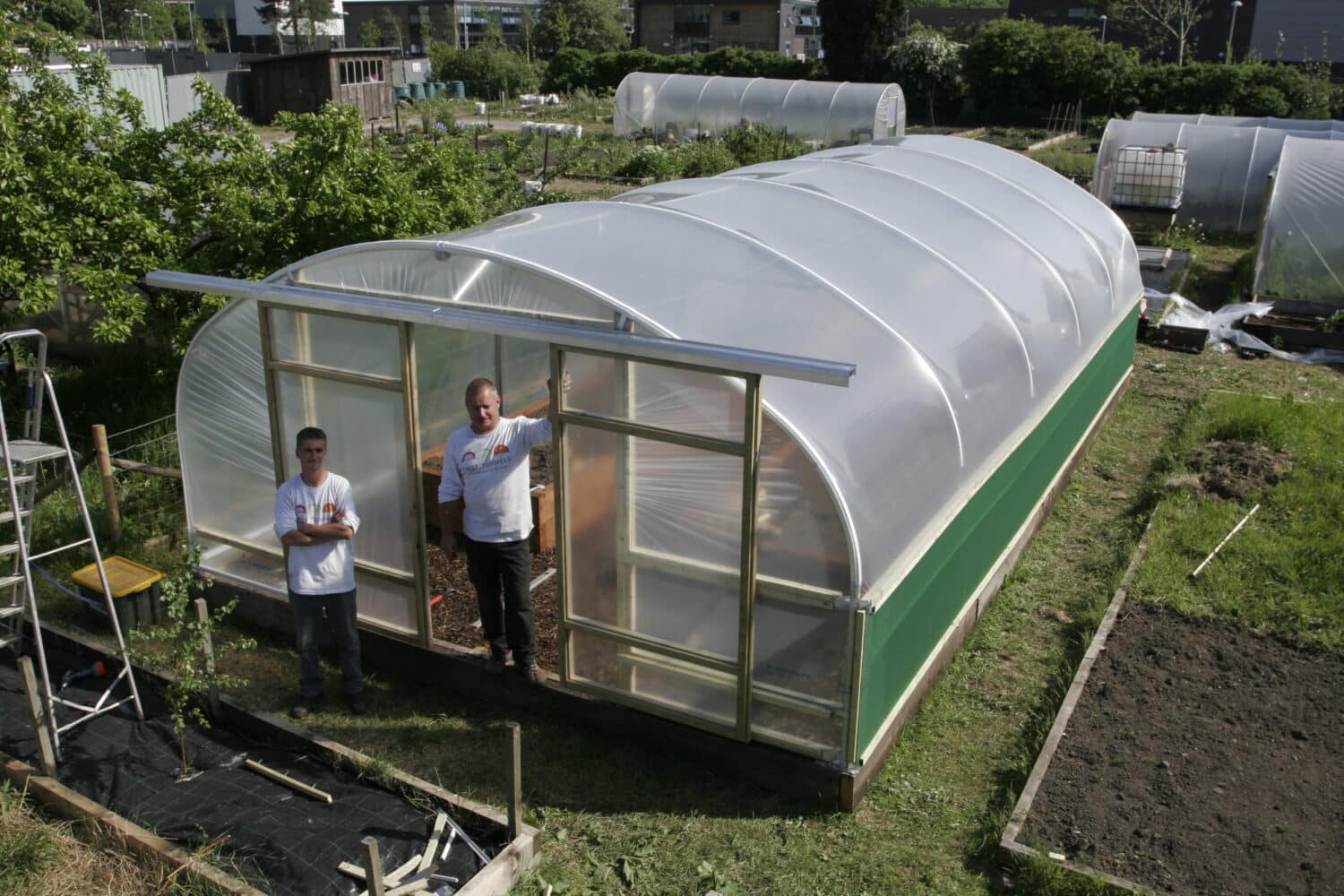
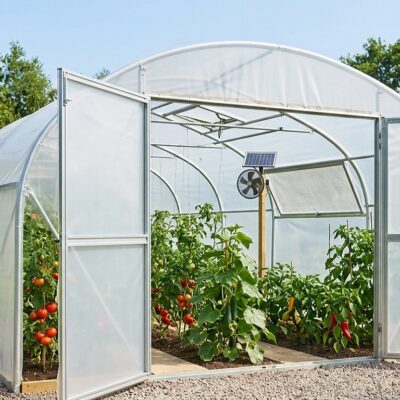
Think your allotment is too small to grow everything you'd like? A polytunnel can transform even a modest plot into a highly productive growing space.
One of the best allotment ideas for gardeners working with limited space is to add a polytunnel. By creating a more controlled growing environment, a polytunnel expands what you can grow, extends the season, and helps you make better use of every square metre.
Whether you’re looking for practical ways to increase yields or searching for more creative allotment ideas, there are plenty of possibilities to explore. From clever layouts and productive crop choices to unusual planting schemes and themed growing areas, a polytunnel opens up exciting opportunities for allotment gardeners.
In this guide, we’ll look at smart layouts, crops to consider, and plenty of inspiration to help you get more from your growing space.
Key Takeaways
- Polytunnels allow year-round growing and a wider range of crops.
- Smart layouts can significantly increase productivity in small spaces.
- Vertical growing and zoning help maximise available room.
- Creative and unusual ideas can make an allotment more enjoyable and diverse.
- Careful planning helps avoid problems such as overcrowding and poor airflow.
Benefits of a Polytunnel on an Allotment
- Extend the growing season at both ends of the year.
- Protect crops from rain, wind and temperature fluctuations.
- Grow a wider variety of fruit and vegetables.
- Improve yields from a small growing area.
- Create more reliable harvests throughout the year.
- Experiment with crops that may not thrive outdoors.
Why a Polytunnel Changes What’s Possible on an Allotment
For many gardeners, the British climate can be one of the biggest challenges when growing crops successfully. Heavy rain, strong winds, cool temperatures and unpredictable weather can all limit what can be grown outdoors.
A polytunnel changes those limitations. It creates a sheltered environment that protects crops and allows gardeners to take greater control over growing conditions.
One of the biggest advantages is the ability to extend the growing season. Seeds can often be sown earlier in spring and crops can continue producing much later into autumn and winter.
Polytunnels also make it possible to grow heat-loving crops that may struggle outdoors in many parts of the UK. Tomatoes, peppers, cucumbers, melons and grapes often perform far better under cover.
For allotment holders with limited space, a polytunnel can also dramatically increase yields. Plants experience less weather-related stress, making them more productive over a longer period.
What Can You Grow in an Allotment Polytunnel?
One of the most exciting aspects of owning a polytunnel is the sheer range of crops you can grow.
Heat-Loving Vegetables
- Tomatoes – produce heavier crops and ripen more reliably.
- Peppers – benefit from the warmer, more stable temperatures.
- Chillies – often achieve better fruit production under cover.
- Cucumbers – thrive in the sheltered environment.
- Aubergines – much easier to grow successfully in many UK regions.
Fruits
- Grapes – ideal for training along supports.
- Melons – enjoy the warmth and protection.
- Strawberries – fruit earlier and stay cleaner.
- Figs – can perform very well in containers within a polytunnel.
Year-Round Crops
- Salad leaves – provide regular harvests throughout much of the year.
- Spinach – thrives in cooler seasons under cover.
- Rocket – fast-growing and productive.
- Pak choi – excellent for extending winter harvests.
- Spring onions – useful for continuous cropping.
Beginner-Friendly Options
- Lettuce
- Radishes
- French beans
- Courgettes
- Tomatoes
- Herbs such as basil and parsley
These crops are generally straightforward to grow and reward beginners with reliable harvests.
For more inspiration, explore ideas for growing a wide range of fruit and vegetables all year round in a polytunnel.
Smart Layout Ideas to Maximise Space in a Polytunnel
Good design is often the difference between a productive polytunnel and one that feels crowded and difficult to manage.
A central path running through the middle is often the most practical arrangement. This allows easy access to crops on both sides while making maintenance and harvesting simpler.
Raised beds are popular because they improve drainage, help define growing zones and make crop rotation easier. Containers can also be useful for specific crops, particularly those that prefer restricted root conditions.
Vertical growing is one of the most effective creative allotment ideas for making the most of limited space. Trellises, wires and hanging systems allow crops to grow upwards rather than outwards.
Zoning different activities can also improve efficiency.
Polytunnel Layout Checklist
- Include a clear central path.
- Use raised beds where possible.
- Incorporate vertical growing structures.
- Create dedicated propagation areas.
- Group crops with similar needs together.
- Leave sufficient space for airflow and maintenance.
- Plan crop rotation in advance.
For guidance on planning your space, learn more about how to design and organise your polytunnel for a productive allotment layout.
Simple Layout Examples
Productive Growing Layout
- Central path
- Two long raised beds
- Vertical crops along edges
- Propagation bench at one end
Mixed Harvest Layout
- Salad zone
- Fruiting crop zone
- Herb section
- Seedling area
Family-Friendly Layout
- Easy-access pathways
- Mixed crops and flowers
- Dedicated sensory planting area
Creative Allotment Ideas You Can Try in a Polytunnel
Looking beyond traditional growing methods can make your allotment more attractive, enjoyable and productive.
1. Create a Vertical Growing Wall
Use trellis panels, mesh or wire supports to grow climbing crops and maximise vertical space.
2. Install a Hanging Herb Garden
Suspend containers from supports to grow basil, oregano, thyme and other culinary herbs.
3. Mix Flowers and Edibles
Combine vegetables, herbs and flowering plants to encourage pollinators and create visual interest.
4. Design a Mediterranean Zone
Grow crops such as peppers, aubergines, basil and grapes together in a warm section of the tunnel.
5. Create a Dedicated Salad Garden
Focus on fast-growing leafy crops for regular harvests throughout the year.
6. Develop a Sensory Growing Area
Choose aromatic herbs, colourful flowers and textured foliage to create a more immersive growing space.
7. Grow Climbing Crops Over Walkways
Train cucumbers or gourds overhead to create productive green tunnels within your polytunnel.
8. Add Wildlife-Friendly Planting
Introduce flowering plants that attract beneficial insects and support natural pest control.
Quirky & Unusual Allotment Ideas for Polytunnels
If you enjoy experimentation, a polytunnel offers plenty of opportunities to try something different.
Grow Exotic Fruits
Melons, kiwis and less familiar berry varieties can thrive with the extra warmth and protection.
Introduce Edible Flowers
Nasturtiums, calendula and borage add colour while also providing edible harvests.
Create a Mini Orchard
Train grapes, figs or other suitable fruit along supports and boundaries.
Experiment with Companion Planting Clusters
Combine crops that support each other and make efficient use of space.
Trial Unusual Vegetables
Explore lesser-known crops that may not be commonly grown on nearby allotments.
Grow for Flavour Rather Than Yield
Reserve a section for heritage varieties and unusual cultivars that offer exceptional taste.
Ideas for Growing More Allotment Produce Year-Round
Making the most of a polytunnel means thinking beyond a single growing season.
Spring
- Start seedlings early.
- Sow salads and leafy greens.
- Plant early crops before outdoor conditions improve.
Autumn
- Replace finished summer crops with winter greens.
- Sow spinach and hardy salad leaves.
Summer
- Focus on tomatoes, cucumbers, peppers and other productive crops.
- Succession sow salads and quick-growing vegetables.
Winter
- Harvest protected crops.
- Grow cold-tolerant greens.
- Prepare for early spring sowing.
Succession planting is one of the most effective ways to increase allotment produce. Rather than leaving beds empty after harvest, plan the next crop before the previous one finishes.
For further inspiration, discover ideas for growing a wide range of fruit and vegetables all year round in a polytunnel.
Simple Ways to Boost Productivity in Your Polytunnel
Small improvements can make a significant difference to overall yields.
Productivity Checklist
- Practise companion planting to make efficient use of space.
- Install reliable irrigation systems to maintain consistent moisture levels.
- Choose the right growing method for each crop.
- Rotate crops regularly to maintain soil health.
- Feed plants appropriately throughout the growing season.
- Harvest regularly to encourage continued production.
- Use vertical growing wherever possible.
Healthy soil is the foundation of productive growing. Whether you grow directly in the ground, in raised beds or in containers, maintaining fertility should be a priority.
Learn more about using organic materials to create a sustainable and cost-effective allotment system.
Common Mistakes When Planning Allotment Ideas in a Polytunnel
Even the best allotment ideas can fall short if common mistakes are overlooked.
Overcrowding Plants
Problem: Reduced airflow and increased disease risk.
Quick Fix: Follow recommended spacing and prune where necessary.
Poor Ventilation
Problem: Excess humidity, overheating and fungal issues.
Quick Fix: Open doors and vents regularly and design airflow into your layout from the start.
For more guidance on managing heat and airflow to keep your allotment crops healthy inside a polytunnel, explore ventilation best practices.
Ignoring Vertical Space
Problem: Wasted growing potential.
Quick Fix: Add trellises, wires and hanging systems.
Lack of Planning
Problem: Inefficient use of space and difficult crop management.
Quick Fix: Create a simple seasonal planting plan before each growing year.
Wrapping Up
The best allotment ideas combine practicality with creativity. A polytunnel allows you to grow more food, experiment with new crops and make better use of every available metre.
There is no single perfect design. The most successful allotments reflect the needs, interests and growing goals of the gardener. By trying new approaches, learning from experience and adapting your space over time, you can create a polytunnel that is both productive and enjoyable.
Whether you focus on maximising harvests, exploring unusual crops or creating a beautiful growing environment, a well-planned polytunnel can become one of the most valuable parts of your allotment.

frquently asked questions?
How do you organise a small allotment polytunnel?
Start with a clear central path and dedicate growing areas to specific purposes. Use raised beds, vertical supports and carefully planned crop groupings to maximise available space while maintaining good access and airflow.
What are some unusual allotment ideas to try?
Growing exotic fruits, edible flowers, heritage vegetables, themed planting areas and trained fruit vines can all add interest while making the most of a protected growing environment.
What are the best allotment ideas for beginners?
Focus on easy crops such as tomatoes, lettuce, radishes, herbs and French beans. Simple layouts with raised beds and clear pathways are also easier to manage successfully.
How do you make an allotment more productive?
Improve productivity through succession planting, crop rotation, vertical growing, efficient irrigation and careful seasonal planning. Healthy soil management is also essential for reliable harvests.
Sources
Royal Horticultural Society (RHS) (2026) Allotments – getting started. Available at: https://www.rhs.org.uk/advice/grow-your-own/allotments/allotments-getting-started (Accessed: 19 June 2026).
Herefordshire Council (2018) Polytunnels Planning Advice: Appendix 1. Available at: https://councillors.herefordshire.gov.uk/documents/s50058045/Appendix%201%20for%20Polytunnels%20Planning%20Advice.pdf (Accessed: 19 June 2026).