

Carnivorous plants are fascinating species that bring a touch of the exotic into the UK garden. While they may look unusual, with their striking traps and other ingenious adaptations, they can also be surprisingly easy to grow if their specific needs are understood.
This guide will walk you through everything you need to know about planting carnivorous plants here in the UK – including how to grow them successfully in a polytunnel.
Whether you are a gardener keen to expand your collection, a wildlife enthusiast hoping to attract and support insects, or simply intrigued by their extraordinary forms, carnivorous plants can provide both beauty and intrigue to your home and garden.
KEY TAKEAWAYS
- Carnivorous plants are not as difficult to grow as many imagine – but they do have particular requirements that differ from typical garden plants.
- Choosing the right species for the UK climate is crucial.
- A polytunnel can be a useful environment for certain species, helping extend the season and providing shelter.
- Carnivorous plants should never be grown in standard composts or fertilised soils.
- They thrive in acidic, low-nutrient, and peat-free mixes.
- Water quality is critical: they should only be watered with rainwater, distilled water, or reverse osmosis water.
- With the right approach, carnivorous plants can be grown both indoors and outdoors in the UK.
What Are Carnivorous Plants?
Carnivorous plants are species that have adapted to thrive in nutrient-poor soils by supplementing their diet with nutrients obtained from capturing and digesting insects or other small organisms. They are often found in bogs, wetlands, or other challenging environments where nitrogen and phosphorus are scarce.
These plants are defined by their traps – which can take many forms. Some use sticky surfaces (sundews), others have hinged traps (Venus flytraps), and still others form pitchers to drown and digest prey (pitcher plants).
In the UK, our native species include the round-leaved sundew (Drosera rotundifolia), oblong-leaved sundew (Drosera intermedia), and butterwort (Pinguicula vulgaris). However, many non-native species can also be grown with success in our gardens and with some protection.
Choosing The Right Carnivorous Plants
Not all carnivorous plants are equally suited to the UK climate. Some tropical species will require constant warmth and humidity, making them more difficult to manage without specialist equipment. Others, however, are remarkably hardy and will thrive outdoors with minimal intervention.
Good choices for UK gardeners include:
- Hardy pitcher plants (Sarracenia species): Many North American species can withstand UK winters, particularly with some protection.
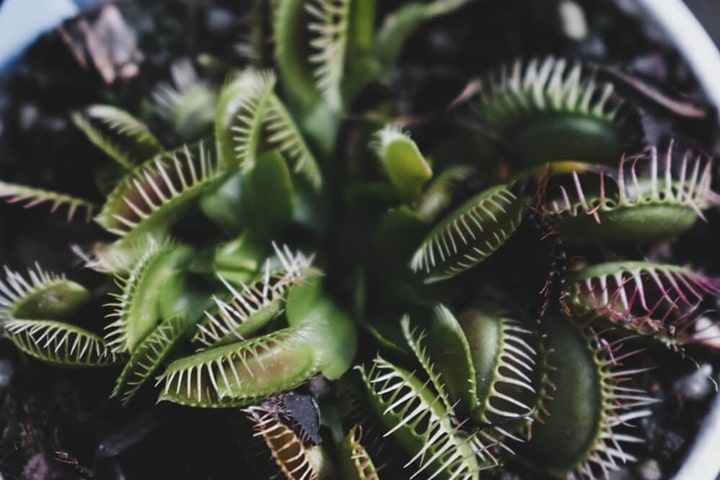
- Venus flytrap (Dionaea muscipula): Hardy down to around -5°C, this classic species benefits from polytunnel or greenhouse shelter.
- Sundews (Drosera species): Native and non-native varieties grow well outdoors in bog gardens.
- Butterworts (Pinguicula species): Both hardy and tender varieties are available.
Getting The Right Look
Carnivorous plants can be used ornamentally just like any other garden plant. A carefully designed bog garden, filled with vibrant pitcher plants and studded with sundews, can create a lush and dramatic focal point.
Indoors, smaller species like sundews and butterworts can be grown in terrariums, where their unusual textures and jewel-like traps can be admired close up. A polytunnel allows you to combine the spectacle of multiple species, displayed together in a collection.
How And What To Buy
It is important to source carnivorous plants responsibly. Many are still illegally collected from the wild – a practice that contributes to the destruction of fragile ecosystems. Always buy from reputable nurseries or growers who propagate their own plants.
Plants can be purchased bare-root, potted, or as seeds. For beginners, potted specimens are the easiest starting point, while more experienced growers may enjoy raising plants from seed.
5 Key Steps For Planting Carnivorous Plants
- When To Plant
Carnivorous plants can be planted at almost any time of year, though spring is usually ideal. This allows them to settle in as they begin their active growing season.
- Where To Plant Outdoors
Carnivorous plants do best in sunny, open positions – often in bog gardens, pond margins, or purpose-built planters. They should never be placed in standard garden beds or borders, as the soil is usually too alkaline and nutrient-rich.
- Where To Grow Indoors
Smaller species can thrive on bright windowsills or in terrariums. A south-facing window is usually best, but care should be taken to avoid overheating in summer.
- Compost For Planting Carnivorous Plants
Carnivorous plants require poor, acidic, low-nutrient substrates. Traditionally, this has meant peat moss mixed with sand or perlite. However, due to environmental concerns, peat-free options are now recommended.
- Growing and Planting Carnivorous Plants In Peat-Free Mixes
Sustainability is a core principle in modern gardening. Thankfully, it is possible to grow carnivorous plants without peat. Alternatives include coir, fine bark, and specialist peat-free carnivorous plant composts available from suppliers. A typical mix might include coir and perlite in equal parts, with some added sand for drainage.
How To Plant Outdoors
- Choose a container or bog garden location.
- Line with pond liner if creating a bog area.
- Fill with your peat-free acidic growing medium.
- Plant at the same depth as the plant was previously growing.
- Water thoroughly with rainwater.
How To Plant Indoors
- Select a container with no drainage holes (to help maintain constant moisture).
- Fill with your peat-free mix.
- Plant as above.
- Place in a bright, sunny location.
- Keep standing in a shallow tray of rainwater.
Ongoing care
Caring for carnivorous plants is all about learning to step back from conventional gardening habits. Unlike most plants in the UK garden, these species do not want rich soil, regular doses of fertiliser, or constant fussing. What they need instead is a thoughtful balance of water, light, and seasonal rhythm. Once their needs are understood, maintenance becomes relatively simple.
Watering
Perhaps the single most important factor in keeping carnivorous plants healthy is watering. In their natural habitats – bogs, wetlands, marshes – carnivorous plants are accustomed to consistently damp, even waterlogged soils. They never tolerate drying out.
- Type of water: Always use rainwater, distilled water, or water purified by reverse osmosis. Tap water is unsuitable because it contains minerals that will accumulate in the soil and damage the delicate roots. Even hard tap water boiled and cooled will still be harmful in the long term.
- Method: Most growers keep their pots standing in a tray of water so that the compost remains moist at all times. Outdoors, this may mean sinking pots into a bog garden or keeping them in trays within a polytunnel.
- Consistency: In summer, keep the water levels topped up daily. In winter, when many carnivorous plants enter dormancy, water less frequently – but never let them dry out entirely.
Learning to harvest and store rainwater is a worthwhile investment if you are growing carnivorous plants long term. A simple water butt linked to a downpipe provides an abundant, sustainable supply.
Feeding
One of the joys of keeping and planting carnivorous plants is that they largely feed themselves. A Venus flytrap will snap shut on an unsuspecting fly, a sundew will trap gnats on its sticky leaves, and a pitcher plant will collect wasps, flies, and beetles. This is not just fascinating to watch – it is also entirely sufficient for the plants’ nutritional needs.
- Outdoors: If grown outside, your plants will usually capture all they need. Do not be tempted to feed them fertiliser, which can kill them.
- Indoors: If grown indoors or in a tunnel where insects are less plentiful, you may supplement their diet occasionally. A tiny dried insect (re-hydrated before placing) can be carefully positioned into a trap. Some growers also use very dilute orchid fertiliser sprayed sparingly onto foliage – but only for species known to tolerate it. Err on the side of caution; less is always more.
Remember: forcing traps shut or overfeeding can stress the plant. Feeding is not necessary for survival, only for more vigorous growth.
Weeding
Carnivorous plants evolved to thrive in environments where competition from other plants is minimal. In cultivation, weeds, moss, and algae can quickly become a nuisance. Left unchecked, these invaders can choke delicate seedlings or prevent air and light from reaching the crown of your plants.
- Hand removal: Pick out weeds carefully by hand.
- Moss control: While some moss on the surface can help retain moisture, too much can overwhelm young plants. Remove excess as needed.
- Vigilance: Regular checks – a quick look each week – help prevent small problems becoming large ones.
Weeding a carnivorous plant collection is a meditative process, requiring patience and care. Think of it less as a chore, and more as part of your ongoing observation of your plants’ health.
Mulching
Unlike many garden plants, carnivorous species generally do not benefit from mulching in the traditional sense. However, you may sometimes use a surface layer for moisture regulation.
- Live sphagnum moss: Often used as a living mulch, this helps keep the soil surface damp, prevents weeds, and creates a naturalistic look. It also provides some antimicrobial benefits, reducing the risk of fungal issues.
- Sand topping: A thin layer of washed silica sand can be applied to pots to discourage algae and liverwort growth.
Avoid organic mulches like bark chips or compost, as these release nutrients that can harm the plants.
Overwintering
For many carnivorous plants, winter dormancy is not just normal – it is essential. Attempting to keep them in active growth year-round can weaken or even kill them.
- Hardy species (Sarracenia, Venus flytrap, hardy Drosera): These can tolerate frost but may appreciate some protection in harsher parts of the UK. A polytunnel, cold frame, or unheated greenhouse provides shelter from extremes.
- Tender species (tropical Nepenthes, Mexican Pinguicula): These must be brought indoors before temperatures drop below 10°C. A bright windowsill or heated tunnel is ideal.
- Appearance: Do not panic if your plant looks ‘dead’ in winter. Brown traps, shrivelled leaves, and a general retreat are all part of the dormancy cycle. Growth will resume in spring.
A key part of overwintering is resisting the urge to interfere. Allow your plants their rest – they will return stronger the following year.
Caring for Older Plants
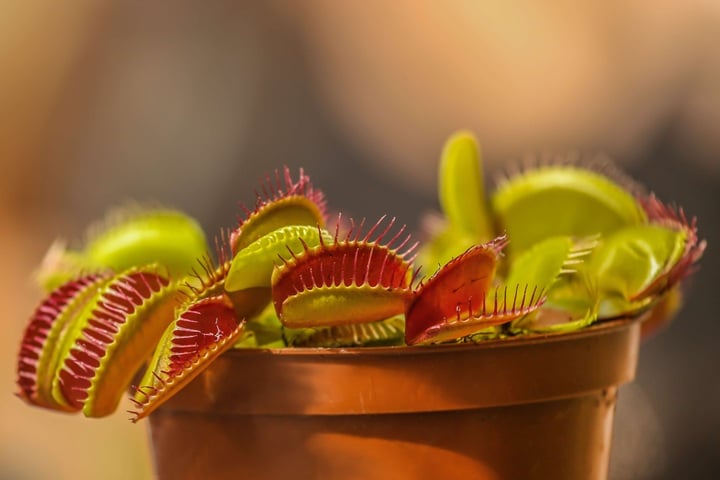
As carnivorous plants mature, they may form clumps, crowns, or dense clusters. This is natural, but from time to time, they benefit from division.
- When: Divide in spring, just as plants are emerging from dormancy.
- How: Carefully separate clumps into smaller sections, ensuring each has healthy roots and growth points. Replant immediately into fresh medium.
- Why: Division rejuvenates growth, prevents overcrowding, and provides you with additional plants to expand your collection or share.
Older plants also sometimes develop woody, leggy growth. Trimming and re-potting usually encourages them back into more vigorous form.
Pruning & Training
Carnivorous plants rarely need training, but they do benefit from some gentle pruning.
- Remove dead leaves and traps: This keeps the plant tidy and reduces the risk of fungal infections.
- Cut back pitchers: In Sarracenia, remove old, brown pitchers at the base in late winter.
- Encourage shape: With sundews and butterworts, dead foliage can be gently pulled away to reveal fresh rosettes beneath.
Regular pruning is less about aesthetics, more about plant hygiene and disease prevention.
Propagating
Propagation can be one of the most rewarding aspects of growing carnivorous plants. Methods vary by species:
- Division: The simplest method, especially for clumping species like Sarracenia and Pinguicula.
- Leaf cuttings: Sundews and butterworts are particularly amenable. Place leaves on damp sphagnum and new plantlets will emerge.
- Seed: Growing from seed is slower and requires patience, but it allows you to produce large numbers of plants. Be aware that some seeds require cold stratification (a period of chilling) to germinate.
Propagation not only increases your collection but also reduces the need to buy new plants which cuts your impact and reduces the size of your carbon footprint.
Problems
Even the healthiest carnivorous plant collection can run into issues. Recognising early warning signs is crucial.
- Mineral burn: Caused by tap water or fertiliser. Symptoms include browning leaf edges and poor growth. Remedy: flush with pure water, and repot in fresh compost.
- Rot: Overcrowded, waterlogged conditions with poor air movement can cause fungal or bacterial rot. Remedy: improve ventilation, remove dead material, and consider a fungicidal treatment if necessary.
- Pests: Ironically, carnivorous plants are not immune to attack. Aphids, mealybugs, and scale can colonise pitchers and leaves. Remedy: wipe off pests manually or use insecticidal soap. Avoid systemic insecticides.
- Failure to thrive: Often linked to lack of dormancy, poor water quality, or too little light. Remedy: review the growing conditions carefully and adjust accordingly.
The most common problem for beginners is treating carnivorous plants like ordinary houseplants. Once you unlearn the instinct to “feed” and “fertilise,” most problems resolve themselves.
FAQs
Which carnivorous plants benefit most from a polytunnel environment?
Venus flytraps and Sarracenia pitcher plants particularly benefit, as a tunnel gives them warmth and a longer growing season while still allowing them to experience dormancy. Tropical Nepenthes can also thrive in heated tunnels.
Can I use a polytunnel to start carnivorous plants earlier in the year?
Yes – a tunnel helps protect plants from late frosts, allowing them to come out of dormancy earlier. However, be sure not to keep them too warm year-round, as many species need a cool winter rest.
What compost should I use for carnivorous plants in a polytunnel?
Use a peat-free acidic medium, such as coir and perlite, with added sand. Avoid all fertilised or lime-rich composts.
Sources
Wellbank, L., Buiano, M., (2025) How to Care for Pitcher Plants, a Carnivorous Houseplant that Eats Pests. Martha Stewart. [online] Available at: https://www.marthastewart.com/8372732/how-to-grow-and-care-for-pitcher-plant