

If you have a blank canvas to work with, perhaps a new build garden or a space laid entirely to lawn at the moment, you may crave a garden that looks mature and established – one which brings you joy, looks lush and full, and provides what you require in terms of tangible and intangible yields.
As a garden designer, I am often asked for tips on how to make a garden look mature more quickly.
It should be noted that we are not rushing towards a mature ‘end point’ in a garden. A garden is not something that will ever be ‘done’. And trying to rush is not always the best choice – as we say in permaculture, it is best to use slow and small solutions.
That said, we do sometimes adopt strategies to speed certain processes – such as when trying to speed ecological succession in the creation of a forest garden. There are times when it is just fine to use strategies to make a garden look mature and have greater ecological function sooner than it would otherwise have done. So, here are my tips to help you make a mature garden more quickly.
Table of Contents
1. Use Sustainable Design Methods to Make a Mature Garden Plan
All gardens should be well planned, to avoid common mistakes and pitfalls. Remember that you need to design for your particular site, and for your own individual wants and needs as well. You need to think about things like sunshine, wind, water, slope and soil, and work through the design process.
The permaculture approach is a good one, with its sustainable ethics and design principles, and a clear process to follow. If you feel you do not have the knowledge to create your own sustainable garden design, a permaculture designer (like me) can help.
2. Choose the Right Plants for the Right Places
It may sound very obvious to many, but in order to get quick, healthy growth in a garden, we need to choose the right plants for the right places.
By matching the growing needs of plants to the conditions in our own particular gardens, we can ensure that those plants will thrive, and will grow as lush and healthy as possible. This helps a garden to feel established and mature more quickly.
Certain specific plants and planting plans can, when in the right places, help to give a garden that mature and established feel.
For example, cottage garden planting schemes that mingle annual flowers and herbs alongside fruit and vegetable crops can give the garden a timeless vibe and make it feel like it has always been there, since cottage gardening has been around for hundreds of years.
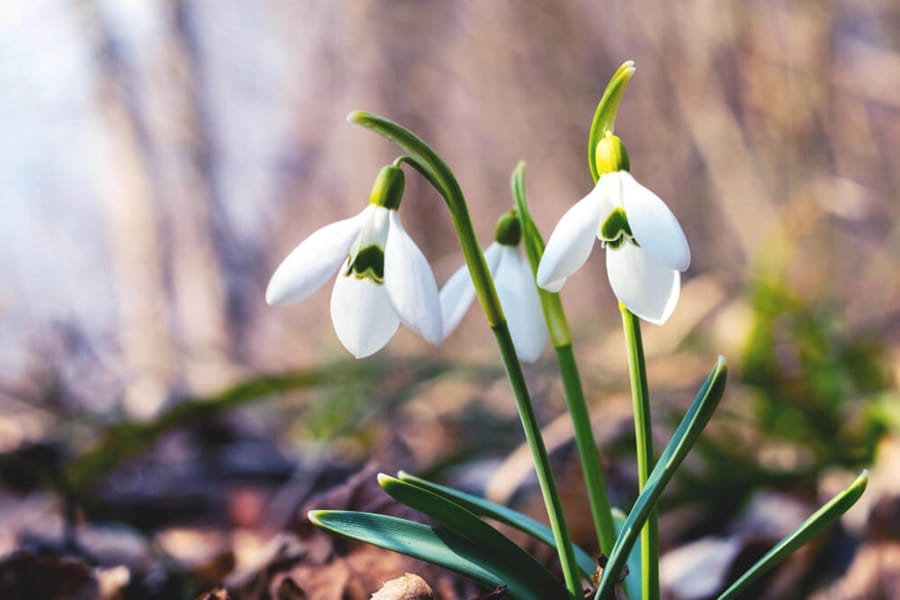
Planting spring bulbs like snowdrops or crocuses en mass in a lawn or in a woodland garden can give the impression that they have been naturalising in that area for years. The same effect is achieved by letting daisies, dandelions etc. thrive in a lawn area.
With hedgerows, incorporating as many native species as possible can also help give the impression of age, since hedges tend to have more abundant woody species when they are older. A single species hedge is likely to be 100 years old or less, while hedges 1,000 years old tend to have 10-12 species.
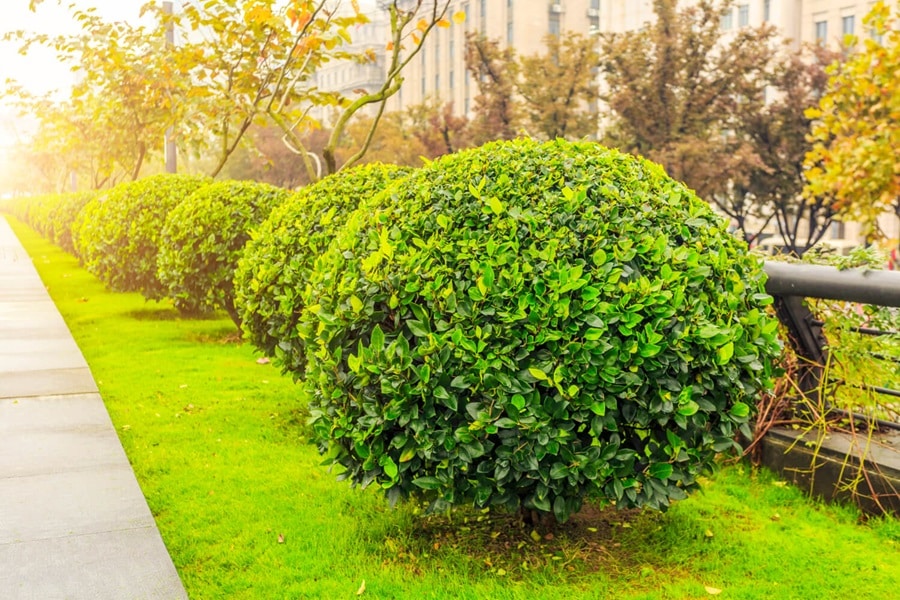
Topiary, espaliered or otherwise trained trees and other elements that show horticultural skill can also help make a garden feel like it is more mature and has been tended over many years.
3. Identify Trees or Shrubs to Use as Focal Features and Key Elements
Using trees and shrubs can also, of course, be crucial in getting that lush, mature and established look and feel in your mature garden.
Remember to choose trees and shrubs suited to where you live, and to the size of your mature garden. Native species are often a good place to begin when looking for the best trees and shrubs for your garden.
These will help bring in the wildlife that will also help in making your garden feel lusher and more established. Trees and/or shrubs will often form the backbone of a garden design, serving as key elements in a garden design and often becoming focal features within the space.
4. Purchase the Largest Specimen Trees You Can Afford
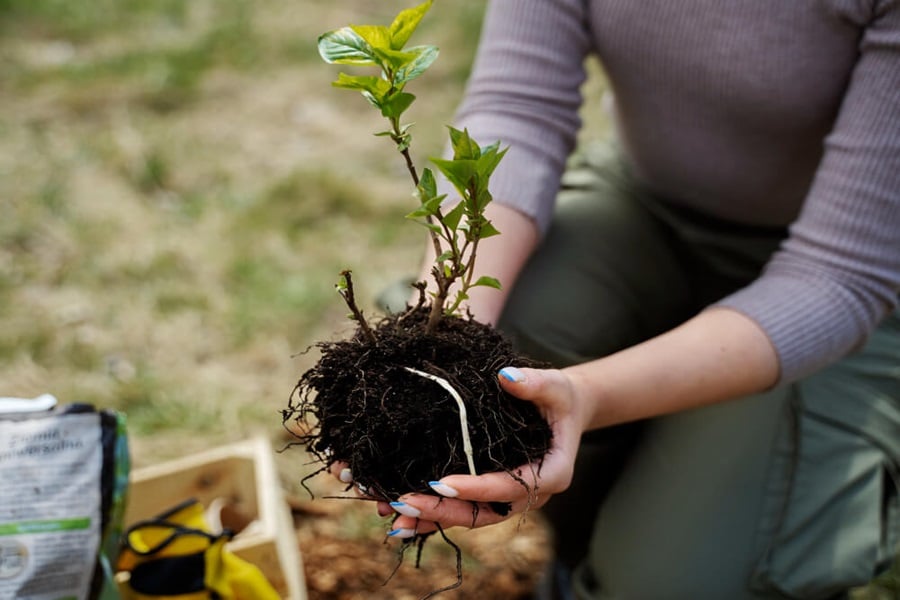
For instant impact, you may be tempted to choose and purchase the largest specimen trees that you can afford. This will of course help you to make a garden that looks mature much more quickly. However, note that smaller, younger trees and shrubs may often establish better, so choosing the most mature trees to plant can be risky as well as rewarding.
When choosing and purchasing trees, remember that fruit trees will be grafted and the rootstock used usually determines the eventual size of the tree. Make sure you consider not only the size of the plant you purchase but also the size to which it can eventually be expected to grow, and how long it will usually take to reach its ultimate size.
If you cannot fit a small tree in your space, you might consider shrubs, and can even crown lift these to make them look like very small trees.
5. Create Layered, Diverse Planting Schemes
In order to give a mature garden that lush, full, mature look, you should embrace layering. You should create polyculture planting schemes with layers of plants occupying different tiers in the vertical plane.
You can have multiple layers, potentially with trees, shrubs, herbaceous plants, groundcover species, and climbers ascending through the system.
The goal with this type of layering is to create biodiverse, intricate planting schemes with many beneficial interactions between plant and animal species. Such polyculture systems are more stable and resilient than planting schemes with fewer species, and will allow for the system to mature more quickly, as well as to produce abundant yields.
6. Don’t Overuse Hard Landscaping and Make the Right Choices
Hard landscaping – patios, paved areas, etc… can be essential features of a mature garden for many modern families. These are the areas that allow us to use our gardens recreationally in a range of ways sitting, cooking, and dining outdoors. Many consider these areas essential to turn a garden into an extension of the home.
However, it is important not to add too many paved or decked areas, and to get the balance right between these areas and our lush areas of dense planting.
Of course, environmentally speaking, we should add as much vegetation as we can, and it is also important to add enough greenery and plant life and not too much hard landscaping so that the garden feels mature, lush and full.
Using permeable paving or ground covers that let water through is the best choice in terms of the environment and sustainability.
7. Plant Densely, But Carefully Consider Competition
Whichever growing areas we are talking about, whatever you have chosen to grow and where, plant spacing is a crucial issue to consider. A higher planting density, with layered planting as discussed above, can reduce weed issues, protect the soil and increase yields as well as making a garden look and feel more mature.
However, we do need to be very careful not to overcrowd our gardens. We need to create polycultures that aid one another in various different ways without introducing too much competition between those plants for water, nutrients, sunlight and space.
8. Add a Wildflower Turf for Quick Ground Cover
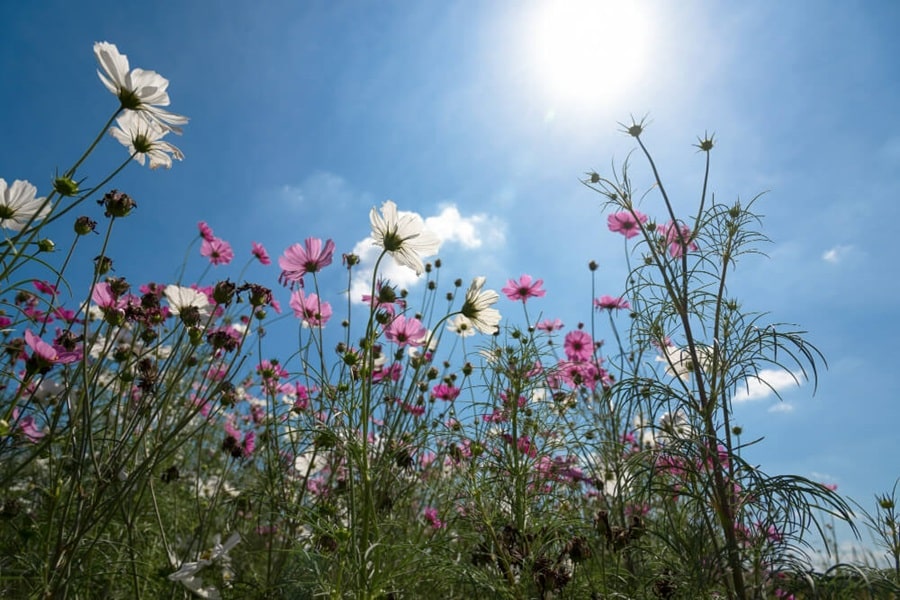
As well as adding trees and shrubs, another way to add relatively quick colour and to make a fast impact is by adding lawn turf.
Rather than just using grass, however, wildflower meadow turfs are now available. Though of course you have to choose one that works for your particular site and location.
Using turf rather than sowing seed can give quicker impact, though even establishing a wildflower meadow from seed won’t usually take that long.
9. Cover Fences or Walls With Vigorous Climbers
Adding climbers can help the garden boundary walls or fences to recede, and can make the space feel cosy and enclosed without making you claustrophobic.
Vigorous climbers can quickly grow to cover a boundary wall or fence, and can help make those new boundary treatments feel like they have been in place for a much longer period of time.
10. Select the Right Hedging Plants
There are many things to think about when choosing the right hedging plants. A hedge can be neat, formal and well-clipped or something much wilder and more natural to help the wildlife in your area.
A multi-species hedge using native species is certainly a great choice to consider. This is not only wonderful for wildlife but will also help your garden hedge feel like it has been in place for a lot longer.
In general, when we look at hedgerows when out and about, the more species of woody plants it contains, the older it is. Hedgerows tend to have one species for each 100 years of age. So include more species to make the hedge feel more mature and established.
11. Use Annuals for Quick Colour
Annuals are plants which live over a single growing season. These include many popular flowering plants, which flower quickly and bloom over a relatively long period of time.
Annuals can often be grown very easily from seed, which is the cheaper and more sustainable choice. However, for quick colour you may also consider purchasing some bedding plants for garden beds or borders, to help it feel established more quickly.
Just remember that bedding plants will usually need to be replaced after they have flowered as they will only live for a single growing season and will not return in your garden next year. So make sure you also include plenty of perennials (plants that live for several years) in your planting schemes.
12. Embrace Spreaders and Self-Seeding Plants
When you are selecting annual plants to sow or plant in your mature garden, and when you are looking at perennial species, it can be useful to think about whether these will spread easily to cover a larger area, and/or whether they are likely to self-seed where you live.
These spreading and self-seeding plants are not always wanted by gardeners. But if you want a garden to look mature quickly, these can be good plants to choose, as they will help to fill out a garden more quickly – often with some fun surprises along the way.
They might not always pop up where you want them or stay within bounds, but this is plant propagation without the effort, with new plants entirely free of change.
13. Use Structural Elements to Add Height to Beds and Borders
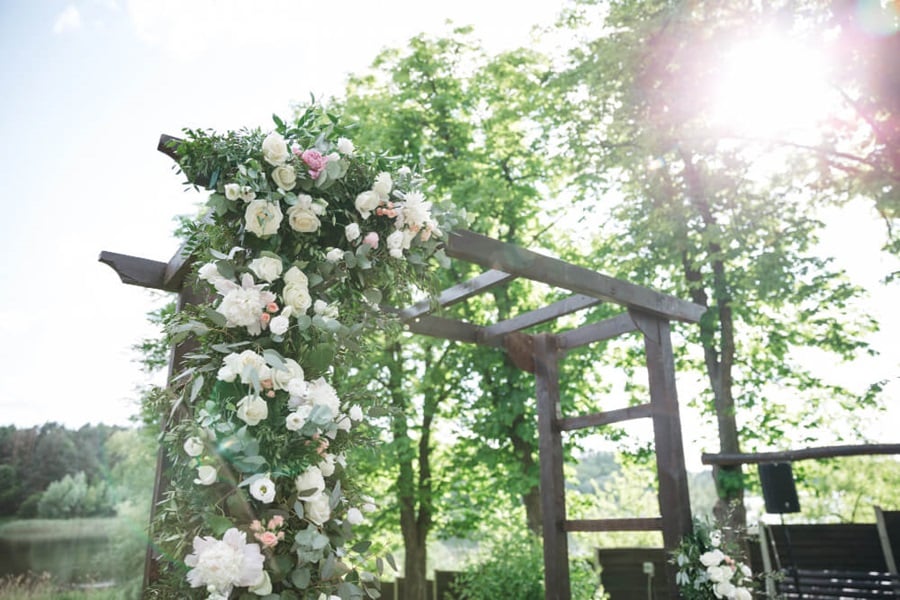
Adding pergolas, gazebos, arches, obelisks, trellises or other vertical features in a garden gives you something to grow plants up and on. This helps you make the most of all the space available in your garden. It also adds height to beds and borders and helps them to feel more established and mature.
14. Add Mature Garden Details That Suggest Age
Other little details can also be added to your mature garden to help suggest age and maturity. Cobbles or cut stone steps that look like they have been worn down by feet over the ages, moss-covered rocks and stone and trees clad with mosses and lichens.
We can add moss spores mixed with yogurt to encourage moss to form on certain surfaces in the garden in a suitably shady and moist locale. And add gnarled dead-wood, ancient rocks and other natural materials to give our new gardens a sense of some age and maturity.
15. Let Nature Reclaim Some Space (Rewild)
Last but not least, we can rewild our mature gardens. Letting wild plants grow organically, and welcoming in wildlife. We can let habitats evolve naturally and alter over time, boosting biodiversity and helping any garden feel like a more lush and established space.
FAQs
What can I put in my garden to make it grow faster?
Organic fertilisers and organic mulches of organic matter will help your garden to thrive and become established more quickly. Adding mycorrhizae to the planting holes of trees and shrubs may sometimes also aid fast establishment.
How can I make my garden look nice fast?
Add trees and shrubs, wildflower meadow, and plenty of easy to grow annual and perennial edibles and flowering plants.
How can I make my garden look nice with no money?
Growing your own plants from seed or using other propagation methods, and using recycled and reclaimed materials are two key strategies to establish your garden more quickly and at lower cost.
How do I make my garden look established?
Choose the right plants and combine them densely, in layered planting schemes, in ways that bring out benefits without overly increasing competition.
What is the best month to grow a garden?
When you become a gardener, you will soon see that there will be jobs to do in a garden throughout the year. You can sow and plant and grow a garden all year round.
Sources
How to Make Your Garden Wilder, Rewilding Britain. [online]. Available at: https://www.rewildingbritain.org.uk/how-to-rewild/rewilding-advice/how-to-make-your-garden-wilder [accessed 15/12/23]