

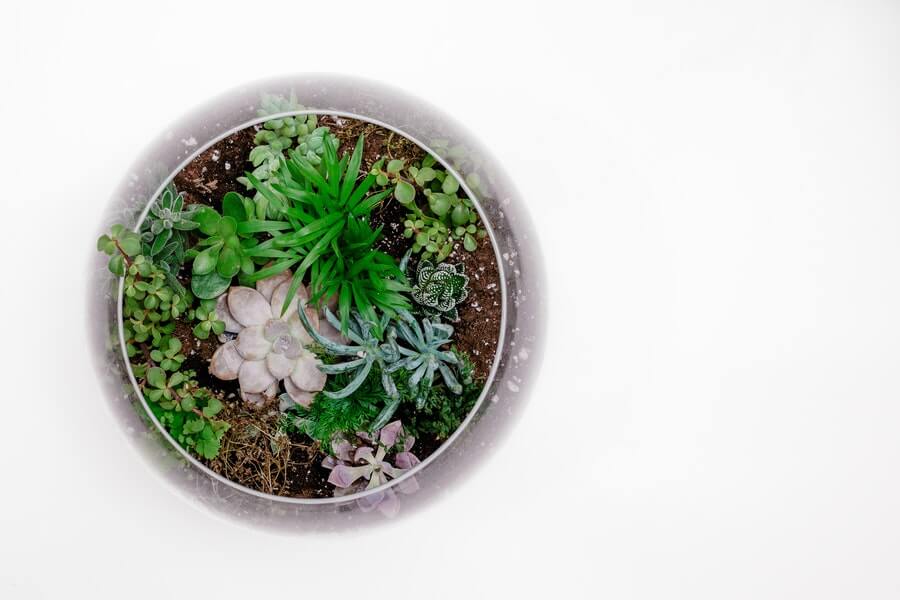
 Learning how to make a closed terrarium is one fun little project you could
take on. Though a polytunnel means gardeners can grow edible crops year round, you may still find that you have more time over the coldest part of the year. Those who are keen gardeners
may have fewer jobs to do over the winter months, and growing houseplants
indoors can be a fun, year-round hobby. Don’t let that spare time go to waste.
Try your hand at making your own closed terrarium to keep you busy and add some
flare to your home.
Here’s how to make a closed terrarium.
Learning how to make a closed terrarium is one fun little project you could
take on. Though a polytunnel means gardeners can grow edible crops year round, you may still find that you have more time over the coldest part of the year. Those who are keen gardeners
may have fewer jobs to do over the winter months, and growing houseplants
indoors can be a fun, year-round hobby. Don’t let that spare time go to waste.
Try your hand at making your own closed terrarium to keep you busy and add some
flare to your home.
Here’s how to make a closed terrarium.
What is a Closed Terrarium?
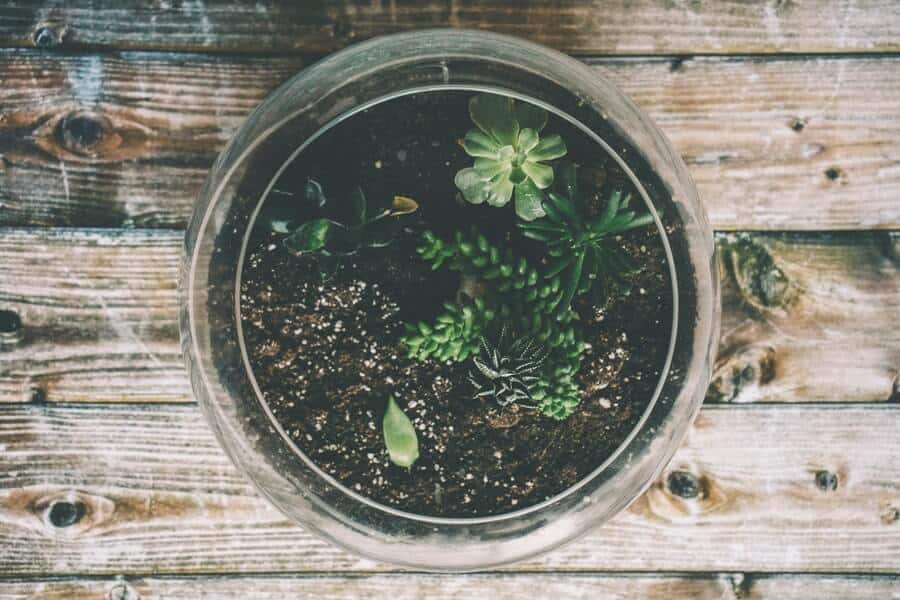 A closed terrarium is an enclosed glass container which has a lid which can
be sealed to create distinct environmental conditions within. Terraria can also
be open to the surrounding environment, but a closed terrarium is different
because, when used correctly, each one has its own little weather system within[i].
The idea is that a closed terrarium is very low maintenance if designed and
planted correctly. Water evaporates and transpires from the growing medium and
leaves and condenses on the glass above. It then trickles down the sides and
returns to the soil, where it can be taken up once more by the plants.
Closed terraria are used to create attractive displays of plants (and
sometimes other decorative or ornamental items) within a home.
A closed terrarium is an enclosed glass container which has a lid which can
be sealed to create distinct environmental conditions within. Terraria can also
be open to the surrounding environment, but a closed terrarium is different
because, when used correctly, each one has its own little weather system within[i].
The idea is that a closed terrarium is very low maintenance if designed and
planted correctly. Water evaporates and transpires from the growing medium and
leaves and condenses on the glass above. It then trickles down the sides and
returns to the soil, where it can be taken up once more by the plants.
Closed terraria are used to create attractive displays of plants (and
sometimes other decorative or ornamental items) within a home.
What Container Can You Use To Make A Closed Terrarium?
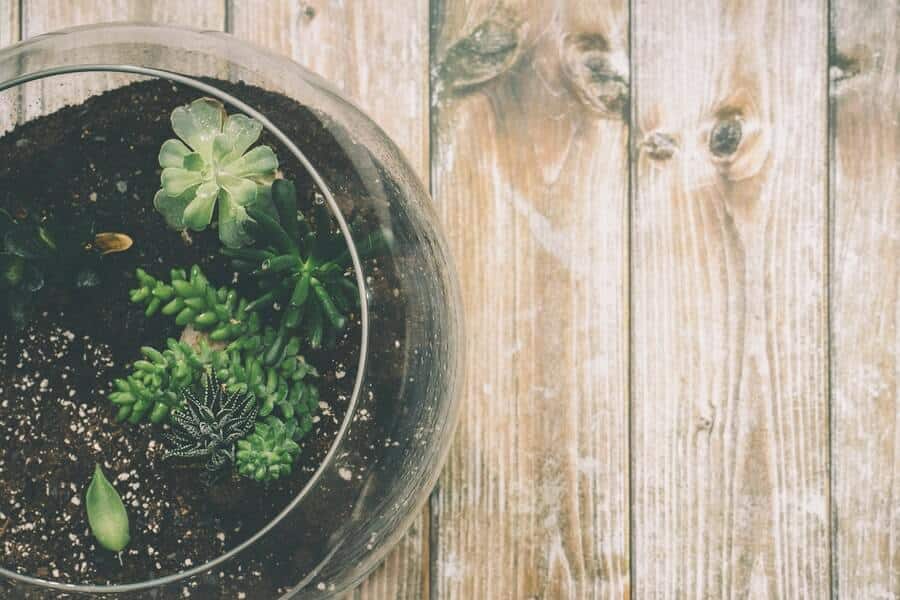 You can if you wish purchase specific terrarium containers, beautifully
simple or stunningly ornate, designed for the purpose. But in an eco-friendly
home, you might also wish to consider repurposing old items to make a DIY
closed terrarium.
For example, you might use old glass cookie jars with lids, old Kilner Jars,
glass lidded coffee jars, old apothecary jars, or any other lidded glass
container that you may have around your home, or be able to find at low cost
from a charity shop, antiques shop, or online. You might also repurpose an old
fish bowl or fish tank for the purpose.
Just remember that a closed terrarium should have a lid of some kind, and
should be made from clear glass. Coloured glass will not usually allow enough
light to pass through and the plants inside will suffer.
It will be easier for you to prepare, plant and maintain your closed
terrarium if the opening is large enough for you to fit your hand comfortably
inside. Though you may be able to purchase or make tools to manage in a container
with a smaller opening.
You can if you wish purchase specific terrarium containers, beautifully
simple or stunningly ornate, designed for the purpose. But in an eco-friendly
home, you might also wish to consider repurposing old items to make a DIY
closed terrarium.
For example, you might use old glass cookie jars with lids, old Kilner Jars,
glass lidded coffee jars, old apothecary jars, or any other lidded glass
container that you may have around your home, or be able to find at low cost
from a charity shop, antiques shop, or online. You might also repurpose an old
fish bowl or fish tank for the purpose.
Just remember that a closed terrarium should have a lid of some kind, and
should be made from clear glass. Coloured glass will not usually allow enough
light to pass through and the plants inside will suffer.
It will be easier for you to prepare, plant and maintain your closed
terrarium if the opening is large enough for you to fit your hand comfortably
inside. Though you may be able to purchase or make tools to manage in a container
with a smaller opening.
How To Make A Closed Terrarium
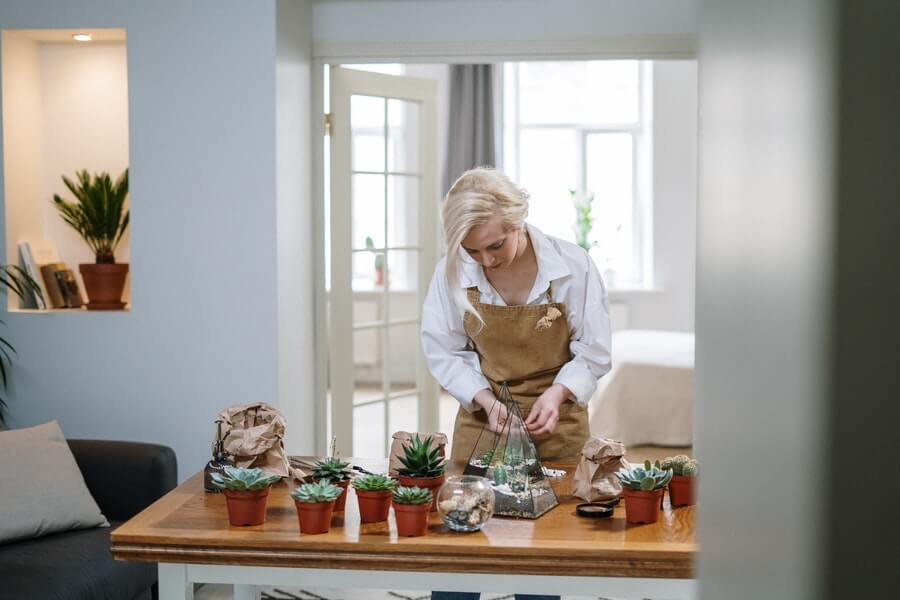
You Will Need:
- A container
- Potting mix
- Plants
- Accessories (optional)
1. Prepare Your Terrarium
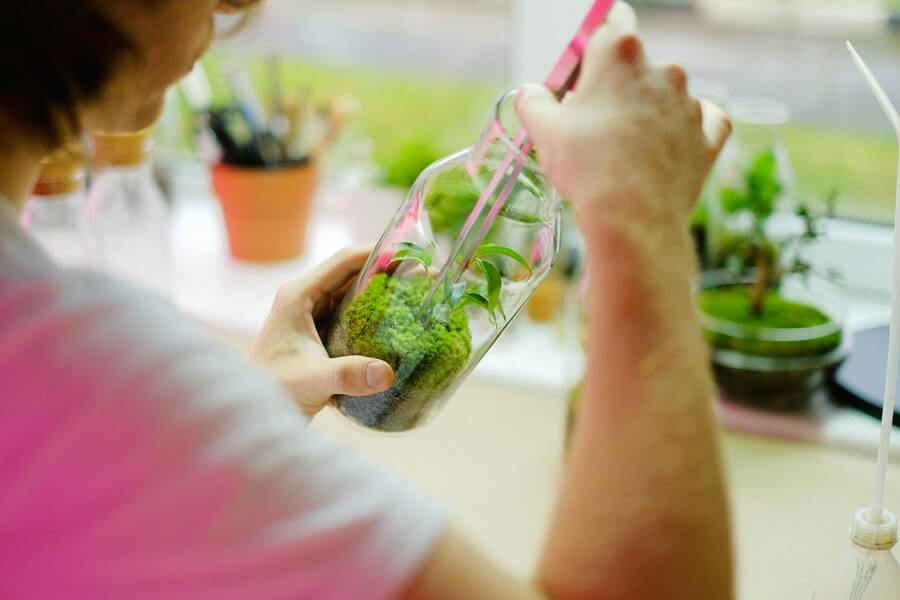 One very important thing to remember, before you begin, is that you need to
clean your container well with hot water and natural soap before you use
it.
The sealed environment within a closed terrarium can be a breeding ground
for micro-organisms, so it is best to create an environment inside which is as
sterile as possible to prevent any problems with bacterial growth or fungal
disease.
Wash your container well. Then it is best to wear gloves or at least make
sure your hands are very clean as you prepare the planting medium and plant up
and create your display.
One very important thing to remember, before you begin, is that you need to
clean your container well with hot water and natural soap before you use
it.
The sealed environment within a closed terrarium can be a breeding ground
for micro-organisms, so it is best to create an environment inside which is as
sterile as possible to prevent any problems with bacterial growth or fungal
disease.
Wash your container well. Then it is best to wear gloves or at least make
sure your hands are very clean as you prepare the planting medium and plant up
and create your display.
2. Prepare a Planting Medium
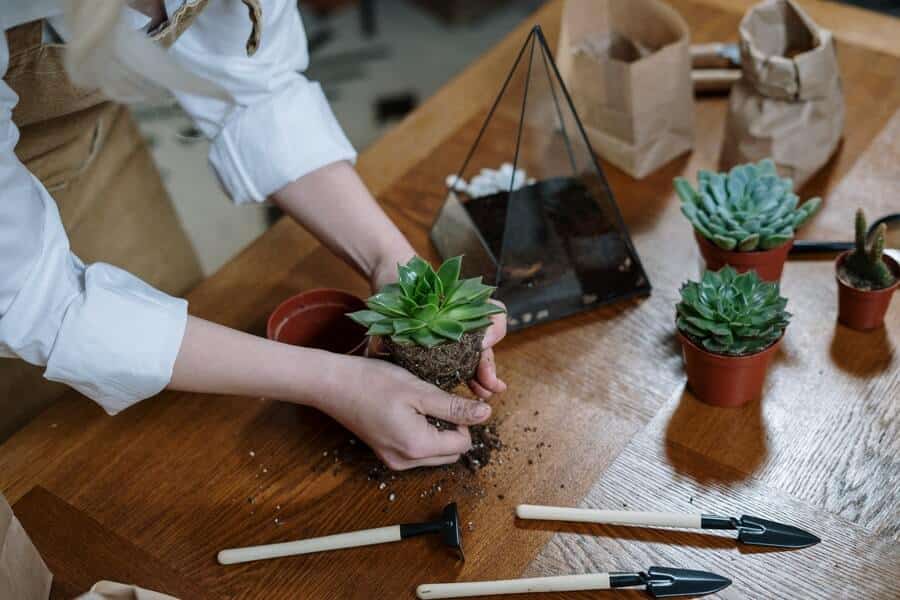 The growing medium that you choose will depend on the type of plant that you
are growing. Unless you are growing air plants, you will usually put some
sterile soilless potting mix in the base of the terrarium. You can purchase a
general purpose peat-free potting mix, or make your own and sterilize it in
your oven before use to avoid the introduction of pathogens to the closed
system.
It is also a good idea to add some charcoal to the medium. This will add
organic matter and will also help to absorb any odours.
To know how much growing medium you will need to add, you will need to have
decided which plants you will place in the closed terrarium. The growing medium
should be deep enough to just accommodate the roots of the plant with the
largest root system that you have chosen.
The growing medium that you choose will depend on the type of plant that you
are growing. Unless you are growing air plants, you will usually put some
sterile soilless potting mix in the base of the terrarium. You can purchase a
general purpose peat-free potting mix, or make your own and sterilize it in
your oven before use to avoid the introduction of pathogens to the closed
system.
It is also a good idea to add some charcoal to the medium. This will add
organic matter and will also help to absorb any odours.
To know how much growing medium you will need to add, you will need to have
decided which plants you will place in the closed terrarium. The growing medium
should be deep enough to just accommodate the roots of the plant with the
largest root system that you have chosen.
3. Choose Plants for Your Closed Terrarium
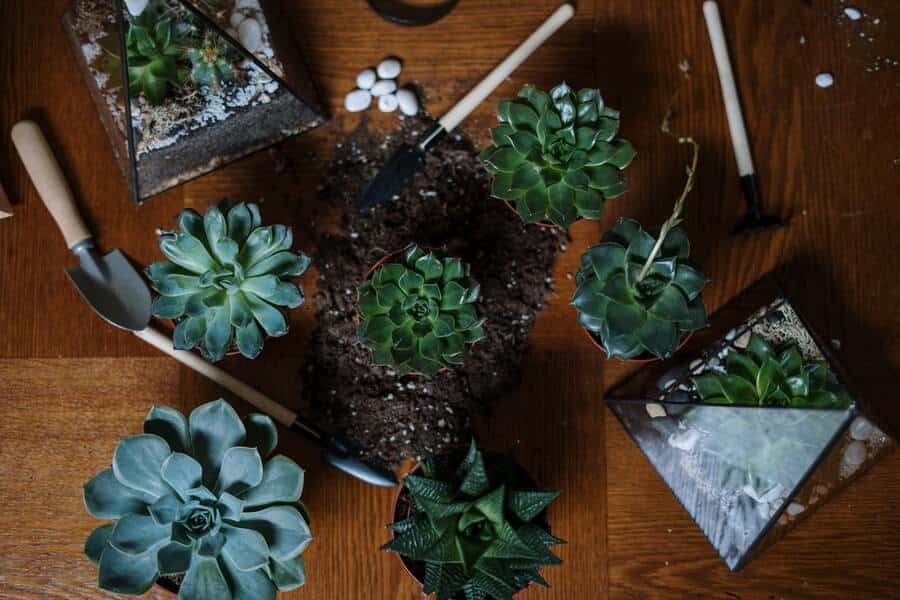 When it comes to choosing your plants for a closed terrarium, it is
important to understand that not all plants will be suitable for growing in
such a location. There are plenty of plants which can be grown as houseplants
which will not thrive in a closed terrarium environment.
Typically, plants that work well in a closed terrarium are those which enjoy
a humid and relatively low-light environment. The most common choices are moist
woodland plants, or tropical forest species. Small and slow growing plants are
usually good choices – naturally dwarf plants can work well. Make sure that any
plants that you choose will fit into your chosen container with plenty of room
to spare.
You may choose to display one single specimen in a closed terrarium, or
group plants to create a display. Your choices will depend on the size of the
container you have chosen. And also on the location available for placement of
the display.
Some great plants you could consider for a closed terrarium are:
When it comes to choosing your plants for a closed terrarium, it is
important to understand that not all plants will be suitable for growing in
such a location. There are plenty of plants which can be grown as houseplants
which will not thrive in a closed terrarium environment.
Typically, plants that work well in a closed terrarium are those which enjoy
a humid and relatively low-light environment. The most common choices are moist
woodland plants, or tropical forest species. Small and slow growing plants are
usually good choices – naturally dwarf plants can work well. Make sure that any
plants that you choose will fit into your chosen container with plenty of room
to spare.
You may choose to display one single specimen in a closed terrarium, or
group plants to create a display. Your choices will depend on the size of the
container you have chosen. And also on the location available for placement of
the display.
Some great plants you could consider for a closed terrarium are:
- Polka dot plant
- Pothos
- Baby tears
- Ferns
- Croton
- Creeping Fig[ii]
4. Place Your Closed Terrarium
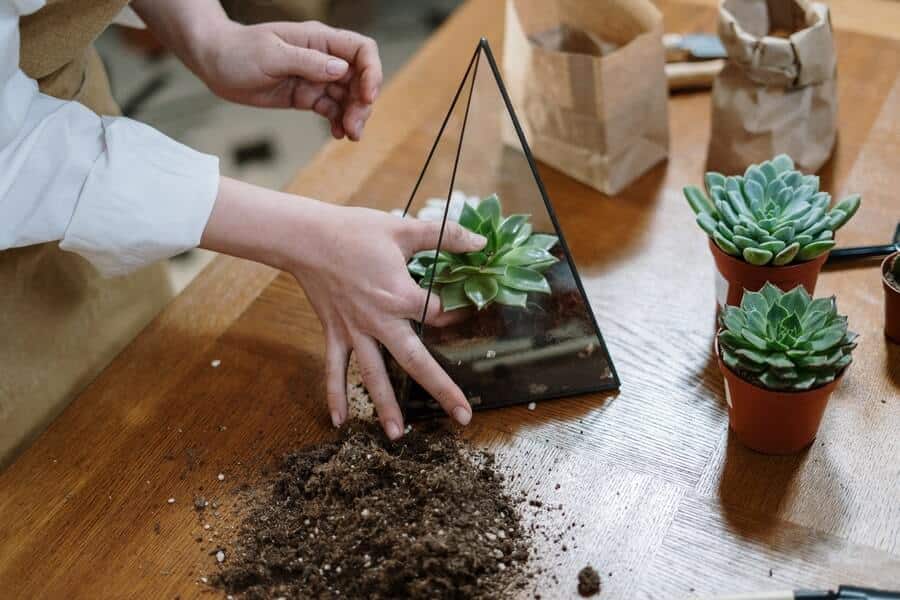 It is important to think about where you will place a closed terrarium when
choosing your plants, since, of course, some plants will require more light
than others. A closed terrarium should never be placed in direct sunlight, as
this can cook your plants. A good spot will usually be in a bright room, or
close to a bright window. But some plants can thrive even in a dimmer
spot.
It is important to think about where you will place a closed terrarium when
choosing your plants, since, of course, some plants will require more light
than others. A closed terrarium should never be placed in direct sunlight, as
this can cook your plants. A good spot will usually be in a bright room, or
close to a bright window. But some plants can thrive even in a dimmer
spot.
5. Plant Up Your Closed Terrarium
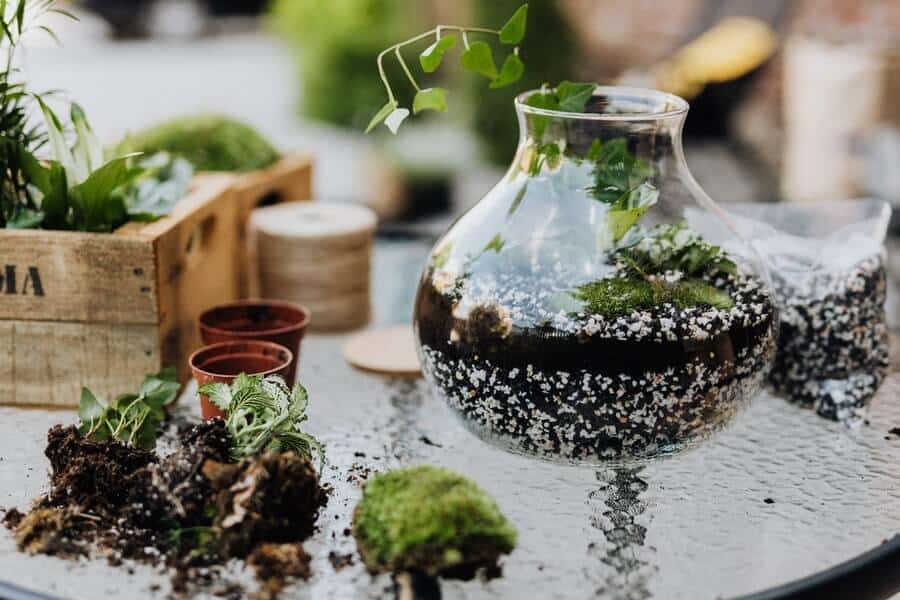 As long as there is access, planting up a closed terrarium can be
accomplished with clean hands alone. But certain tools can make the job a
little easier, especially where the opening is relatively small.
You can buy specialist terrarium tools – but you can often also make your
own, or simply use clean kitchen utensils like wooden spoons, tongs, or
skewers, to create a planting hole, carefully place your plant within it, and
position other features as desired.
Once you have decided on your plants, planting it up and creating your
display is the most interesting part of the job. Creating a design, you should
think about the needs of the specific plants, and group plants with similar
requirements. You can also think about the aesthetics, of course.
It can be interesting to choose, where multiple plants will be placed,
specimens with varying heights, and different foliage colour, form and texture.
This can add variety. Though take care with a small display not to go
overboard, and make things look too busy.
If the terrarium will be viewed only from one side, taller plants will
usually go at the back, with shortest, ground cover plants like moss, for
example, to the front. If you will view it all round, taller plants will often
go in the middle, with shorter ones around the outside. In certain situations,
you may even ‘landscape’ within the terrarium, creating a higher point and
lower areas, or sloping the soil up towards one side, for example.
You can use our imagination and create a display that pleases you.
As long as there is access, planting up a closed terrarium can be
accomplished with clean hands alone. But certain tools can make the job a
little easier, especially where the opening is relatively small.
You can buy specialist terrarium tools – but you can often also make your
own, or simply use clean kitchen utensils like wooden spoons, tongs, or
skewers, to create a planting hole, carefully place your plant within it, and
position other features as desired.
Once you have decided on your plants, planting it up and creating your
display is the most interesting part of the job. Creating a design, you should
think about the needs of the specific plants, and group plants with similar
requirements. You can also think about the aesthetics, of course.
It can be interesting to choose, where multiple plants will be placed,
specimens with varying heights, and different foliage colour, form and texture.
This can add variety. Though take care with a small display not to go
overboard, and make things look too busy.
If the terrarium will be viewed only from one side, taller plants will
usually go at the back, with shortest, ground cover plants like moss, for
example, to the front. If you will view it all round, taller plants will often
go in the middle, with shorter ones around the outside. In certain situations,
you may even ‘landscape’ within the terrarium, creating a higher point and
lower areas, or sloping the soil up towards one side, for example.
You can use our imagination and create a display that pleases you.
6. Add Accessories To Your Closed Terrarium
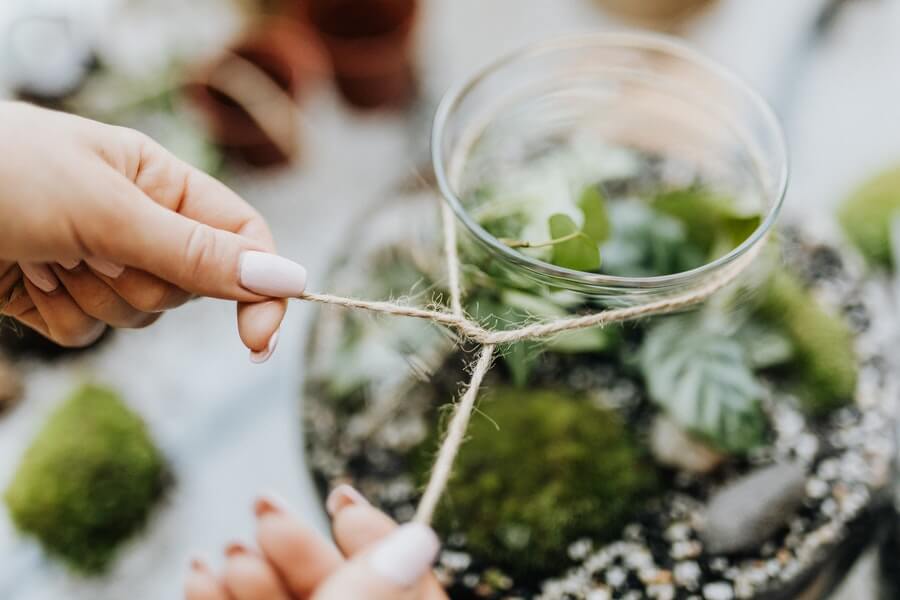 As well as placing plants in a closed terrarium, you might also add other
decorative features, like pebbles or small stones, twigs etc.. Less is often
more and too many can make a display look busy and cramped. But you can use
your own aesthetic judgement.
You can keep things very simple with 1-3 plants, and an attractive twig or a
line of pebbles like a path. Or you can go much further, and turn a closed
terrarium into a little world. You might add fairies, little animals, small
figures, even houses and other buildings to make a miniature landscape.
Give your imagination free reign and you can come up with a range of
enchanting and attractive displays. Just make sure that you thoroughly clean
anything that you place into your terrarium with natural soap and hot water
before you place it into the system.
As well as placing plants in a closed terrarium, you might also add other
decorative features, like pebbles or small stones, twigs etc.. Less is often
more and too many can make a display look busy and cramped. But you can use
your own aesthetic judgement.
You can keep things very simple with 1-3 plants, and an attractive twig or a
line of pebbles like a path. Or you can go much further, and turn a closed
terrarium into a little world. You might add fairies, little animals, small
figures, even houses and other buildings to make a miniature landscape.
Give your imagination free reign and you can come up with a range of
enchanting and attractive displays. Just make sure that you thoroughly clean
anything that you place into your terrarium with natural soap and hot water
before you place it into the system.
7. Maintain Your Closed Terrarium
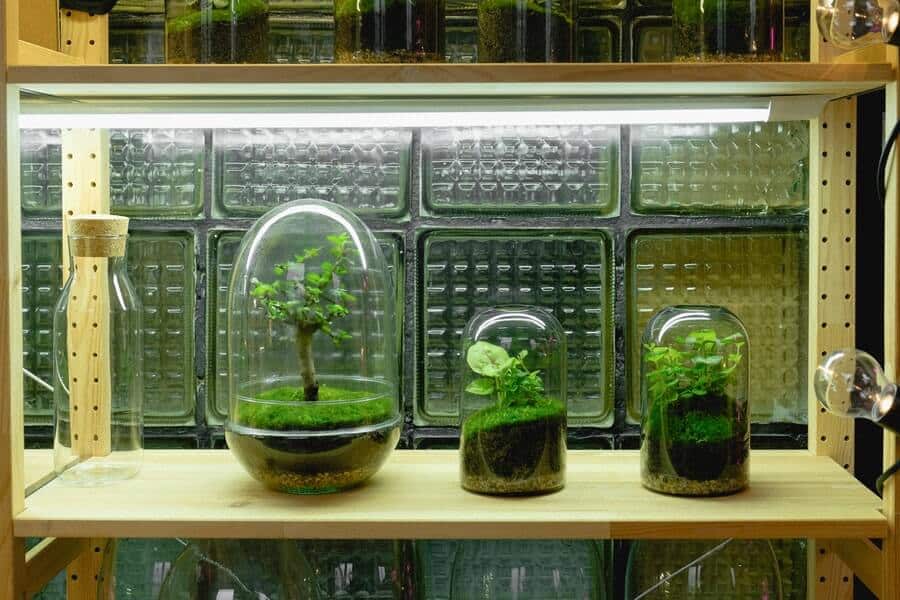 Once you have made your closed terrarium display, looking after it is simple.
If the lid is very tight fitting, it can be a good idea to take off the lid
to let in more carbon dioxide for the plants for 15 minutes once a week or
so.
Misting can sometimes be sufficient to maintain moisture levels and
humidity, though moderate watering may sometimes be required. Water needs can
vary, but usually, you will only have to add water every month to 6 weeks or
so.
Once you have made your closed terrarium display, looking after it is simple.
If the lid is very tight fitting, it can be a good idea to take off the lid
to let in more carbon dioxide for the plants for 15 minutes once a week or
so.
Misting can sometimes be sufficient to maintain moisture levels and
humidity, though moderate watering may sometimes be required. Water needs can
vary, but usually, you will only have to add water every month to 6 weeks or
so.
Learning How To Make A Closed Terrarium
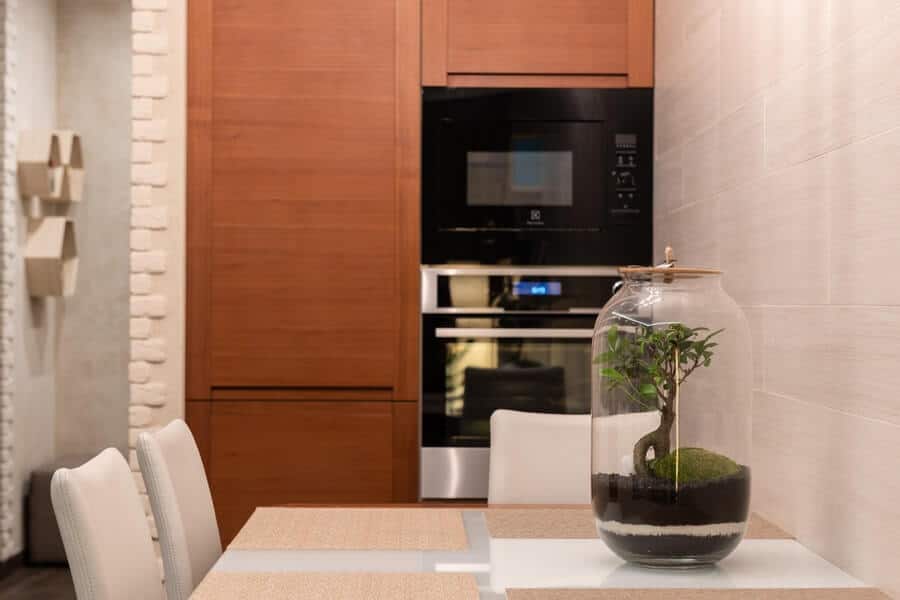 Learning how to make a closed terrarium is a fun project to take on at any
time of the year. If you find yourself itching for something to do during the
emptier winter months, discovering how to make a closed terrarium can fulfil
all your gardening desires. Or, if you’re looking for something fun and easy to
do when it’s too warm in the summer, give it a shot.
Have you made yourself a closed terrarium? Let us know about your own closed
terrarium display below.
Learning how to make a closed terrarium is a fun project to take on at any
time of the year. If you find yourself itching for something to do during the
emptier winter months, discovering how to make a closed terrarium can fulfil
all your gardening desires. Or, if you’re looking for something fun and easy to
do when it’s too warm in the summer, give it a shot.
Have you made yourself a closed terrarium? Let us know about your own closed
terrarium display below.
Sources

About the Author: Elizabeth Waddington
Elizabeth Waddington is a writer and green living consultant living in Scotland. Permaculture and sustainability are at the heart of everything she does, from designing gardens and farms around the world, to inspiring and facilitating positive change for small companies and individuals.
She also works on her own property, where she grows fruit and vegetables, keeps chickens and is working on the eco-renovation of an old stone barn.