

Harvesting beetroot and learning what to do with them once you do is an important thing if you are growing beetroot in your garden. Successful home growing involves not only the sowing and growing itself, but also using, storing and preserving the produce you grow.
Beetroot, or beet as it is known in other parts of the world, is a valuable garden crop. It is versatile and can be used in a wide range of different ways. Classified as Beta vulgaris subsp. vulgaris Conditiva group, this plant is typically grown for its bulbous root, but the leaves and stems (beetroot greens) are also edible.
Making sure you understand the yields obtained from beetroot, and how to use them, is crucial in making the most of your garden and preventing waste in all its forms.
Some people think they do not like beetroot. But their opinion can often change when they try it in a different way, fresh from their own gardens.
When Are Beetroots Ready To Harvest?
The important thing to understand about beetroot is that there are not really hard and fast rules about when it should be harvested. Beet leaves can be picked occasionally here and there at any time. And you can harvest the roots at a small, golf ball size, or wait for them to mature more fully.
Harvesting Beetroot Leaves
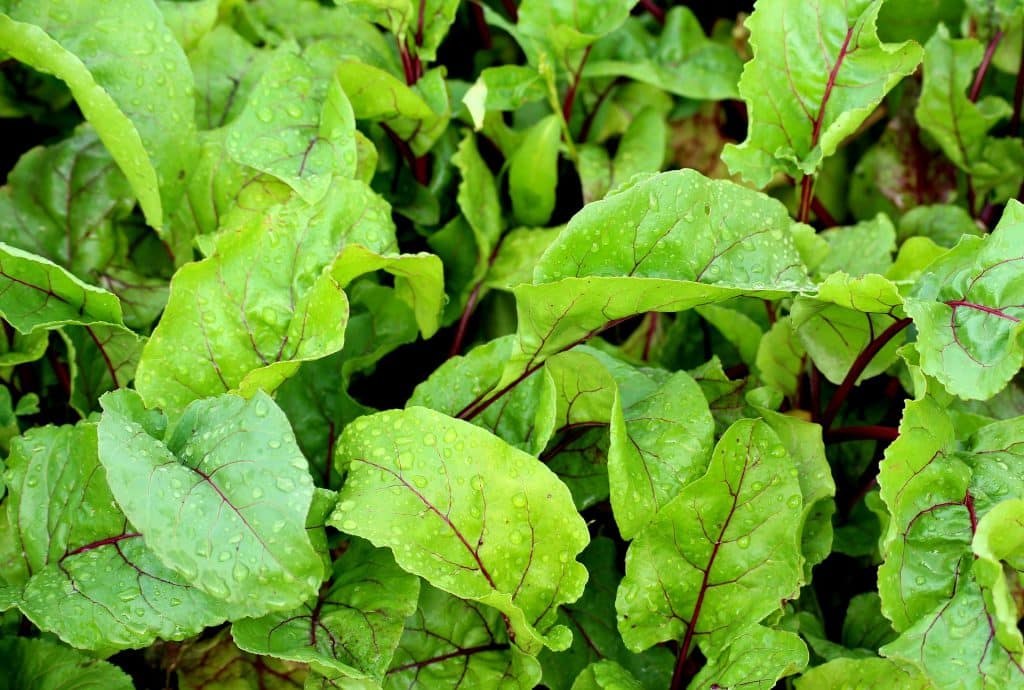
Beetroot leaves are a small secondary yield. Not only can you take and use the leaves when you harvest the plants for the roots. You can also snip off and use the occasional leaf before the roots are ready to harvest.
Of course, the plants need the leaves to provide the energy for the bulbs to grow. But you can take the odd leaf off the plants here and there to use in salads without impacting the plant too much. So this small yield can be the earliest harvest from your crop.
Harvesting Baby Beetroot
You can continue harvesting beetroot over a relatively long period. It is important to understand that the precise time of harvesting will depend on when you sow your crop, and the growing conditions. But it also depends on the yield you would like to obtain.
One important thing to note is that bigger is not always better when it comes to this crop. Beetroot does not have to reach its maximum size before it is harvested and, in fact, the roots can taste better if harvested while they are still tender and quite small.
The first time you harvest beetroots might be while you are thinning plants in the vegetable garden. Removing some of the small bulbous roots will allow the remaining beetroots to grow larger. The baby beetroot that you thin can be eaten. They will not have reached their full potential size wise. But these can, in my opinion, be the best tasting beetroots of all.
Thinned beetroots will typically be around the size of a golf ball, or perhaps even a little smaller. They can, like larger roots, be used in a range of ways, but I think they are especially useful for raw eating.
Harvesting Beetroot at Maturity
The majority of a beetroot crop is typically harvested when the roots approach cricket ball size. If you leave them to expand more than this, they can still sometimes be fine. But there is an increased chance that they will become woody and less palatable. After they are larger than a cricket ball, beetroots often simply don’t taste as good.
Globe shaped beetroots are typically ready to harvest from 8-10 weeks after planting, while cylinder-shaped beetroots can take nearly twice as long.
However, the size of the mature beetroots won’t be too much of a mystery because by the time they reach maturity, you should be able to see quite a lot of the root visible above the soil surface. This will usually allow you to determine fairly easily how big they have grown.
If you do not see the top of the roots clearly, a little careful excavation will allow you to determine how large they are without disturbing the plant. If in doubt, harvesting a little too early is always better than harvesting too late.
As mentioned above, when you can start harvesting beetroot will depend in large part on when you sowed your crop. If you sow successionally, you can potentially harvest beetroots over a much longer period than if you sowed beetroot all at once.
If you did sow in batches, successionally, then you could still have some later sown beetroots in the ground right up until the first frosts and perhaps even beyond.
One key thing to note is that you do not have to harvest your beetroot in a rush before winter arrives. With a little protection from a mini polytunnel, row cover, or cloches, perhaps, later sown beetroot can be left in the soil even once cold weather arrives. Beetroot can even taste sweeter after they have been exposed to a few frosts.
Harvesting Beetroot – the Process
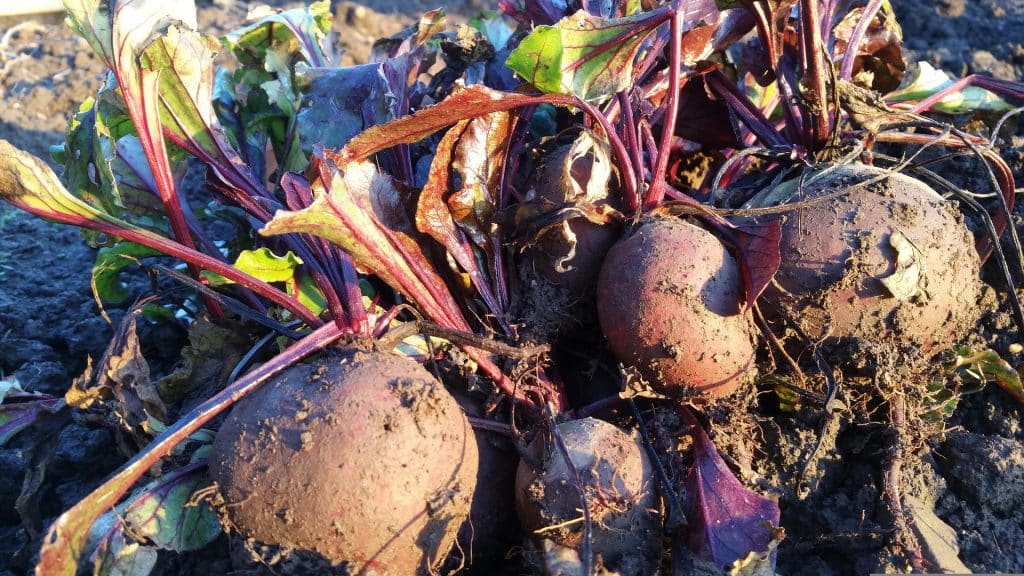
Beetroot are typically very easy to lift and harvest for their roots. Usually, you can simply hold the plant firmly where the leaves meet the root, and lift them from the soil.
However, if you have heavier or slightly compacted soil, you may find it difficult to pull the roots up by hand – especially if you are growing a longer type. So to make lifting the plants easier, water well the day before you plan to harvest.
Then, when harvesting, use a garden fork inserted in the soil close to (but not immediately next to) the plants. Then simply lever the soil and beetroot upwards with the fork. The fork will break up the soil and lift the beetroots up and out of the soil safely.
How To Store Fresh Beetroot
Another important part of the process is learning what to do with beetroot after harvesting. If you plan to use your beetroot right away, then shake off excess soil and then wash them. Once beetroots are washed, and placed whole, with their leaves cut off (and eaten – remember this is another edible yield from the crop), in an air-tight container, they should keep fresh in the fridge for a week or two.
But if you plan on storing your beetroot to use later, then it is best not to wash them at this stage. If you are storing the beetroot in a root cellar or other suitable space, then only wash them immediately before use.
Beets can be stored for winter – typically for 2-3 months – when they are placed in a cool, humid space. Ideally, if you are lucky enough to have a root cellar or cold store pantry, they should be kept there, in layers within a container of damp sand or sawdust. But a similar setup in a garage or another cool room can also work just fine.
Can You Freeze Beetroot?
Beetroot can be frozen for up to 8 months or so. But the freezing will affect their flavour and texture and so this is generally not the best way to preserve them.
Another way to preserve beetroots is to pickle them. If you enjoy eating pickled beets then a jar of these can keep in your fridge for around 6 months.
To preserve beetroots for longer, you can preserve them by canning. Canning with a pressure canner, you can create shelf-stable beetroot that can last for well over a year in properly sealed jars.
What To Do With Beetroot From Your Garden
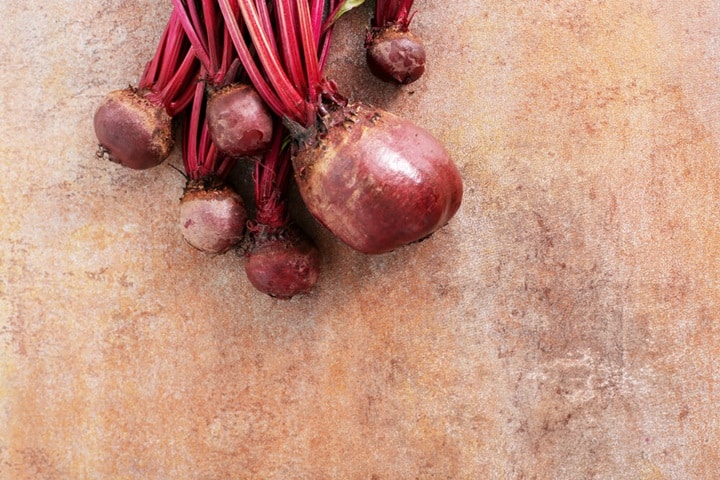
Of course, many of the beetroot that you grow can be used up more quickly. There are far more ways to use this versatile crop than many people imagine. Here are just some ideas to inspire you to find your own favourite recipes and ideas to make use of your beetroot harvest:
Eat Them Raw
My favourite way by far to eat younger beetroots is raw. We love them in salads, and grated to make a slaw, for example.
Blend Into Beet Juice
You can also blend fresh beetroots to make a healthy juice, that can be blended with other fruit and vegetable juices.
Cook Them
Beetroots can also, of course, be cooked in a range of different ways, and used as a side dish, or in a range of recipes. Boiled, they are often used in soups or stews. But perhaps most delicious of all is roasting, which brings out the beetroots sweeter flavours.
Bake Beetroot Crisps
You can also slice beetroot finely and use the slices to make dehydrated beetroot, or beetroot crisps. These are a delicious and healthier alternative to potato crisps. And you can use these alongside other root vegetables, and kale, to make a healthy snack.
Make Beetroot Jam & Other Preserves
You can also preserve cooked beetroot for longer by turning them into a range of jams and other preserves, which can be canned for long-term storage.
These ideas really are just the beginning. But they could be a good place to start when trying to prevent waste and make the most of all the crops that you grow in your garden.
Prior to harvesting beetroot, be on the lookout for these common beet diseases.
FAQs
How do I know if my beetroot is too old to harvest?
If left in the ground too long, beetroot can become tough and woody. An overgrown beetroot often has a rough, hairy surface, and the flavor may be overly earthy. Regularly check your beetroot to avoid over-maturity.
Should I water my beetroot before harvesting?
Yes, watering the bed before harvesting can help loosen the soil, making it easier to pull the beetroot out without damaging the root.
Can I leave beetroot in the ground over winter?
In milder climates, beetroot can often stay in the ground over winter. Mulch heavily with straw or leaves to protect them from freezing temperatures.
Sources
Lofgren, K., (2020) How to Identify, Prevent, and Treat Common Beet Diseases. Gardener’s Path. [online] Available at: https://gardenerspath.com/how-to/disease-and-pests/common-beet-diseases/ [accessed 13/11/2024]