

Stinging nettles are a very familiar plant to many of us. We are very familiar with their nasty sting, and the way in which these weeds seem to sneak their way between plants to catch the unwary gardener.
But most people are less aware of just how useful these weeds can be. Nevertheless, here is how to get rid of stinging nettles naturally.
What are Stinging Nettles?

Stinging nettles are commonly found in underused spaces and neglected corners of gardens. These plants are characterized by their upright stems and leaves which are coated in fine hairs that can deliver a painful sting upon contact with skin.
Types of Stinging Nettles:
- Perennial Stinging Nettles (Urtica dioica): These nettles spread primarily through creeping stems that move across the soil surface, rooting intermittently to sprout new plants.
- Annual Stinging Nettles (Urtica urens): Unlike their perennial counterparts, these nettles rely on a weaker root system and propagate through the dispersal of their seeds, produced abundantly during the summer months.
Benefits of Stinging Nettles:
Despite their reputation as garden nuisances, stinging nettles offer several ecological benefits:
- They serve as a vital food source for the larvae of various butterfly species, such as the Red Admirals, Peacocks, and Tortoiseshells.
- They attract aphids, which in turn lure beneficial insects like ladybirds into the garden.
- Nettle tea, crafted from steeping crushed leaves and stems in water for a few weeks, acts as an effective natural fertilizer high in nitrogen.
For those with ample garden space, it can be beneficial to allow a controlled patch of stinging nettles to thrive in a secluded area, ensuring they do not encroach on other garden sections.
Why Stinging Nettles Are Not Something To Get Rid Of Entirely
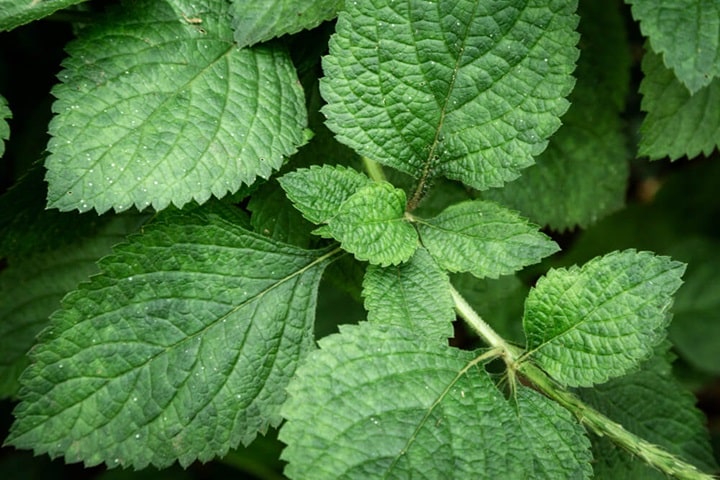
Stinging nettles are actually something to be embraced in your garden. They:
Are a delicious, healthy edible plant. (You can cook and eat nettles in any recipe where you would usually use spinach or other greens.)
You can also use them to make beer.
Or as a rennet substitute in cheese making.
The stings you receive from these plants actually boost your immune system.
They attract and support a range of beneficial wildlife when growing in your garden.
They are environmental indicators – telling us that fertility is good where they grow.
When wilted, they are a good additional food source for chickens and other livestock.
You can use nettles as a source of plant fibre to make yarn and fabric.
They also make a useful natural dye.
Stinging nettles are also great for use in natural cleaning and beauty products. You can use them in soap making, and to make a good natural hair rinse, for example.
- You can also use nettles to make a nitrogen rich liquid plant feed for your crops. And to help speed up decomposition in a composting system.
As you can see from the above, nettles are a surprisingly useful plant. If you have a zero tolerance approach and rip them out whenever they appear, you will be missing out. Your garden will be healthier and stronger if you leave some in place. So do not be too quick to weed out stinging nettles wherever they appear
Of course, nettles are not desirable in all areas of your garden. There are times when they pop up in areas where you do not want them to grow. If left unchecked in annual beds, for example, they can quickly out compete more valued crops. So how do you get rid of stinging nettles when they grow where you do not want them to grow?
How To Get Rid of Stinging Nettles From Garden Beds

Unfortunately, there is no quick fix when it comes to getting rid of stinging nettles from raised garden beds, especially in your polytunnel. Nettles propagate by seed, but also spring up from underground rhizomes. Nettles can regrow from the smallest section of these rhizomes, and the horizontal root systems can spread 5ft or more in a single season. So eradicating them entirely is not only undesirable but also usually an impossibility.
The only way to get rid of stinging nettles from garden beds in an organic garden is to remove them (carefully) by hand. Obviously, you need to wear gloves in order to do so.
Ways on How To Get Rid of Stinging Nettles
To effectively eliminate stinging nettles, consider these straightforward methods, keeping in mind the goal of natural removal:
Minimizing Soil Disturbance: Avoid tilling or digging in areas with established nettles, as this can spread rhizome fragments and prompt new growth.
Trimming Flower Heads: For common stinging nettles, snip off the spent flowers to prevent seed formation. For smaller nettles, it’s simpler to trim them below the flower growth to manage their spread.
Hoeing Seedlings: On warm, dry days, hoeing will expose the roots of nettle seedlings to the air, causing them to dry out and die quickly.
Extracting Young Plants: In loose soil, you can easily pull out young nettle plants. In denser soil, a hand fork might be necessary to fully remove the roots.
Removing Established Plants: For mature nettles, use a border fork to remove as much of the root system as possible. Although this requires more effort, it effectively curtails the spread of the nettles by targeting the shallow roots.
Frequent Cutting: Control larger areas of nettles by regularly cutting them back with a strimmer, brushcutter, or mower. Repeatedly cutting new growth weakens and eventually kills the nettles, often over several growing seasons.
Smothering Technique: After cutting back the nettles, cover the area with a biodegradable mulch mat or layers of cardboard and organic material like bark or wood chips. This blocks sunlight, suppressing growth and leading to root decay. Maintain this cover for a few years, refreshing the mulch as needed, for best results.
Distinguishing Stinging Nettles from Deadnettles (Lamium):
It’s important not to confuse stinging nettles with deadnettles, which also have serrated leaves but are smooth to the touch and do not sting. Deadnettles form low, spreading mounds and display colorful flowers in shades of white, pink, or red during the summer months.
Nettles in garden beds can be an annoying issue. But by rethinking your attitude to these plants, you won’t mind the work as much. And you will begin to see them as a boon rather than an irritation in your garden. Keep some nettles around and your garden won’t suffer. In fact, the ecosystem will be all the richer for including this useful and versatile plant.
Further reading:
Want to learn more how to keep pests away from your garden? Try these guides:
FAQs
Can boiling water help in getting rid of stinging nettles?
Pouring boiling water over the nettles can effectively kill them, especially smaller patches. This method immediately destroys the plant’s structure, but be cautious as it may also harm beneficial plants nearby.
Are there any natural herbicides effective against stinging nettles?
Vinegar can act as a natural herbicide. Spraying a mixture of white vinegar and water directly onto nettles on a sunny day will help kill them. Adjust the concentration based on the resilience of the nettles, but typically a 50/50 mix is effective.
How can salt be used to remove stinging nettles?
Salt, when applied directly to the roots of nettles, dehydrates the plants and prevents them from growing. However, use this method sparingly, as salt can greatly increase soil salinity and hinder the growth of other plants.
Sources
Wilson, N., (2024) Complete guide to dead nettles. Gardener’s World. [online] Available at:
https://www.gardenersworld.com/plants/dead-nettles/ [accessed 19/11/2024]