

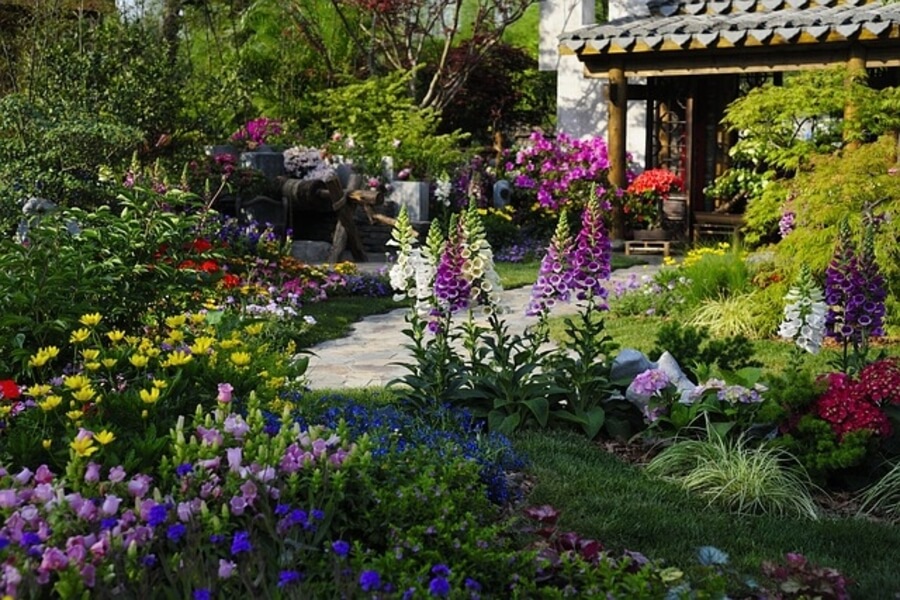
If you would like to grow food in your garden, there are a range of different approaches that you could take. Deciding which type of garden is the right option involves looking at your site, and at your own goals and personal preferences.
When I write the phrase ‘type of garden’, I am not talking about style, or aesthetic preferences. In this article, I am talking more about the specifics of design, which will inform how you will tend your garden and what you are likely to grow.
Key Garden Types To Consider
I find that it can be helpful to divide our outdoor spaces into three key garden types:
- Predominantly perennial gardens (Such as forest gardens and perennial edible polycultures.)
- Annual gardens (With annual crop production in raised beds or in the ground.)
- Container gardens (Including options which involve growing food vertically, and options which involve growing in hydroponic or aquaponic systems, in water rather than soil.)
Of course, you do not need to choose only one of these garden types. Indeed, you might combine two or more of these design styles in your garden. But thinking carefully about which garden types will work best for you and for where you live can help you make sure that you make the right choices right from the outset when creating or improving a garden.
Things To Think About When Deciding What Garden Types To Create
Before deciding on the best garden types for your outdoor space, be sure to think about:
- Your climate and local microclimate conditions.
- Soil type and conditions (this will often determine whether or not it will be the best option to grow in the ground).
- The number of natural resources already at your disposal. (To create gardens and maintain fertility over time.)
- How much space is available.
- And other restricting factors on your site – (a lack of water, for example).
- How much time you have to tend your garden. (Forest garden systems, for example, may take a little more work up front, but require far less of your time once established.)
- Which types of plants you want to grow. (Consider what you want to eat, and other yields you require and desire.)
Knowing these features of your outdoor space will help you determine which garden types will work best for you. After all, you don’t want to spend your money on a beautiful selection of plants only to find that they’re not suitable for your garden soil, do you?!
The Pros and Cons of Each Different Garden Types
Once you have considered your situation and personal preferences carefully, it can be helpful to think about the pros and cons of these garden types, to decide which option or options you will go with in your space.
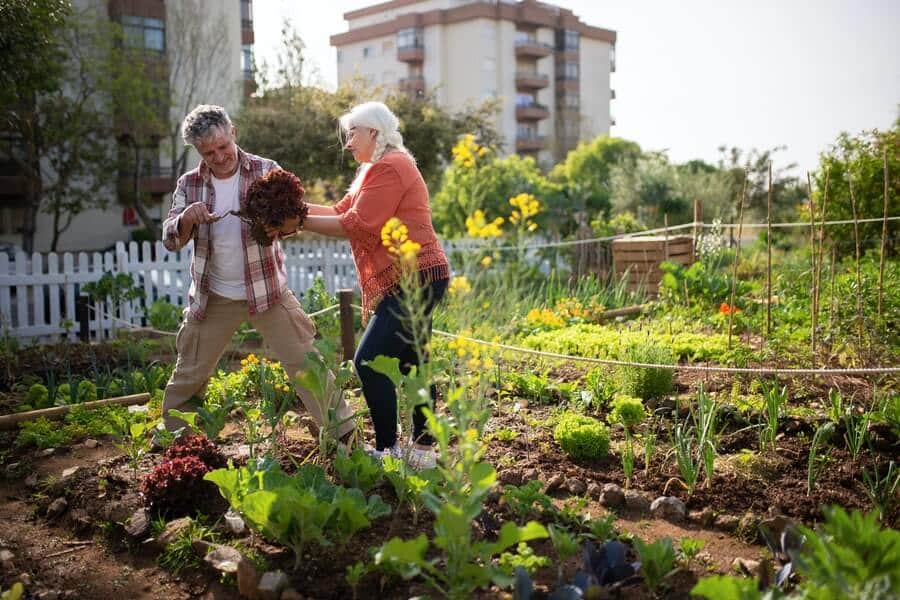
The Pros of Forest Gardening and Perennial Food Production
- Including plenty of fruit trees, shrubs, and herbaceous perennials in your garden means higher rates of carbon sequestration, to help mitigate global warming.
- Planting perennials can safeguard and improve the soil in your garden over time.
- Perennial plants can improve privacy, create shade, serve as wind-breaks and improve amenity for people in many ways.
- And such schemes can be fantastic for local wildlife, bringing rich biodiversity to your garden.
- Forest gardens and other perennial schemes can provide high and varied yields over a long period.
- Once established, perennial plantings often require a lot less care and attention than a type of garden for annual food production.
The Cons of Forest Gardening and Perennial Food Production
- Forest gardens and perennial schemes can take a little more time and effort to set up in the first place (even though they are typically lower maintenance long-term.
- It may take some time for a scheme to become established, and for food production to gradually increase over time.
- The types of food which can be harvested from a forest garden or perennial scheme (aside from typical fruits) are not always as familiar to us as typical annual crops. Gardening in this way, you may need to alter what you eat to a degree.
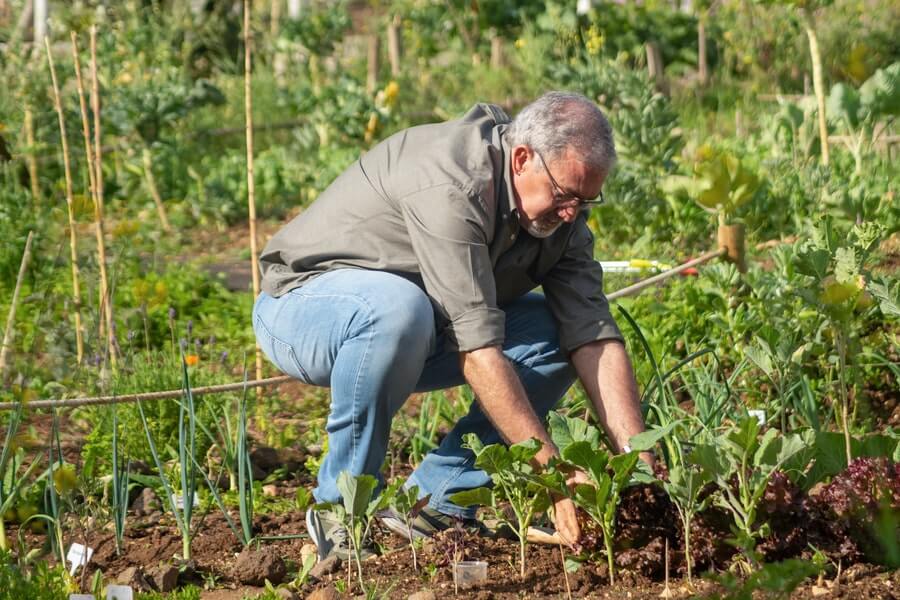
The Pros of Annual Raised Bed or in Ground Growing
- Annual production allows you to grow a wide range of familiar food crops – annual fruits, vegetables and herbs. (Things likely already in your diet.)
- There are many versatile growing solutions for a range of different gardens. (I recommend taking a polyculture, no dig approach and considering a polytunnel or other undercover structure for year-round growing.)
- Taking a polyculture approach means your garden can still be biodiverse and resilient.
- Adopting a no dig approach safeguards and improves the soil.
- With an undercover area or protection, you can grow annual crops to harvest all year round.
The Cons of Annual Raised Bed or in Ground Growing
- Seeds usually have to be sown anew each year.
- Annual crops need a lot more ongoing care and attention.
- You will need to take steps (like mulching, using organic liquid feeds, companion planting and crop rotation) to make sure you maintain fertility in your garden over time.
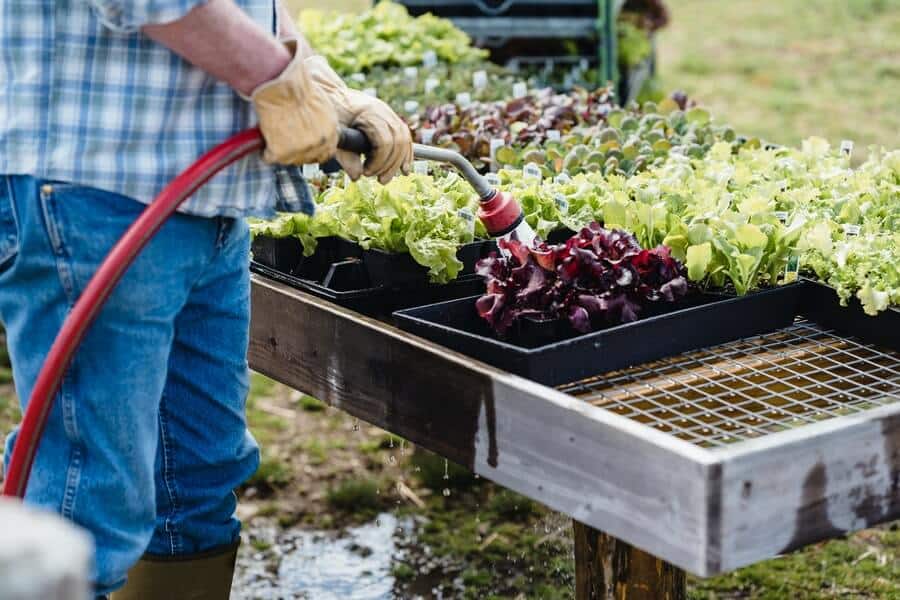
The Pros of Container Gardening
- Container gardening can be done in even the smallest of spaces – even indoors.
- This is an option even for those without a garden, those living in rented accommodation, or with a nomadic lifestyle.
- Containers can be used to grow a huge range of plants – both annual and perennial.
- Growing hydroponically or aquaponically in containers can significantly reduce water use.
- Water cultivation can also provide remarkably high yields from small spaces.
The Cons of Container Gardening
- Container gardens typically require more ongoing care and attention than any other type of garden. (Water needs, fertility etc. have to be carefully monitored.)
- Except in hydroponic or aquaponic systems, container gardens typically have higher water needs, since plants in pots need to be watered more frequently than those in the ground.
- While container growing can allow you to grow a wide range of plants, there are limits to the yields achievable when container growing in small spaces.
The above is just an overview of the pros and cons of each type of garden. But perhaps the notes above will help you determine the best plans for your space.