

Smart gardening technology is revolutionizing how we grow plants, especially in controlled environments like polytunnels. With the advent of technology, gardeners can now monitor their gardens more efficiently, optimize their resources, and increase the yield and health of their plants.
Whether you’re new to gardening or looking to improve an existing setup, smart gardening offers numerous tools and techniques to help make the process more manageable, sustainable, and productive.
This guide will cover everything you need to know about incorporating smart gardening technology into your polytunnel.
What is Smart Gardening?

Smart gardening is the use of technology to manage, monitor, and optimize the growing process of plants. It includes a variety of tools that help gardeners automate or streamline tasks such as watering, lighting, temperature regulation, and plant care. These tools often rely on sensors, artificial intelligence, and internet connectivity to provide real-time data and actionable insights, enabling gardeners to make informed decisions.
In the context of polytunnels, smart gardening technology offers significant benefits. Polytunnels, with their controlled environments, provide the perfect setting for integrating technology. From monitoring soil conditions to regulating temperature and humidity, smart gardening can help gardeners achieve the ideal growing conditions with minimal effort.
Smart Gardening Guide
Getting started with smart gardening in your polytunnel can be an exciting venture. The first step is understanding the types of technologies available and how they can be integrated into your gardening practices. These tools can range from basic timers for irrigation systems to complex sensors that track soil moisture, temperature, and light levels.
What Can Technology Do in a Garden?
Technology can dramatically enhance the way we approach gardening by providing tools that help monitor and control essential environmental factors.
For example, temperature and humidity sensors can track the conditions in a polytunnel, ensuring that they remain optimal for plant growth. Automated watering systems can be triggered based on soil moisture levels, reducing water waste and ensuring plants get the right amount of hydration.
Other smart tools include cameras and sensors that monitor plant health, detecting early signs of disease or pest damage. Some smart gardening systems even use artificial intelligence (AI) to analyse plant growth patterns and suggest improvements for care. The possibilities are endless, allowing gardeners to work smarter, not harder.
Choosing Where to Incorporate Garden Technology
When selecting smart gardening tools, consider your specific goals. Are you looking to save time? Improve plant health? Increase your yield? Identify which tasks in your gardening routine would benefit from automation or monitoring.
For example, if you struggle with maintaining consistent soil moisture, automated watering systems with soil moisture sensors may be a good place to start. If temperature control in your polytunnel is an issue, smart thermostats and ventilation systems can help.
Smart gardening technologies vary widely in price, from affordable soil moisture sensors to more advanced setups that can control entire environments. It’s important to balance your budget with the needs of your garden. Fortunately, many devices offer scalable solutions that can be expanded over time as your garden grows.
Successfully Integrating Smart Garden Technology
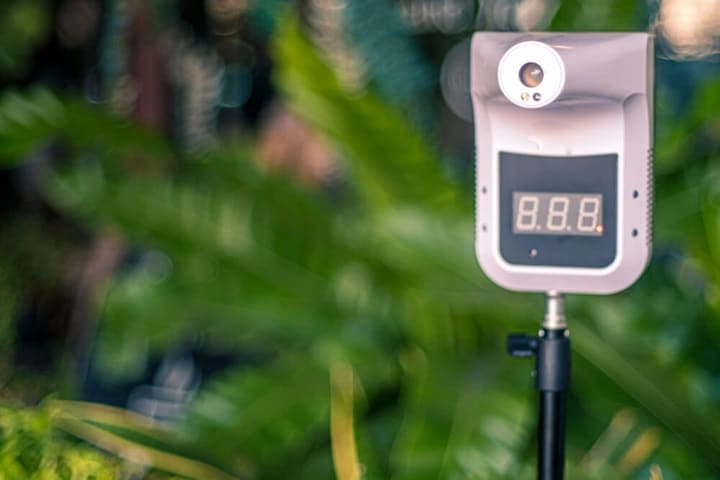
Integrating smart technology into your garden or polytunnel involves more than just installing sensors and automated systems. To successfully incorporate these technologies, it is crucial to have a basic understanding of how each device works and what it is designed to achieve.
Consider the following steps:
1. Start Small
If you’re new to smart gardening, start with a few devices that address the most immediate needs in your garden. For instance, a soil moisture sensor paired with an automated irrigation system can be a great starting point for managing water more efficiently. Once you feel comfortable, you can gradually add more technology, such as temperature and humidity sensors, or even AI-powered plant health monitoring systems.
2. Set Up a Central Control System
Many smart gardening tools can be connected to a central hub or smartphone app. This allows you to monitor and control everything from one device, making it easier to track your garden’s progress. Consider investing in a smart garden system that integrates multiple devices into a single interface, making it easier to adjust settings and get real-time feedback on the status of your garden.
3. Regularly Monitor Data
While smart devices do much of the heavy lifting, it is important to keep an eye on the data they provide. Check the readings from your soil moisture sensors, temperature controllers, and plant health monitors regularly to ensure that the systems are working as expected. Additionally, monitor the feedback from your plants—are they thriving under the conditions set by your technology?
4. Be Ready to Adapt
Technology can sometimes behave unpredictably. If a sensor gives an unexpected reading, or if an automated system isn’t responding as planned, don’t panic. Experiment with different settings and configurations to see what works best for your plants. Adaptation is a part of the process, and over time, you will learn how to fine-tune your systems to create the perfect environment for your plants.
Technology is not something to be used randomly but rather something to use as a tool in specific applications. It should not be added everywhere for its own sake, but rather carefully integrated to work alongside you, as the gardener, and alongside natural systems in places where is it truly of use.
How to Make a Smart Garden
Creating a smart garden involves more than just adding a few gadgets. It’s about integrating various technologies to make your gardening experience more efficient and productive in holistic and sustainable ways. To start, consider the following:
- Create a holistic, big-picture plan for your garden rather than getting bogged down in details.
- Consider how you use the space and interact with your garden, and how technology might make your life better/ easier.
- Decide whether you would like to make systems yourself or purchase a ready-made solution for specific applications.
- Think about how smart technologies can help you in your efforts to create a sustainable, climate friendly garden alongside other strategies.
Smart Data Collection and Monitoring for Gardeners
One of the primary benefits of smart gardening is the ability to collect and analyse data in real-time. With smart sensors placed in the garden, you can monitor factors such as soil moisture, light levels, temperature, and humidity throughout the day.
This information helps you understand the precise needs of your plants and respond proactively. For example, if soil moisture levels drop unexpectedly, you can quickly activate irrigation, ensuring that your plants remain healthy and hydrated.
In addition, data analysis can help optimize growing conditions by identifying patterns that may not be immediately obvious to the naked eye. With consistent monitoring, you can adjust your gardening practices for maximum efficiency.
Types of Sensor in a Smart Garden
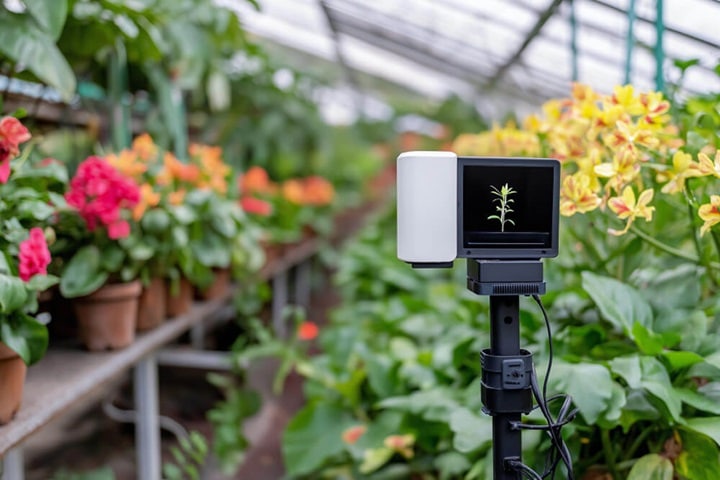
In a smart garden, sensors play a crucial role in monitoring environmental conditions, helping to optimize the care and growth of plants. These sensors provide real-time data, which allows gardeners to make informed decisions about watering, temperature, humidity, and light. Below are some of the main types of sensors commonly used in smart gardens:
1. Soil Moisture Sensors
Soil moisture sensors are essential for monitoring the water content in the soil.
2. Temperature Sensors
Temperature sensors are used to monitor both air and soil temperature in the garden or polytunnel.
3. Humidity Sensors
Humidity sensors measure the amount of moisture in the air. T
4. Light Sensors
Light sensors monitor the amount of light available in the garden or polytunnel.
5. pH Sensors
Soil pH sensors measure the acidity or alkalinity of the soil, which can greatly impact plant health and nutrient absorption.
6. CO2 Sensors
Carbon dioxide (CO2) sensors monitor the level of CO2 in the air. CO2 is crucial for photosynthesis, and plants absorb it from the atmosphere.
7. Nutrient Sensors
These sensors monitor the levels of essential nutrients like nitrogen, phosphorus, and potassium in the soil.
8. Rainfall Sensors
Rainfall sensors measure the amount of precipitation in the garden.
9. Wind Sensors
Wind sensors detect the speed and direction of the wind, which can be particularly useful for outdoor gardens.
10. Motion Sensors
Motion sensors are typically used to monitor the presence of pests or animals in the garden. They can detect movement near plants or in specific areas of the garden.
Smart Water Management and Irrigation Systems
Water management is one of the most crucial aspects of gardening, especially in a polytunnel, where moisture levels can fluctuate rapidly.
Smart water management systems can automate irrigation based on real-time data from soil moisture sensors, weather forecasts, and even plant types. These systems ensure that your plants receive the right amount of water without overwatering or under-watering.
For instance, a smart irrigation system may trigger watering when the soil moisture drops below a pre-set threshold, using weather data to ensure that you don’t water outdoors during rainy periods. This prevents water wastage and ensures that plants are properly hydrated at all times.
You can also set up drip irrigation or soaker hoses to deliver water directly to plant roots, reducing evaporation and create an automated watering system.
Smart Polytunnel Ventilation, Heating, etc..
Maintaining a stable environment within a polytunnel is essential for plant health. Extreme temperature fluctuations can stress plants and reduce yield. Smart systems allow you to regulate temperature, humidity, and ventilation efficiently.
For example, a smart thermostat can be installed to regulate the temperature inside your polytunnel, activating fans or heaters when necessary.
Similarly, humidity sensors can trigger automatic ventilation or dehumidifiers to maintain the perfect balance for your plants.
These systems work seamlessly together, ensuring that the environment remains stable, even during extreme weather conditions.
Smart Polytunnel Garden Lighting
In the UK, especially during the winter months, there can be limited natural light, which can affect plant growth. Smart lighting systems mimic natural light cycles, ensuring that plants receive adequate light for photosynthesis.
These systems are equipped with timers and sensors that adjust the intensity and duration of light exposure based on the time of day or the specific needs of the plants.
For instance, a smart grow light system can be set to provide light during the evening or cloudy days, while adjusting its brightness to simulate natural daylight. This ensures that plants get the right amount of light for healthy growth, even when natural sunlight is insufficient.
Smart Plant Tags and Plant Information
Smart plant tags are an emerging technology that provides real-time information about your plants. These tags can be linked to a smartphone app, which allows you to track the health and progress of individual plants. The tags often contain sensors that measure environmental conditions such as temperature, moisture, and light, offering valuable insights that help you care for your plants more effectively.
In addition, many smart plant tags come with pre-programmed care instructions specific to the plant species. These instructions can be easily accessed through the app, helping you stay informed about watering, fertilizing, and other care needs. With this technology, you can keep track of plant health without the need for constant monitoring.
Further reading:
Expand your smart garden technology further with these articles:
FAQs
What kind of technologies are commonly used in smart gardens?
Common technologies include soil moisture sensors, temperature and humidity sensors, automated irrigation systems, smart lighting, and AI-driven plant health monitoring tools.
Can smart gardening help with pest management?
Yes, smart gardening can help with pest management through early detection. Cameras and sensors can identify pests or disease early, allowing for quicker intervention before damage spreads.
How does smart gardening impact plant health?
Smart gardening tools help optimize environmental factors such as light, moisture, and temperature, which improves plant health. Real-time data allows for quicker responses to changes in conditions, ensuring plants are always growing in ideal environments.
Sources
Wildlife Trust. (2021) Climate friendly gardening. [online] Available at: https://www.wildlifetrusts.org/actions/climate-friendly-gardening [accessed 17/12/2024]