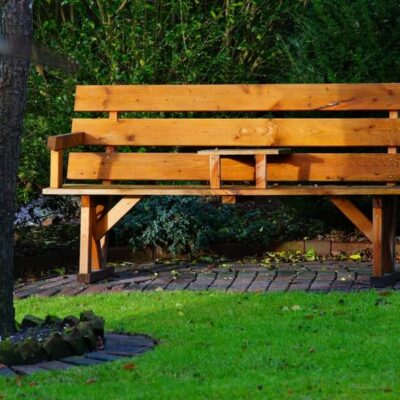
There are many considerations in garden design, and considering how a space makes us feel is one important thing. And, if you’re looking for an oasis of relaxation for a garden, why not create a wellbeing garden? A wellbeing garden is the perfect place to boost mental health to help us stay well and happy.
Over the last couple of years, many of us have appreciated our gardens and outside spaces more than ever before. The importance of gardens for good mental health and well-being has really come to the fore. Spending time in gardens can help us regulate our moods, stay calm and relaxed, and find balance in our lives.
But not all gardens are quite so effective in these goals. Thinking about how we can bring in the right elements, and thinking holistically about the space can help us to achieve the best results. So here are some things you should be thinking about when planning and creating a wellbeing garden:
What Is A Wellbeing Garden?
First things first, what is a wellbeing garden? Well, a wellbeing garden is exactly what it sounds like – a garden catered completely for boosting your wellbeing and mental health. Of course, this gives you quite a bit of creative control. To craft the perfect wellbeing garden, you should consider what makes you happy and how you can incorporate these elements into your garden. Whether this is flowerbeds overrun with flowers of all colours and scents or an area dedicated to relaxing outdoors, you should make your wellbeing garden all yours!
Here’s how to make a successful wellbeing garden:
Create Natural Spaces For A Successful Wellbeing Garden
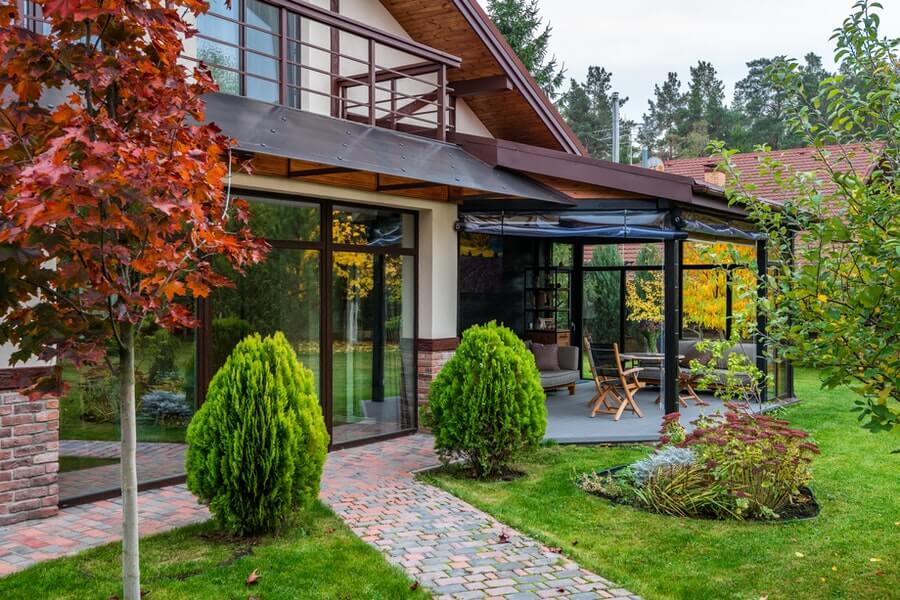
Spending time in green, lush, natural environments is great for our mental health. Activities like nature bathing or forest bathing show that when we are surrounded by nature, this has a therapeutic effect.
Minimalist gardens may not always feel much like a forest, meadow or other natural ecosystem. But when we create abundant ecosystems with plenty of plants, we can mimic natural spaces even in much more managed and urban environments.
Create A Sense of Privacy and Calm For Your Wellbeing
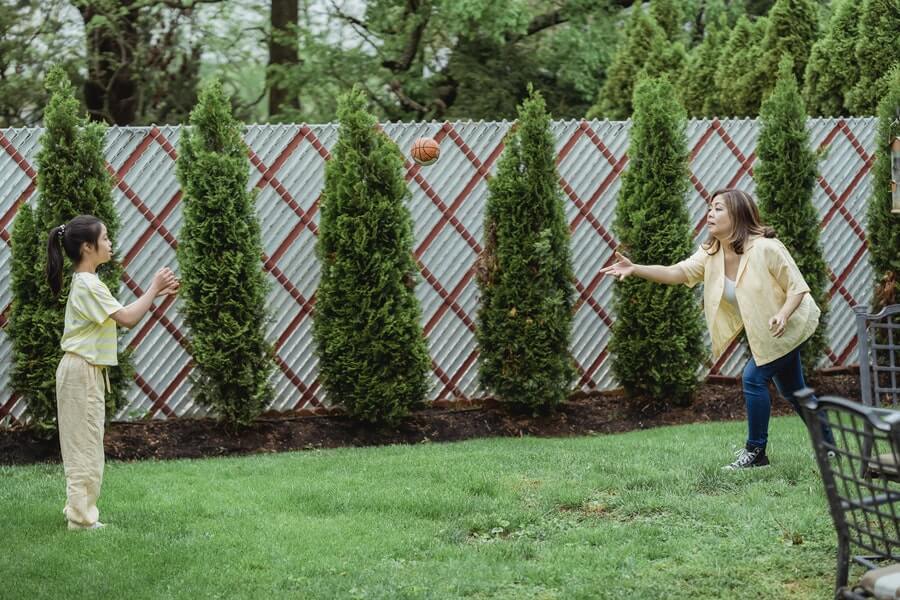
A garden can feel like a haven – a sanctuary. But to create that sense of peace and calm, it is important to think about privacy when designing a space. In an overlooked garden, careful planting positioned in the right ways can help you feel less observed, and more relaxed in a space.
Dense, layered planting can help to create a sense of enclosure – keeping the outside world at bay. So that no matter what else is going on in your area, or in your wider life, you can always find peace when spending time in your wellbeing garden.
Create A Wellbeing Garden With A Sense of Connection

While we all need some time alone, a sense of connection is key to good mental health. We need to feel connected to other people.
While a wellbeing garden should be a space where you can escape from everything and everyone when you wish to do so, it should also be a space where you can connect with family, friends, or others in your community.
Designing a garden with sociable spaces for entertaining and fun, as well as with spaces for quiet contemplation, can help you find balance through the time that you spend there. An outdoors seating or dining area, perhaps even an outdoors kitchen or bar – can be integrated into a design to provide you with ideal outdoors living spaces.
But finding a sense of connection is not just about your connection to other people. It is also about finding a closer connection to the natural world. Abundant planting schemes which mimic natural systems can bring in wildlife to your garden. And this can help you find a connection to the other life with whom you share your space.
Make Spaces Both Useful and Beautiful In A Wellbeing Garden

Of course, a wellbeing garden can be more than just a space to enjoy in your relaxation time. Gardens can provide for many of our basic needs.
By adding features like vegetable beds, composting systems, rainwater harvesting systems, polytunnels etc. we can create spaces where we can grow our own food, and become more self-reliant and resilient in a range of ways.
Growing your own can be great for your mental health and well-being. Not only will it give you the opportunity to feel closer to the natural world and gain a sense of connection. It will also give you an immense sense of satisfaction, as you begin to see the fruits of your labours.
Growing your own will also give you a sense of heightened security – as you take responsibility for more of your own needs into your own hands.
Everything in your garden, as in your home, should be useful or beautiful – ideally both. Balancing needs and aesthetics can help you create a wonderful garden which will help you stay healthy in body and mind.
Use Your Wellbeing Garden To Engage All the Senses
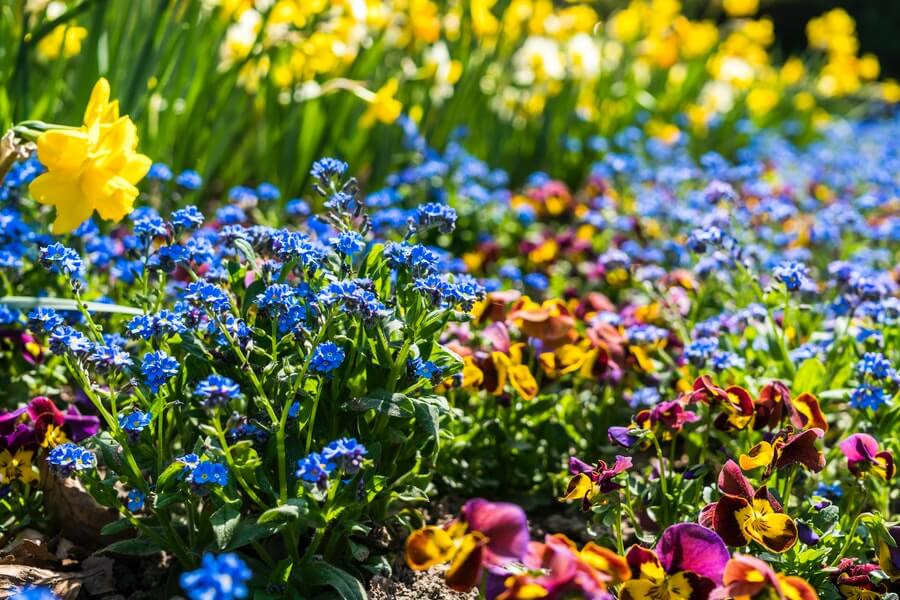
Aesthetics are not just about how your garden looks. The mood induced by a garden can also depend on engaging the other senses. So as well as thinking about how your garden appears visually, you should also consider how it sounds, smells, feels – even tastes.
A sensory garden which engages all the senses can help you practice mindfulness, and be truly present in the moment. Listening to the sounds of the wind in the trees, birdsong, and perhaps the relaxing sound of water, can help you to stay calm.
It is a great idea to incorporate water in a garden. Water features and ponds can draw in and aid the wildlife around you. And can create a restful feeling space as well as serving practical functions.
Fragrant flowers and aromatic herbs which fill the air with scent, as well as delighting us with their beautiful blooms can evoke memories, and calm or energise us.
And, of course, all the food that we grow can give our mood a boost, through tickling out taste buds, as well as making it easier for us to eat in a healthy, organic, sustainable way.
So to design a garden for mental health and well-being:
- Mimic nature, considering naturalistic layout and native planting.
- Add dense, layered planting for a sense of quiet and calm.
- Create spaces which allow connection to other people, wildlife and the natural world.
- Add elements for multi-function, to create a useful and beautiful garden.
- Through elements and planting, make sure all the senses are engaged.
These are just a few tips to help you design a garden that will work for you, and give you a sense of equilibrium and security in a frenetic and often challenging world.