
Establishing the priority garden maintenance jobs for spring in any garden can be important.
Even in low maintenance gardens there can be a lot to do throughout the year. But spring can be a particularly busy time.

Of course, what precisely you will have to do in a garden and when exactly you have to do it will depend on precisely where you live, and on what you grow. But here are 12 key spring garden maintenance jobs that you might be thinking about in spring to help you get your thoughts and your to do list in order.

PVFT118

Spring Clean Your Garden

Spring is a busy time in any garden, but it is important as you start getting excited about the start of the growing season, not to neglect the basics.

After the winter, many things in a garden might need a little bit of a spruce up and a tidy, and as the weather begins to warm in the early spring, this is a good time to get on with a lot of those simply cleaning jobs.

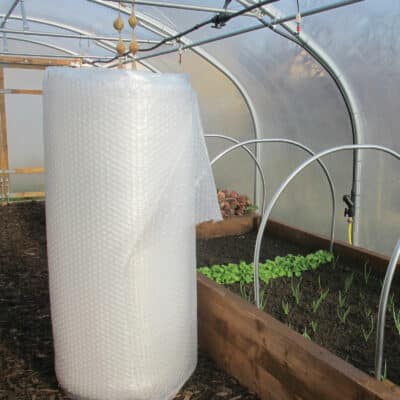
Give your polytunnel and any greenhouses a clean, check out and check over any tools that you will soon be using but did not use much if at all during the coldest part of the year.

Look at any containers that you soon plan to use and make sure that you clean these before reusing to prevent the spread of any potential pathogens, pests or plant diseases.

Getting these simple maintenance and cleaning jobs out of the way in early spring will mean that you have the time for other things once spring is in full swing.

Sow Suitable Seeds

Of course, when you think about spring jobs in the garden, it is predominantly seed sowing that is likely to spring to mind.

Numerous fruits and vegetables will be sown in spring. Often, we will sow the seeds indoors before transplanting them a little later in the season into their final growing positions, either outside in our gardens or (a little earlier) in a First Tunnels polytunnel, under cover.

Naturally, spring is also the time to sow a range of other seeds – for ornamental plants as well as for those we eat. This is a great time to think about sowing the seeds for many annual flowering plants, as well as a range of perennials.

Many will be sown indoors or undercover but some, like wildflower mixes for a wildlife friendly garden for example, can be direct sown where they are to flower in spring.

IMG 7822

Plant Summer Bulbs

As well as sowing a huge range of seeds, spring is also the time to consider planting certain summer bulbs. While many gardeners, even novices, will grow plenty of spring-flowering bulbs, fewer, perhaps, think about continuing their season of flowering bulbs and planting bulbs of species that bloom later, during the warmest part of the year.

To fill gaps in your borders that occur between spring flowering bulbs and perennials that bloom later in the summer, it can be a great idea to consider summer flowering bulbs, corms or tuberous plants like bearded irises, lilies, and gladioli to name just a few examples.

Harden Off Young Plants

When you have sown lots of seeds indoors, then it is easy to forget a crucial stage before those young plants can make it out into your garden: the hardening off process.

This is simply taking the time to slowly acclimatize indoors-sown seedlings to outdoors conditions and it is crucial for many plants to avoid transplantation shock and a check to their growth.

Hardening off is a simple and straightforward process, but one that you definitely need to be thinking about in the spring if you have sown seeds indoors.

Plant Early Summer Containers

Remember, even if you do not have much outside space you can still grow plenty of food, especially if you embrace containers.

You can grow food or just grow for fun when planting in containers, and there are plenty of different containers to choose from. You can use plenty of reclaimed materials or repurposed items to keep container gardening low cost and sustainable.

Whether or not you have grown the plants for your summer containers yourself from seed, spring is the tip to get those summer containers potted up ready to feed you or to look good over the warmest part of the year.

IMG 7847

Plant Up Beds and Borders

Of course, spring is also the time when you will place potted plants you have purchased, plug plants, or plants that you have grown yourself from seed out into the garden.

Planting up your beds and borders may seem like an overwhelming and complicated thing. But a bit of planning up front so that you can match the right plants with the right growing area with the right environmental conditions will make your job of planting up beds and borders a whole lot easier.

Remember, our goal should always be to look beyond individual plants when designing the layout for a garden.

We should always aim, in a vegetable garden and in flower beds and borders, to create polycultures with a diverse range of plants that work well together, and perform better together than individually, they can do on their own.

Mulch Existing Beds and Borders

With already populated perennial beds and borders, one key job for spring gardening is to make sure that you mulch with organic matter around your plants. You should also add a mulch around the plants in an annual vegetable garden.

Using mulch is important because it helps to protect the soil below, which teems with life. It helps too in the conservation of water in the soil, as when a mulch is laid over the surface less water is lost due to evaporation.

Mulch also provides slow-release nutrients as it breaks down and the fertility it contains transfers to the soil. And it can also help at least to a degree to suppress weed growth.

Take Care of Pest Control – Organically

In a truly sustainable organic garden, we do not focus on tackling pest problems once they arise. Rather, we aim to welcome in wildlife (yes, pests included) to our gardens. And we try to plan, prepare and plant so that no one species is allowed to get out of control and the ecosystems around us remain in balance.

In spring, there are plenty of garden maintenance jobs that we might be getting on with that will make our jobs as organic gardeners easier later in the year.

For example, we might be making or maintaining a wildlife pond, or other habitat features that help promote healthy biodiversity and keep the garden ecosystem in balance. And of course, we should also be planting to attract beneficial wildlife including those creatures that keep certain pest numbers down.

Make The Most of Your Polytunnel

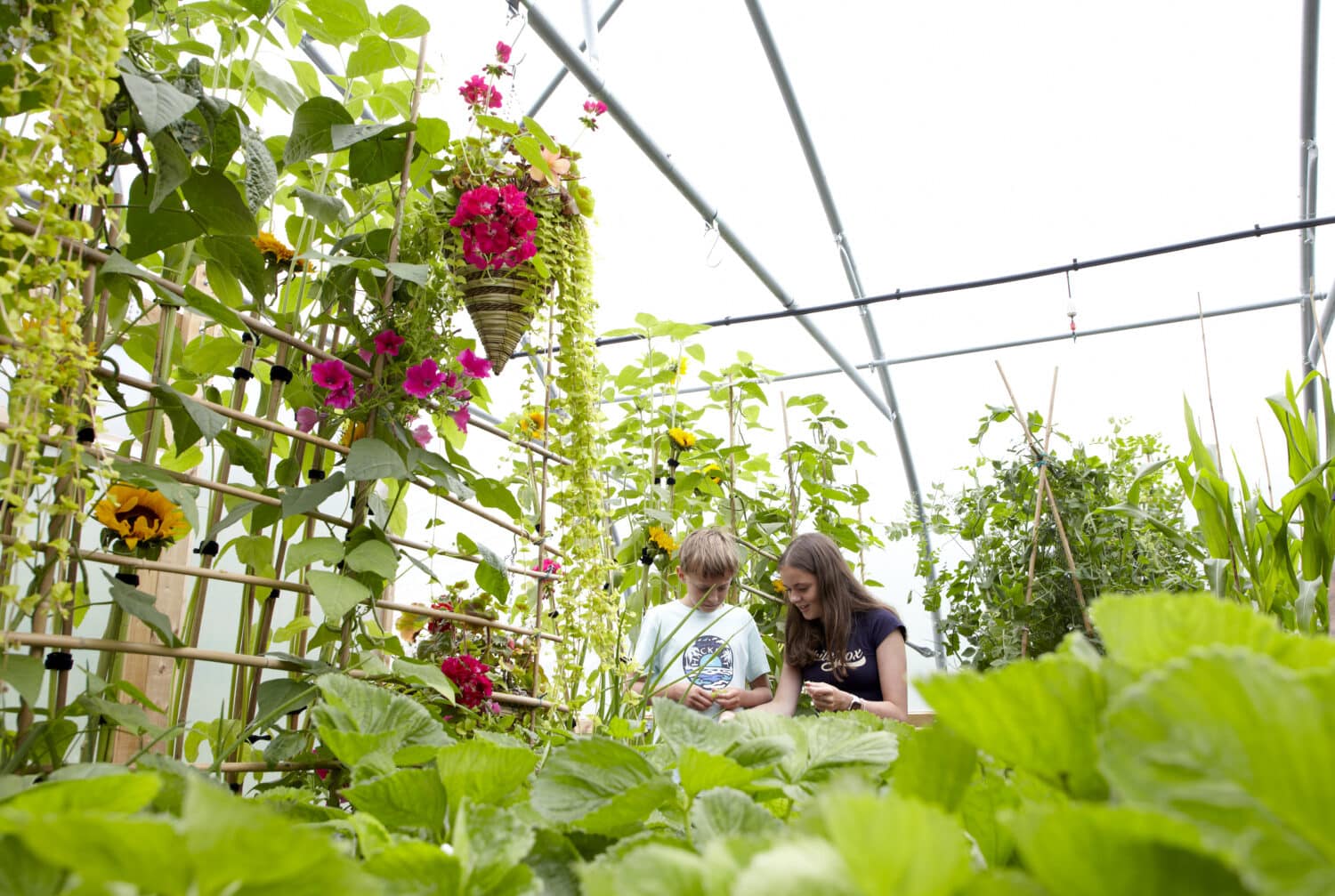
A polytunnel really can be invaluable in a garden throughout the year. But perhaps it is most especially useful in the early spring.

There are plenty of spring garden maintenance jobs to do in a polytunnel in March and in April. And having the polytunnel there means that spring starts a little sooner than it will outdoors.

Early in spring especially, it is important to make sure that you are using your polytunnel to the fullest – not only for sowing and growing but perhaps for other jobs as well – like keeping drying washing out of those April showers, for example.

IMG 7986

Consider Your Lawn

If you have a lawn or a grassy area on your property then come spring, you may wonder when exactly you should start to mow. The answer is that you should leave your lawn in spring unmowed for as long as possible – try ‘no mow May’ and hold off mowing until June and you will do a great service to the wildlife that shares your space.

However, this spring, you should definitely also consider getting rid of a monoculture grass lawn altogether. Rewild your garden and let your grassy areas go wild, or plant a wildflower meadow or even a forest garden or other planting scheme in their place.

Prune Roses & Early Flowering Shrubs

Of course there are also plenty of more specific garden maintenance jobs to get on with in the spring. Roses and a number of early flowering shrubs are best pruned at this time of the year, and there are plenty of other plants too that are best pruned or cut back at this time to make way for new growth and keep plants in good condition.

Deadhead Spring Flowering Bulbs

As spring flowering bulbs start to fade, one of the important garden maintenance jobs that you might want to consider is deadheading. While not strictly essential a lot of the time, and impractical if you have a lot of them, deadheading spring flowering bulbs like daffodils can be a good idea because it allows the plants to focus on other things rather than going to seed.

Just make sure that you do not cut back the foliage, since that is still needed. Just cut the flowering stems, leaving the leaves in place to photosynthesise until they die back naturally once their job is done.

References:

https://www.gardenersworld.com/how-to/grow-plants/gardening-for-beginners-the-gardening-year/

Trustpilot

Useful Guides