

Gardeners unfortunately frequently resort to using weedkillers in their UK gardens. But a wealth of evidence tells us that use of weedkillers – including those containing glyphosate, is a bad idea, on health grounds, and environmental grounds, as well as for the sake of garden wildlife.
What is glyphosate?
Glyphosate is a widely used herbicide and the active ingredient in many weed-killing products. It works by inhibiting an enzyme essential for plant growth, effectively killing a broad spectrum of weeds and unwanted vegetation.
Glyphosate-based herbicides are commonly used in agriculture, landscaping, gardening, and forestry to control weeds and improve crop yields. However, its use has been the subject of considerable controversy due to concerns about its potential impact on human health and the environment.
What is the current legislation on glyphosate?
There is growing concern regarding the widespread use of glyphosate in gardening and farming practices. However, in most jurisdictions its use is still allowed, at least to a degree.
The European Union
On November 28, 2023, the European Commission approved the Implementing Regulation to extend the approval of glyphosate for an additional 10 years, subject to certain new conditions and restrictions, a move that was strongly criticised by environmental groups.
While no European Union country has implemented a complete ban on glyphosate, several countries, such as Austria, France, the Netherlands, Belgium, Luxembourg, and Germany, have enacted partial bans. These restrictions typically involve prohibiting glyphosate’s use in specific areas or by households.
Outside the EU
In the US, California has led the charge against Bayer, with several cities and counties banning or restricting glyphosate.
Colombia and El Salvador both banned glyphosate and then overturned the decision, while Mexico has pledged to outlaw its use by 2024.
Vietnam stands as the sole country in Asia to have implemented a complete ban on the use of the chemical glyphosate.
While Sri Lanka made attempts to enforce a ban in 2015, the ruling was later revoked in 2021.
How will I know if glyphosate is being used in my local area?
Numerous UK councils have independently chosen to adopt pesticide-free practices, yet there is currently no nationwide prohibition on pesticide usage within our urban regions. Glyphosate, in particular, retains approval for use until at least 2025.
PAN (Pesticide Action Network) UK recently released a map where you can view all the pesticide-free zones in the country.
What are some products that contain glyphosate?
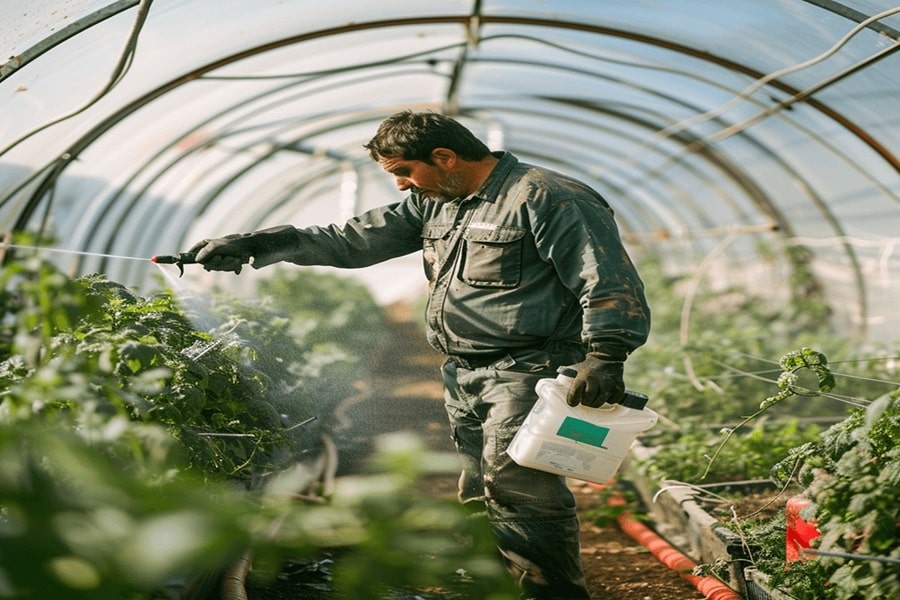
Glyphosate is used in weedkillers commonly used by UK gardeners – most notably ‘Roundup’ products. Unfortunately these products are still in widespread use, in spite of the growing interest in organic gardening and sustainable garden practices in which such products are never used.
How does glyphosate work?
Glyphosate functions as a broad-spectrum herbicide, effectively targeting a wide range of plants. Its mechanism of action involves inhibiting the production of vital proteins crucial for plant growth. Specifically, glyphosate disrupts the shikimic acid pathway, a fundamental enzymatic process essential for the survival of plants and certain microorganisms.
How might I be exposed to glyphosate?
Individuals working in agriculture, landscaping, forestry, or other professions where glyphosate-based herbicides are used may come into direct contact with the chemical during handling, mixing, or application, as of course can gardeners who use glyphosate-based products to control weeds in their yards or gardens.
However, as well as being exposed through direct contact with the substance, we can also all be exposed to the chemical through drift or runoff from sprayed fields or other council managed lands.
Glyphosate may leach into groundwater or contaminate surface water sources, leading to potential exposure through drinking water or consumption of produce from treated fields, or fish and other aquatic organisms from contaminated waters.
The impacts of glyphosate building up through these types of exposure are currently not entirely known.
What are some signs and symptoms from a brief exposure to glyphosate?
Brief exposure to glyphosate may lead to skin and or eye irritation, respiratory symptoms, gastrointestinal effects, headaches, dizziness, fatigue or allergic reactions in some individuals.
However, it is not merely the short term, simple effects of glyphosate that are of concern, but also how this impacts human health longer-term, and interacts with other substances in weedkiller products.
Reasons Not to Use Glyphosate in Your Garden
There are several reasons why we suggest that you should choose not to use glyphosate in your garden:
- Environmental Impact: Glyphosate can have negative effects on soil health and microbial communities. Its use may lead to the depletion of beneficial soil organisms and disrupt the balance of ecosystems within your garden.
- Potential Harm to Non-Target Plants: Glyphosate is a broad-spectrum herbicide, meaning it can kill a wide range of plants. If not applied carefully, it may harm desirable plants in your garden, including ornamentals, vegetables, and native species.
- Impact on Wildlife: Glyphosate can indirectly harm wildlife by reducing habitat and food sources. Eliminating weeds with glyphosate can remove essential forage and shelter for insects, birds, and other animals that contribute to a healthy ecosystem.
- Risk of Runoff: Glyphosate can leach into groundwater or be carried by runoff into nearby water bodies, potentially contaminating aquatic ecosystems. Using glyphosate in your garden increases the risk of water pollution, which can harm aquatic plants, animals, and microorganisms.
- Health Concerns: While regulatory agencies have deemed glyphosate safe for use when applied according to label instructions, some studies suggest potential health risks associated with long-term exposure. Choosing alternatives to glyphosate can help minimize potential health concerns for yourself, your family, and your pets.
- Development of Herbicide Resistance: Over-reliance on glyphosate can lead to the development of glyphosate-resistant weeds, which are difficult to control and may require more potent herbicides or alternative weed management strategies.
- Promotion of Biodiversity: Embracing a glyphosate-free approach in your garden encourages biodiversity by allowing a diverse range of plants to thrive. By nurturing a variety of plant species, you create a more resilient ecosystem that supports pollinators, beneficial insects, and other wildlife.
- Alternative Weed Management Methods: There are numerous effective alternatives to glyphosate for weed control in gardens, including manual weeding, mulching, hoeing, and using organic herbicides. Choosing non-chemical methods reduces reliance on synthetic pesticides and promotes a more sustainable approach to gardening.
Ultimately, the decision not to use glyphosate in your garden reflects a commitment to environmental stewardship, biodiversity conservation, and the promotion of healthier gardening practices for both people and nature.
Is glyphosate harmful to humans?
While studies investigating its impact on human health are ongoing, current findings remain inconclusive. Regulatory bodies in Europe, the United States, Canada, and elsewhere have consistently supported the safety claims made by glyphosate manufacturers.
However, an increasing body of research suggests potential health risks associated with glyphosate exposure, including links to cancers, disruptions to the endocrine system and fertility, as well as alterations to the gut microbiome. Critics argue that regulatory decisions on glyphosate safety have relied heavily on industry-sponsored studies that have not been made public or subjected to peer review.
An analysis of European studies, published on July 2, 2021, found significant shortcomings and flaws in many industry-funded studies. These studies were deemed outdated and failing to meet current scientific standards, casting doubt on their reliability and the regulatory decisions based on them.
Bayer, the German chemical company responsible for producing glyphosate and holding the license, has faced recent legal setbacks in the United States. Specifically, they lost three legal cases against cancer patients who alleged that their illnesses resulted from exposure to glyphosate-based Roundup weed killer.
Prior to these losses, Bayer had won nine consecutive trials involving similar claims. The company’s acquisition of Monsanto in 2018, which included the Roundup brand, subjected it to ongoing lawsuits related to Roundup. In 2020, Bayer settled the majority of Roundup claims against it for up to $10.9 billion. However, despite these settlements, Bayer still faces nearly 40,000 additional Roundup-related cases.
The unknowns are alarming, since glyphosate is detected in the general population of industrialized countries, with higher levels found in farmers and children. Lower glyphosate levels are associated with dominant organic food intake and filtered water, but there is a lot of evidence to suggest widespread contamination in industrialised nations.
Is glyphosate harmful to the environment?
Glyphosate is a broad-spectrum herbicide, meaning it can affect a wide range of plant species, not just weeds. This can potentially harm non-target plants, including native vegetation and crops that are not genetically modified to tolerate glyphosate.
Glyphosate can persist in the soil for varying periods, depending on factors such as soil type, climate, and microbial activity. Prolonged use of glyphosate-based herbicides may lead to soil contamination, which can affect soil health and microbial communities.
Glyphosate can leach into groundwater or be carried by runoff into surface water bodies, such as streams, rivers, and lakes. Contamination of water sources with glyphosate and its breakdown products can have adverse effects on aquatic ecosystems, including algae, plants, invertebrates, and fish.
Over-reliance on glyphosate for weed control has led to the evolution of glyphosate-resistant weed species. This phenomenon poses challenges for farmers and may result in increased herbicide use or adoption of alternative weed management strategies that could have their own environmental impacts.
Is glyphosate harmful to animals?
Recent research revealed glyphosate seriously harms bee health. One other report claimed that EU regulators dismissed evidence linking the herbicide to animal tumours.
Some studies suggest that glyphosate and its formulations may have endocrine-disrupting effects, which could potentially impact reproductive and developmental processes in animals. However, further research is needed to fully understand the significance of these findings.
Exposure to glyphosate may often also indirectly impact wildlife through changes in habitat and food availability. Reductions in plant diversity caused by glyphosate use can affect wildlife populations that rely on specific plants for food, shelter, or nesting sites.
Ending the use of glyphosate
We need to learn more about the impacts of glyphosate on human health and corroborate findings relating to its impacts on human health and ecosystems around us. There is a lot of doubt around this topic but surely, we should all err on the side of caution and end its use, where any doubt remains about the harm it seems to be doing.
Phasing out its use in farming is far more complex. But in urban management and in domestic gardens, there is no need to use it at all. In fact, we should in almost every case avoid weedkillers altogether and work with nature rather than fighting it.
FAQs
Why is glyphosate banned in the UK?
Glyphosate has not been banned in the UK and remains legal for use as a herbicide in domestic, civic and agricultural settings. Its use will be reviewed in 2025. Certain councils, however, have decided not to use glyphosate within their jurisdictions in Scotland, and England and Wales.
Is glyphosate harmful to humans?
Glyphosate is one of the most widely used herbicides globally and has been approved for use by regulatory agencies in many countries, including the United States, European Union, and others. These approvals are based on extensive scientific reviews of glyphosate’s toxicity and exposure risks.
Glyphosate is generally considered to have low acute toxicity to humans. The lethal dose for humans is relatively high, and most cases of acute exposure result in mild symptoms such as skin or eye irritation.
However, many concerns have been raised about potential health effects from chronic exposure to glyphosate, particularly among agricultural workers and others who may have frequent or high-level exposure. Some studies have suggested associations between glyphosate exposure and various health outcomes, including cancer, reproductive effects, and impacts on the endocrine and immune systems.
Glyphosate residues are commonly found in food and water and the long term impacts of this exposure on human health, and potential interactions with other residues present in our environment are unknown, leading many to warn of potential dangers as yet undetermined.
Is glyphosate the same as Roundup?
Glyphosate is the key and active ingredient in the weedkiller Roundup commonly used by many gardeners in the UK.
Why was glyphosate banned?
Glyphosate has faced varying degrees of restriction or prohibition in certain regions or contexts for a range of reasons, including health concerns, environmental concerns, and concerns over weed resistance.
Public awareness campaigns, consumer activism, and grassroots movements have also played a role in influencing policy decisions related to glyphosate. Concerned citizens, environmental organizations, and advocacy groups have mobilized to raise awareness about glyphosate’s potential risks and to advocate for stricter regulations or outright bans on its use.
Some policymakers have chosen to restrict or ban glyphosate as a precautionary measure until more conclusive evidence regarding its safety and environmental impact is available.
Sources
The Guardian. (2021). Glyphosate herbicide (Roundup) corporate safety studies. Available at: https://www.theguardian.com/business/2021/jul/02/glyphosate-herbicide-roundup-corporate-safety-studies [accessed 21/05/24]
Reuters. (2023). Bayer ordered to pay $332 mln in Roundup cancer trial. Available at: https://www.reuters.com/legal/bayer-ordered-pay-332-mln-roundup-cancer-trial-lawcom-2023-10-31 [accessed 21/05/24]
The Guardian. (2022). Glyphosate weedkiller damages wild bumblebee colonies. Available at: https://www.theguardian.com/environment/2022/jun/02/glyphosate-weedkiller-damages-wild-bumblebee-colonies [accessed 21/05/24]
The Guardian. (2022). EU regulators dismissed evidence linking glyphosate to rodent tumours. Available at: https://www.theguardian.com/environment/2022/jun/09/eu-regulators-dismissed-evidence-linking-glyphosate-to-rodent-tumours [accessed 21/05/24]