

Learning how to start a plant nursery can be a wonderful way to diversify your farm income, start a small business from your garden, improve your land, or simply enjoy a hobby of propagating your own plants. Even on a small scale, a new plant nursery can be a wonderful way to show your love of the natural world, and you may even be able to make money from the plants that you grow.
In this guide, I want to share some key tips and ideas to help anyone who wishes to set up a new plant nursery, however large or small. From setup to sales, let’s delve into some home plant nursery ideas and plant nursery business ideas that should help you to set out in the right direction.
Key Points:
- A successful nursery starts with small, manageable plant stock and expands gradually.
- Understanding propagation techniques is essential for producing healthy, affordable plants.
- A mix of reliable sellers and niche plants helps shape your nursery identity.
- Good layout, using tools like raised garden beds, improves efficiency and plant health.
- Even tiny nurseries can sell locally through community networks, markets, and word of mouth.
- What Is a Plant Nursery and How Do You Get Started?
- Planning Your Nursery Space Effectively
- Legal and Practical Considerations Before Selling Plants
- Building Essential Growing Skills
- Choosing Your Stock and Developing a Nursery Identity
- Plant Nursery Business Ideas: Who You Can Sell To
- Running a Plant Nursery During Highs and Lows
What Is a Plant Nursery and How Do You Get Started?
A plant nursery is simply a place to propagate, grow and nurture plants during the earlier stages of their growth. Usually, a plant nursery implies a commercial intent – so the plants, after they are propagated, are typically intended for sale.
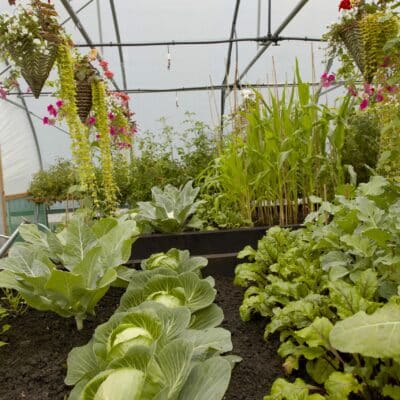
Some nurseries are entirely home-based, using a garden, allotment, balcony, or small greenhouse. Others operate as sizeable commercial ventures with polytunnels, dedicated propagation rooms, and structured production schedules. Many exist somewhere between the two.
The scale is flexible, and your initial setup can grow naturally over time.
First Steps for Aspiring Nursery Owners
If you want to learn how to start a plant nursery, start small. Truly small. Many of the most successful plant nurseries in the UK began with simple home plant nursery ideas: a handful of trays, a potting bench, and a few carefully chosen stock plants.
Consider:
- What space you have – sunlight, wind exposure, nearby water sources, and access.
- Your intention – hobby, side income, or long-term business.
- Your resources – time, budget, and initial enthusiasm (which matters more than skill)
This early clarity helps you avoid unnecessary expense and ensures your nursery grows at a steady, manageable pace.
Planning Your Nursery Space Effectively

Designing your nursery space thoughtfully, whatever its size, can dramatically improve efficiency and plant health. Even a modest layout benefits from separating work areas and keeping priority tasks close at hand. When your environment is organised, propagation becomes smoother, daily maintenance feels lighter, and you can focus on nurturing healthy, resilient plants rather than battling clutter or poor positioning.
Layout Ideas for Home Nurseries
A good home nursery works best when the space is divided into functional zones, even if each zone is only a metre or two wide. Your propagation area, for example, should be sheltered and close to a water source, with just enough room for trays, young seedlings, and any heat mats or coverings you rely on. A potting bench positioned nearby helps reduce the time you spend moving between tasks and lets you keep essential items, pots, tools, labels, compost, within easy reach.
Your stock area, where plants mature before sale or transplanting, will likely become the core of the nursery. Grouping plants by age, species, or growing conditions keeps maintenance straightforward and helps you spot issues early. Shelving and vertical growing systems are especially useful in compact gardens, and even a few levels of tiered benching can multiply your usable space. If you have room for outdoor beds, these can serve as long-term homes for mother plants that supply your cuttings and divisions throughout the year.
Propagation areas, in particular, benefit from being positioned close to both water and power. Early-stage plants are thirsty, delicate, and sometimes reliant on gentle heat, so having these utilities nearby can prevent countless small losses and make your daily routine far more manageable.
Outdoor Setup Options
For many small nurseries, raised garden beds form the backbone of an organised outdoor layout. They allow you to arrange your stock logically and provide the drainage and structure that young plants need to thrive.
Raised beds also make nursery work more comfortable, reducing the physical strain of bending and kneeling while keeping tools and materials easily accessible. By assigning each bed a theme – perhaps one for herbs, one for berry bushes, one for perennials, you can maintain tidy production lines without feeling overwhelmed.
If you are looking to shape a neat and resilient bed-based nursery, First Tunnels’ raised garden beds offer a practical way to bring order and structure to your space. They help separate different types of stock, improve growing conditions, and give your nursery a professional feel even at a small scale.
When a Bigger Setup Makes Sense
Those who have successfully learned how to start a plant nursery may find that outdoor space alone no longer meets their needs. A sudden increase in orders, seasonal unpredictability, or a desire to expand your product range can push you toward a more controlled environment. This is when a polytunnel becomes invaluable.
A commercial polytunnel allows you to propagate, overwinter, and grow plants consistently throughout the year, protecting them from frost, heavy rain, and excessive heat. It also gives you predictable space for staging plants, managing humidity, and organising work tasks much as a professional nursery would.
Protecting Plants Outdoors
Young plants, soft fruit stock, and certain ornamentals are particularly vulnerable during their early growth stages. Birds, rabbits, and other garden visitors can undo weeks of painstaking propagation in a single afternoon.
This is why many home growers and small nurseries turn to fruit cages as a simple but highly effective solution. A well-placed fruit cage shields vulnerable stock from damage, reduces losses, and helps ensure that your plants reach a mature, saleable stage without constant intervention or risk.
If your nursery includes soft fruit, young cuttings, or any plant that birds tend to favour, you may wish to consider fruit cages to keep your outdoor growing areas protected and productive.
Legal and Practical Considerations Before Selling Plants
Before you sell even a handful of plants, it’s important to understand a few basic responsibilities.
Do You Need Permission or Registration?
- Rules vary by location, but as a general guideline:
- Some councils may require notification or permission for regular commercial activity from home.
- If customers visit your property, considerations around access, parking, or safety may apply.
- Basic public liability or product liability insurance is often advisable.
- Environmental considerations, such as compost disposal, water use, and avoiding invasive species, are important to keep in mind.
- Always check local guidance early in your planning stage.
Setting Realistic Start-Up Costs
You can start a nursery very cheaply, but even the most frugal setups require some essentials:
- Pots and containers
- Compost, seed starting mix, and organic amendments
- Trays, cell packs, and propagation domes
- Labels and waterproof pens
- Basic hand tools (secateurs, trowels, dibbers)
- Shelving or benches
- Optional: irrigation systems, potting bench upgrades, or protected structures
If you’re using raised beds, polytunnels, or fruit cages, include those in your start-up budget.
The Importance of Good Record-Keeping
Nurseries thrive on organisation. Tracking your plants helps you understand:
- Which propagation methods work best
- How long each batch takes
- How much stock you have available
- Seasonal patterns affecting growth or sales
A simple spreadsheet is enough at first. Over time, you can record materials used, pricing, and profits to refine your business model.
Building Essential Growing Skills
Learning how to open a plant nursery in the first place is just the beginning. To run a nursery effectively, you need confidence in your propagation abilities. These skills grow gradually, and each season strengthens your knowledge.
Learning Basic Propagation Techniques
Core propagation methods include:
- Seed sowing: ideal for annuals, vegetables, herbs, and many perennials.
- Cuttings: softwood, hardwood, semi-ripe—perfect for shrubs, berries, and ornamentals.
- Division: excellent for herbaceous perennials with clumping growth habits.
- Layering: useful for woody shrubs that root from low branches.
- Grafting: often used for fruit trees or roses, but a skill worth exploring over time.
Begin with easy, reliable species such as mint, rosemary, lavender, hardy geraniums, and dogwood. They provide inexpensive, forgiving practice.
The Myth of the “Natural Green Thumb”
There is no such thing as an innate ability to grow plants. Skilled nursery growers simply observe, experiment, and learn from each season. Keep notes, document your successes and failures, and allow curiosity to guide your improvements.
Soil and Substrate Essentials
Healthy root systems depend on the right substrate:
- Seed compost is light, fine, and low in nutrients—ideal for germination.
- Potting mixes include more structure and fertility for young plants.
- Drainage is critical: incorporate grit, perlite, or sand where appropriate.
- Sterility reduces the risk of damping-off, fungal issues, or pests.
You can buy mixes or make your own using homemade compost, leaf mould, and mineral amendments. Just ensure consistency and cleanliness.
Bare Root vs. Potted Plants
Both formats have advantages:
- Bare-root plants are cheaper to produce, easier to ship, and excellent for winter sales.
- Potted plants offer instant visual appeal and are ideal for spring and summer markets.
Many small nurseries offer a combination, adjusting seasonally.
Choosing Your Stock and Developing a Nursery Identity
What you grow determines your nursery’s personality, reputation, and potential income.
Starter Plant Ideas for New Nurseries
The best home plant nursery ideas involve using plants that are:
- Easy to propagate
- Suited to your climate
- Likely to sell well locally
- Great beginner options include:
- Hardy shrubs (currants, dogwoods, rosemary)
- Herbs (thyme, sage, mint, chives)
- Perennials (echinacea, helenium, hardy geraniums, daylilies)
- Bedding plants (marigolds, cosmos, calendula)
- Fast-cycling annuals for quick returns
What You Should Grow (and Why)
The best nursery plants are those that:
- Thrive in your local conditions
- Require minimal energy to produce
- Fill a seasonal niche or meet local demand
- Can be propagated affordably
Take cues from your garden to work out the best plant nursery business ideas for you. What grows well for you will likely grow well for others close to where you live.
Stock Plants vs. Retail Plants
Your mother plants (those you propagate from) should be vigorous, disease-free, and well-maintained. Avoid overusing a single mother plant; propagate from multiple specimens to maintain genetic diversity and plant health.
Specialising vs Offering a Diverse Range
You might specialise in herbs, woodland plants, berry bushes, pollinator perennials, or medicinal species. Specialisation supports branding and deep expertise.
Alternatively, offering a wide range lets you:
- Test your market
- See what sells locally
- Meet varied customer needs
Most small home plant nursery ideas involve blending both approaches organically as they grow.
Plant Nursery Business Ideas: Who You Can Sell To
Once your stock is healthy and ready, there are many ways to begin selling.
Local Selling Channels
Learning how to start a plant nursery involves learning local selling channels. Start close to home:
- Neighbours and local gardeners
- Gardening clubs
- Plant swaps or community plant sales
- Farmers’ markets
- Seasonal garden fairs
Small, community-based sales are often the most rewarding and supportive environments for new growers.
Selling to Businesses
As you gain confidence:
- Landscaping companies may buy shrubs or perennials in bulk.
- Garden designers often source unique or reliable plants from small nurseries.
- Local garden centres sometimes purchase from small, quality growers, particularly those offering niche or organically raised plants.
Online Selling Options
Selling online can dramatically expand your reach:
- Facebook groups or local social media communities
- Marketplace platforms
- Local delivery or collection-only models
Remember to package plants carefully and maintain clear communication.
How Word-of-Mouth Drives Growth
In small nurseries, reputation is everything. What sells your plants isn’t flashy marketing—it’s trust. People return when:
- Your plants are strong and well-grown
- Your advice is useful
- Your pricing is fair
- Your passion is evident
Growth happens gradually but steadily as your name becomes locally recognised.
Running a Plant Nursery During Highs and Lows
Running a plant nursery is a wonderfully rewarding journey, but it naturally brings both high points and challenging stretches as the seasons shift and customer demand fluctuates.
Winter often slows growth to a gentle hum, requiring extra protection from frost and careful planning for the year ahead, while summer can bring its own pressures through heat stress and the constant need for watering.
Quiet sales periods are a chance to regroup and refine. The key to long-term success is to view your nursery as a living project that grows gradually. Progress rarely happens in leaps; instead, it accumulates over many small actions, thoughtful experiments, and the steady rhythm of tending young plants season after season.
FAQs
How to start up a plant nursery in the UK?
To start up a plant nursery in the UK, start small with a few propagation setups, assess your growing space, choose plants suited to your climate, check local council guidance, and sell initially through local networks or markets.
What are the most profitable plants for a nursery?
The most profitable plants for a nursery, include herbs, perennials, berry bushes, annual bedding plants, and native pollinator plants often offer good margins, especially when propagated in-house.
What is a nursery for plants?
A plant nursery is a place where plants are propagated, grown on, hardened off, and eventually sold to gardeners, landscapers, or local businesses.
How do you open a plant nursery?
To open a plant nursery, plan your space, learn basic propagation techniques, source or grow initial stock, manage legal and practical requirements, and begin selling through local or online channels – building gradually as your skills and capacity expand.