

Creating beneficial microclimates in your garden could be key to growing certain plants successfully, or expanding the range of plants that you can grow. But what exactly does this mean and how exactly can it be achieved?
In this article, we will take a look at what a microclimate is, and how small changes that we can make can potentially alter that microclimate for the better. Read on to find out more and see how it might help you to improve the conditions in your garden.
What are Microclimates?
A microclimate is a local set of atmospheric conditions that differ from those in the surrounding areas, often slightly but sometimes more extremely.
We can talk about microclimates in the context of a bioregion, a particular community, a neighbourhood, a garden, or even a tiny portion of a garden covering only a very small area.
As a gardener, it is likely that you will understand the climate where you live fairly well. But understanding the broader climate of your area is not always necessarily enough and you do also have to take more local conditions into account.
What Factors Determine the Microclimate in a Garden?
The microclimate in a particular garden or area thereof can be determined by a range of factors:
- Topography (surrounding geographical features, slope…)
- Sunlight and shade.
- Wind & wind chill.
- Surrounding vegetation.
- Water in the landscape.
- The built environment.
By looking at each one of these factors we can understand the environment a lot better, and potentially find ways to improve that microclimate for the better – creating slightly high temperatures in winter, perhaps, or improving other factors that potentially have a limiting effect either on plant growth or the plants that we can grow.
Through observation and interaction with the garden setting, we can identify the sectors acting on the site, analyse the site, and work out the strengths, weaknesses, opportunities and challenges to be found there.
How to Create Beneficial Microclimates
Once you understand the strengths, weaknesses, opportunities and challenges of your particular garden, you can begin to think about strategies that you might employ to create a more beneficial microclimate in your garden so allow crops and other plant life to thrive.
Understand Topography
The first thing to think about if you wish to improve the microclimate in a particular area of your garden or in your garden as a whole is the terrain, both within the garden itself and surrounding it.
Hills and mountains can, of course, influence how much sun the property experiences throughout each day and throughout the year.
They can also impact the prevailing wind direction and even have an impact on the rainfall – increasing precipitation on them and to the windward side, while creating a rain shadow on their leeward side.
What is more, when temperatures drop at night, hills can act as sources of cold air, which will flow downhill, collecting at low points that become frost pockets.
Frost pockets mean later frosts in spring and earlier frosts in autumn, so a shorter growing season unless you take steps to remedy this issue. Sometimes, making gaps in barriers across slopes like fences or hedges can allow cold air to drain away and prevent frost pockets from forming.
In Britain, most of the prevailing weather comes from the south west. So here, slopes that face west or south west tend to be wetter than those facing in different directions. However, since south facing slopes get more sun, they can also potentially dry out more quickly.
Sunlight and Shade
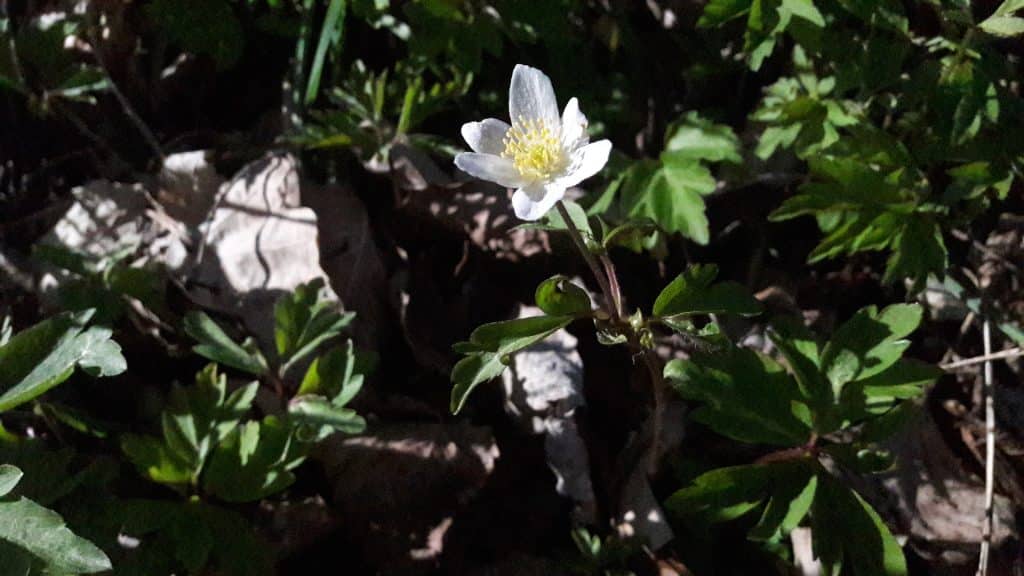
Any garden with a south facing aspect will enjoy more heat, and light, than those with other aspects. A garden area that has a north facing aspect will get the least amount of sunlight. If an area faces east then it will get sun in the morning and be in shade in the afternoon, and if it faces west then it will be shady in the morning and have sun in the afternoon.
Of course, in addition to working out the sun’s path across your property throughout the course of each day and over the course of the year, it is also a good idea to create a sun map, noting which areas are cast into shade, and when, by buildings or existing vegetation in your garden.
There will of course be some sources of shade (like your home) that you won’t be able to alter. But some simple things that you might be able to do include selectively pruning taller trees or shrubs to allow more light to reach certain parts of your garden, and creating a layout for all elements within the space that makes the most of sunlight and provides shade where it might be most needed.
Shelter Belts and Wind Break Hedgerows
Wind can be one of the most problematic things in UK gardens, more damaging than winter cold. Shelter from the wind can make the difference between a successful garden and one where many plants will fail to thrive.
Even hardy plants may be damaged by wind in exposed locations, so doing all we can to mitigate strong winds on our properties can make a big difference.
If you live in an exposed location on a hilltop at high elevation, in wind tunnels between hills or tall buildings, or by the coast, for example, this is likely to be a particular concern.
Introducing shelter will be a key priority to create a beneficial microclimate in such locations, and by far the best way to do so is not with man-made structures but with plants.
Creating shelter belts or wind break hedgerows correctly can significantly improve the microclimate on a property for growing a wider range of plants.
Placement of Plants
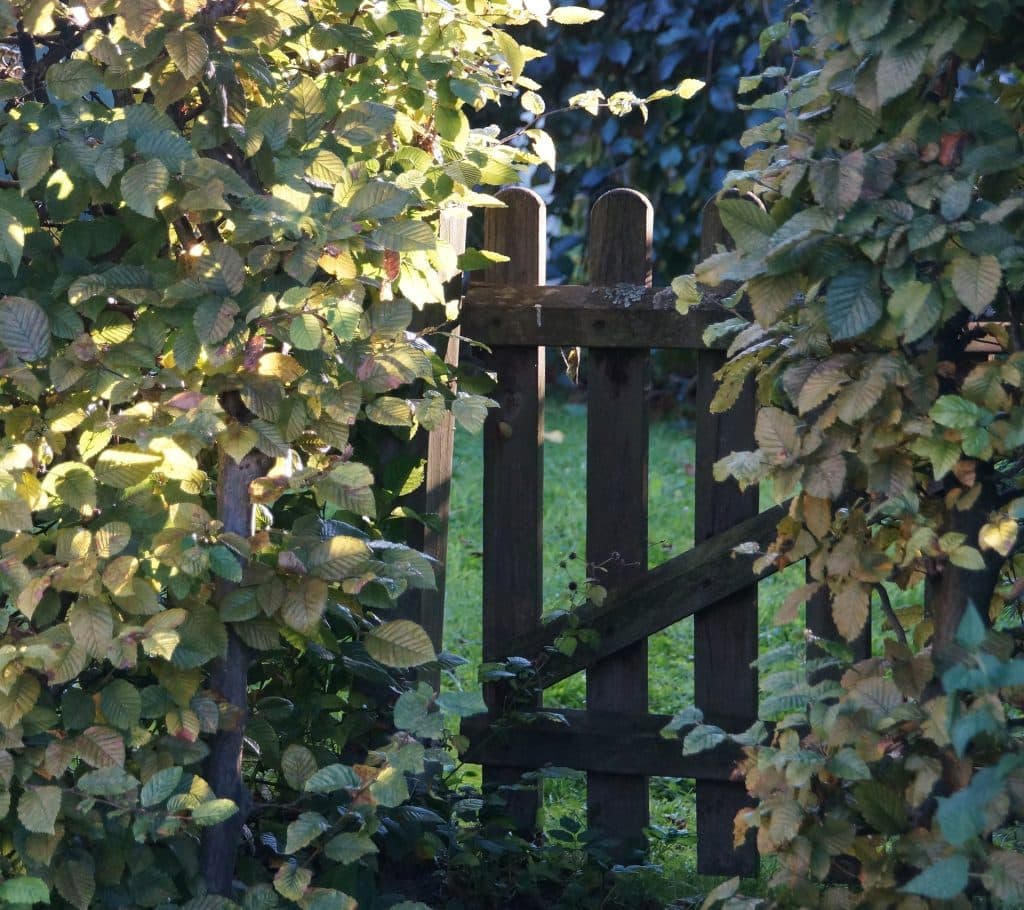
Where we place plants to create shelter can make a big difference when it comes to the microclimate in a given area. Whether we are talking about shelter belt trees or windbreak hedgerows, or other planting schemes in general, we can and should always think about the impact that plants can have on the environment around them.
Many plants, but especially larger plants like trees and shrubs that we include in our gardens are ecosystem engineers. Like us, they shape their environments in a range of different ways.
Thinking about how they affect humidity, light levels etc. can help us manipulate the environment through their planting to make sure that the microclimate is as well-suited as possible to our goals.
Introducing Water to the Garden
Another way that we can alter the environment in a garden for the better, potentially increasing temperatures during the coldest part of the year is by introducing water to the space in the form of water barrels or butts, or, better yet, beautiful and biodiverse wildlife ponds.
The water can catch and store heat energy from the sun during the day, releasing it slowly when temperatures fall and therefore keeping the area a little warmer in winter, and potentially also evening out high temperatures during the summer months.
Plants positioned around a wildlife pond may benefit from the beneficial microclimate that the water creates. You may even be able to grow plants close to water that could not typically withstand the winter conditions where you live.
Using Structures To Create a Beneficial Microclimate
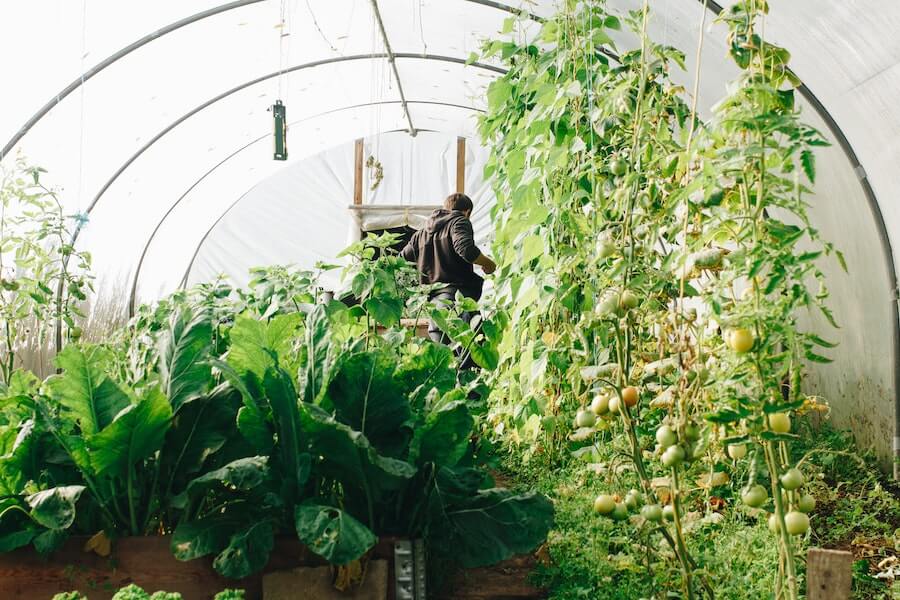
Many of the strategies we can employ to create a beneficial microclimate involve using plants and combining them in the most effective ways for the particular site. But there are also man-made structures that may help to improve conditions.
One thing to think about, for example, is that a south-facing wall or fence, especially one with good thermal mass and the ability to catch and store the sun’s heat energy, will keep the area in front of it a little warmer and be beneficial for many plants that will like to be grown there.
Of course, there is also the option to create special microclimates in a garden not just in the outdoors, but also within undercover growing areas.
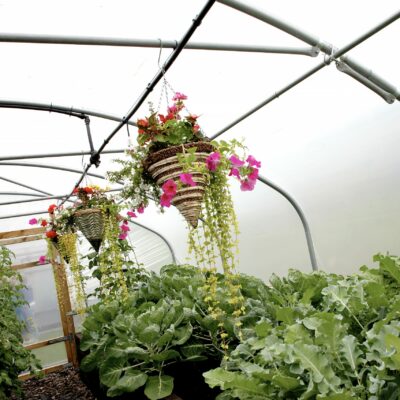
In a polytunnel, you can create a sheltered and more protected environment and can potentially grow a much broader range of plants over much more of the year, often year-round.
So using a polytunnel or smaller covered areas under cloches or row covers is one more way to create small microclimate zones particularly suited to specific plants that you might want to grow.
References:
https://www.rhs.org.uk/garden-design/microclimates-assessing-garden