

Creating different garden habitat types in your outdoor space is one of the best things that you can do to make sure that you support as much wildlife as possible where you live.
Rather than thinking about specific individual plants that attract specific species to your garden, it is beneficial to adopt a more joined-up approach and to think about how plants can be combined.
By thinking holistically, and recognising the interconnected nature of the natural world, we can boost biodiversity and create more stable, healthy and resilient systems over time.
What Are Garden Habitat Types?

When we talk about garden habitat we are talking about the environment created when we combine different plants in different ways and in different settings, which provides a home for specific creatures with whom we share our space.
Of course, a single native tree can be a wonderful habitat for a range of creatures. But in addition to thinking about which specific plants we grow, we also need to think about combinations of plants that create different environmental conditions in different settings.
What Are The Benefits of Providing Different Wildlife Habitats In The Garden?
Holistic garden design that incorporates as many different wildlife habitats as possible allows us to create gardens that can truly perform well, and stand the test of time.
Boosting biodiversity should be a top goal for all gardeners, and we do so not only by increasing the range of different plants that we grow, but also by combining plants in such a way that we welcome in as much wildlife as possible to the space.
Welcoming wildlife is not just the ‘right’ or ethical thing to do to help halt wildlife losses and to show that we value the other life around us. It is also the ‘right’ thing to do to create a healthy, beautiful and abundant garden.
The more wildlife we can welcome in, and the more biodiversity we have within our space, the more beneficial interactions there will be within the garden system. And the more beneficial interactions there are within a system, the more stable and resilient that system will be.
Having plenty of wildlife around also helps us to garden organically. Many species are garden helpers, whether we immediately realise it or not. From pollination, to fertility, to pest control, wildlife helps is in a range of ways in our gardens.
And even pests are important parts of the system as a whole. In a healthy organic garden, pest numbers are kept in check through natural predation.
Adding different wildlife habitats will ensure that you have the range of creatures that will help your garden to remain healthy, resilient and strong.
10 Habitat Types To Have In Your Garden
There are of course many different garden habitat types to create in your garden. Remember, the more variety we can introduce the better.
But remember, too, that you should think about the environmental conditions already present in your garden, and work with the climate, microclimate and other conditions already present on the site. Work with nature rather than fighting against it to reap the greatest rewards.
1. Create A Pond or Wetland Habitat
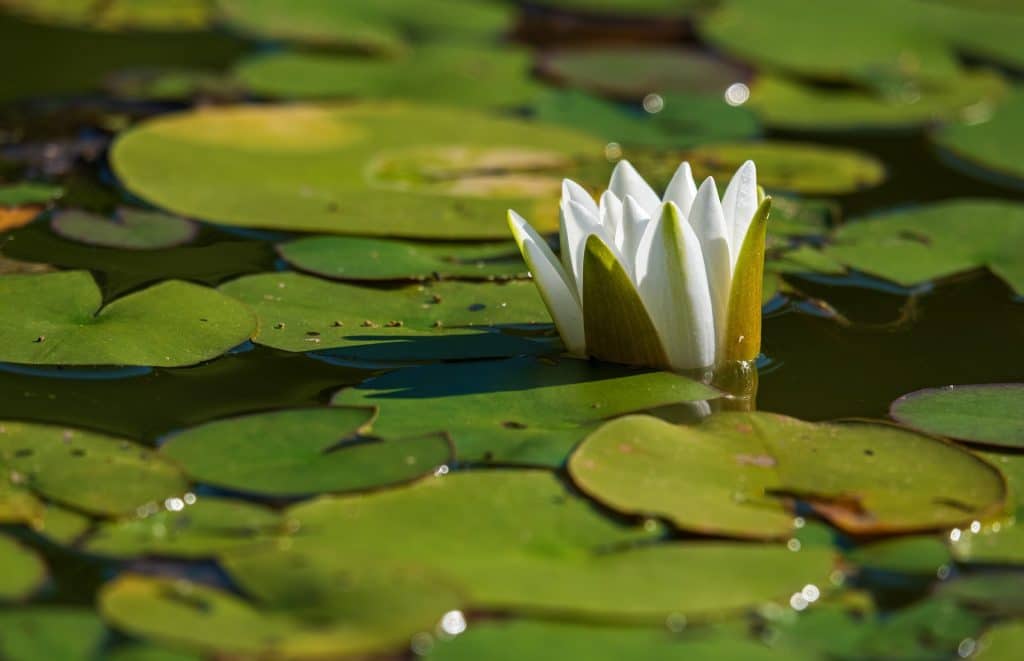
One of the very best things many of us can do to boost biodiversity and create a wildlife-friendly garden is to introduce some water to the space. Ponds, water features and boggy wetland habitats can be hugely rich in biodiversity and will attract and home a huge diversity of creatures.
Creating a small garden pond can often be a good place to start. And next to that pond you might have a small wetland or bog garden, where the soil remains saturated most of the time. If your pond is big enough, here are the best UK pond fish that you should add.
2. Plant A Woodland Habitat

Another of the most wonderful habitat types to have in your garden is a woodland. A small area of native woodland, or a forest garden with edible plants, can be wonderful garden habitats for a range of life.
If you want to think about attracting wildlife, planting trees is often a good way to go. But creating woodland is not just about planting trees. It is about planting beneficial combinations of plants that become an ecologically functioning plant community.
So as well as introducing the trees, make sure you think about under-storey species too.
3. Include A Wildflower Meadow
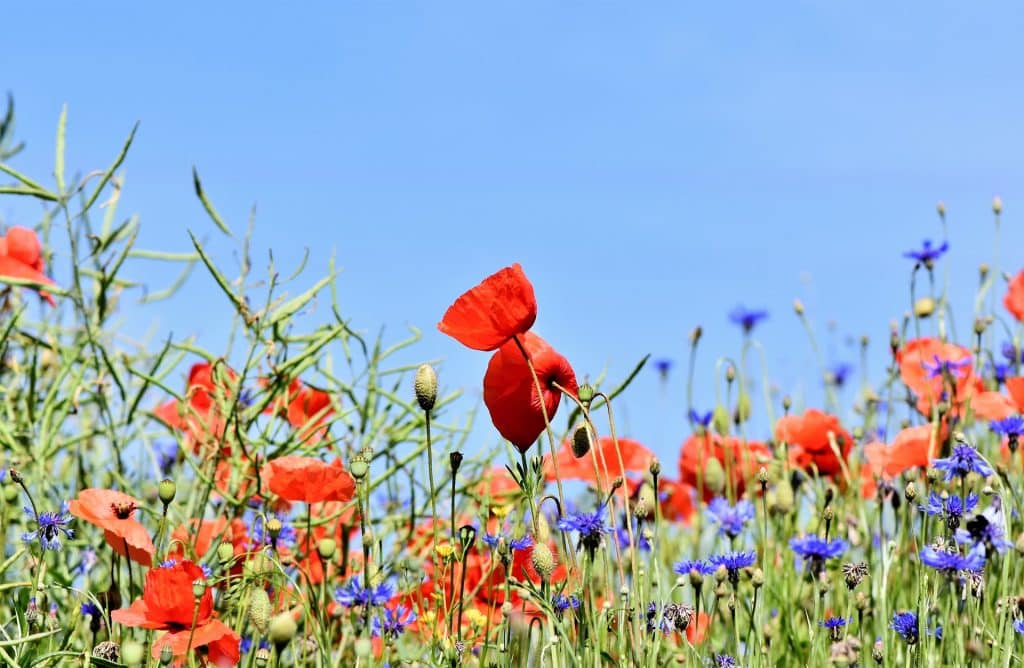
A more open garden habitat, without trees and shade, can also be beneficial for many creatures. When we think about rewilding, and nature conservation many of us will think about trees.
But grassland systems are also important for biodiversity and creating a wildflower meadow in your garden is a wonderful way to help a range of creatures that share our space. Insect life will thrive in a meadow, and this can have a knock on effect on many other species in your garden.
4. Add A Stump Garden, Brush Piles or other Deadwood Habitat
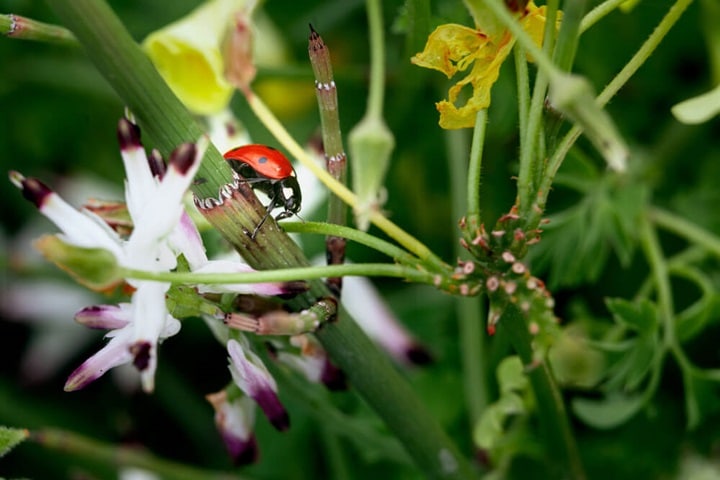
Trying to make a wildlife-friendly garden too neat and tidying up too much can definitely be counter-productive. It is important to leave dead wood lying in your garden, so that nature can ‘recycle’ the nutrients it contains and other plants can benefit in the natural cycle.
We can use dead wood to our advantage in a garden by placing it artfully within our schemes as well as just letting it lie below the trees we grow. Stumperies or stump gardens look wonderful in a shady spot, amid ferns and other shade-lovers. And many bugs, beetles etc. will call these areas home.
5. Introduce A Mixed Bed or Border
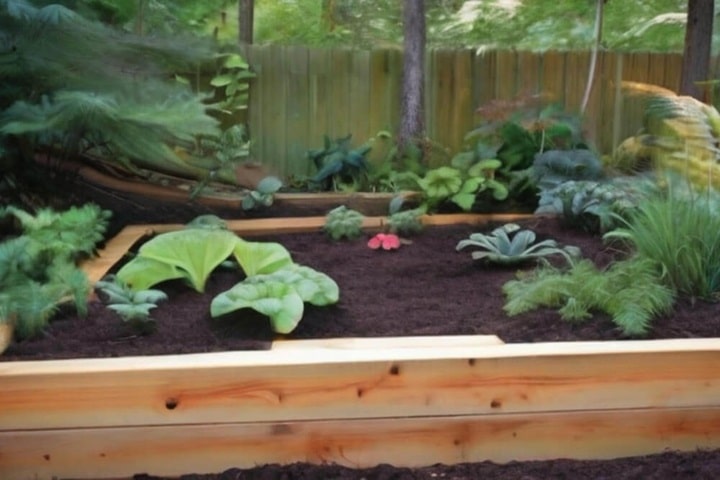
Even in a garden where the appearance is more formal, we can combine plants in ways that are beneficial to the wildlife around us.
For example, we can create mixed borders with a range of smaller trees, shrubs and herbaceous perennial plants, that can help us create the aesthetic look we are going for, while attracting a wide range of life.
Leaving herbaceous perennials uncut in the autumn will provide shelter and habitat for a range of insects and other life over the coldest part of the year. You can even elevate your garden with these inexpensive raised garden bed ideas.
A simple vegetable garden where polycultures have been created can also be a great garden habitat type to consider.
6. Make a Rockery
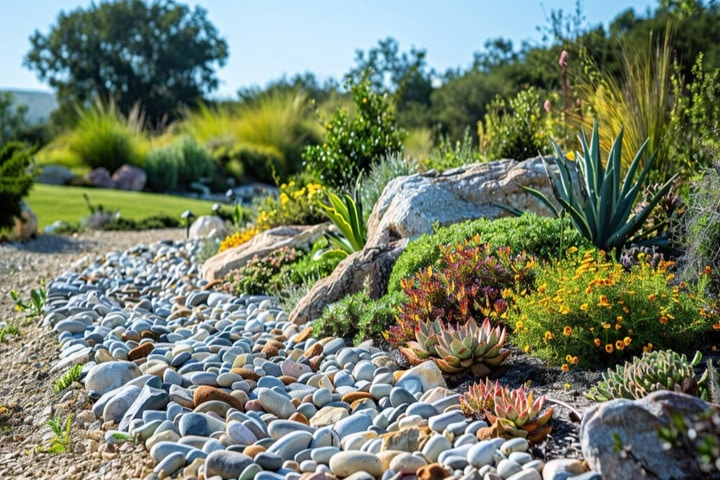
Rockeries may make you think of an old-fashioned garden with bedding flowers and crazy paving. But rockeries or rock gardens can be wonderful for wildlife too – providing plenty of nooks and crannies for creatures to hide in, and giving sun-loving creatures places to bask in the heat.
From lizards to butterflies, many creatures will enjoy themselves on and around the rocks in a rock garden that is well designed and placed in a sunny, south-facing location. The rocks soak up heat during the day and also release it slowly when temperatures fall, potentially allowing for more tender plants to be grown. For more rockery ideas, try our guide.
7. ‘Neglect’ Your Lawn
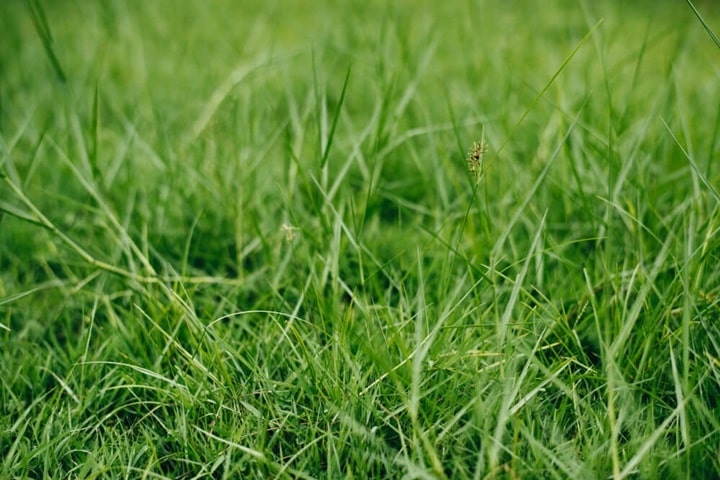
You do not necessarily have to go to a huge effort, however, in order to create a garden habitat for wildlife. Sometimes, literally all you have to do is wait, and avoid intervening too much as nature takes its course.
If you have a very neat and manicured lawn, for example, simply leaving it, managing it organically, mowing less frequently, and letting wildflowers and ‘weeds’ grow within it can turn a barren space into one that a range of wildlife will find beneficial as a habitat.
8. Plant Climbing Plants Along Walls and Fences
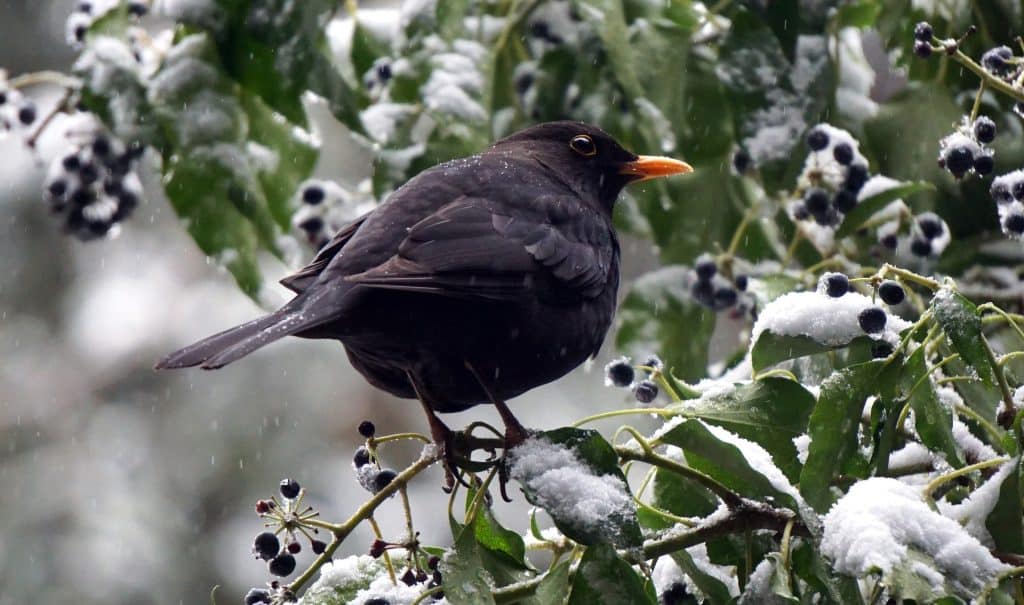
When it comes to making your garden as wildlife friendly as possible, and when trying to create as many different wildlife habitats as possible, don’t forget about the edges of the space. Each wall or fence is an opportunity.
Walls and fences can be clad with suitable climbing plants, to turn them into additional space for wildlife. Evergreen climbers like ivy, for example, and annual climbers with plenty of flowers, can both attract and house many creatures that share your space.
9. Optimise Your Hedgerows
Of course, creating hedgerows can be even better for wildlife than cladding existing walls or fences with plants. Hedgerows let wildlife pass through, from one garden to the next. They can be part of important wildlife corridors. And, of course, they can house and help sustain a wide range of wildlife throughout the year.
Choosing native species and aiming for diversity rather than creating single species hedges is the best way to go if you want to create more habitat types for your garden.
10. Start A Compost Heap
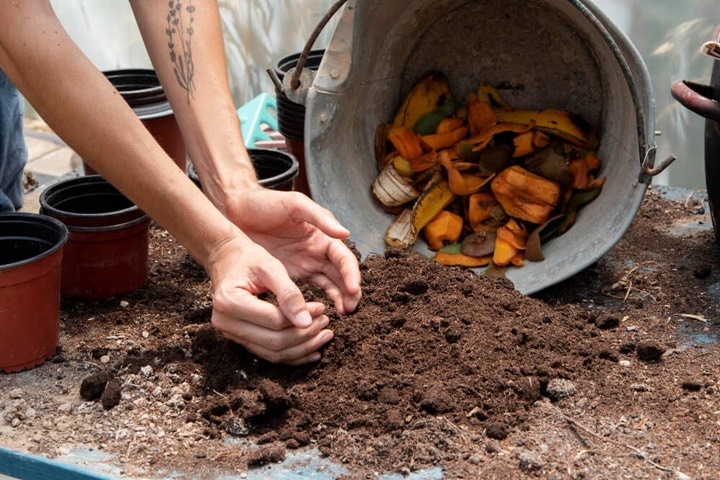
Composting is an essential for any organic gardener. But it is important to remember that as well as helping you to maintain the rest of your garden, a compost heap can also be a wildlife habitat in its own right. This is another important garden habitat type to think about when you are planning your garden.
Just like the soil below our feet, habitat types in a healthy garden include a wide range of life, not all of which is visible to the naked eye. A compost heap also contains a lot of life, not all of which we can see.
These are, of course, not the only habitat types that you might have in your garden. But when trying to create new garden habitat types where you live, the above options can be a good place to start.
FAQs
How can I attract bees to my garden?
Plant native flowering plants that bloom at different times of the year to provide a continuous food source. Avoid pesticides, and consider installing bee hotels to provide nesting sites for solitary bees.
What kind of plants should I include to attract butterflies?
Include a variety of nectar-rich flowers and host plants for caterpillars. Examples include milkweed, lavender, and buddleia. Butterflies are particularly attracted to bright colours like yellow, orange, and red.
What are the benefits of having a pond in my garden?
A pond attracts a variety of wildlife such as frogs, newts, dragonflies, and birds. It adds biodiversity to your garden ecosystem and provides a water source and habitat for many aquatic and semi-aquatic species.
Sources
WWF. (2019) What is Biodiversity? [online] Available at: https://www.worldwildlife.org/pages/what-is-biodiversity [accessed 23/09/24]