

Summer is the perfect season to bring a riot of colour to your garden with vibrant flowering plants. Whether you have a sprawling country garden, a modest urban space, or a collection of pots on a balcony, there are plenty of summer bloomers to choose from. For UK gardeners, selecting the right plants is crucial, considering the varying climate across the regions.
For those looking to extend the flowering season and ensure a successful yield, polytunnel growing can be an excellent solution. A polytunnel provides a protected microclimate that allows delicate plants to flourish, offering an extended growing period for some summer flowers.
Some of the Best Vibrant, Summer Flowering Plants
So, let’s explore some of the best summer flowering plants that will bring vivid colour and joy to your garden:
1. Roses Galore
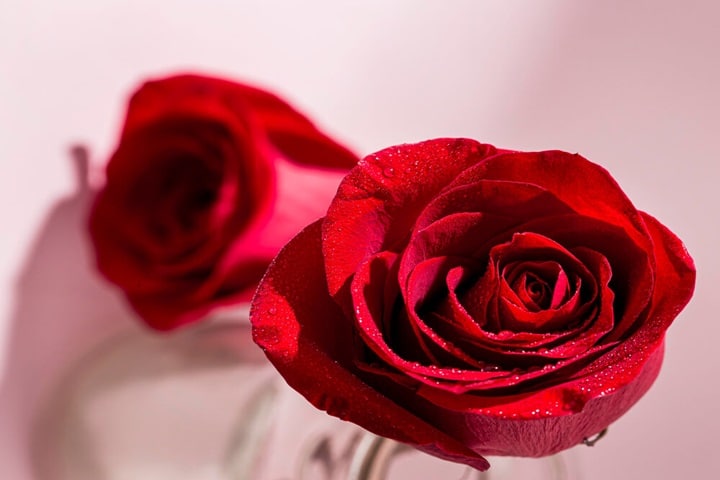
Roses are a staple of the British garden and for good reason. With a huge variety of species available, including hybrid teas, floribundas, and climbing roses, these perennials bloom abundantly in summer. For the best display, ensure your roses are planted in well-drained, fertile soil with plenty of sun exposure. Regular deadheading will encourage continuous flowering.
Some great roses to try include:
- Rosa ‘Gertrude Jekyll’ (English shrub rose)
- Rosa ‘Iceberg’ (floribunda)
- Rosa ‘Graham Thomas’ (David Austin variety with yellow blooms)
The UK has several native rose species that provide beautiful blooms and support wildlife. The Rosa canina (dog rose) is a classic native species, producing soft pink flowers followed by red hips that are loved by birds. Another native species, Rosa rugosa, is highly fragrant and tolerant of coastal conditions. Native roses thrive in hedgerows and wild gardens, requiring little maintenance while providing excellent habitat for pollinators.
2. Happy Hydrangeas
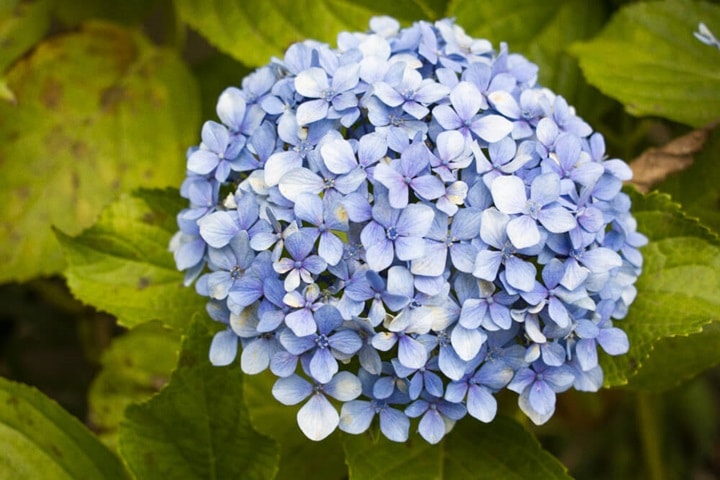
Hydrangeas thrive in the UK’s summer climate and provide spectacular blooms from mid to late summer. Mophead and lacecap varieties offer large clusters of flowers in shades of blue, pink, and white. The soil pH affects their colour, so acidic soil produces blue flowers, while alkaline soil results in pink blooms. Hydrangeas enjoy partial shade and require regular watering, making them ideal for garden borders.
Try, for example:
- Hydrangea macrophylla ‘Endless Summer’ (reblooming variety)
- Hydrangea arborescens ‘Annabelle’ (large white flower heads)
- Hydrangea paniculata ‘Limelight’ (greenish-white blooms turning pink)
3. Vivacious Verbena
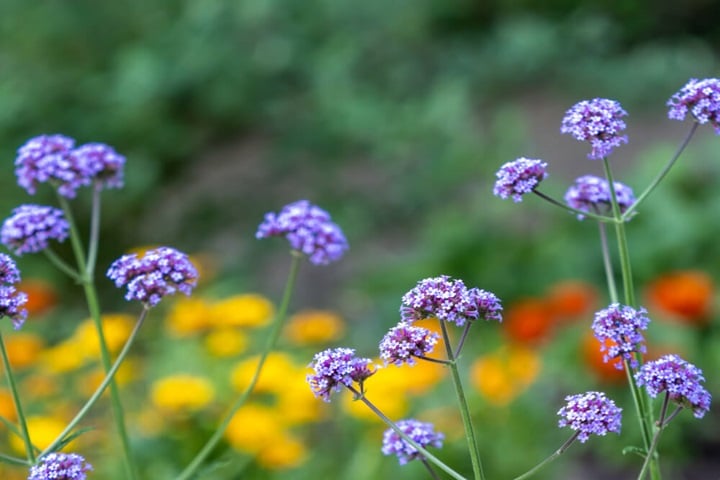
Verbena is a favourite for summer gardens, known for its long-lasting flowers that attract pollinators. Verbena bonariensis is a particularly popular variety, with tall, delicate purple flowers that sway beautifully in the breeze. It is drought-resistant and thrives in sunny spots, making it a great low-maintenance choice.
The UK’s native verbena, Verbena officinalis (common vervain), is a delicate yet resilient plant. It produces tiny lilac flowers that attract bees and butterflies. Traditionally used for medicinal purposes, vervain is a fantastic addition to a wildlife-friendly garden and can thrive in dry soils and wildflower meadows.
4. Save Space for Sage
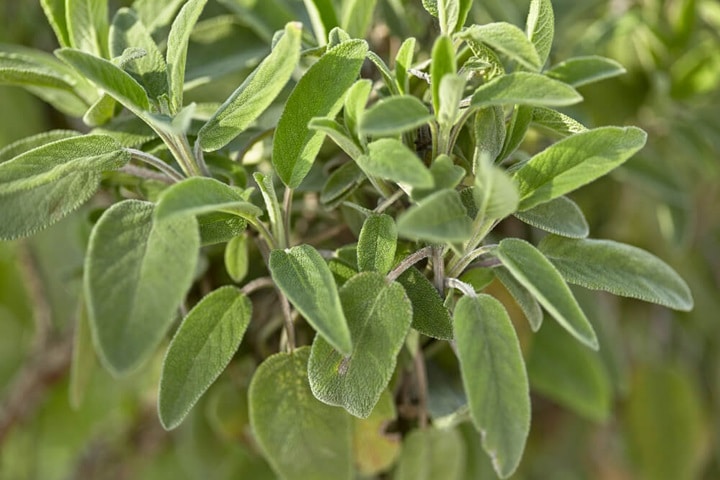
Salvia, or sage, is both a decorative and aromatic plant, making it perfect for summer gardens. The deep blue, purple, pink, or red flowers of ornamental sage varieties attract bees and butterflies. This plant is drought-tolerant and thrives in full sun, making it an excellent choice for warm UK summers.
Recommended RHS AGM varieties include:
- Salvia nemorosa ‘Caradonna’ (deep violet flowers, compact form)
- Salvia x sylvestris ‘Mainacht’ (early flowering with deep blue blooms)
5. Gorgeous Geraniums and Pelargoniums
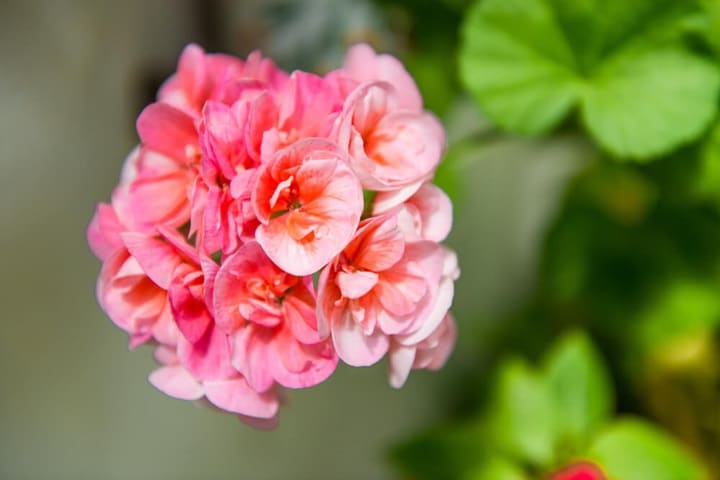
Geraniums and pelargoniums are ideal for hanging baskets, containers, and bedding displays. They are easy to care for and bloom continuously throughout summer. Regular deadheading helps keep them flowering for longer. While geraniums are hardy, pelargoniums may need overwintering indoors or in a polytunnel.
One of the most popular and best varietals for UK gardeners is Geranium ‘Rozanne’ (long-flowering, blue-violet blooms).
Native UK geraniums, such as Geranium pratense (meadow cranesbill), are excellent for adding long-lasting colour to summer borders. With their vivid blue-violet flowers, they are highly attractive to bees and butterflies. These hardy perennials thrive in full sun or partial shade, making them a versatile choice for any UK garden.
Geranium sanguineum and other native cranesbills are wonderful choices too, great for our native pollinators. They too bloom over a long period in summer.
6. Fabulous Fuchsias
Fuchsias are another classic choice, known for their elegant, drooping flowers in striking pink, purple, and red hues. They thrive in partial shade and require moist but well-drained soil. Hardy fuchsias can withstand UK winters, but tender varieties benefit from polytunnel protection.
Try, for example:
- Fuchsia magellanica (hardy, native to South America but naturalised in the UK)
- Fuchsia ‘Mrs Popple’ (classic red and purple blooms, vigorous growth)
7. The Day of the Dahlias
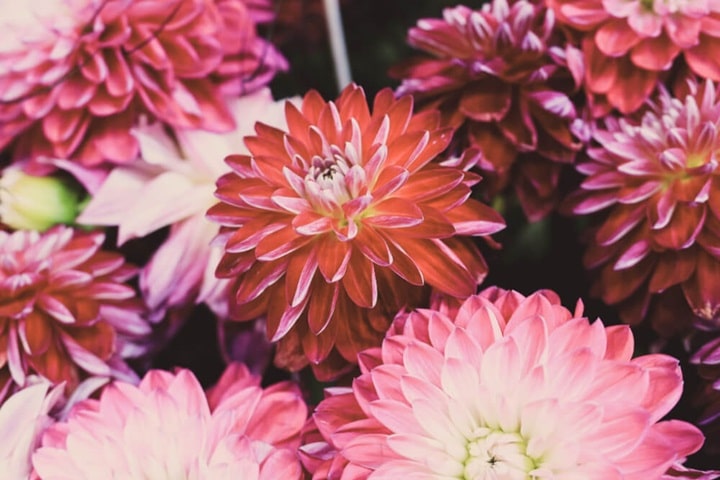
Dahlias are among the most spectacular summer flowers, offering large, eye-catching blooms in an array of colours. These tuberous perennials thrive in rich, well-drained soil and full sun. To keep them blooming until the first frost, remove spent flowers regularly. In colder regions, lift and store the tubers over winter or grow them in a polytunnel.
Some good RHS AGM varieties are:
- Dahlia ‘Bishop of Llandaff’ (striking red flowers, dark foliage)
- Dahlia ‘David Howard’ (apricot-orange blooms, strong stems)
8. Perennial Wallflowers
Perennial wallflowers, such as Erysimum ‘Bowles’s Mauve’, provide a long-lasting display from spring through autumn. They are highly attractive to bees and thrive in well-drained soil with full sun.
9. Begonia
Begonias are perfect for brightening up shaded areas of the garden with their vibrant flowers. They are excellent for hanging baskets and pots, producing flowers well into autumn. Tuberous begonias can be overwintered indoors.
Recommended RHS AGM varieties include:
- Begonia ‘Million Kisses Elegance’ (trailing variety for baskets)
- Begonia ‘Apricot Shades’ (double-flowered, ideal for containers)
10. Busy Lizzies
Impatiens, commonly known as Busy Lizzies, are brilliant for adding colour to shady garden spots. They bloom prolifically in pots, beds, and borders, needing moist but well-drained soil.
11. Snapdragons
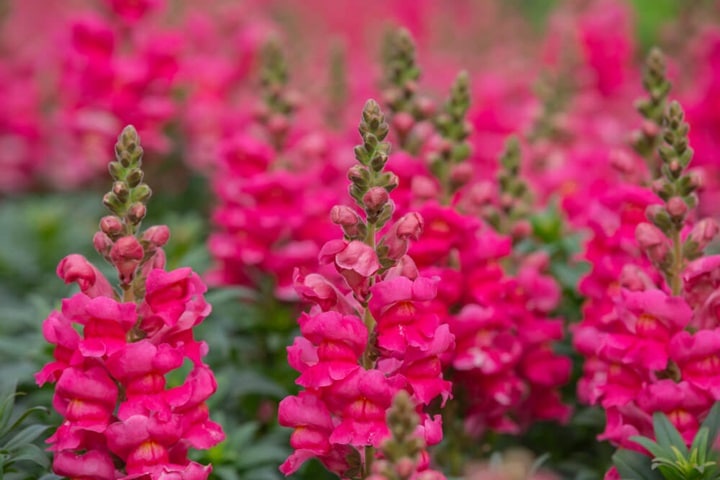
Snapdragons (Antirrhinum) are delightful, with their spiky flowers in various colours. These cottage garden favourites attract bees and can be grown in beds or containers. Antirrhinum majus ‘Royal Bride’ has white flowers, and is good for cutting so is just one lovely option to consider.
12. Campanulas
Campanulas, or bellflowers, offer charming blue, purple, or white blooms that last throughout summer. They thrive in borders and rock gardens, adding a delicate touch to the landscape.
The native Campanula rotundifolia (harebell) is a delicate wildflower found in grasslands, offering clusters of nodding blue flowers. It is an excellent choice for rockeries and wildflower areas, where it supports native pollinators.
13. Lobelia
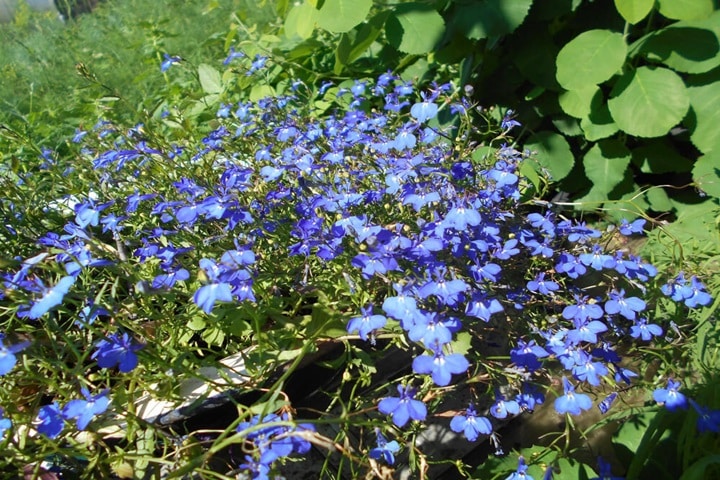
Lobelias are perfect for adding a cascading effect to hanging baskets or a low-growing burst of colour to flower beds. They prefer moist but well-drained soil and bloom continuously throughout summer.
14. Erigeron
Erigeron, commonly known as fleabane, produces daisy-like flowers that bloom for months. The UK native Erigeron karvinskianus (Mexican fleabane) thrives in cracks, walls, and dry areas, providing an informal, natural look. Try Erigeron karvinskianus ‘Profusion’ (abundant small flowers, self-seeding), for example.
15. African Globes
African globe thistles (Echinops) provide striking spherical blue flowers that are highly attractive to bees. These drought-resistant plants thrive in well-drained soil and full sun, making them a great structural addition to summer gardens. Try Echinops ritro ‘Veitch’s Blue’, a compact variety with deep blue globes.
16. Abultilons
Abutilons, or Indian mallows, are tender shrubs that offer maple-like foliage and exotic-looking bell-shaped flowers. They do well in containers and benefit from polytunnel growing in cooler regions.
17. Candytuft – Iberis sempervirens
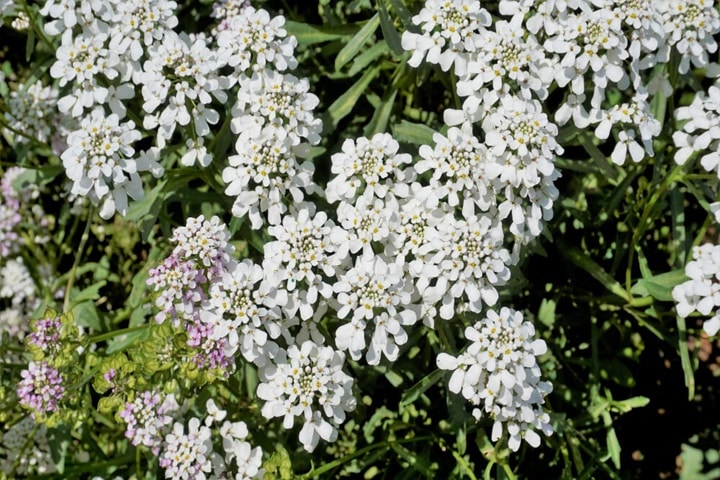
This low-growing perennial produces masses of white flowers that last throughout summer. It thrives in rock gardens and borders, preferring well-drained soil and full sun. Try Iberis sempervirens ‘Snowflake’, which is prized for its profuse white blooms.
18. Rudbeckia
Rudbeckias, or Black-Eyed Susans, offer vibrant yellow and orange flowers that last well into autumn. They thrive in full sun and attract pollinators. Try Rudbeckia fulgida ‘Goldsturm’ (long-lasting golden blooms), for example.
19. Potentilla
Potentillas are hardy shrubs that produce cheerful five-petalled flowers in yellow, pink, or white. They are highly resilient and thrive in poor soils and exposed sites.
20. Sweet Peas
Sweet peas (Lathyrus odoratus) are beloved for their delicate, fragrant flowers. They thrive when trained up trellises or obelisks, providing continuous blooms when regularly deadheaded.
More plants for flowers all summer:
For a garden that remains vibrant throughout the summer, consider these additional UK-native species:
- Digitalis purpurea (foxglove) – tall spires of bell-shaped flowers.
- Centaurea nigra (common knapweed) – thistle-like blooms, great for pollinators.
- Silene dioica (red campion) – bright pink flowers, thrives in semi-shade.
- Primula vulgaris (primrose) – delicate yellow flowers in early summer.
- Leucanthemum vulgare (oxeye daisy) – cheerful white daisy-like flowers.
- Knautia arvensis (field scabious) – soft lavender flowers, loved by bees.
- Scabiosa columbaria (small scabious) – dainty blue-mauve blooms.
To keep your garden looking good, bright and colourful all summer long, the key is variety. Plant as many different species as you can, and remember that ideally, for wildlife as well as for ornamental appeal, you should have plants blooming in your garden every month, throughout as much of the year as possible and ideally all year round.
Further reading:
FAQs
Can summer flowering plants tolerate high heat?
Many summer flowering plants can tolerate high temperatures, but they need proper care. Native UK species are often well adapted to the climate, but during prolonged hot spells, watering in the early morning or evening is essential. Mulching around the base of plants can help retain soil moisture and regulate temperature. Using polytunnels can protect heat-sensitive plants from excessive sun exposure, while providing shade can reduce heat stress.
How do I protect my plants from summer pests?
Common summer pests include aphids, slugs, and caterpillars. To keep pests under control:
Encourage natural predators such as ladybirds and lacewings.
Boost biodiversity in your garden as much as possible for a natural balance.
Plant companion plants to, confuse, distract or deter certain insects and other pests.
Regularly inspect plants and remove pests by hand when possible.
Ensure proper airflow around plants to reduce the risk of fungal infections. Keep plants as healthy as possible by planting them in the right places, and providing the right environmental conditions.
Sources
Dray, K., (2024) How often should you water your garden in the hot weather? Your guide to watering during the heatwave. Ideal Home. [online] Available at: https://www.idealhome.co.uk/garden/garden-advice/how-often-to-water-garden-in-hot-weather [accessed 26/03/2025]