Why GM Genetically Modified Crops Are a Problem
Genetically modified crops are a controversial topic and dramatically divide opinion. Some are in favour because of the way in which they can accelerate selective breeding and potentially sometimes make things easier for farmers. But in this article, I’d like to discuss why, without a lot more research and care, GM crops can pose a significant threat, and be a worrying problem.
What Are Genetically Modified Crops?

Genetically modified (GM) crops are crops that have had their DNA modified in some way using genetic engineering technology. These GM crops have genes added to them for a number of different reasons – usually to improve their growth, pest resistance etc..
Norman Borlaug was a key proponent of genetically modified crops (GM crops). He argued that GM crops were the only way to increase food production as the world runs out of unused arable land.1
As long as humans have been cultivating crops, they have been directly influencing their genetic make-up through domestication and selective breeding and cross breeding. But the world reached a new frontier when modern advances in genetics allowed humans to more directly alter plant genetics.
In 1970, Hamilton Smith’s lab discovered restriction enzymes that allowed DNA to be cut at specific places, to isolate genes. In the 1980s, techniques were developed which allowed foreign genes to be integrated into a chloloplast, and then the ‘gene gun’ was introduced. The first genetically engineered plant was tobacco, reported in 1983.2
Since the 1980s, many further advancements in this field have followed. In 1994, the European Union approved its first commercialised genetically engineered crop, and the US approved one the following year. By 2010, 29 countries had planted commercialised GM crops, and a further 31 countries had granted regulatory approval for transgenic crops to be imported.
What Foods Are Genetically Modified?
GM crops are very common in the US and some other parts of the world. At least 90% of soy, cotton and corn grown in the US are subjected to genetic techniques.
In the UK, foods must say on their label if they contain or consist of genetically modified organisms (GMOs) or ingredients produced from GMOs.
But foods produced with the help of GM technology do not have to be labelled. An example of this is cheese produced with the help of GM enzymes which are used to clot the milk in the production process. These are not ingredients in the cheese. Products such as meat, milk and eggs from animals that are fed on GM animal feed also do not need to be labelled.
There are currently no GM crops grown in Scotland and the Scottish government is opposed to relaxation of regulations. There are currently no GM crops being grown commercially in the rest of the UK, although scientists are carrying out controlled trials. But in loosened regulations on gene editing from the Westminster Government have opened the potential for GM crops to be grown there in future years, sparking many concerns.
What Are The Disadvantages of GM Crops?
While there are certainly potential advantages to certain genome editing, there are still many concerns, largely environmental, over both the known and potential future consequences of human manipulation of DNA in food.
Human Health Risks
While many boards and authorities have declared GM crops safe for human consumption, many people still have concerns. Because while some studies have been carried out, few look at the results of longer-term exposure.
There are many unknowns about the impacts of certain GM crops on human health – the the potential human health impacts that might be experienced in the future.
While no current scientific consensus links GM crops to cancer, there are question marks over the impacts of glyphosate use and other things related with GM growing. People may also have allergies to the toxins produced in certain GM crops.
Reduced Nutritional Value of Foods
Though some GM crops have been genetically engineered to improve their nutritional value, some GM crops focus on other gains, and therefore have lower nutritional value.
This study determined, for example, that organic soybeans are far higher in nutritional components like healthy sugar, proteins, selenium, and zinc, than genetically modified soybeans. Higher pest resistance also reduced the antioxidant phytochemicals produced by the plants.
Increased Use of Chemical Herbicides
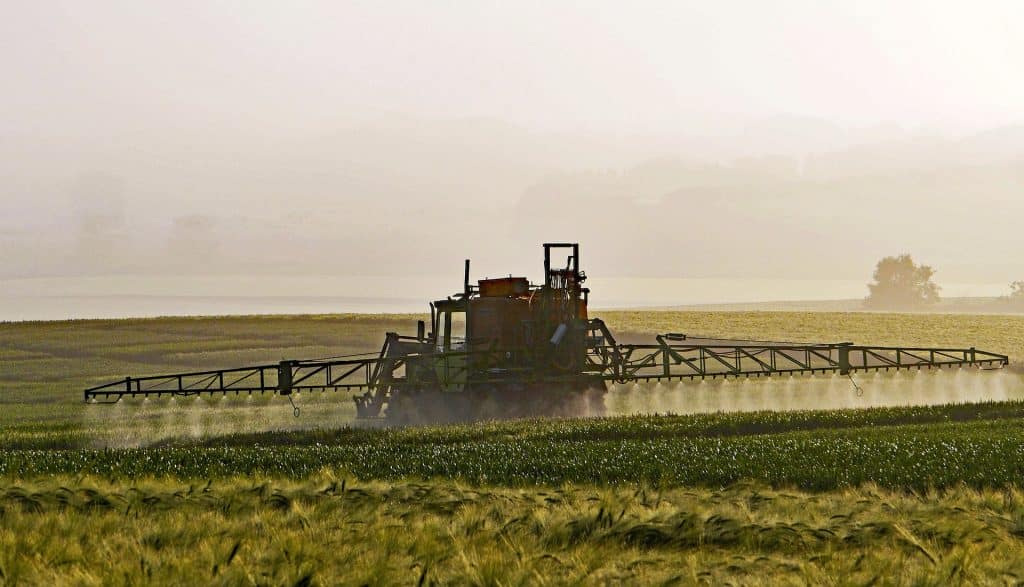
GM Crops that were designed to withstand herbicides, which were supposed to assist farmers with weed control, have been associated with a very large increase in the use of the chemicals, leading to
the development of an increasing number of herbicide-resistant types of weeds that are more difficult and expensive for farmers to control.
This has led to higher use of weedkillers containing Glyphosate – which is a potential risk to people as well as to wildlife and ecosystems.
Disruption To The Ecosystem
There are a wide range of environmental concerns surrounding the use of GM crops which are, indeed, the strongest reasons to be very cautious indeed about their use.
Ecosystems can be damaged by the potential for GM crops to cross breed with their weed relatives, which could have severe implications for the balance in natural systems.
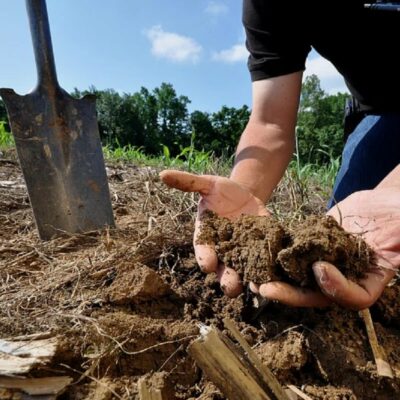
There are also concerns over the release of toxins produced within GM crops into the soil. Toxins building up in the soil where such crops are grown can damage the soil biome – killing off the micro-organisms and other soil life that is essential to soil ecology and function. In extreme cases, soil may be damaged to such a degree that it is no longer capable of sustaining plant growth.
In some cases, GM crops that were given built-in defences against insect pests have stimulated the evolution of insect populations that can withstand the pesticidal toxins that the plants have been engineered to produce.
This of course carries huge implications and has potentially huge ramifications within ecosystems. As one small change can lead to a cascade effect.
The Future of GM Crops?
Some say that modern genome editing is more sophisticated, and moves beyond these problems.
But just because genome editing offers a new way to snip and splice genetic material, this does not mean that scientists have yet mastered understanding, or controlling, the expression of complex genetic traits in living organisms and real environments.
A huge degree of of uncertainty still remains in genetic engineering, in spite of advances in scientific knowledge. Small degrees of genetic manipulation can potentially have other unforeseen consequences, and these things may well have profound implications for human health, soil health, plant communities, wildlife and ecosystems.
In short, we simply cannot know the full effects of genetic tinkering – especially long-term. So, this is not to say that genetic engineering of any kind does not have potential benefits. But it is also very important to acknowledge that it comes with immense risk.
How to Avoid GM Crops
Avoiding GM crops in the UK is fortunately much easier than avoiding them in other parts of the world. However, care is required and you must look at labelling if you wish to avoid them entirely.
To feel more confident in the contents of your food, it is always best to choose to purchase organic products wherever possible. Organic food is not only grown free from synthetic herbicides, pesticides and fertilizers, but is also free from GM.
Of course, organic food can be more expensive. And even where local food is not technically labelled as organic, it may be largely organically and sustainably grown, so it is always worthwhile speaking with local farmers and growers to find out more about their methods and practices.
Buying locally grown food will not only reduce food miles and cut your carbon footprint but also make it easier for you to learn more about precisely what you are eating, and the true costs of its production.
Naturally, growing your own food is the best option of all, since you will have almost complete control over what you grow, how and where you grow it, and the methods used in production. You can grow a surprising about of fresh, organic produce for yourself and your family even in a small garden space. This is especially true if you have a polytunnel and can grow food year-round.
References:
http://www.isaaa.org/kc/Publications/pdfs/isaaabriefs/Briefs%201.pdf
https://www.bioexplorer.net/file/soybeans-food-chemistry.pdf
https://www.nature.com/news/genetically-modified-crops-pass-benefits-to-weeds-1.13517
1Borlaug, N.E. (2000), “Ending world hunger: the promise of biotechnology and the threat of antiscience zealotry”, Plant Physiology, 124 (2): 487–90
2Lemaux, P. (2008). “Genetically Engineered Plants and Foods: A Scientist’s Analysis of the Issues (Part I)”. Annual Review of Plant Biology. 59: 771–812.