

A smallholding is simply a small piece of land, usually under 50 acres, that is managed for food growing, livestock, or small-scale rural enterprise. It can be a lifestyle choice, a part-time income source, or a full working business depending on how you use the land.
In this guide, I break down what a smallholding involves day to day, the set-up costs, potential income streams, legal considerations, and how you can get started even on a tight budget.
Key Takeaways
- A smallholding is a small, flexible piece of land used for food, livestock, and rural enterprise.
- You can run it as a hobby or turn it into a supplementary or full income.
- Costs vary depending on land, infrastructure, and planning requirements.
- You don’t need prior farming experience—skills develop with practice.
- Income may come from produce, plants, eggs, crafts, firewood, or small rural businesses.
What Is a Smallholding?
A smallholding is a small parcel of land managed for self-sufficiency, food production, livestock, or rural craft. Unlike larger farms, smallholdings operate on a much smaller and more flexible scale. They sit somewhere between an allotment and a farm, with more space and enterprise potential than the former but without the acreage or intensity of the latter. Most UK smallholdings are under 50 acres, though many are far smaller.
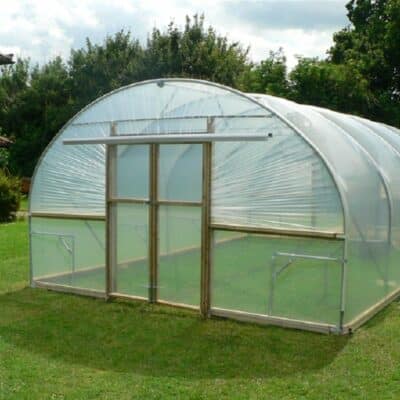
Typical activities include vegetable production, fruit growing, small-scale livestock keeping, forestry or coppice management, and home-based rural crafts. Layouts often include raised garden beds, a growing area, livestock zones, storage, paths, and sometimes a commercial polytunnel for extending the growing season.
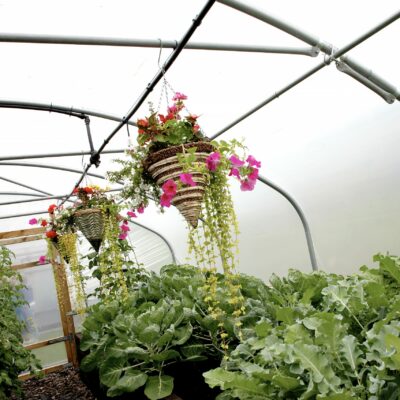
Most smallholdings are well below 50 acres in size, and many are only a few acres in size. What matters is not the acreage but how effectively the land is managed. Even 1–5 acres can support productive vegetable gardens, small orchards, poultry, or a few livestock, especially when combined using tools like polytunnels to extend the growing season and even grow year-round.
UK smallholders often earn supplementary income through a mix of small-scale enterprises such as selling plants, eggs, honey, preserves, cut flowers, firewood, crafts, or surplus fruit and veg. These enterprises can be seasonal or year-round depending on the setup.
Every smallholding is unique and there are no hard and fast rules about their elements and focus. Some owners focus on self-sufficiency, while others build a part-time rural business, diversify into workshops or hospitality, or blend growing with rearing livestock. The size, layout, and enterprise mix all reflect the owner’s aims, experience, and available time.
How Much Time Do You Want to Spend on the Land?
If you are interested in starting a smallholding, which might also be known as a homestead, croft or hobby farm, one important question to ask yourself is now much time you have available.
Daily, Weekly & Seasonal Workloads
Smallholdings involve regular hands-on work such as animal feeding, harvesting, and general maintenance. Some aspects, like lambing or spring planting, create seasonal peaks. A hobby grower may spend a few hours a week, while a commercial grower could treat the holding as a full-time job.
Matching Your Goals to Your Availability
Your enterprises should match the time you realistically have. Low-maintenance orchards, poultry, and perennial crops suit busy lifestyles, while intensive vegetable production demands daily attention. A commercial polytunnel can reduce weather-related risks and help manage workloads more predictably.
Are You Planning to Earn Money From Your Land?
This is another very important question to ask yourself. Starting a smallholding means understanding up front whether this will be your main income or a supplementary one, and which potential imcome streams might be open to you.
Many smallholders earn supplementary or even full-time income. You can sell plants, veg boxes, cut flowers, eggs, honey, firewood or timber, herbs, or preserves. Some focus on niche markets such as heritage vegetables, microgreens, or botanicals. Fruit and berry production benefits from using fruit cages for protection, and carefully planting for cyclical systems and propagating your own plants can reduce the amount you need to spend which also maximising yields.
How Will You Use Your Land?
A bespoke design and a tailored plan is essential, since each piece of land has different characteristics, and different strengths, weaknesses, opportunities and challenges. It is important to decide how you will use your land with reference to the real-world realities of the site.
Growing Produce
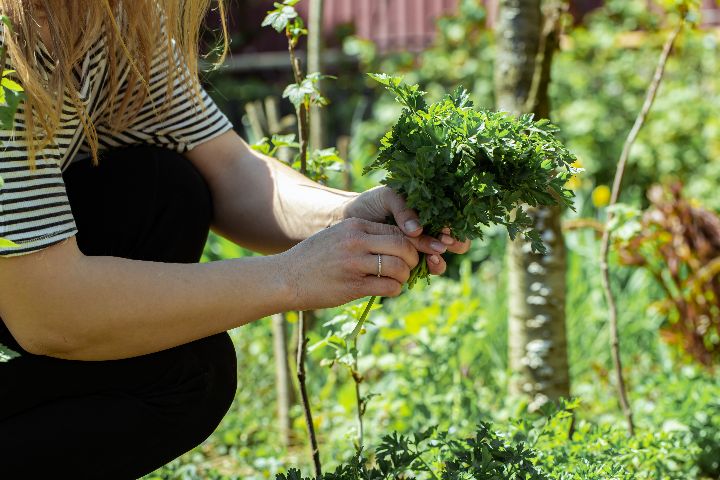
Most smallholdings grow fruit, herbs, and vegetables. Using a polytunnel offers year-round growing, frost protection, and reliable yields. Raised beds improve organisation and soil structure. T can be a great idea to think beyond traditional annual crops and to create perennial food producing systems in addition to those more traditional vegetable growing zones.
Keeping Livestock
Typical animals include chickens, ducks, bees, sheep, and goats. Each needs appropriate shelter, fencing, and daily care. Some animals, like cattle or larger herds, require more space than most smallholdings have. Avoiding over-stocking, and practicing rotational grazing in a healthy way can ensure that the land continues to be lush and abundant over time.
Blended Use
Many smallholders mix enterprises: livestock for manure and eggs, veg growing for income, and woodland for fuel. Sustainable practices like agroforestry, composting, and rainwater harvesting increase your smallholdings long-term resilience.
What Can I Keep on My Smallholding?
Most smallholders keep poultry, bees, goats, sheep, or pigs depending on land suitability. You’ll need a CPH (County Parish Holding) number for any livestock. Poultry benefit from secure housing.Polytunnels support winter veg or chick-rearing in controlled environments.
How Much Does It Cost to Set Up a Smallholding?
Land Purchase or Rental Costs
Costs vary widely by region, soil quality, and access. Expect higher prices in the South and lower in remoter regions. Investigate water supplies, boundaries, access tracks, and utilities.
Infrastructure Setup
Most people budget for fencing, sheds, water systems, housing for animals, and growing structures. Remember, a polytunnel is a cost-effective way to boost production. Raised beds are another excellent early investment.
Ongoing Costs
Annual costs include feed, seeds, compost, vet bills, insurance, and equipment maintenance. Don’t forget to factor in labour costs if you need to be self-supporting. You’ll likely need to at least pay yourself a salary to make it work long-term, and may decide to take on other employees throughout the years.
Typical first-year expenses may include: fencing, tools, shelter, initial livestock, basic infrastructure, and a polytunnel if intending to grow year-round.
Do I Need Farming Experience?
Not necessarily. You can learn everything gradually. Many new smallholders start with just a few chickens and a small vegetable garden. Skills grow naturally over the seasons. Workshops, online courses, and community groups can help build confidence. Start small and build slowing, and expect to fail many times in small ways before you really succeed.
Will I Need Planning Permission?
Structures & Buildings
Planning permission is needed for residential buildings, permanent structures, large barns, or new access tracks. Agricultural buildings sometimes have different rules.
Polytunnels & Light Structures
Small to medium-sized polytunnels often don’t require permission, especially on agricultural land, but exceptions exist. Check with your local authority if you’re unsure.
Can I Sell Produce From My Smallholding?
Yes of course. Many smallholders sell food, plants, honey, or livestock. Processed foods like jams may require food hygiene registration. Good insurance and simple bookkeeping are advisable.
Benefits of Smallholding
Productivity Benefits
Grow your own food, reduce reliance on supermarkets, and generate income.
Environmental Benefits
Create wildlife habitats, use composting and rainwater harvesting, and manage land sustainably.
Social Benefits
Meet local growers, join markets, and build community links.
Personal Benefits
Enjoy outdoor work, reduce stress, and build a more intentional lifestyle.
How to Get Started if You Can’t Afford Residential Permission
Renting land, sharing land, or using community plots can help you begin without buying a full holding. Many people develop a micro-enterprise—plants, eggs, or premium vegetables—before investing in larger acreage.
Buying and Running a Rural Business
Smallholders run everything from plant nurseries to bee farms, cut-flower enterprises, workshops, or online stores. Understanding marketing, insurance, customer routes, and simple bookkeeping is key to long-term success.
Smallholding Rules and Regulations
Smallholders need to follow UK rules including:
- CPH numbers for livestock
- Animal welfare standards
- Environmental rules (manure, water, hedgerows)
- Food hygiene for any processed produce
Types of Smallholding
Hobby Smallholding
Small acreage, minimal livestock, ideal for those working off-farm.
Income-Generating Smallholding
Multiple enterprises, polytunnels, raised beds, and structured growing systems.
Lifestyle/Retreat-Based Smallholding
Focus on wellbeing, woodland, gardens, and low-intensity work.
Mixed-Enterprise Smallholding
Combines crops, livestock, and home-based rural businesses.
Smallholding for Sale in the UK
Costs depend on acreage, soil quality, buildings, utilities, and location. Always check rights of way, boundaries, drainage, and any restrictions. A detailed survey is essential.
Buying a Smallholding
View multiple sites, assess your goals, check planning rules, and evaluate income potential. Red flags include poor drainage, unclear access, or lack of water.
Smallholding Mortgages
Agricultural mortgages differ from residential ones. Deposits may be higher, and lenders often want evidence of income or a business plan. Planning restrictions affect eligibility.
Final Tips for New Smallholders
Start small, build gradually, and learn through the seasons. Invest in infrastructure such as raised beds, fencing, and a polytunnel as you go. Join local groups and balance productivity with enjoyment.
FAQs
What qualifies as a smallholding?
A small, flexible parcel of land, normally under 50 acres, that is used for food, livestock, or rural enterprise.
Can you live on a smallholding?
Yes, if it has residential permission. Without it, you cannot live on the land full time.
What’s the difference between a farm and a smallholding?
Farms operate at commercial scale; smallholdings are smaller, diverse, and more flexible.
What are the benefits of registering a smallholding?
Registration gives access to CPH numbers, movement records, and agricultural legitimacy.
Sources
Vale, R. (1977). Alternative Technology Group Report ATG01. The Open University Institutional Repository. Retrieved from https://oro.open.ac.uk/88934/1/ATG01.pdf